New Jersey Fall Trout Stocking Dates
Trying to figure out when and where New Jersey stocks trout in the fall can sometimes feel like trying to solve a puzzle. You’re eager to hit the water and enjoy the crisp autumn air, but without knowing the precise dates, you might miss out on those prime opportunities to reel in some feisty trout. This guide is dedicated to pulling back the curtain on New Jersey's fall trout stocking schedule, equipping you with all the essential information to confidently plan your most rewarding autumn angling adventures.
The Unique Appeal of New Jersey's Fall Trout Stocking Program
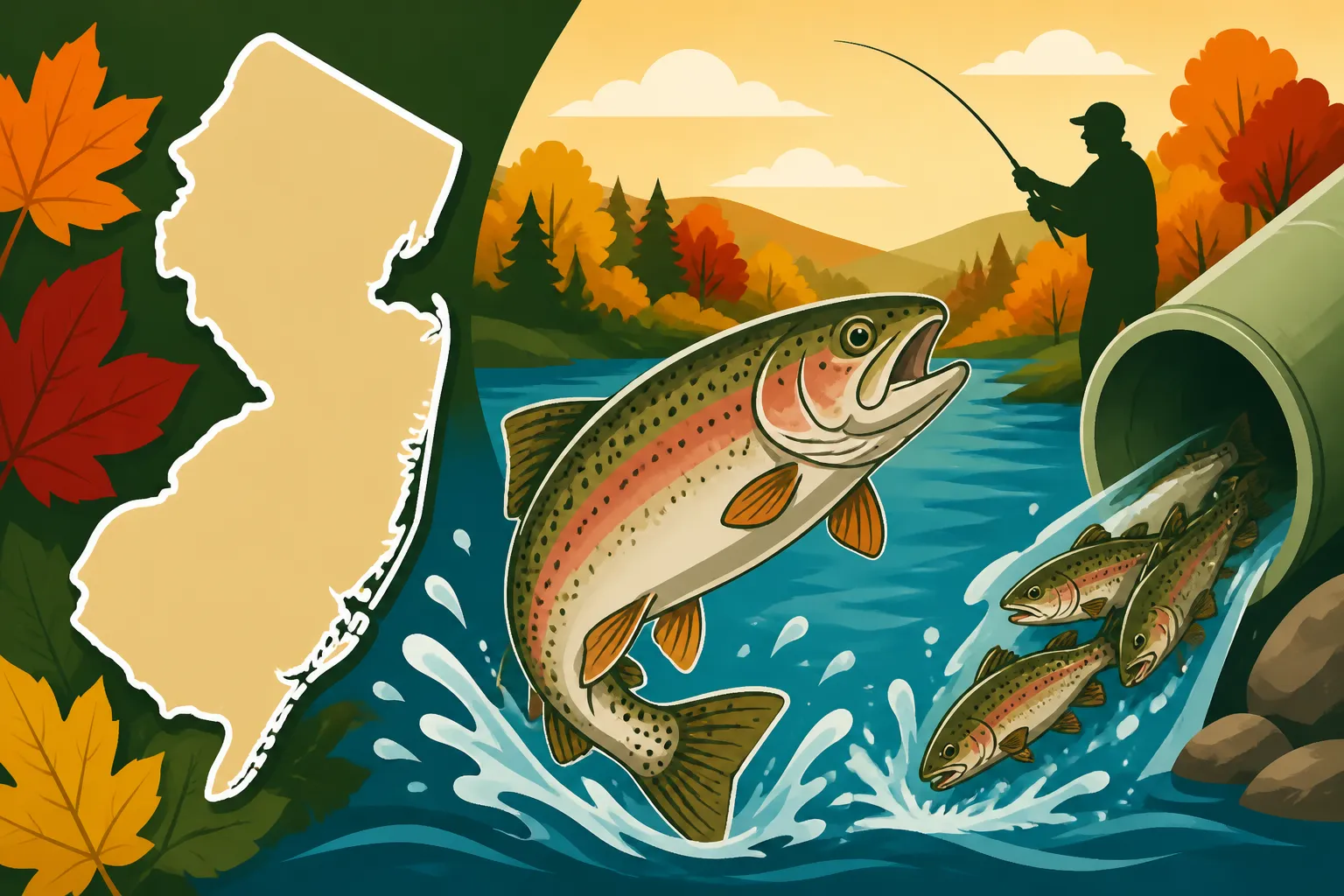
New Jersey's fall trout stocking program is truly a gift for anglers, extending the freshwater fishing season long past the spring frenzy. While many states wind down their stocking efforts after spring, New Jersey doubles down, ensuring that our rivers, streams, and lakes remain vibrant with eager trout well into the cooler months. This isn't just a rehash of spring stocking; it’s a distinct program with its own rhythm and benefits that seasoned anglers cherish.
One of the biggest differences you’ll notice in the fall is the atmosphere. Gone are the massive crowds that often characterize opening day in spring. Instead, you'll find more serene waters, fewer elbows, and a sense of calm that allows for a more introspective and enjoyable fishing experience. The weather, too, plays a huge role; those crisp, sunny autumn days are simply magical to spend by the water. The fish themselves often behave differently in cooler waters, becoming more active and aggressive as they prepare for winter, which can lead to some truly exhilarating bites. If you've ever felt overwhelmed by the spring rush, the fall season offers a peaceful alternative.
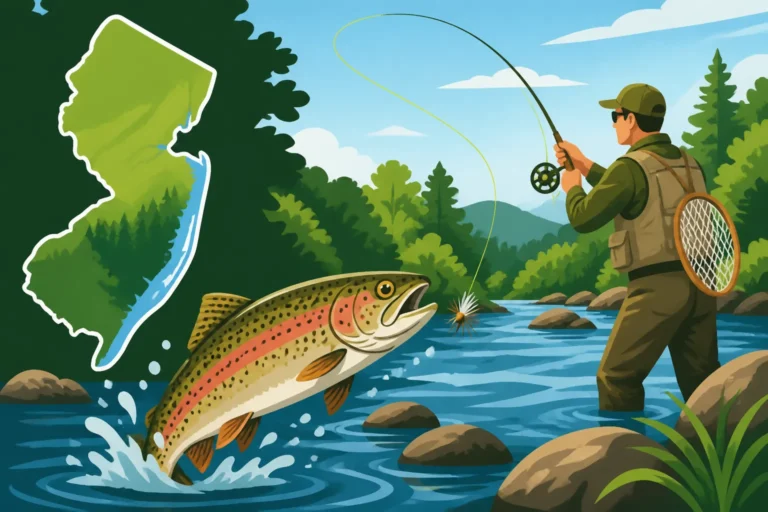
Another exciting aspect is the quality of the fish. Often, the trout stocked in the fall are larger and more mature than their spring counterparts. The New Jersey Division of Fish and Wildlife specifically raises or acquires these fish to provide a robust angling experience. While the exact species can vary, you can typically expect a healthy mix of rainbow trout, and sometimes brown trout, to be introduced into the designated waters. These fish are feisty, well-conditioned, and put up a fantastic fight, making every catch feel like a true accomplishment. It's a chance to hook into some real beauties that have a bit more size and strength than those little guys you might remember from April. To truly appreciate the contrast, check out our guide on the New Jersey Trout Season: Spring vs Fall.
Locating Official Fall Trout Stocking Dates and Waters
Knowing the fall trout stocking dates and locations is paramount to a successful autumn fishing trip. Unlike the relatively fixed schedule of spring stocking, fall dates can sometimes be a bit more dynamic, influenced by water temperatures, staffing availability, and the delivery of fish. However, the New Jersey Department of Environmental Protection (NJDEP) Fish & Wildlife website is your ultimate and most reliable resource for all official announcements. This online portal provides the most up-to-date information, often with weekly updates detailing which waterbodies have been or will be stocked.
When you navigate to the NJDEP Fish & Wildlife website, look for the "Freshwater Fishing" section and then delve into the "Trout Stocking" details. They typically provide an interactive map or a downloadable list, organized by county, showing exactly which streams, rivers, and lakes are receiving trout. This specificity is incredibly helpful, allowing you to pinpoint locations near you or plan a trip to a favorite spot. It’s not just a general list; it will often include specific stretches of rivers or particular access points for lakes, giving you the kind of hyper-local detail you need. For those who prefer a physical reference, the official New Jersey Fish and Wildlife Digest: Where to Find the Current Rules is also released annually and can provide an overview, though the website remains the most current for real-time changes.
Beyond the official website, local tackle shops and bait stores are goldmines of information. These small businesses are often frequented by the very people involved in the stocking efforts or by local anglers who keep a close eye on the schedule. They can provide anecdotal insights, tell you which spots have been fishing well, and offer advice on bait and techniques specific to newly stocked waters in the fall. Many even display printed copies of the stocking schedules. Online fishing forums dedicated to New Jersey angling are another fantastic community resource where fellow enthusiasts share observations and updates. Remember, while social media can be quick, always cross-reference information with the official NJDEP site to ensure accuracy.
Example Fall Trout Stocking Information (Hypothetical)
To give you an idea of how the information might be presented, here's a hypothetical table showing some common fall stocking locations and potential stocking periods. Please remember to always check the official NJDEP Fish & Wildlife website for the most current and accurate dates, as these are subject to change based on conditions.
| County | Waterbody (Example) | Primary Fish Species | Typical Fall Stocking Period | Notes |
|---|---|---|---|---|
| Bergen | Ramapo River | Rainbow Trout | Mid-October to Mid-November | Popular, easy access points. |
| Morris | Lake Hopatcong | Rainbow Trout, Brown | Early October to Early November | Often receives larger fish, good boat access. |
| Hunterdon | Raritan River (South Br.) | Rainbow Trout | Late September to Mid-October | Excellent for fly fishing. |
| Sussex | Wawayanda Lake | Rainbow Trout, Brown | Mid-October to Late October | Designated "Trophy Trout Lake". |
| Warren | Pequest River | Rainbow Trout | Early October to Early November | Site of the Pequest Trout Hatchery. |
| Mercer | Assunpink Lake | Rainbow Trout | Mid-October | Accessible for shore anglers. |
This table highlights the diversity of waters involved, from rivers to large lakes. The "Typical Fall Stocking Period" is a broad estimate; actual dates are often specific weeks or even days, so continuous checking of the official website is crucial. For information on what makes certain lakes stand out, our guide on What Is a Trophy Trout Lake in New Jersey? could be a helpful read.
Essential Gear and Tactics for Fall Trout Fishing
Fishing for newly stocked trout in the fall requires a slight adjustment in your approach compared to the spring or summer. While the core principles remain the same, understanding the fish's behavior in cooler water and selecting the right gear can significantly improve your success rate. These fish are fresh from the hatchery, meaning they are accustomed to a particular diet and tend to be quite active, especially in the days immediately following their release.
When it comes to tackle, lighter is often better. A light to ultra-light spinning rod, typically in the 5 to 6-foot range, paired with a small spinning reel spooled with 4-6 pound test monofilament or fluorocarbon line, is ideal. This setup allows for delicate presentations, which can be key when the fish are a bit wary. Trout have excellent eyesight, and heavy line can be a deterrent. You don't need fancy, expensive gear; a good quality, affordable rod and reel combo can be found on Amazon or at your local tackle shop. For a more in-depth look at what to bring, consider our article on Best New Jersey Fishing Gear for Beginners.
Bait selection for fall stocked trout isn't dramatically different from spring, but presentation is key. Popular choices include:
- PowerBait or Trout Magnets: These artificial dough baits come in various colors and scents and are a staple for stocked trout. Bright colors like chartreuse, orange, and rainbow are often very effective. Molding them around a small treble hook, just large enough to float off the bottom, is a classic presentation.
- Live Bait: Garden worms, mealworms, and fathead minnows are all excellent natural options. Fished under a small bobber or on a light Carolina rig (a small split shot a foot or so above the hook), they can be irresistible.
- Small Spinners and Spoons: Brands like Panther Martin, Mepps, and Acme Little Cleo in sizes #0 to #2 are fantastic for actively searching for fish. Vary your retrieve speed and depth until you find what triggers a bite.
- Flies: For the fly anglers, small nymphs (e.g., Pheasant Tail, Hare's Ear), midge patterns, and even tiny streamers can be very productive, especially in streams and rivers where trout might be more naturally inclined to feed on aquatic insects. Our guide on New Jersey Trout Fishing Techniques offers more details for fly and spin anglers alike.
Remember that these newly stocked fish are often disoriented for a short period after release. They might school up in certain areas or cling to structure. Pay attention to deeper pools, eddies, and areas with submerged logs or rocks. These spots offer cover and a sense of security. Don't be afraid to move around and try different spots until you find where the fish are holding.
Understanding Regulations and Ethical Practices in Fall Trout Fishing
Beyond knowing when and where to fish, it's equally important to understand the regulations and uphold ethical angling practices, especially when targeting stocked trout in the fall. New Jersey has specific rules designed to manage its fisheries sustainably, and adhering to them ensures everyone can enjoy this fantastic resource.
First and foremost, you'll need a valid New Jersey fishing license. This is non-negotiable for most anglers aged 16 and older. In addition to the general fishing license, if you plan to fish for trout, you'll also need to purchase a New Jersey Trout Stamp. This stamp is an additional endorsement that directly funds the state's trout stocking programs, including the fall releases. Even if you're just planning a quick trip, ensure you have both. You can find all the details in our comprehensive guide, New Jersey Trout Stamp Requirements Explained, and learn more about its purpose in New Jersey Trout Conservation Stamp Explained.
Beyond licensing, pay close attention to the specific regulations for the waterbody you are fishing. While fall stocking typically means waters are open, always double-check for any local closures, special size limits, or daily creel limits that might apply to that particular lake or stream. The New Jersey Freshwater Fishing Regulations Every Angler Should Know outlines these rules in detail. For instance, some lakes might have "Trophy Trout Lake" regulations with different size and bag limits compared to general trout waters. It's also vital to practice responsible angling. This means:
- Respecting Bag and Size Limits: Only keep the legal number of fish within the legal size range.
- Proper Catch and Release: If you're not keeping a fish, handle it gently, minimize its time out of water, and release it carefully to maximize its survival chances.
- Leave No Trace: Pack out everything you pack in. This includes discarded fishing line, bait containers, and any other trash. Preserving the beauty of our natural spaces is every angler's responsibility.
Finally, be courteous to your fellow anglers. Stocking days can still draw a crowd, even in the fall. Give others space, avoid casting over their lines, and share information respectfully. The fall season is a special time on New Jersey's waters, and maintaining a positive, ethical environment ensures that everyone can enjoy the peace and thrill of trout fishing.
Disclaimer
The information provided in this guide is for general informational purposes only and is subject to change. Always consult the official New Jersey Department of Environmental Protection (NJDEP) Fish & Wildlife website or their official publications for the most current and accurate fishing regulations, stocking schedules, and licensing requirements before planning your trip. Fishing conditions and fish behavior can vary greatly, and past success does not guarantee future results.