Best Bait for Opening Day Trout
Opening day of trout season in New Jersey is practically a holiday for many anglers, a long-awaited chance to get out on the water after a chilly winter. But if you’ve ever found yourself standing by a freshly stocked stream or pond, watching others reel in fish while your line stays still, you know the frustration. The secret often lies not just in where you cast, but what you're casting. This guide will walk you through the very best baits for opening day trout in New Jersey, giving you the edge you need for a successful and memorable start to the season.
Understanding New Jersey's Opening Day Trout Fishery
New Jersey's trout season opener is a unique event, distinct from fishing for wild, stream-born trout. The vast majority of fish you'll encounter on opening day are hatchery-raised, meaning they've lived their lives in a controlled environment, eating fish pellets. This background profoundly influences their behavior and, critically, their feeding preferences once they hit natural waters.
Why Opening Day is Different
When you head out for opening day, you're not typically dealing with wary, wild trout that have been evading predators and foraging for natural insects their entire lives. Instead, you're fishing for "stockies" – trout that were quite literally dumped into the water system just days or even hours before the season opens. Their primary instinct, especially right after stocking, isn't necessarily to hunt for bugs. It's often to eat what's familiar or what stands out. This is why traditional dry fly patterns, while beautiful, might not be your most effective strategy on day one. The water temperature, which can still be quite cold in early spring, also plays a huge role in how active these fish are and what they're willing to chase. They're often lethargic, conserving energy, and looking for an easy meal.
The "Stockie" Mentality
Think about it from a hatchery trout's perspective. One day, you're in a concrete raceway, and food pellets drop like clockwork. The next, you're in a vast, open river or lake with strange currents, new sounds, and a whole new buffet of natural insects and forage you've never seen. It's a disorienting experience, to say the least. Because of this, recently stocked trout often react well to baits that are brightly colored, have a strong scent, or are presented in a way that mimics those familiar pellets or offers minimal effort to consume. They haven't yet learned to be wary of hooks or lines, making them surprisingly eager to grab something that looks or smells appealing and doesn't require a lot of energy to pursue. Understanding this "stockie" mentality is key to choosing the right bait and presentation.
Factors Influencing Bait Choice
While the "stockie" mentality is a great starting point, other environmental factors will fine-tune your bait selection. Water temperature is paramount; colder water generally means less active fish, favoring slower, more scent-driven baits. If the water has warmed slightly, you might find success with small, flashy lures that trigger a reactionary strike. Water clarity also plays a significant role. In stained or murky water, brightly colored or heavily scented baits become critical to help fish locate your offering. In crystal-clear waters, more natural-looking baits and lighter lines might be necessary to avoid spooking the fish. Finally, consider fishing pressure. Opening day spots, especially popular ones listed in the New Jersey Spring Trout Stocking Start Date announcements, can get crowded. If fish have seen a lot of bright PowerBait, sometimes switching to a more subtle, natural presentation can make all the difference.
Top Baits for Opening Day Trout in New Jersey
When it comes to tempting New Jersey's opening day trout, you want baits that hit the sweet spot of familiarity, scent, and visual appeal for hatchery-raised fish. Forget the notion that trout are always finicky; these "stockies" often respond to straightforward, proven tactics.
PowerBait and Scented Dough Baits
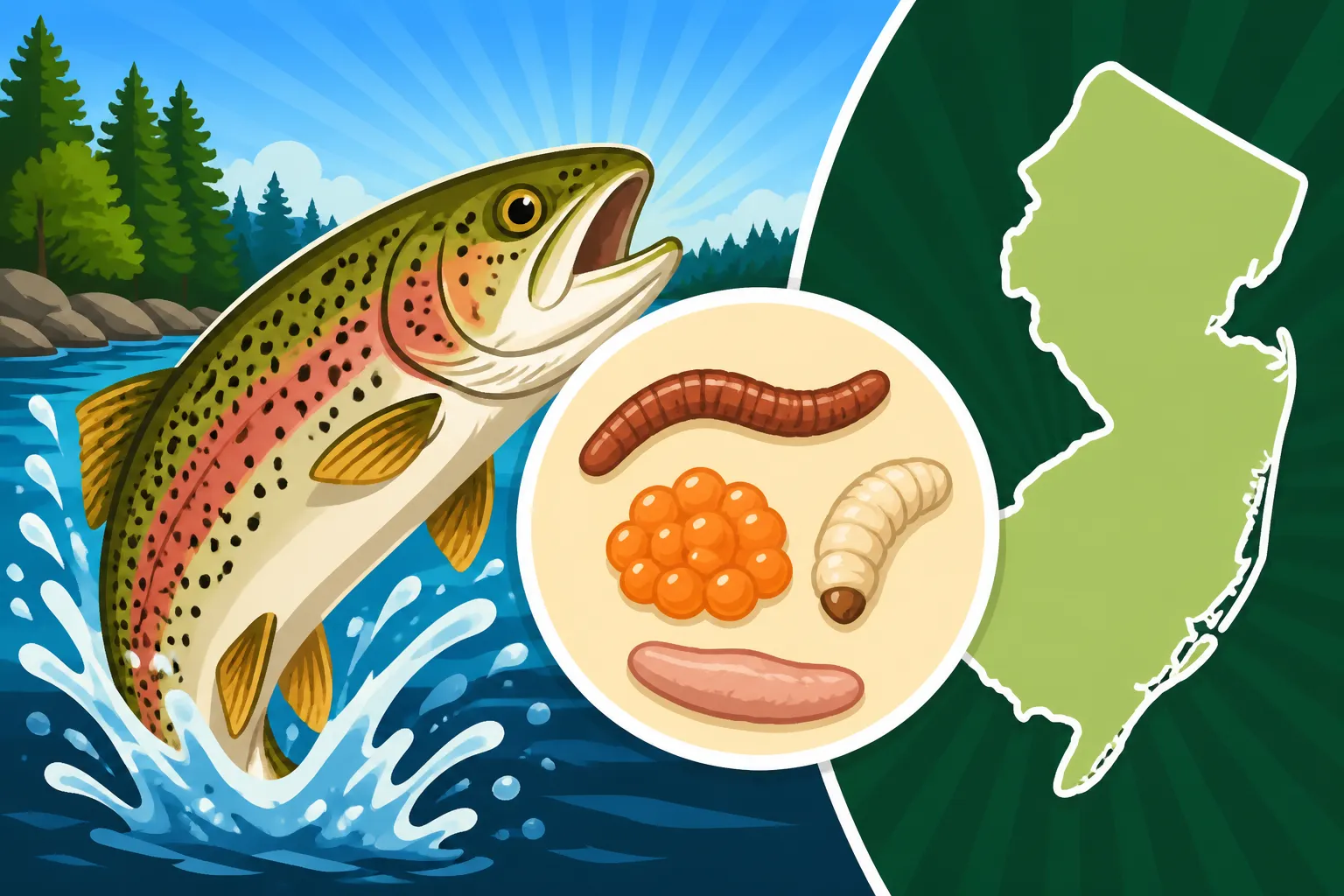
Without a doubt, PowerBait and other scented dough baits are king for opening day trout in New Jersey. They are specifically formulated to appeal to hatchery fish, leveraging their past feeding experiences and keen sense of smell. These baits come in an astonishing array of colors, from vibrant chartreuse and neon orange to more natural shades, often with glitter infused for added flash.
The magic of PowerBait lies in a few key features. First, the scent is incredibly potent, designed to mimic or amplify food sources that hatchery fish recognize. Second, many PowerBait varieties are buoyant. When rigged correctly, they'll float off the bottom, putting them directly in the feeding zone, often above weeds or debris that might obscure a bottom-fished bait. This buoyancy also makes them more visible to less active fish. Third, the dough consistency allows you to mold it around a hook, completely concealing it, which can be crucial for enticing hesitant biters. You can find a huge variety of PowerBait forms, from soft, moldable dough to pre-formed nuggets, and even PowerBait eggs that look like natural fish roe. Many anglers stock up on different colors from retailers like Amazon to have options for various water conditions.
Rigging Tips for PowerBait: The most common and effective way to rig PowerBait is with a small treble hook (sizes 10-14 work well) and a small egg sinker above a swivel. Tie a leader (18-24 inches of 4-6 lb fluorocarbon or monofilament) to the swivel, then the hook. Mold enough PowerBait to completely cover the hook, forming a small, pea-sized ball. The egg sinker allows for casting distance and holds the bait in place, while the buoyant PowerBait floats up, dancing in the current. This setup is incredibly effective in rivers, streams, and lakes.
Live Bait Classics: Worms and Minnows
While PowerBait is a manufactured marvel, sometimes nothing beats the natural appeal of live bait. Worms, in particular, are a universal fish attractant and can be incredibly effective for trout, especially as they start to acclimate to their new environment and forage more naturally. Minnows are another excellent choice, particularly for targeting larger, more aggressive trout.
Worms: Nightcrawlers, mealworms, and wax worms are the go-to options. Nightcrawlers offer a substantial meal and their wriggling action is irresistible. Thread a small section onto a size 8 or 10 single hook, leaving a tail to squirm. Mealworms and wax worms, smaller and often brighter, are fantastic for panfish-sized trout and can be fished on tiny hooks (size 12-16) either under a bobber or with a small split shot. The natural scent and movement of live worms are hard to beat, particularly if the trout are starting to show a preference for natural forage, as discussed in What Do Stocked Trout Eat?. You can even order bulk mealworms or waxworms online from Amazon, ensuring you have a fresh supply.
Minnows: For bigger trout, live minnows are often the ticket. Shiners or fathead minnows, hooked lightly through the back or lips, can entice more aggressive strikes. Fish them under a bobber in still water or with a very light split shot in slow currents. Just be sure to check local regulations on minnow use, as some waters have restrictions.
Artificial Lures: Spinners and Spoons
For anglers who prefer an active approach and enjoy the thrill of a fish striking a moving target, small artificial lures can be incredibly productive. Spinners and spoons create flash and vibration that can trigger a predatory response, even from recently stocked trout.
Spinners: Small inline spinners like the classic Mepps Aglia, Panther Martin, or Rooster Tail are highly effective. Their spinning blade creates visual flash and a subtle vibration in the water, mimicking fleeing baitfish or insects. Sizes 0, 1, or 2 are typically perfect for trout. Cast them across or slightly upstream in a river and retrieve slowly, just fast enough to make the blade spin. In lakes, a steady retrieve works wonders. These are excellent choices for anglers using New Jersey Trout Fishing Techniques that involve covering water.
Spoons: Small casting spoons such as the Kastmaster or Little Cleo, usually in 1/8 to 1/4 ounce sizes, are another great option. Their wobbling action and reflective surface imitate wounded baitfish. Gold, silver, or brightly colored patterns work well. Cast them out and retrieve with a slow, erratic twitch, allowing them to flutter on the fall. Both spinners and spoons can be found in a huge variety of colors and sizes on Amazon, making it easy to experiment.
Marshmallows and Corn: The Unexpected Choices
This might sound like something out of a campfire story, but ordinary marshmallows and canned corn are surprisingly effective baits for opening day trout. Their success ties directly back to the "stockie" mentality.
Marshmallows: Small, white marshmallows or even flavored mini-marshmallows can be deadly. Why? They're buoyant, just like PowerBait, floating your hook off the bottom. Their white color stands out against many stream or lake beds. And crucially, some theories suggest that the texture or shape might remind hatchery trout of the pellets they're accustomed to. They're also incredibly cheap and easy to carry. Simply pinch off a piece large enough to cover a small hook (size 10-14). You can even combine them with a small piece of worm for added scent and appeal.
Canned Corn: Sweet kernel corn, specifically, can also catch trout. Like marshmallows, it’s inexpensive, has a bright color, and a sweet scent. It's thought that the visual appeal and mild sweetness might attract trout, possibly because they mistake it for something familiar or simply find it intriguing. Hook a few kernels directly onto a small single hook (size 10-14). It works best in clearer water where its color can be easily seen. While not a primary bait for every angler, it's a fantastic backup or experimental bait, particularly when fishing some of the Best New Jersey State Park Ponds for Family Fishing where kids might enjoy using it.
Rigging and Presentation for Success
Having the right bait is only half the battle; knowing how to present it effectively is just as crucial. A perfect bait with a poor presentation will yield few bites. For opening day trout in New Jersey, simplicity and subtlety are often your best friends.
Essential Terminal Tackle
Before you even think about bait, make sure your terminal tackle is up to snuff. This refers to all the bits and pieces at the business end of your fishing line. For trout, light tackle is generally preferred. You'll want:
- Hooks: Small, sharp hooks are paramount. Sizes 8 to 14 are ideal for most baits. Use single hooks for worms, corn, or small pieces of PowerBait. Small treble hooks (size 10-14) are excellent for molding PowerBait around, as they offer multiple points for a solid hookset.
- Line: Light monofilament or fluorocarbon line (4-6 lb test) for your main line and leader is highly recommended. Fluorocarbon is less visible underwater, which can be an advantage in clear water conditions.
- Sinkers: A selection of small split shot sinkers or egg sinkers (1/8 oz to 1/4 oz) will help you get your bait down to where the fish are holding.
- Swivels: Small barrel swivels (size 10-12) prevent line twist, especially when using spinners or when your bait might spin in the current. They also provide a clean attachment point for leaders.
- Bobbers/Floats: Small, sensitive bobbers are great for detecting subtle bites, especially when fishing worms or PowerBait in still or slow-moving water.
Simple Setups for Various Baits
Keeping your rigging simple and effective will increase your success rate and minimize frustration.
PowerBait/Scented Dough Bait Rig:
This is your most versatile setup for these buoyant baits.
- Thread a small egg sinker (1/8 oz to 1/4 oz, depending on current/depth) onto your main line.
- Tie your main line to one end of a barrel swivel.
- Tie an 18-24 inch leader of 4-6 lb test fluorocarbon or monofilament to the other end of the swivel.
- Tie a small treble hook (size 10-14) to the end of your leader.
- Mold your PowerBait around the treble hook, completely covering it, into a pea-sized ball.
This rig allows the sinker to hold the bottom while the buoyant bait floats up, presenting itself naturally above the debris.
Live Bait (Worm) Rig:
For a natural presentation, a simple rig works best.
- Tie a small single hook (size 8-10) directly to your main line or a short leader (12-18 inches) attached to a swivel.
- Crimp one or two small split shot sinkers about 6-12 inches above the hook. Adjust the weight based on current.
- Hook your worm once or twice, leaving plenty of it to wiggle.
This setup is subtle and allows the worm to drift naturally with the current, mimicking an errant insect. When using this rig, consider the advice in New Jersey Trout Fishing Techniques for stream presentations.
Artificial Lure Presentation:
When using spinners or spoons, eliminate any additional weight.
- Tie your lure directly to your main line, or use a small snap swivel for quick changes.
- Cast your lure and immediately begin a slow, steady retrieve. For spinners, you want just enough speed to get the blade spinning. For spoons, a slight pause or twitch during the retrieve can add an enticing flutter.
- Vary your retrieve speed and depth until you find what the fish are responding to.
Reading the Water and Adjusting Your Approach
Knowing where to cast and how to present your bait often trumps the bait choice itself. Trout, especially stocked trout, will congregate in certain areas. Look for slower pools, eddies behind rocks or fallen trees, deeper bends in rivers, or points and drop-offs in lakes. These areas offer shelter from strong currents and often hold slightly warmer water.
In rivers and streams, cast slightly upstream and allow your bait to drift naturally downstream with the current. Keep your line tight enough to feel a bite but loose enough for a natural drift. In lakes or ponds, cast near structure (like submerged trees or weed lines) or simply fan cast around the area, varying your retrieve depth until you find where the fish are holding. Don't be afraid to experiment with different baits and presentations. If one isn't working, switch it up! Sometimes a simple change in color or moving from a scented bait to a flashy lure can make all the difference. Remember, New Jersey's trout streams are incredibly diverse, so adapting your approach is key.
Beyond the Bait: Other Opening Day Considerations
While bait is crucial, a successful opening day experience encompasses more than just what's on your hook. Understanding where to go, when to go, and what regulations to follow will significantly boost your chances.
Location, Location, Location
New Jersey's Division of Fish and Wildlife does an incredible job stocking hundreds of thousands of trout across the state, but not every water body gets the same treatment. For opening day, you'll want to focus on waters that are heavily stocked. These are usually publicly accessible lakes, ponds, and rivers that are easily found on the official stocking schedules. Checking the New Jersey Spring Trout Stocking Start Date announcements and maps is essential. You'll often find that trout congregate in slower, deeper sections of rivers, especially after being released, as they seek refuge from strong currents. In lakes and ponds, target inlets, outlets, and areas with submerged structure. Don't overlook smaller, often overlooked ponds that might get stocked; these can be fantastic for finding less pressured fish and are excellent spots for families, perhaps even those listed in Best New Jersey State Park Ponds for Family Fishing.
Timing and Conditions
Opening day invariably sees a surge of anglers, so timing can give you an edge. Early morning, right at legal sunrise, is often the most productive time. Fish are typically more active and less pressured, especially immediately after stocking. Overcast days with light rain can also be fantastic, as the reduced light makes trout feel more secure and less wary. Keep an eye on the weather and water conditions. Extreme cold or heavy runoff from recent rains can make fishing tough. While the New Jersey Trout Season Preseason Closure Explained prevents fishing before the opener, once the season begins, understanding how current weather impacts fish behavior is vital. Remember, these stocked fish are still adjusting, so sudden changes in their environment can affect their bite.
Regulations and Gear
Before you even leave the house, ensure you're squared away with all the necessary licenses and permits. In New Jersey, anyone aged 16 to 69 needs a valid New Jersey fishing license to fish freshwater. Furthermore, if you plan to fish for trout, you'll also need a separate New Jersey Trout Stamp Requirements Explained endorsement. These are not optional and conservation officers will be out checking on opening day. You can easily purchase your license and trout stamp online or at authorized retailers. For a complete overview of requirements, consult the New Jersey Fishing License Guide for 2026. Beyond licenses, make sure your gear is ready: a light to medium-light spinning rod (5-7 feet) paired with a 1000-2500 series reel spooled with 4-6 lb test line is ideal. Don't forget a small tackle box with your chosen baits, extra hooks, sinkers, and a pair of pliers for hook removal.
Bait Comparison for Opening Day Trout
To help you make an informed decision, here's a quick comparison of the top baits for New Jersey's opening day trout:
| Bait Type | Pros | Cons | Best Use |
|---|---|---|---|
| PowerBait | Strong scent, buoyant, wide color range, easy to use | Can be messy, not "natural" | All water types, especially for recently stocked, pellet-fed trout |
| Nightcrawlers | Natural appeal, strong scent, irresistible action | Can be delicate, keeping them alive requires care | All water types, good for slightly more acclimated trout |
| Meal/Wax Worms | Great for smaller trout, easy to handle, natural scent | Smaller profile, less appealing to larger trout | Smaller streams, ponds, good for kids |
| Spinners/Spoons | Active fishing, covers water, triggers reaction strikes | Requires active retrieval, less effective for lethargic fish | Clearer water, more aggressive trout, covering larger areas |
| Marshmallows | Buoyant, inexpensive, stands out visually, easy to rig | Lacks natural scent, less durable on the hook | Still waters, as an experimental bait or added to worms |
| Canned Corn | Inexpensive, bright color, sweet scent, easy to rig | Lacks natural movement, less durable on the hook | Clearer water, still ponds, a good backup bait or for panfish |
Disclaimer
The information provided in this guide is for general informational purposes only and is not intended as legal advice. Fishing regulations in New Jersey, including licensing requirements, bag limits, and season dates, are subject to change. It is the angler's sole responsibility to consult the most current New Jersey Fish and Wildlife Digest or visit the official New Jersey Department of Environmental Protection (NJDEP) website before engaging in any fishing activities. Failure to comply with regulations can result in penalties. Always prioritize safety while fishing and practice ethical angling.