Do You Need a Boat to Fish New Jersey’s Bays?
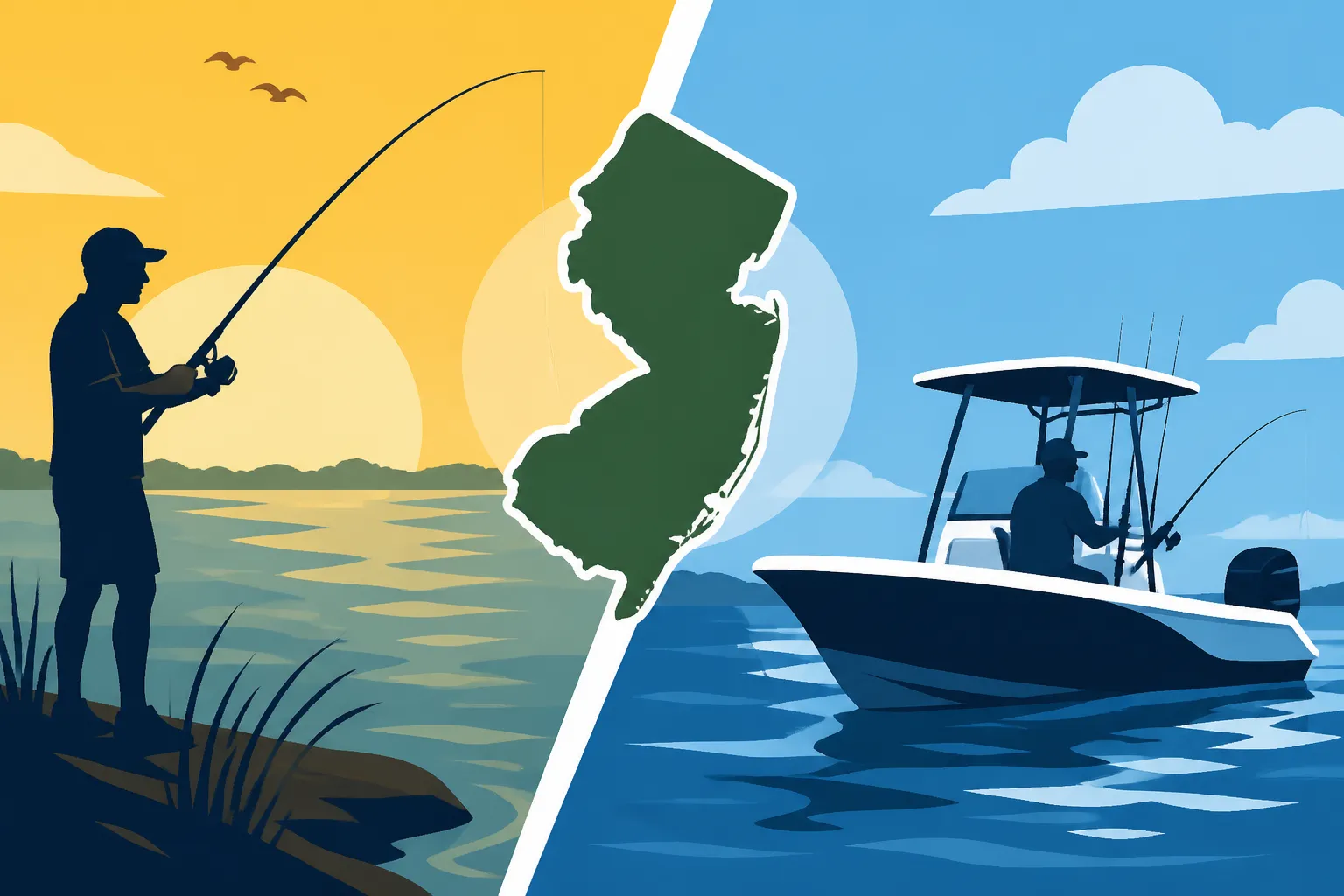
It’s a common frustration for many aspiring anglers in the Garden State: you look out at the beautiful, expansive waters of Barnegat Bay or Raritan Bay, teeming with life, and think, "I can't possibly fish that without a fancy boat." This belief often stops people from even trying, leading them to miss out on incredible fishing opportunities. But here's the good news: you absolutely do not need a large powerboat to effectively fish New Jersey's bays. This guide will walk you through all the ways you can enjoy bay fishing, often with nothing more than a rod, a reel, and your own two feet, or a small paddle craft.
The Myth of "Boat-Only" Bay Fishing in New Jersey
For a long time, there's been this pervasive idea that if you want to seriously fish the bays of New Jersey, you have to own a boat. Maybe you've seen countless social media posts showing anglers on expensive center consoles, or perhaps you've simply absorbed the notion that "real" bay fishing happens offshore. It's a daunting thought, especially when you consider the cost, maintenance, and logistics involved in owning a boat. This misconception often leaves newcomers feeling shut out, or experienced freshwater anglers hesitant to venture into the saltwater world. But let me assure you, this couldn't be further from the truth. New Jersey's bays offer a wealth of opportunities for those who prefer to keep their feet on solid ground or paddle their way into the action.
Why Many Anglers Believe They Need a Boat
The perception that a boat is essential for bay fishing isn't entirely baseless. Many popular fishing shows and magazines tend to highlight offshore or deep-water bay fishing, which naturally requires a vessel. There’s also the sheer size of bays like Barnegat Bay or Great Egg Harbor Bay; looking across miles of water, it’s easy to assume that the fish are out there in the middle, far from shore. Combine this with the visibility of large charter boats and party boats constantly heading out from marinas, and it reinforces the idea that shore-based access is limited or simply less effective. People often feel that to reach the "good spots" – the deeper channels, the mussel beds, or the hidden oyster reefs – a boat is the only way. This can be especially frustrating for those on a budget or without the means to trailer and launch a boat.
Another factor is simply habit. Many anglers who grew up fishing the bays had family members with boats, or they started by going out on a friend's vessel. They’ve seen firsthand how a boat allows you to cover vast amounts of water quickly, chasing down blitzing bluefish or searching for fluke over expansive flats. It’s hard to break from that mindset once it's ingrained. Furthermore, some of the most prominent tournaments or record catches are often made from boats, leading to an unconscious bias that equates success with boat ownership. This can discourage an otherwise enthusiastic angler from exploring the diverse, accessible options available right under their noses.
The Reality: Abundant Shore Access Points
Thankfully, the reality is far more encouraging! New Jersey is blessed with countless miles of bay shoreline, public piers, jetties, bridges, and even vast stretches of marshland that are perfectly fishable without ever stepping foot on a powerboat. From the bustling fishing piers of places like Point Pleasant and Belmar to the quieter, more secluded coves accessible by kayak in the back bays of Cape May, the opportunities are everywhere. Many of our bay systems, like the Navesink River, Raritan Bay, and sections of the Mullica River, are tidal estuaries with fish holding in surprisingly shallow waters close to banks, bridges, and docks.
Think about the structure that attracts fish: submerged rocks, docks, bridge pilings, grass beds, and sudden depth changes. Many of these features are within casting distance from shore or easily reached by a kayak or even by wading. For instance, sections of the Barnegat Bay offer fantastic fluke fishing from numerous public access points along causeways and in state parks. The key is knowing where to look and how to approach these spots. It might not be as glamorous as a big center console, but it's often just as productive, more affordable, and provides a uniquely satisfying connection to the water. Don't let the "boat myth" deter you from exploring the incredible fishing New Jersey's bays have to offer.
Top Ways to Fish New Jersey's Bays Without a Powerboat
So, if you don't need a boat, what are your options? Plenty! New Jersey's bays are incredibly diverse, offering a range of fishing experiences for anglers of all mobility levels and preferences. From small, nimble paddle craft to sturdy structures that extend into the water, you can target nearly every bay species without the need for an engine. It’s all about leveraging the available access and understanding how fish relate to the shore and shallow water features.
Kayaks and Canoes: Your Personal Bay Explorers
For many, a kayak or canoe is the ultimate "un-boat" option for bay fishing. These small, relatively inexpensive vessels offer an incredible amount of freedom and access that larger boats simply can't provide. You can quietly paddle into shallow marsh creeks where striped bass love to ambush baitfish, drift silently over productive fluke grounds in areas too skinny for prop boats, or explore hidden oyster bars for tautog. The portability means you can launch from nearly any shoreline or small public ramp, avoiding crowded marinas and launch fees. Modern fishing kayaks, especially those with pedal drives, are incredibly stable and efficient, allowing you to cover significant distances and even stand to cast.
When choosing a kayak for bay fishing, consider stability, storage for your gear, and how easily you can transport it. You'll also want to look into Best Kayak for Bay Fishing specifically designed for anglers, often featuring rod holders, gear tracks, and comfortable seating. While they require a bit more effort than a powerboat, the stealth and direct connection to the environment are unparalleled. Just remember to always prioritize safety by wearing a personal flotation device (PFD) and checking weather and tides before heading out. Knowing How to Fish From a Kayak Safely in Open Bays is crucial, especially in busy channels or when winds pick up.
Piers, Docks, and Jetties: Easy Walk-On Access
If paddling isn’t your style, New Jersey’s bays are dotted with numerous public piers, docks, and rock jetties that provide excellent fishing opportunities. These structures often extend into deeper water or create current breaks and habitat that attract fish. Piers at places like Keyport, Leonardtown, and even smaller municipal parks along the Navesink River or Barnegat Bay are fantastic for targeting snapper blues, blowfish, kingfish, and even striped bass and fluke at certain times of the year. You can cast out bucktails, drop a high-low rig with bait, or even try some jigging.
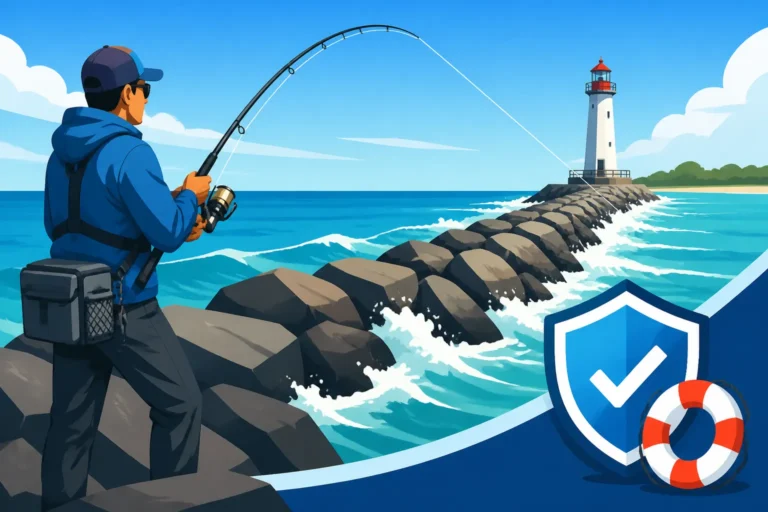
Jetties, like those found at the mouths of inlets such as Manasquan Inlet or Shark River Inlet, offer prime positions to intercept migratory fish. They provide structure that attracts baitfish, which in turn draws in predators. While some jetties require a bit of rock-hopping skill, many are relatively easy to walk on and position yourself for a good cast. Fishing from these structures can be incredibly productive, allowing you to access fish that are just passing through or holding tight to the rocks. Always be mindful of your footing on wet or algae-covered rocks, and be aware of boat traffic, especially near inlets. Many anglers have phenomenal success targeting Barnegat Bay Bluefish and Fluke Spots or even Raritan Bay Striped Bass Spots from accessible public piers and jetties.
Surf Fishing the Bay Shores: Wading and Casting
Believe it or not, surf fishing isn't just for the ocean beaches. Many parts of New Jersey's bays have sandy or muddy shorelines that are perfect for wading and casting. This is particularly effective in the shallower back bays and estuaries, where fluke, weakfish, and striped bass often cruise in search of baitfish. You might not be casting into crashing waves, but the subtle undulations of the bay can still hide significant fish. Think about areas with grass beds, submerged points, or sudden drop-offs near the shore. These are prime locations to present a soft plastic lure, a bucktail, or a piece of bait.
Wading allows you to get away from the immediate shore, extending your casting range and letting you explore small channels or pockets that might be holding fish. Waders are a game-changer for this type of fishing, keeping you dry and comfortable. Just be sure to always scout the bottom before wading too deep, as uneven terrain or sudden drop-offs can be dangerous. This method provides an incredibly immersive experience, connecting you directly to the bay ecosystem. You might be surprised at how many quality fish you can pull from these seemingly humble shorelines, often less than 100 yards from your car. For instance, knowing the best approach for How to Fish for Fluke in New Jersey from the bay shore can dramatically improve your success.
Essential Gear for Bay Fishing from Shore or Paddle Craft
Okay, so you've decided to hit the bays without a boat. Fantastic! Now, let's talk about what you'll need to bring. The good news is that shore and paddle craft fishing often require less specialized gear than offshore boating, making it more accessible to beginners. However, having the right equipment will make your experience more enjoyable and significantly increase your chances of success. You don't need to break the bank, but investing in a few key items will pay dividends.
Rods, Reels, and Line: Matching Your Target Species
The type of rod and reel setup you need will largely depend on what you're trying to catch. For general bay fishing from shore or a pier, a medium-heavy spinning rod, around 7 to 9 feet long, paired with a 4000-5000 series spinning reel is a versatile choice. This setup gives you enough backbone to handle a decent striped bass or bluefish, while still being light enough for fluke or weakfish. Spool your reel with 20-30 lb braided line, which offers superior casting distance and sensitivity, and add a fluorocarbon leader of about 20-40 lb test.
If you're primarily targeting fluke, a slightly lighter rod with a sensitive tip will help you feel those subtle bites. For chasing bigger striped bass from jetties or inlets, you might want to bump up to a 10-foot rod with a 6000 series reel for extra casting power and line capacity. Always rinse your rod and reel thoroughly with fresh water after each saltwater outing to prevent corrosion – saltwater is brutal on gear! You can find a good quality, affordable rod and reel combo on Amazon to get started, or visit your local tackle shop for personalized advice.
Baits and Lures: What the Bay Fish Are Eating
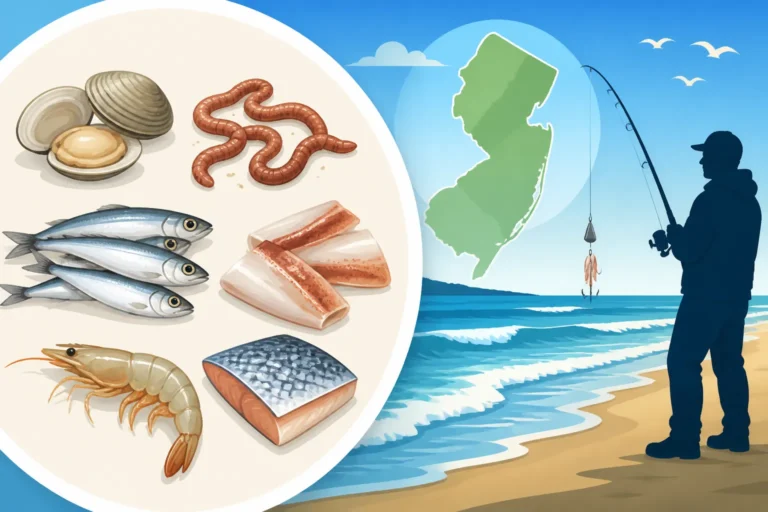
When it comes to baits and lures, matching the hatch is always a good strategy. New Jersey's bays are home to a variety of baitfish, including spearing, mullet, and peanut bunker. For bait fishing, live or fresh-cut bunker, mullet, or shedder crabs are excellent choices for striped bass and bluefish. Bloodworms and clam snot (a mixture of clam bellies) work wonders for weakfish, kingfish, and even smaller fluke. For fluke, Gulp! artificial baits, especially white or chartreuse swimming mullet or shrimp patterns, are incredibly effective, often out-fishing natural bait on a bucktail jig. You can also use live spearing or killies on a traditional fluke rig.
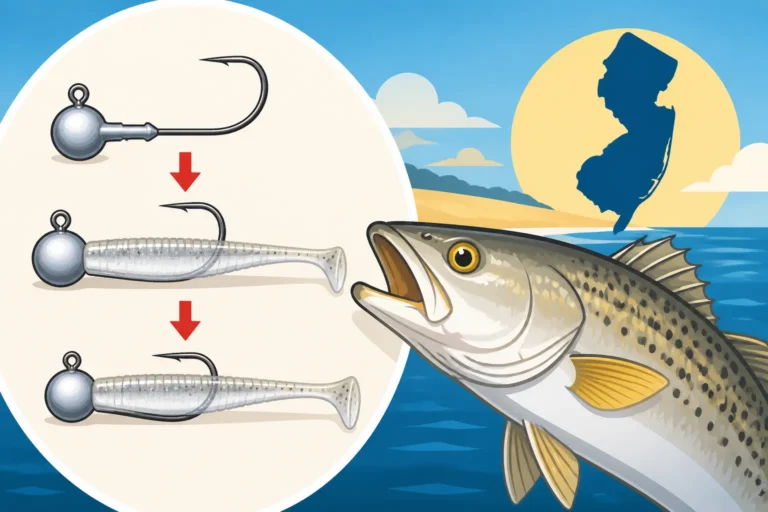
Lure-wise, bucktail jigs in various weights (from 1/2 oz to 2 oz depending on depth and current) are a staple for fluke and often picked up by striped bass. Soft plastic paddletails rigged on jig heads are fantastic for striped bass and weakfish, especially when fished around structure or grass beds. Small poppers or walk-the-dog lures can trigger exciting surface strikes from bluefish or smaller striped bass in the early mornings or late evenings. Always have a variety in your tackle box; what works one day might not work the next. It’s a good idea to research Best Bait for Fluke Fishing before you head out, and remember that local bait shops are treasure troves of information on what’s biting.
Waders, Carts, and Safety Gear: Enhancing Your Experience
Beyond your primary tackle, a few accessories can significantly enhance your bay fishing experience, especially when fishing from shore or a kayak.
- Waders: If you plan on wading the bay flats or marsh edges, a good pair of chest waders will keep you dry and comfortable, extending your time on the water. Neoprene waders are great for cooler weather, while breathable models are better for summer.
- Fishing Cart: For pier or jetty fishing, or even accessing secluded bay beaches, a robust fishing cart can save your back by hauling all your gear, including a cooler, rod holders, and tackle box. Many reputable brands offer sturdy beach carts on Amazon that can navigate sand and rough terrain.
- Cooler: Essential for keeping your bait fresh and your catch cold.
- Pliers/Forceps: For hook removal.
- Knife: For cutting bait or line.
- Headlamp/Flashlight: If you're fishing at dawn, dusk, or night, which can be prime times for striped bass.
- Sun Protection: Hat, sunglasses, and sunscreen are non-negotiable for sunny days on the water.
- First Aid Kit: For minor cuts and scrapes, which are common when handling hooks or walking on rocky jetties.
- PFD (Personal Flotation Device): Absolutely critical if you're fishing from a kayak or canoe, or even wading in deeper areas.
- Water/Snacks: Staying hydrated and energized is important, especially on longer trips.
Having these items ready will not only make your trip more enjoyable but also safer and more productive.
Navigating Regulations and Best Practices for Bay Fishing
Getting out on the water and catching fish is exciting, but it's crucial to do so responsibly and legally. New Jersey has specific regulations in place to protect its marine resources, and understanding them is part of being a good angler. Ignorance of the rules is never an excuse, and adhering to best practices ensures the health of the fishery for future generations.
Licensing and Registry Requirements
First and foremost, virtually all anglers fishing New Jersey's bays will need to be aware of the state's licensing and registration requirements. While there isn't a traditional "saltwater fishing license" in New Jersey, you absolutely need to comply with the New Jersey Saltwater Registry Explained program. This registry is free and quick to complete, and it's mandatory for all recreational anglers, including those fishing from shore, kayaks, piers, or private boats, who are targeting marine species. Even if you're only planning to fish for a few hours, getting registered is a simple step that avoids potential fines.
For those fishing in brackish areas or targeting freshwater species that might occasionally venture into the bays (like certain bass species in river mouths), a valid freshwater fishing license may also be required. It’s always best to check the current New Jersey Fish and Wildlife regulations, often found in their annual digest, to ensure you’re fully compliant. Remember, the New Jersey Conservation Police and License Checks do happen, even on the quietest back bays, so always carry proof of your registry or license.
Understanding Tides and Structure from Shore
Successfully fishing the bays without a boat often comes down to understanding two key factors: tides and structure. Tides dictate current flow, bait movement, and where fish will position themselves. A moving tide, whether incoming or outgoing, is almost always better than a slack tide. Fish use currents to ambush bait, so understanding when the tide is moving and where it creates eddies or choke points is vital. Learning How to Read Tide Charts for Better Fishing in New Jersey can transform your success rate. For instance, an incoming tide might push baitfish into a shallow bay pocket, while an outgoing tide might pull them out of a creek, making the mouth a prime ambush spot for striped bass.
Structure refers to any feature that attracts fish. This could be a rocky outcrop, a pilings from an old dock, a patch of submerged marsh grass, or a subtle change in bottom contour. When fishing from shore or a kayak, you need to "read" the water and the shoreline for these clues. Look for darker patches that indicate deeper water or grass, areas where current swirls, or points of land that jut out into the bay. These are all potential fish magnets. Don't just cast blindly; try to visualize what the bottom looks like and where a fish might be hiding.
Respecting Private Property and Conservation
As you explore the many public access points in New Jersey's bays, it's paramount to respect private property. Always be aware of property lines, "No Trespassing" signs, and avoid walking across private lawns or docks to get to a fishing spot. Stick to designated public access points, parks, and easements. Maintaining good relationships with local communities ensures that these access points remain open for all anglers.
Furthermore, practicing conservation is crucial. This includes adhering to all New Jersey Striped Bass Slot Limit Explained and New Jersey Fluke Size and Bag Limits Explained, which change periodically to ensure sustainable fish populations. If you're practicing catch and release, handle fish gently with wet hands and release them quickly. Avoid leaving trash behind; pack out everything you pack in. Consider using barbless hooks for easier release, especially if you're targeting fish you don't intend to keep. By being a responsible and respectful angler, you contribute to the health of New Jersey's bays and ensure that these fantastic fishing opportunities remain available for everyone.
Disclaimer
This article is for general informational purposes only and does not constitute professional advice. Laws, prices and regulations vary by location and change over time. Consult a qualified professional for guidance on your specific situation.