How to Chum for Sharks From the Beach
For many anglers in New Jersey, the dream of hooking into a powerful shark right from the sandy shoreline is incredibly appealing. But getting those magnificent creatures close enough to your line often involves the practice of "chumming," which can feel a bit mysterious, and even intimidating, if you've never done it before. This guide aims to demystify the process of how to chum for sharks from the beach, covering everything from understanding regulations to essential gear and crucial safety tips, so you can approach this exciting form of fishing with confidence and responsibility.
Understanding the Legality and Ethics of Shark Chumming in New Jersey
Before you even think about tossing that first chunk of bunker into the ocean, it's absolutely vital to understand the rules and responsible practices surrounding shark fishing and chumming in New Jersey. The waters off our coast are home to many species, some protected, some highly regulated, and all deserving of respect. Ignoring these guidelines isn't just irresponsible; it can lead to serious penalties.
New Jersey's Regulations on Chumming and Shark Species
First things first: Is chumming for sharks from the beach even allowed in New Jersey? Generally speaking, the act of chumming itself is not explicitly prohibited for recreational anglers in New Jersey's marine waters, unlike some other states or specific freshwater bodies. However, the methods you use, the species you might attract, and what you do with them once caught, are all heavily regulated. This is where it gets a bit nuanced.
You'll need to familiarize yourself with the specific rules regarding shark species, as many, like sand tiger sharks, are federally protected and must be immediately released without being removed from the water. Others, like certain types of dogfish, might be more common but still have regulations. Always check the current New Jersey Fishing Regulations Every Angler Should Know or the official New Jersey Fish and Wildlife Digest to stay updated. This digest is your bible for all things fishing in the state, outlining protected species, size limits, and any gear restrictions. For instance, circle hooks are often required when fishing with bait for certain species, a detail critical for ethical shark fishing to reduce gut-hooking. Knowing these rules helps ensure you're contributing to conservation efforts, not hindering them. You also need to be aware of the Legality of Shark Fishing From New Jersey Beaches and any specific local ordinances that might apply to the particular beach you're planning to fish.
Responsible Angler Practices
Beyond the letter of the law, there's the spirit of responsible angling. Chumming from the beach can attract sharks closer to shore, which, while exciting for you, can also create potential conflicts with swimmers, surfers, and other beachgoers. It's crucial to choose your location and timing wisely. Fishing during off-peak hours or in less crowded areas is always a good idea. Inform others nearby of your intentions, if appropriate, or simply set up shop where you have ample space.
Furthermore, proper handling of any shark you might catch is paramount. Even if a species is legal to keep, many shark anglers practice catch and release to support healthy populations. If you do catch a shark, try to minimize the fight time, keep it in the water as much as possible, and use de-hooking tools. Never drag a large shark onto the dry sand, as this can severely injure the animal. Think of yourself as an ambassador for the sport. Your actions reflect on all anglers, so practicing good sportsmanship and conservation is key.
Essential Gear and Supplies for Beach Chumming
Alright, you've got the regulations down and your responsible angler hat on. Now, let's talk gear. Chumming from the beach isn't just about throwing fish scraps into the waves; it requires a thoughtful setup to be effective and safe. Having the right tools makes a world of difference, not just in your success, but in your overall experience.
Choosing Your Chum Delivery System
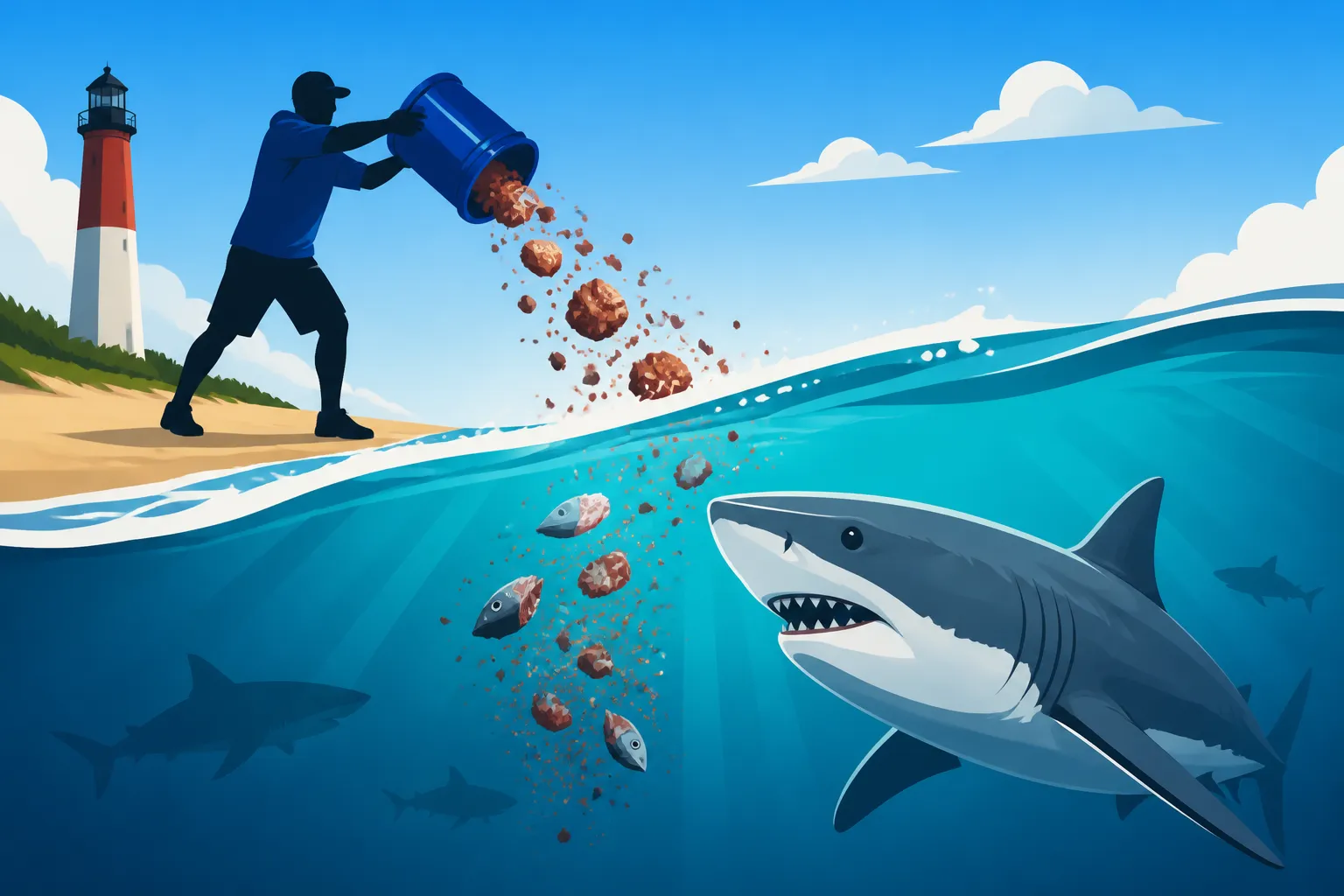
The core of beach chumming is, well, the chum itself, and how you deliver it. You can't just toss a bucket of cut-up bait into the surf and expect magic. A good chum delivery system disperses scent and small particles slowly and steadily.
- Chum Bags/Buckets: The most common setup involves a mesh chum bag or a specialized chum bucket. These are designed with holes or a mesh weave to allow the scent and small bits of ground bait to leach out with the current, creating a "chum slick" that attracts fish. You can find these readily at tackle shops or online retailers like Amazon. A robust chum bag should be made of durable mesh that can withstand the surf and the teeth of opportunistic fish trying to get an easy meal. For a bucket, look for one with plenty of holes drilled into it, and perhaps a lid to keep the contents contained until deployment.
- Deployment Method: For beach fishing, you'll need a way to get your chum bag or bucket out beyond the immediate surf zone, where the waves will just bash it around. This often means using a strong anchor, like a heavy pyramid sinker or a small anchor specifically for chumming, attached to the chum bag. You then connect a sturdy rope, often 50-100 feet long, to the bag and walk it out as far as you can, or even kayak it out if you have one. The rope allows you to retrieve the bag and bring it closer as the tide changes. A simple, yet effective method is to use a large, strong fishing rod to cast a weighted chum block out with a sinker, letting the current slowly carry the scent. Just remember to reel the line in periodically to ensure it doesn't drift too far or get snagged.
Bait and Chum Selection
The quality and type of your chum can drastically impact your success. Sharks are primarily attracted by scent and, to a lesser extent, visual cues from small particles.
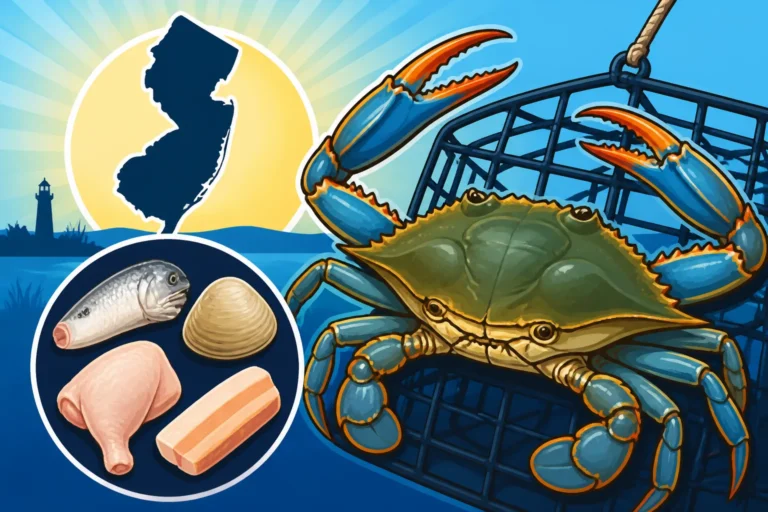
- Fresh is Best: When it comes to chum, fresh is always best. Old, rancid bait is far less appealing. Many anglers use oily fish like bunker (menhaden), mackerel, or even bonito. These fish release a strong, oily scent trail that sharks can detect from a significant distance. You can often buy frozen blocks of ground bunker or mackerel specifically for chumming. These are convenient and can be slowly thawed in your chum bag.
- Homemade Chum: If you're feeling ambitious, you can make your own chum by grinding up fresh fish scraps, adding some fish oil, and perhaps some oats or breadcrumbs to bind it together. The goal is a consistent, slow release of scent and small particles. Be careful not to create a "food source" that fills the fish up, but rather an "appetizer" that draws them in. Sometimes, simply having a few whole, cut-up bunker in your bag is all you need. You might also find other ingredients recommended by seasoned anglers; experimentation is part of the fun!
Other Must-Have Equipment
Beyond the chum system, you'll need a solid fishing setup and some essential accessories for safety and convenience.
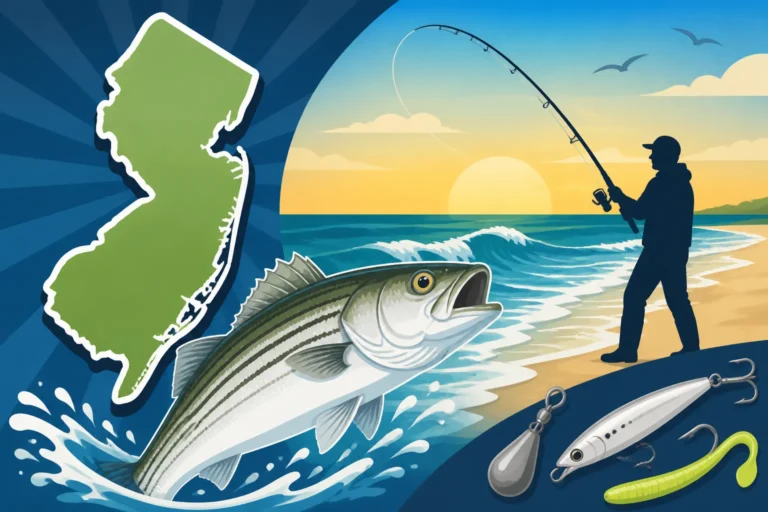
- Heavy Duty Rod and Reel: Shark fishing from the beach isn't for light tackle. You'll need a stout surf rod, typically 10-12 feet long, paired with a large, robust spinning or conventional reel capable of handling heavy braid or monofilament line, often 50-80 lb test. Brands like Penn, Shimano, or Daiwa offer excellent options. A Best Rod Length for Jersey Shore Surf Fishing guide can offer more specific advice here.
- Terminal Tackle: This includes strong swivels, heavy monofilament or fluorocarbon leaders (often 200-400 lb test, sometimes wire for toothy sharks), and large, sturdy circle hooks. Remember the New Jersey Circle Hook Requirements for Bait Fishing often apply, especially when using natural bait for sharks, so make sure your hooks comply. You'll want a variety of hook sizes to match your bait and target species.
- Safety and Convenience Items: Don't forget a sturdy rod holder to keep your rod upright in the sand, a cooler for your bait and drinks, a sharp bait knife, a pair of heavy-duty gloves (for handling fish and lines), and a headlamp or lantern if you plan to fish after dark. A long-handled de-hooker is invaluable for safely releasing sharks without putting your hands near their mouths. A first-aid kit is also a smart addition for any fishing trip. Many of these items can be easily found on Amazon.
| Item Type | Specific Item Examples | Purpose | Key Considerations |
|---|---|---|---|
| Chum System | Mesh Chum Bag, Perforated Chum Bucket, Heavy Anchor, Rope | Dispersing scent and small particles to attract sharks | Durable material, slow release, secure anchoring, long rope |
| Chum Bait | Frozen Bunker Blocks, Mackerel, Fish Scraps, Fish Oil | Primary attractant for sharks | Freshness, oiliness, slow breakdown |
| Fishing Tackle | 10-12 ft Surf Rod, Large Spinning/Conventional Reel | Casting far, handling strong runs from large fish | Line capacity, drag strength, rod power |
| Heavy Braid/Mono Line (50-80lb), Heavy Leaders | Withstanding abrasion and fighting strong fish | Abrasion resistance, knot strength | |
| Large Circle Hooks, Swivels | Hooking sharks safely and securely, legal compliance | Size appropriate for bait, New Jersey regulations | |
| Safety & Handling | Heavy-Duty Gloves, Long-Handled De-Hooker, Pliers | Protecting hands, safely releasing fish, cutting line if necessary | Strong grip, reach, corrosion resistance |
| Convenience | Rod Holder, Cooler, Bait Knife, Headlamp, First-Aid Kit | Securing rod, storing bait/drinks, cutting bait, night visibility, emergencies | Sturdy construction, sharp blade, reliable light, comprehensive kit |
The Art and Science of Effective Beach Chumming
Chumming is more than just blindly deploying bait; it's about understanding the environment and creating a consistent, enticing trail for sharks to follow. There's a subtle art to it that comes with practice and observation.
Strategic Placement and Timing
Where and when you deploy your chum can make or break your trip. You're trying to create a scent trail that intersects with where sharks are likely to be patrolling.
- Current is Key: Pay close attention to the current. You want your chum slick to drift away from your fishing spot, drawing sharks to you. If the current is pushing your chum into a swimming area or directly back at the beach, you're not going to be effective and might even cause issues. Look for areas with a steady, outward, or parallel current. The deeper water just beyond the sandbars is often an ideal target zone. You can often observe current patterns by watching how seaweed or floating debris moves.
- Tidal Influence: Tides play a massive role in saltwater fishing. Many anglers prefer fishing the incoming or outgoing tide, or the periods around the change of tide. A moving tide helps to disperse your chum effectively. A How to Read Tide Charts for Better Fishing in New Jersey guide can give you a leg up here. Early morning and late evening, or even night fishing, are often the most productive times for shark fishing, as many species are more active and feed closer to shore under the cover of darkness. This also generally means fewer crowds on the beach, which aligns with responsible angling.
- Structure and Features: Look for natural features that might hold baitfish or provide ambush points for predators. Inlets, sloughs (deeper cuts between sandbars), and the edges of jetties can be prime locations. However, be mindful of casting near areas with heavy boat traffic or many swimmers. Understanding How to Fish Around Jetties Safely is important if you choose such a spot. The goal is to draw sharks into a safe, fishable zone without endangering anyone.
The Right Consistency and Volume
It’s a common misconception that more chum equals more sharks. While a strong scent trail is good, too much actual food can satiate the sharks before they even reach your hook bait.
- Slow and Steady Release: The ideal chum slick is a continuous, subtle stream of scent and tiny particles, not a buffet. Frozen chum blocks are excellent for this because they melt slowly, releasing their goodness over a longer period. If you're using ground fresh chum, ensure your bag or bucket has a mesh size that allows fine particles to escape, but holds back larger chunks. You want to pique their interest, not fill their bellies. Think of it like a breadcrumb trail – enough to guide them, but not enough to be a full meal.
- Chum Volume: Start with a modest amount of chum. You can always add more, but you can't take it back. For beach fishing, a frozen block or a few pounds of fresh ground chum is usually plenty for a several-hour session. Monitor the effectiveness and adjust as needed. If you're seeing signs of increased activity but no bites, you might slightly increase the scent output. Conversely, if you're attracting a lot of non-target species, you might be releasing too much physical bait.
Setting Up Your Fishing Rig
With your chum slick established, it's time to get your fishing lines in the water. This is where your heavy-duty gear really comes into play.
- Bait Presentation: While your chum is drawing them in, your hook bait is what ultimately seals the deal. Use a sizable piece of fresh, oily fish like a whole bunker head, a half mackerel, or a large piece of bluefish fillet. The bait should be proportionate to the size of sharks you expect to encounter. Thread it onto your large circle hook, ensuring the hook point is exposed for a clean hookset. You might want to refer to a Best Bait for Surf Fishing in New Jersey guide for more ideas on prime shark baits.
- Casting and Deployment: Cast your baited rig out beyond the chum slick, allowing it to drift naturally into the scent trail. This positions your bait as a slightly larger, more enticing morsel than the tiny particles in the chum. If you're using multiple rods, spread them out to cover a wider area and reduce tangles. Keep an eye on your rod tips for any indication of a bite. Shark bites can sometimes be subtle, a slow pull, or a sudden, aggressive drag scream.
- Rod Holders: Ensure your rods are securely placed in strong rod holders that can withstand the powerful strike of a shark. A rod pulled into the surf by an unexpected run is a frustrating (and costly) experience.
Safety First: Protecting Yourself and Others While Chumming
Chumming for sharks is an exhilarating activity, but it involves powerful animals in an unpredictable environment. Safety should always be your top priority, both for yourself and for anyone else on the beach.
Personal Safety Measures
When you're dealing with apex predators, a little caution goes a long way. Never underestimate the strength or instincts of a shark.
- Awareness of Your Surroundings: Always be vigilant. Keep an eye on the water, not just for bites, but for any signs of increased shark activity, especially if you notice other marine life reacting. If large sharks are consistently breaching the surface or showing aggressive behavior, it might be time to pack up.
- Proper Gear Usage: Wear appropriate clothing, including closed-toe shoes to protect your feet from hooks, sharp fins, or debris. Heavy-duty gloves are essential for handling lines, leaders, and any fish, protecting your hands from cuts and abrasions. Never put your bare hands into a shark's mouth, even a small one.
- Don't Wade In: While you might wade out to cast or deploy chum, avoid standing in the water for extended periods, especially when the chum slick is actively working. Stay on dry land as much as possible once the chumming has begun. It's just common sense when you're intentionally drawing sharks close to shore.
Protecting Fellow Beachgoers
This is arguably the most critical aspect of responsible beach chumming. Your actions impact everyone sharing the shoreline.
- Choose Isolated Locations: The best way to prevent conflict is to fish where there aren't many people. Seek out less crowded beaches, particularly during off-peak hours or in sections of larger beaches that are designated for fishing and are far from swimming areas. The last thing you want is to attract a shark near where families are splashing in the waves.
- Communicate and Educate: If someone approaches you curious about what you're doing, be friendly and informative. Explain that you're fishing for sharks and that safety is your priority. If they seem concerned, offer to move or adjust your setup. A little diplomacy goes a long way in fostering good relations between anglers and other beach users.
- Observe Posted Warnings: Always adhere to any posted signs or local ordinances regarding fishing, swimming, or shark warnings. If the lifeguards have posted flags or issued warnings, respect them immediately.
Handling a Shark From Shore
So, you've hooked a shark! Now what? Getting it to the beach and releasing it safely requires a specific approach.
- Minimize Fight Time: Once hooked, try to land the shark as quickly as possible without over-stressing the tackle or the fish. Prolonged fights can exhaust the shark, reducing its chances of survival post-release.
- Keep it Wet: For most shark species, especially if you're practicing catch and release, the goal is to keep the shark in the water at all times. If it's a smaller shark that can be safely brought to the very edge of the surf, unhook it there. For larger sharks, you might need to wade out a bit (carefully!) or use your long-handled de-hooker to remove the hook while the shark is still in deeper water. This also minimizes stress on the animal.
- Quick Release: Have your de-hooking tools ready. Once the hook is out, quickly guide the shark back into the deeper water. If it seems disoriented, hold it gently facing into the current until it regains its strength and swims away on its own power. You can learn more about general ethical practices from resources like New Jersey Catch and Release Striped Bass Handling Rules, which offers principles applicable to many species. Remember, the goal is to have a thrilling experience without harming these incredible creatures.
Disclaimer
This article is for general informational purposes only and does not constitute professional advice. Laws, prices and regulations vary by location and change over time. Consult a qualified professional for guidance on your specific situation.