Best Time to Catch Blue Claw Crabs in New Jersey
Oh, the elusive blue claw crab! There's nothing quite like the thrill of pulling up a trap or net to find a feisty, snapping blue claw waiting for you. But if you've ever spent hours by the dock or on the boat with nary a crab to show for it, you know the frustration. It often feels like a secret code, figuring out when these delicious crustaceans are most active and willing to be caught. This comprehensive guide will crack that code, helping you understand the absolute best times to head out and maximize your blue claw crabbing success in New Jersey.
Understanding the Blue Claw Crab Lifecycle and Its Impact on Crabbing Seasons
Blue claw crabs, Callinectes sapidus, are a staple of New Jersey's coastal waters, bays, and even some brackish rivers. Their entire existence revolves around water temperature, salinity, and their own biological imperatives like molting and spawning. If you want to consistently fill your bushel basket, you need to think like a crab! Understanding their seasonal patterns is the first step in successful crabbing.
Peak Crabbing Seasons: Summer and Early Fall
Without a doubt, late spring through early fall is prime time for blue claw crabbing in New Jersey. As the days lengthen and the sun warms the shallow bays and estuaries, crabs become incredibly active. This activity peaks during the hottest months, usually from July through September, and often extends well into October, especially in a mild fall. During these months, crabs are feeding heavily to grow, and females are often preparing to spawn or have recently spawned, making them more visible and catchable.
Imagine a sweltering August afternoon. The water in Barnegat Bay or along the Mullica River is warm, teeming with baitfish and invertebrates. This is a crab's paradise! They're moving, feeding, and generally much more accessible to your traps and lines. Many seasoned crabbers will tell you that the late summer lull in other fishing can be perfectly filled by a productive crabbing trip. You'll often find a mix of sizes during this period, from smaller "sooks" (females) and "jimmies" (males) to larger, heavier specimens.
Spring and Late Fall: Earlier and Later Opportunities
While summer is king, don't write off the shoulder seasons entirely. Spring crabbing, typically starting in May and getting into full swing in June, can be excellent, especially for those seeking larger, meatier crabs that have overwintered. As water temperatures slowly climb past 50 degrees Fahrenheit, crabs begin to emerge from their winter dormancy in deeper channels and move into shallower feeding grounds. This is a time when the crabs are hungry and eager to replenish their energy stores.
Late fall, particularly October and sometimes even early November, can also offer fantastic crabbing opportunities. As water temperatures begin to drop, crabs will start to move out of the very shallow flats and into deeper channels and mud banks to prepare for winter. However, they're still actively feeding before hunkering down. The cooler air can be a pleasant change from the summer heat, and you might find less competition on the water. Just be mindful that the days are shorter, so plan your trips accordingly. Think of it as a last hurrah before the long winter break.
Winter: The Off-Season for Blue Claw Crabs
Unless you're a commercial dredger with specialized gear, winter (roughly December through April) is generally considered the off-season for recreational blue claw crabbing in New Jersey. During these colder months, blue claws burrow into the mud at the bottom of bays and rivers, entering a state of semi-hibernation. They become largely inactive, barely feeding, and are extremely difficult to catch with traditional recreational methods like hand lines, trotlines, or traps.
While it's not impossible to catch a rogue crab or two during a warmer winter spell, the effort rarely justifies the reward. Save your crabbing gear, like those collapsible traps you bought on Amazon, for when the water warms up again. Focus on other winter activities, like ice fishing for trout or panfish in some of New Jersey's freshwater lakes, or simply dreaming of warmer days when the crabs will once again be plentiful.
Tides, Time of Day, and Weather: Dialing in Your Crabbing Efforts
Beyond the general season, the specific timing of your crabbing trip within a day can make a massive difference. Blue claw crabs are highly sensitive to their environment, and understanding how tides, sunlight, and weather patterns influence their behavior will give you a significant edge. This is where local knowledge truly shines, and it's what separates a good crabbing day from a great one.
The Influence of Tides on Blue Claw Crabs
Tides are arguably the most critical factor for successful crabbing. In New Jersey's coastal bays and estuaries, crabs are constantly moving with the water flow, seeking food and shelter. Generally, the best crabbing occurs during a moving tide, whether it's incoming (rising) or outgoing (falling).
Many experienced crabbers swear by the incoming tide, especially as it approaches high tide. The theory is that the rising water brings new food sources into the shallows, encouraging crabs to move and feed closer to shore or into the areas where traps are typically set. During this period, you might find crabs actively searching for meals in shallower flats and marsh edges. On the flip side, a strong outgoing tide can also be productive. As water recedes from the marsh grasses and mud flats, it carries with it dislodged bait, which crabs will actively pursue as it funnels into deeper channels. This can concentrate crabs, making them easier to target. The key takeaway is that static water (slack tide) usually results in less crab movement and fewer catches. Always check a local tide chart before you go; knowing when the water is moving is fundamental. You can find detailed local tide charts for specific spots like Barnegat Light Surf Fishing Guide or Manasquan Inlet Fishing Guide to plan your trip perfectly.
Best Time of Day for Crabbing
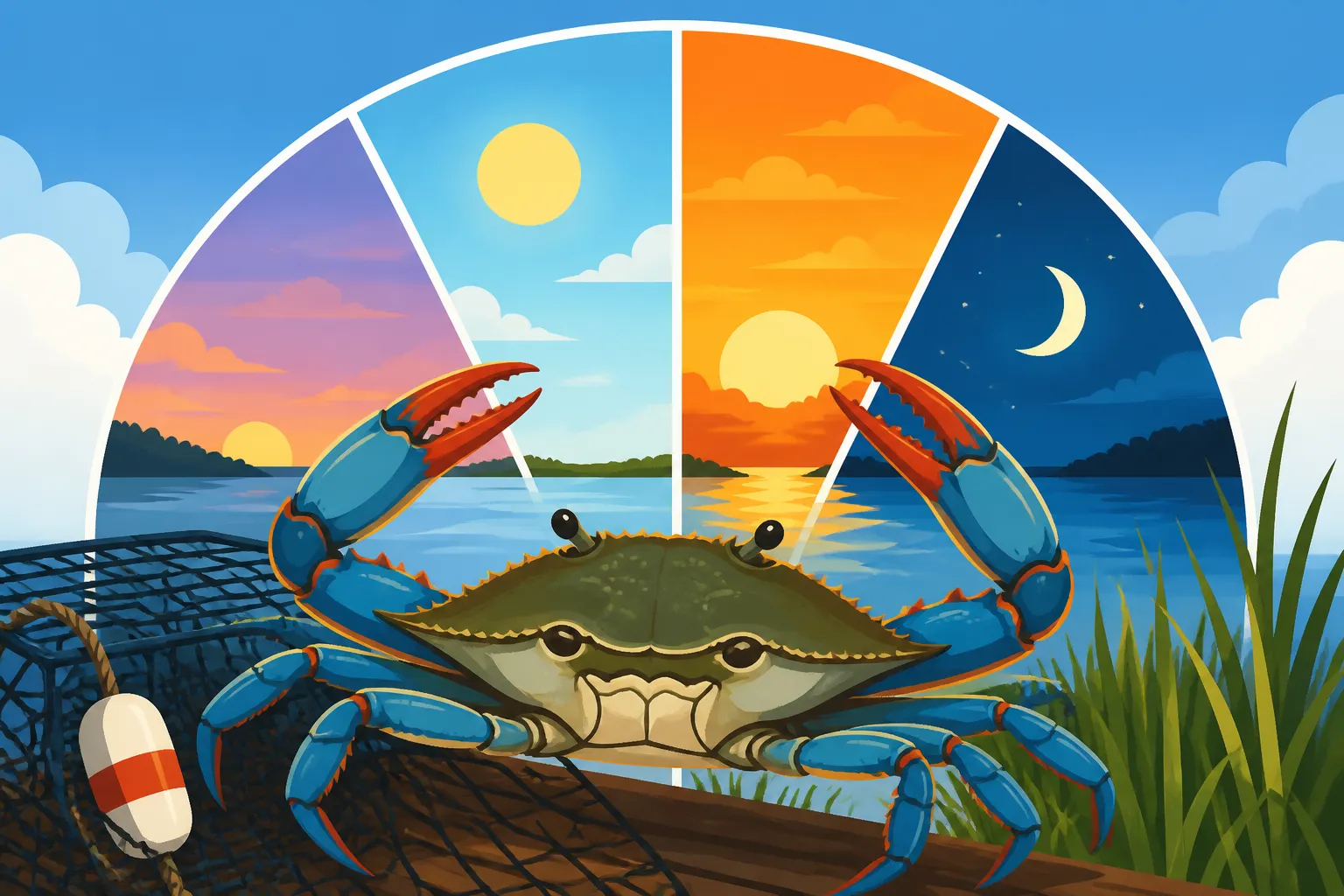
While tides are paramount, the time of day also plays a role. Early morning and late afternoon/early evening are often the most productive times. Crabs, like many other aquatic creatures, tend to be more active during these periods when light conditions are lower and water temperatures are generally more moderate. The intense midday sun can sometimes make crabs a bit more lethargic or encourage them to seek deeper, cooler water.
Think about it: during the scorching midday sun, even us humans are looking for shade! Crabs are no different. They might burrow down a bit or stay in deeper water where it's cooler. Setting your traps or lines first thing in the morning, letting them soak for a few hours through the prime morning tide, and then pulling them before the midday heat gets too intense is a classic strategy. Similarly, a late afternoon start that runs into the evening incoming or outgoing tide can also be highly effective. The cooler temperatures and fading light often stimulate their feeding instincts, leading to a late-day surge in activity.
How Weather and Water Conditions Affect Crabbing
Beyond seasons and tides, localized weather patterns and water conditions also impact blue claw crab behavior. Water temperature is perhaps the most significant. As mentioned, crabs become active when the water warms, generally above 55-60 degrees Fahrenheit. If you have a sudden cold snap in the middle of summer, you might notice a dip in crabbing success until the water warms back up.
Rainfall can also have an effect. A little rain often doesn't deter crabs, and sometimes even a steady drizzle can be good because it keeps other crabbers away, giving you less competition! However, heavy, prolonged rainfall can temporarily lower the salinity in some shallower, brackish areas, which might cause crabs to move to more saline parts of the bay. On the other hand, heavy rains can also wash a lot of food into the waterways, which can attract crabs once the turbidity settles. Cloudy days, with less direct sunlight, can sometimes extend the productive morning or afternoon crabbing window. Pay attention to local forecasts, especially water temperature readings, if you can get them.
Crabbing Methods and Their Timing Considerations
The method you choose for crabbing can also influence the "best time" for your trip, as some techniques are better suited to certain conditions or crab behaviors. Whether you're a seasoned pro with a trotline or a beginner with a simple hand line, understanding these nuances will improve your catch rate.
Hand Lines and Collapsible Traps: Perfect for Quick Trips
For many recreational crabbers, especially families or those looking for a casual outing, hand lines (often just a string, a weight, and a piece of bait) or collapsible crab traps are the go-to methods. These are excellent for crabbing from docks, piers, or small boats in shallower waters.
The best time for these methods aligns perfectly with the general peak seasons (summer and early fall) and moving tides. Because these methods require more active participation (checking lines/traps frequently), early morning or late afternoon during an incoming or outgoing tide is ideal. The quicker you can retrieve and re-bait, the more chances you get. For instance, if you're crabbing from a popular spot like a public dock in Toms River, hitting it right when the tide starts to move in the morning, before it gets too crowded, can make a huge difference. You might want to grab a dozen of those handy collapsible traps on Amazon for easy transport and setup, making spontaneous crabbing trips a breeze.
Trotlines and Commercial-Style Traps: Longer Soaks and Strategic Placement
Trotlines, which are long lines with multiple baited droppers, and larger commercial-style crab pots (though recreational limits apply) are typically used by more serious or experienced crabbers. These methods often require a boat and are set for longer soak times in specific areas.
For trotlines and crab pots, the "best time" often involves setting them strategically before a good tide cycle begins and then checking them periodically. Many trotliners prefer to set their lines on a dropping tide, allowing the current to spread the scent of the bait, and then run the line as the tide continues to fall or begins to come in. The long soak times mean you're relying less on a single "hot" hour and more on consistent crab movement throughout a tidal cycle. When using these methods, targeting areas known for good crab populations, like the back channels of Great Egg Harbor Bay, becomes even more crucial, regardless of the exact minute you pull a trap. Just remember, when using larger gear, check the regulations regarding how many you can deploy and what type of bait is legal.
Here's a quick reference table to summarize the blue claw crabbing timing factors:
| Factor | Best Conditions | Why It's Best |
|---|---|---|
| Season | Summer (July-Sept) & Early Fall (Sept-Oct) | Crabs are most active, feeding heavily, and preparing to spawn or have recently spawned. |
| Shoulder Season | Late Spring (May-June) & Late Fall (Oct-Nov) | Crabs are emerging from or preparing for winter, still feeding actively, potentially larger "overwintered" crabs. |
| Tide Cycle | Incoming (Rising) or Outgoing (Falling) | Moving water brings new food or concentrates existing food, stimulating crab movement and feeding. |
| Slack Tide | Generally Less Productive | Minimal water movement leads to less crab activity. |
| Time of Day | Early Morning or Late Afternoon/Early Evening | Cooler temperatures and lower light conditions often coincide with peak feeding activity. |
| Midday Sun | Can Be Less Productive | Intense heat can make crabs lethargic or send them to deeper, cooler waters. |
| Water Temp. | Above 55-60°F | Crabs become active and feed when water is warm; below this, they become dormant. |
| Rain | Light Rain/Cloudy Days | Can reduce competition; moderate temperatures. Heavy rain can temporarily dilute salinity. |
Essential Crabbing Gear and Regulations to Keep in Mind
Having the right timing is crucial, but you also need the right tools and knowledge of the rules. Crabbing in New Jersey is generally accessible, but a few basics will ensure your trip is both fun and legal. Always remember to check the current New Jersey Freshwater Fishing Regulations Every Angler Should Know or the Reading the New Jersey Fish and Wildlife Digest for the most up-to-date information, as regulations can change.
Must-Have Gear for Any Crabbing Trip
First off, bait! The smellier, the better. Fresh bunker, chicken necks, or even salted eel are classic choices. Many crabbers use cut pieces of fresh bunker because it releases a strong scent trail in the water, attracting crabs from a distance. You can often buy bunker at local bait shops or even catch it yourself if you know How to Cast Net for Bait in New Jersey.
Next, your crabbing device. As mentioned, hand lines are simple and effective, especially for kids. Collapsible traps are popular because they're easy to transport and deploy from docks or kayaks. Larger trotlines or conventional crab pots, available from tackle shops or sometimes on Amazon, are for more serious efforts. Don't forget a sturdy bushel basket or cooler to hold your catch – and keep them alive with some ice or wet towels! A good pair of crabbing gloves, like those heavy-duty ones you might have seen online, will protect your hands from those powerful claws.
Navigating New Jersey's Crabbing Regulations
New Jersey has specific rules regarding crabbing, and knowing them is just as important as knowing when to go. For recreational crabbers using hand lines, dip nets, or up to two crab pots or traps, you typically don't need a special license beyond a general fishing license if you're also fishing freshwater. However, a crucial point often missed by many, especially those focused solely on saltwater fishing, is the New Jersey Saltwater Registry Explained. While there isn't a license specifically for saltwater crabbing, you generally need to register with the New Jersey Saltwater Recreational Registry Program if you're engaging in saltwater fishing or crabbing. This registration is free and helps the state monitor recreational harvest. This program replaced the federal registry, and understanding Why New Jersey's Saltwater Registry Replaced the Federal Registry is important for any saltwater enthusiast.
There are also specific size and bag limits. For blue claw crabs, there's typically a minimum size limit (usually 4.5 inches measured from tip to tip of the carapace's lateral spines), and often a prohibition on keeping female crabs bearing eggs (often called "sponge crabs"). This helps protect the breeding stock. It's essential to understand What Is the Size Limit for Blue Claw Crabs? and if Is It Legal to Keep Female Blue Claw Crabs in New Jersey?. These regulations are in place to ensure the sustainability of the blue claw crab population, so always adhere to them.
Crabbing Hot Spots and Local Considerations in New Jersey
New Jersey is blessed with an abundance of diverse waterways, from the vast expanse of Barnegat Bay to the winding estuaries of South Jersey. While the timing advice holds true statewide, understanding some local nuances can further refine your crabbing strategy.
Popular Crabbing Regions in New Jersey
The entire Jersey Shore, from Sandy Hook Bay down to Cape May, offers fantastic crabbing. North Jersey bays like Raritan Bay and Sandy Hook Bay are popular, especially near the marshes and mud flats. Central Jersey boasts Barnegat Bay, a legendary crabbing destination, with countless docks, bridges, and shallow areas perfect for blue claws. Places like the Barnegat Bay Bluefish and Fluke Spots are often teeming with crabs as well.
South Jersey's sprawling back bays, rivers, and estuaries, including Great Bay and the Mullica River Fishing, are also prime territory. These areas often have extensive marshlands that serve as vital nurseries and feeding grounds for blue claw crabs. Even some tidal freshwater rivers, like parts of the Delaware River Fishing in New Jersey, can hold crabs, especially in their lower brackish reaches. The beauty of New Jersey crabbing is that you can often find good spots close to home, whether you're in Bergen County or down in Cape May.
Respecting the Resource and Other Crabbers
Crabbing is a wonderful activity, but it's important to be a responsible participant. Always practice ethical crabbing: release undersized crabs gently, and handle sponge crabs with care if regulations require their release. Consider trying some of the techniques for New Jersey Catch and Release Striped Bass Handling Rules for any crabs you release, making sure to avoid damaging their claws or shells.
Also, be courteous to other crabbers. Popular docks and piers can get crowded, especially during peak season. Share the space, be mindful of your lines and traps, and enjoy the camaraderie of fellow enthusiasts. Sometimes, the best "secret spots" are found simply by striking up a conversation with a local veteran crabber. They might not reveal their exact honey hole, but they'll often share invaluable tips about the best tides, baits, or specific patterns for that particular body of water.
Remember, crabbing is a dynamic pursuit. The "best time" is a combination of seasonal patterns, tidal movements, local conditions, and a bit of good old-fashioned luck and patience. Armed with this knowledge, you're well on your way to enjoying some of the freshest, most delicious blue claw crabs New Jersey has to offer!
Disclaimer
This article is for general informational purposes only and does not constitute professional advice. Laws, prices and regulations vary by location and change over time. Consult a qualified professional for guidance on your specific situation.