Best Bait for Crabbing
There’s nothing quite like the excitement of checking your crab trap or net, hoping to see those vibrant blue claws scuttling inside. But let's be honest, it's incredibly frustrating when you pull up an empty pot after waiting patiently. Often, the difference between a bountiful bushel and a disappointing day comes down to one crucial factor: your bait. This guide will dive deep into the world of crabbing bait, helping you choose the best options to entice those delicious blue claw crabs in New Jersey waters.
Why Your Bait Choice Is So Important for Crabbing Success
When you're out trying to catch blue claw crabs in the various bays and estuaries of New Jersey, from Barnegat Bay down to the backwaters of Cape May, you're not just throwing food into the water and hoping for the best. You're entering a competition. Every scent, every texture, every visual cue from your bait is an advertisement to a crab, telling it your trap is the best restaurant in town. Crabs have an incredibly keen sense of smell, especially for decomposing organic matter. This is because, in their natural environment, they are opportunistic scavengers. They're looking for an easy meal, and a strong, appealing scent trail is paramount to drawing them in from a distance.
Think about it from a crab's perspective. There are plenty of natural food sources around—clams, mussels, other small fish, and detritus. Your bait needs to stand out. If it's too fresh, it might not emit enough odor to travel far in the water. If it's too old and putrid, it might actually repel them, or simply fall apart too quickly, leaving your trap empty. The density of crabs in an area also plays a role; in high-density areas, they might be less picky, but if they're spread out, your bait's drawing power becomes even more critical.
Beyond just the initial attraction, the longevity of your bait matters immensely. You don't want to check your traps only to find the bait has been picked clean in an hour, especially if you're leaving them soaking for several hours or overnight. Durability ensures that your investment in time and effort translates into a prolonged invitation for crabs to enter your traps. That's why understanding the properties of different baits—how long they last, how potent their scent is, and how easily they can be consumed—is key to filling your cooler.
Understanding the Blue Claw Crab's Palate
Blue claw crabs, the stars of New Jersey crabbing, are not terribly picky eaters, which is a blessing and a curse. They are omnivores and scavengers, meaning they'll eat just about anything they can get their claws on. This includes small fish, clams, mussels, worms, other crustaceans, and even decaying plant matter. Their natural diet informs what kind of bait will be most effective. They're drawn to things that smell like their regular meals, particularly items that are a bit "ripe."
The challenge isn't just attracting them, but attracting them to your trap and keeping them there long enough to be caught. The strong, oily scent of certain fish, for example, mimics the scent of an easy meal in their environment. The texture also matters. Something too soft might be quickly devoured or pulled through the trap mesh without the crab ever entering. Something too hard might not emit enough scent. It’s a delicate balance.
Crabs also have a surprisingly complex feeding behavior. They don't just gulp down food. They pick at it, tear it apart, and often carry pieces away. This behavior means your bait needs to be substantial enough to withstand this, or it needs to be securely fastened within a bait cage or zip-tied to prevent them from making off with the goods too easily. This is where clever bait presentation comes into play, maximizing the scent trail while minimizing immediate consumption.
The Role of Scent and Oil in Attraction
For blue claw crabs, smell is king. They detect chemical cues in the water from a remarkable distance. When a fish or other organism dies, it begins to decompose, releasing amino acids and other compounds into the water. Crabs pick up on these signals and follow the scent trail to the source. This is why "stinky" baits are often the most effective. The stronger and more pervasive the odor, the wider your bait's sphere of influence will be.
Oily fish are particularly potent in this regard. The oils break down in the water, dispersing scent particles over a large area, much like a plume of smoke. Bunker (menhaden), mackerel, and even certain chicken parts are rich in these oils and proteins, making them highly attractive. The key is to use bait that can continuously release this scent over the period your traps are soaking. Some anglers even prefer bait that has been sitting out for a day or two to ripen, enhancing its natural smell, although you need to be mindful of health and safety when handling such bait.
The current in the water also plays a significant role. Your bait's scent will travel with the tide. Positioning your traps so that the scent plume drifts into areas where crabs are likely to be foraging can dramatically increase your catch rate. This understanding of how scent travels and how crabs perceive it is fundamental to becoming a truly successful crabber in the diverse waters of New Jersey.
Top Crabbing Baits: The Tried and True
When it comes to reliably catching blue claw crabs in New Jersey, certain baits have earned their stripes for a reason. These are the go-to options that experienced crabbers swear by, offering a combination of strong scent, decent durability, and proven effectiveness.
Bunker (Atlantic Menhaden)
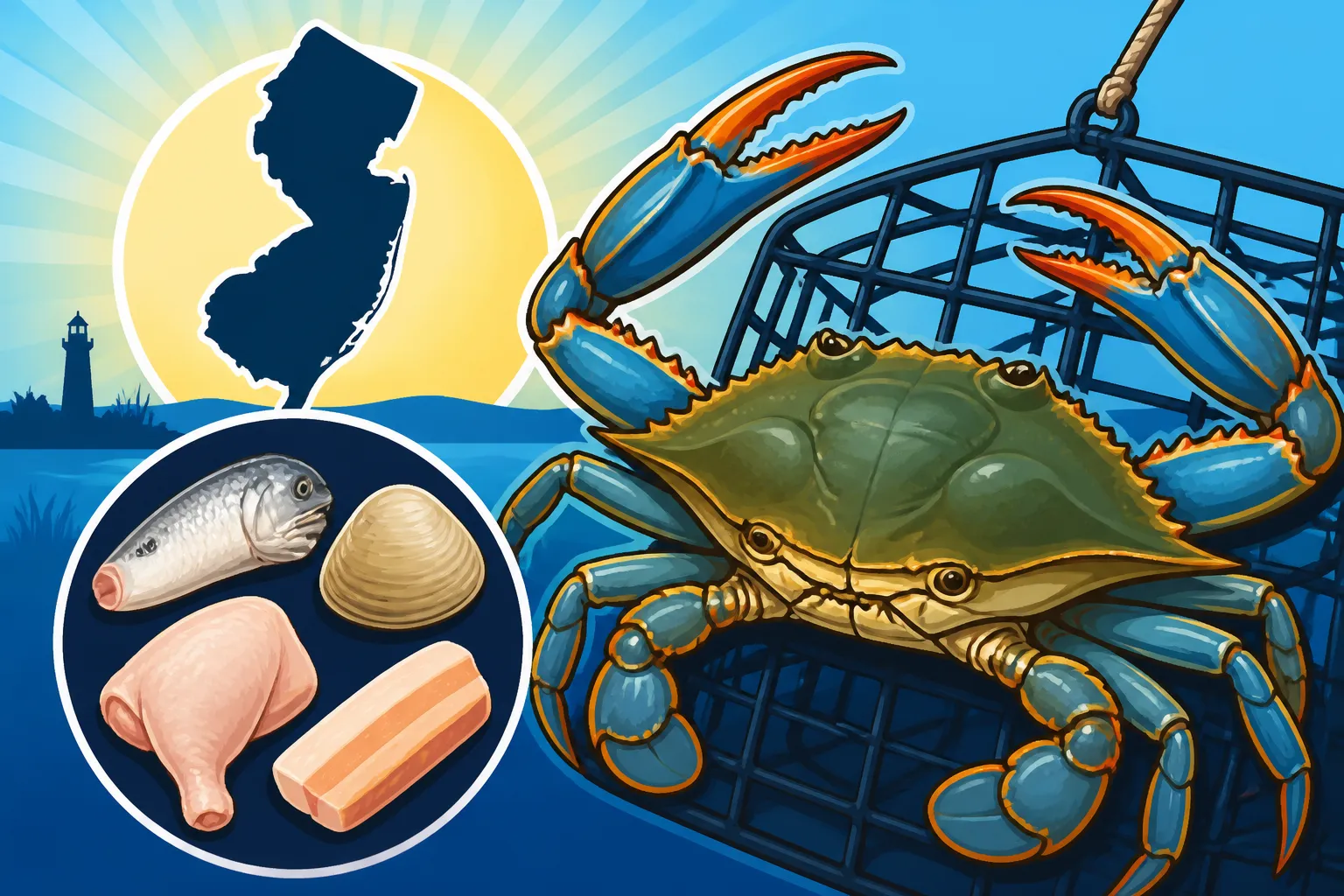
If you ask seasoned New Jersey crabbers what their number one bait is, chances are "bunker" will be high on the list, if not at the very top. Also known as menhaden, this oily baitfish is a blue claw crab magnet. Its strong, pungent, oily scent is incredibly effective at drawing crabs from a distance. The natural oils within the bunker break down in the water, creating an irresistible aroma that travels far, effectively calling crabs to your traps.
One of the biggest advantages of bunker is its availability and cost-effectiveness. You can often buy it fresh or frozen at local bait and tackle shops along the Jersey Shore. Many anglers will also catch their own bunker with a cast net, especially in the spring and fall runs when they are plentiful in bays and estuaries. When using bunker, many crabbers prefer to cut it into chunks or butterfly it. This increases the surface area, allowing more of that attractive oil and scent to leach into the water. For added effectiveness, some will even let bunker sit out for a day or two to "ripen" before using it, which intensifies the smell (and yes, it gets really smelly!). Just be sure to handle it carefully and wash up thoroughly afterward. For a general guide on getting ready for your crabbing trip, you might want to check out information on New Jersey Crabbing License Requirements.
Mackerel and Other Oily Fish
While bunker often reigns supreme, other oily fish like mackerel are fantastic alternatives, especially if bunker isn't readily available or you're looking for a slightly different scent profile. Mackerel, like bunker, is packed with oils and gives off a powerful, fishy aroma that blue claws can't resist. You can often find frozen mackerel fillets or whole fish at bait shops or even some larger grocery stores.
Similar to bunker, the key is to cut the mackerel into manageable pieces that fit into your bait cage or can be securely tied to your trap. Exposing more of the flesh will release more of those attractive oils. Other oily fish that can work well include herring or even small oily fish scraps you might have from cleaning your own catch. The common thread here is the oil content, which is crucial for creating that widespread scent plume that crabs will follow. The benefit of mackerel is its flesh tends to be a bit firmer than bunker, so it might last a little longer in the trap before completely disintegrating, especially if you're dealing with smaller crabs that can pick at bait vigorously.
Chicken Parts (Necks and Backs)
This might sound a little strange to a beginner, but chicken necks and backs are a classic, highly effective, and often very economical crabbing bait in New Jersey. They're particularly popular among recreational crabbers using hand lines or trotlines, but they work beautifully in traps too. The beauty of chicken parts lies in a few key factors: their toughness, their fat content, and their affordability.
Chicken necks, in particular, are tough and bony, meaning they hold up incredibly well in the water. Crabs can pick at them, but it takes a long time for them to completely strip the meat, ensuring your bait lasts for hours, if not an entire day's soak. The chicken skin and connective tissues also contain a good amount of fat, which releases an oily, meaty scent into the water that crabs find very appealing. You can buy large bags of chicken necks or backs at most grocery stores for a relatively low price, making them a very budget-friendly option for a day of crabbing. Some anglers prefer to let the chicken parts sit in the sun for a short time to "spoil" slightly, which enhances the smell even further, though this is definitely an outdoor activity! Just remember that Do You Need a License to Crab in New Jersey? for certain methods and quantities.
Other Seafood Scraps
Don't underestimate the power of repurposing! If you or a friend have been fishing and have some fish carcasses, guts, or heads leftover from cleaning your catch, these make excellent crab bait. The natural scent of fish entrails and blood is incredibly potent and mimics what crabs naturally scavenge for. This is particularly true for local species like striped bass or bluefish, whose scraps will be very familiar to the local crab population.
The key with seafood scraps is often securing them properly, as they can be softer than, say, a chicken neck. Zip ties are your best friend here, keeping the messy bits contained within your bait cage or securely attached to the trap. Not only is this a free and effective bait source, but it's also a great way to reduce waste after a successful fishing trip. Just be mindful of local regulations if you're cleaning fish right on a public dock; sometimes it's preferred that you take the scraps home.
| Bait Type | Pros | Cons | Best Use |
|---|---|---|---|
| Bunker (Menhaden) | Extremely strong, oily scent; highly attractive to crabs. | Can be very messy and smelly to handle; can be picked clean quickly by aggressive crabs. | General crabbing, especially in moving water to spread scent. |
| Mackerel | Strong oily scent; firmer flesh than bunker, lasts longer. | Can be more expensive or harder to find than bunker; still messy. | Longer soak times, when durability is important. |
| Chicken Necks/Backs | Very durable; cost-effective; good scent. | Less immediate scent burst than oily fish; can get slimy. | Longer unattended soaks, hand lining. |
| Fish Heads/Carcasses | Free if you've been fishing; very natural scent profile. | Very messy; can attract unwanted critters; variable durability. | Opportunistic bait for traps, especially if secured well. |
| Turkey Necks/Wings | Even more durable than chicken; good fat content for scent. | Can be harder to find than chicken necks; larger size may require modification for traps. | Extended overnight soaks, areas with strong currents. |
Beyond the Basics: Alternative Baits and Presentation Tips
While the tried-and-true baits are fantastic, sometimes you need to get a little creative, or maybe you just want to experiment. There are several other effective baits and crucial presentation techniques that can elevate your crabbing game in New Jersey.
Turkey Necks and Wings
If chicken necks are good, turkey necks and wings can be even better for certain situations. Turkey parts are generally larger and tougher than chicken, meaning they will last significantly longer in the water. This makes them an excellent choice for extended soaks, like leaving your traps out overnight, or in areas with very strong currents where bait might otherwise be torn apart quickly. The fat and meat on turkey parts also emit a good, meaty scent that crabs are attracted to.
Finding turkey necks and wings might require a trip to a larger butcher shop or a well-stocked grocery store, especially around holiday seasons when they are more common. They can be a bit more expensive than chicken necks, but their longevity can make them more economical in the long run, as you won't need to re-bait as frequently. Just be aware that their larger size might mean you need to break them down a bit to fit into smaller bait cages or secure them with heavy-duty zip ties to prevent crabs from simply dragging them out.
Clam Bellies and Shellfish
Clams are a natural food source for blue claw crabs, so it stands to reason that clam bellies or other shellfish scraps would make excellent bait. Clam bellies, in particular, are soft, pungent, and release a powerful scent into the water. The challenge with clam bellies is their softness; crabs can consume them very quickly. To combat this, you might need to place them inside a very fine mesh bait bag or combine them with a tougher bait.
Other shellfish, like mussels or conch, can also work. Crushing them slightly before placing them in the trap will help release their scent. The downside to these baits is often the cost and the effort required to gather them compared to readily available fish or chicken. However, if you're targeting crabs that might be particularly accustomed to a shellfish diet in a specific estuary, this could be a secret weapon. Just remember to consult the New Jersey Saltwater Registry Explained to ensure you're compliant with all crabbing regulations.
Bait Cages and Security
No matter what bait you choose, how you secure it in your trap is paramount. An unsecured piece of bait is an invitation for a crab (or worse, a seabird if it floats to the surface) to make off with your meal ticket before it can effectively lure others into the trap. Bait cages are your best friend here. These are typically plastic or wire cages that fit inside your crab trap, designed to hold the bait securely while allowing its scent to disperse freely.
For larger, tougher baits like chicken or turkey necks, a heavy-duty zip tie can be incredibly effective, securing the bait directly to the bottom or side of the trap. This prevents crabs from pulling the bait out and ensures it stays put for the duration of your soak. Using a bait cage or zip ties also helps prolong the life of your bait, as crabs have to work harder to get at the food, giving more time for their friends to join them in the trap. If you're looking for quality bait cages, you can often find a good selection on Amazon or at your local tackle shop.
The Role of Freshness vs. "Funk"
There's an ongoing debate among crabbers: should your bait be fresh or "stinky"? While freshness is often valued in human food, for crabs, a bit of funk can be a good thing. The decomposition process releases the powerful chemicals that attract crabs. Many experienced crabbers will intentionally let their bunker or chicken necks sit out in the sun for a few hours, or even a day, to get them really ripe.
However, there's a fine line between ripe and rotten. Bait that is too far gone might actually be less effective or simply disintegrate too quickly. The goal is a strong, pervasive odor, not necessarily a completely putrid mess. If you're using bait that you've allowed to "ripen," store and handle it with care to avoid contamination, and always wash your hands and tools thoroughly afterward. A balance between strong scent and structural integrity is often the sweet spot.
Bait Handling and Presentation for Maximizing Catches
Choosing the right bait is only half the battle; how you handle and present it can make a huge difference in your overall catch rate. These tips will help you make the most of your bait and ensure a successful crabbing trip in New Jersey.
Securing Your Bait Properly
This cannot be stressed enough: secure your bait! Whether you’re using trotlines, hand lines, or traps, a well-secured bait is crucial. For crab pots and traps, a dedicated bait cage is typically the best option. These cages, usually made of plastic mesh or wire, hold the bait snugly while allowing the scent to flow freely into the water. Without a cage, an aggressive crab can rip off pieces of bait and carry them away, or even pull an entire chicken neck out of the trap, leaving it empty for subsequent crabs.
If you don't have a bait cage, or if your bait is too large for it (like a whole fish head), heavy-duty zip ties are your next best friend. Use several zip ties to fasten the bait directly to the bottom or sides of your trap. The goal is to make it difficult for the crabs to remove the bait quickly. They should be able to pick at it and get small morsels, but the bulk of the bait needs to remain to continue attracting more crabs over time. This extends the effectiveness of your bait and ensures your traps keep working for hours on end.
Optimal Bait Placement within the Trap
Where you place the bait inside your trap matters almost as much as what bait you use. The ideal placement is typically in the center of the trap, allowing the scent to disperse evenly in all directions. It also forces the crab to fully enter the trap to reach the bait, increasing the likelihood of it getting caught when the trap mechanism is triggered or when you pull it up. Avoid placing bait too close to the entrance or edges, as crabs might be able to nibble at it without fully committing to entering the trap.
For collapsible traps or rings, center placement is still key. If you’re using multiple pieces of bait, spread them out slightly within the central area to maximize the scent trail. This technique ensures that no matter which direction a crab approaches from, it's drawn towards the heart of your trap, where capture is most probable. Remember, the goal isn't just to attract them, but to guide them into a position where they can be successfully caught.
Managing Bait Longevity
Different baits have different lifespans in the water. Oily fish like bunker break down quickly, releasing a potent burst of scent but often needing replacement after a few hours, especially in warm water or strong currents. Tougher baits like chicken or turkey necks can last much longer, sometimes for an entire day or even overnight. Understanding these differences allows you to strategize your crabbing efforts.
If you're planning short, active crabbing sessions where you check your traps frequently, a high-scent, faster-disintegrating bait might be fine. For longer soaks, or when you can't check your traps as often, prioritizing durability becomes more important. You can also combine baits—a piece of oily fish for immediate attraction, paired with a tough chicken neck for sustained appeal. Consider rotating your baits or bringing a variety to see what works best on a given day or in a particular location. You can even buy longer-lasting bait cages on Amazon designed to keep bait secure. For those looking for more specific guidance on timing, our article on Best Time to Catch Blue Claw Crabs in New Jersey offers great insights.
Using Bait Bags for Soft Baits
Some excellent baits, like clam bellies or very soft fish scraps, can be too delicate to secure with zip ties or even to hold effectively in standard bait cages, as they might be squeezed or torn through the mesh. This is where fine-mesh bait bags come in handy. These small, reusable mesh bags are perfect for containing softer baits, allowing the scent to permeate while preventing crabs from quickly devouring the bait.
Bait bags are also useful for holding multiple small pieces of bait, or even for combining different types of bait (e.g., clam bellies with a few chunks of bunker) to create a multi-layered scent profile. Secure the bait bag itself to your trap using a zip tie or a sturdy clip. This method greatly increases the efficiency of soft, potent baits and ensures they stay in your trap doing their job for longer periods.
Considerations for Responsible Crabbing in New Jersey
Crabbing is a fantastic pastime, but it's important to be a responsible angler. Part of that responsibility includes understanding and following local regulations, as well as being mindful of your impact on the environment.
Understanding New Jersey Regulations
Before you even think about what bait to use, ensure you understand New Jersey's crabbing regulations. These rules cover everything from license requirements (yes, depending on your method and quantity, you might need one!) to size limits, daily bag limits, and even prohibitions on keeping female crabs, especially those carrying eggs. For instance, Is It Legal to Keep Female Blue Claw Crabs in New Jersey? is a crucial question every crabber should know the answer to.
Always consult the latest New Jersey Fish and Wildlife Digest for the most up-to-date information. Regulations can change, so a quick check each season ensures you're compliant. Failing to follow these rules can result in fines and a ruined day on the water, and more importantly, it impacts the sustainability of the blue crab population. Knowledge is power, and in crabbing, it's also responsible stewardship. You can easily find the digest online or at local bait shops. Knowing the What Is the Size Limit for Blue Claw Crabs? is also essential for sustainable harvesting.
Environmental Impact of Bait
While using natural baits like fish scraps might seem environmentally friendly, it's important to consider any potential impacts. For instance, always dispose of unused bait and packaging properly. Never discard rotten bait directly into the water or on shore, as it can attract pests or contribute to localized pollution. If you're using chicken or turkey parts, try to source them responsibly.
Also, be aware of any local restrictions on bait use, although these are rare for common crabbing baits. The primary concern is often the introduction of non-native species, but with common items like bunker or chicken, this is less of an issue. Generally, responsible bait use comes down to good hygiene and proper waste disposal, minimizing your footprint on the beautiful New Jersey waterways that provide us with such great crabbing opportunities.
Safety and Hygiene with Bait
Handling raw meat and fish, especially if it's "ripened," requires good hygiene. Always wear gloves when handling bait, and wash your hands thoroughly with soap and water afterward. Avoid cross-contamination with any food you plan to eat. Keep your bait in a separate cooler or container, away from drinks and snacks.
When transporting bait, especially the smelly kind, make sure it's in a sealed container to prevent leaks and odors in your vehicle. After your crabbing trip, thoroughly clean all your equipment—traps, bait cages, buckets—with fresh water. This not only keeps your gear in good condition but also removes any lingering bait residue that could attract unwanted critters or become a bacterial breeding ground. Taking these simple precautions ensures your crabbing experience is safe and enjoyable for everyone. For additional guidance, exploring articles like How to Trap Blue Claw Crabs From a Dock might provide further practical tips.
Disclaimer
This article is for general informational purposes only and does not constitute professional advice. Laws, prices and regulations vary by location and change over time. Consult a qualified professional for guidance on your specific situation.