What Is the Difference Between Bluefish and Striped Bass?
Striped bass and bluefish physical differences, including body shape, coloration, and teeth structures, help anglers identify catches.
Know what’s on the line.
Gamefish and panfish profiles — identification, behavior, feeding habits, and species-specific strategies for every catch.
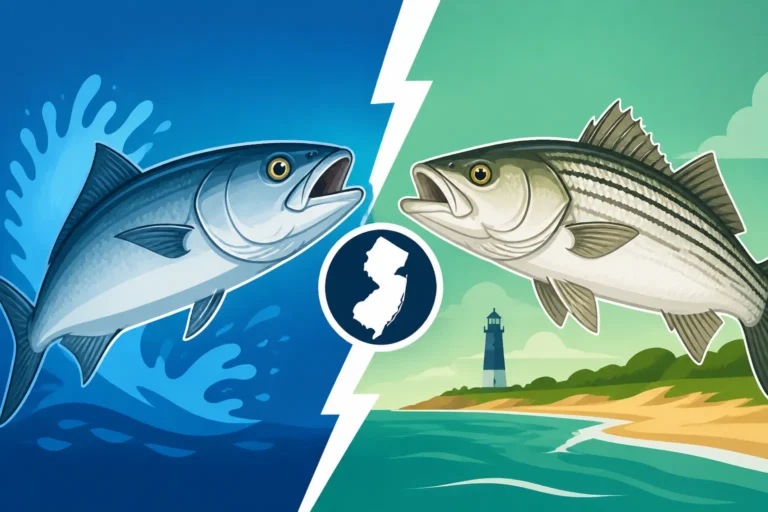
Striped bass and bluefish physical differences, including body shape, coloration, and teeth structures, help anglers identify catches.

Proper handling and preparation methods transform oily New Jersey bluefish into a delicious meal instead of a fishy disaster.
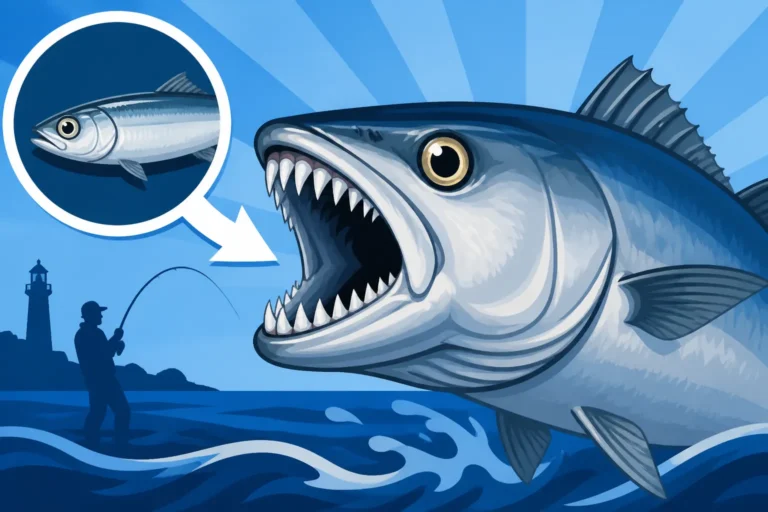
Bluefish teeth are triangular, razor-sharp, and line both the upper and lower jaws to slice fast baitfish like bunker and mullet.
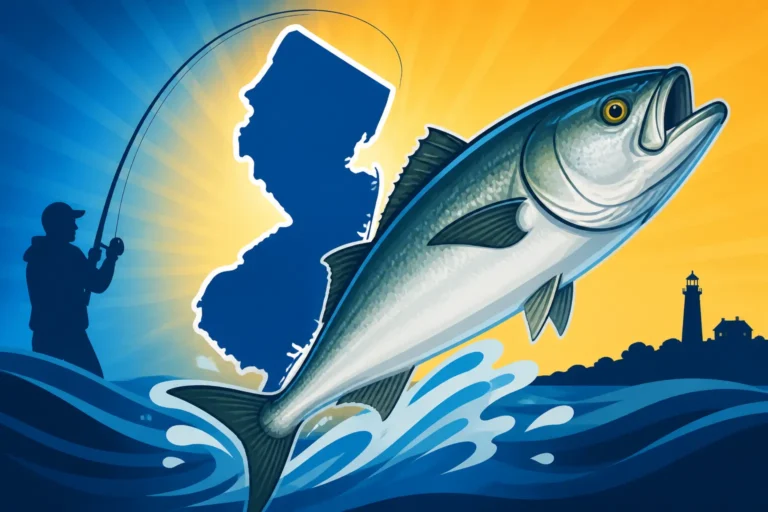
The official New Jersey state record bluefish caught by Robert G. Fata in 1989 weighed twenty-seven pounds and one ounce.
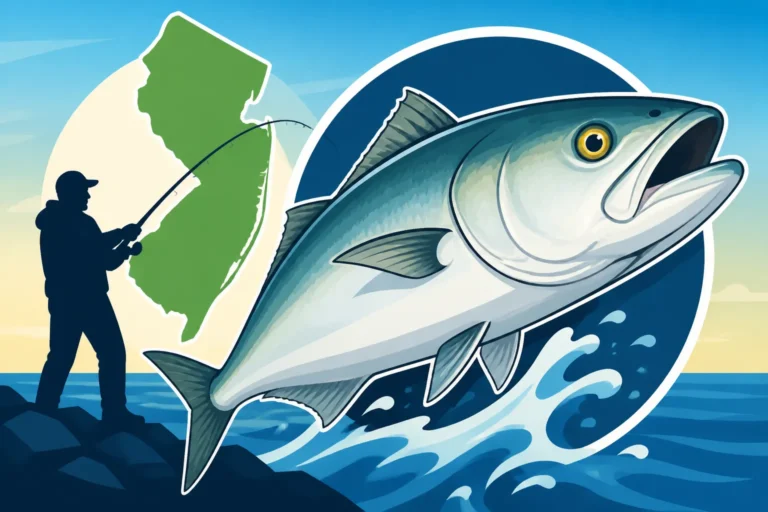
Bluefish size expectations in New Jersey waters, growth rates, and the environmental factors influencing maximum weight.
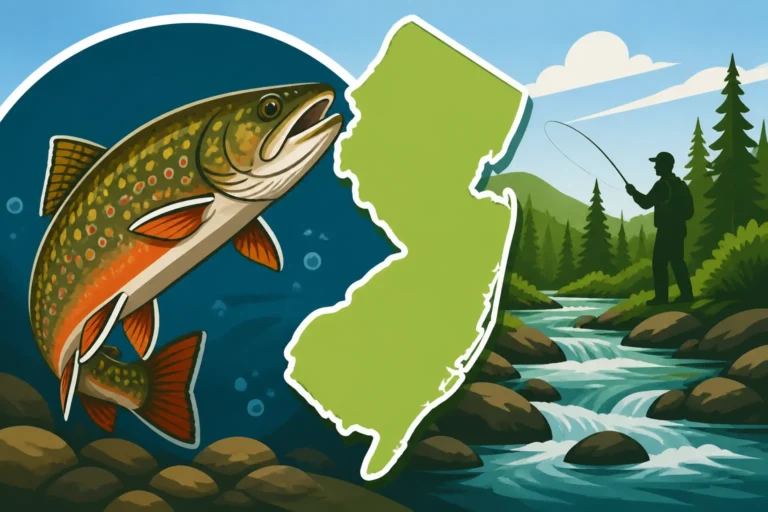
Wild brook trout in New Jersey live in cold streams, and anglers can identify them by vibrant red spots and white fin edges.
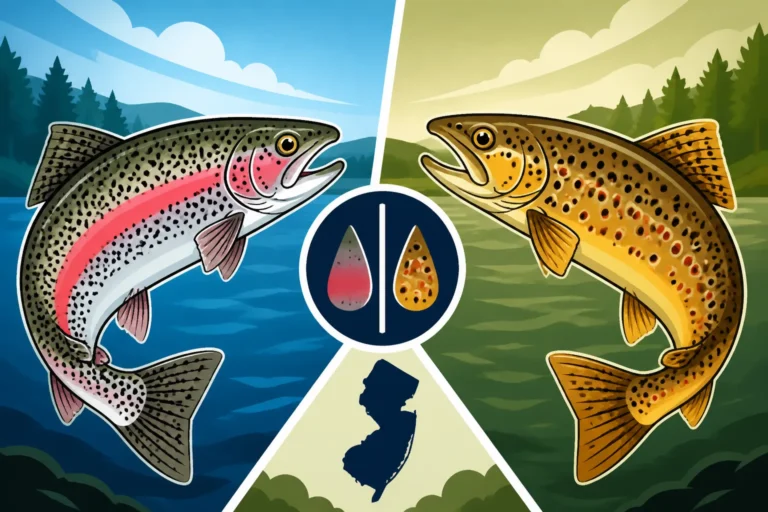
Rainbow trout and brown trout identification details include distinct physical characteristics, coloration, and tail spot patterns.
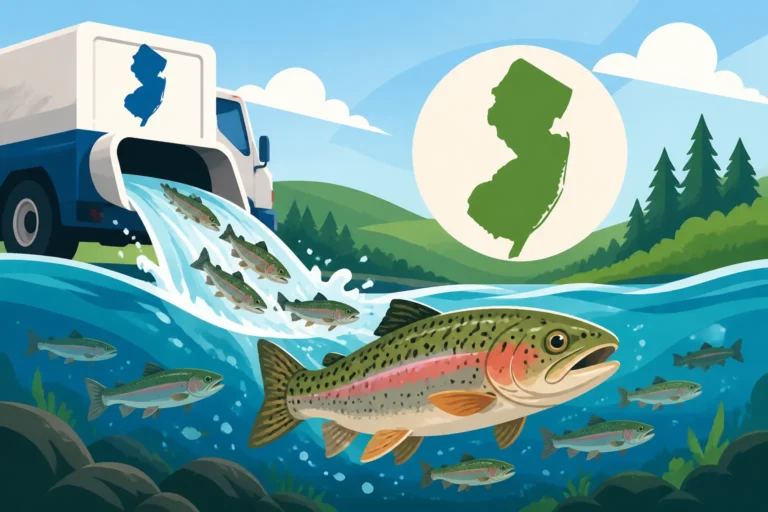
New Jersey trout stocking releases hundreds of thousands of fish into over two hundred lakes, ponds, and streams every year.
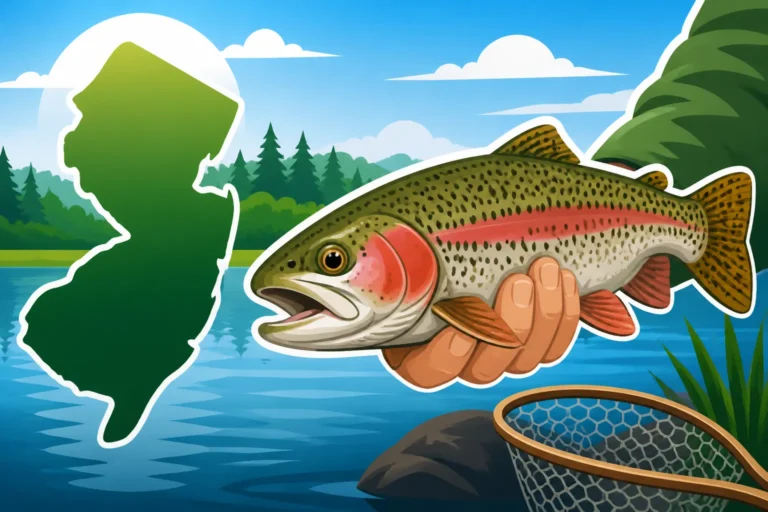
New Jersey trophy trout lakes feature specific environmental conditions and management practices that produce fish over twenty inches long.
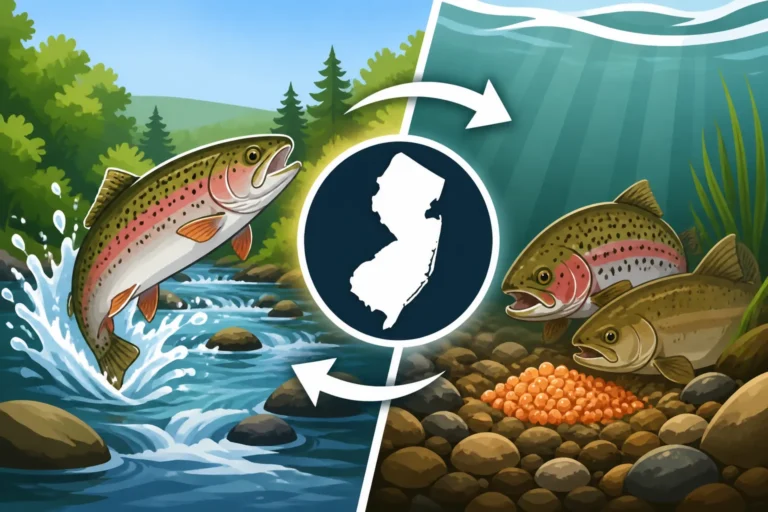
Natural trout reproduction in New Jersey streams involves native brook trout and limited naturalized brown trout populations.