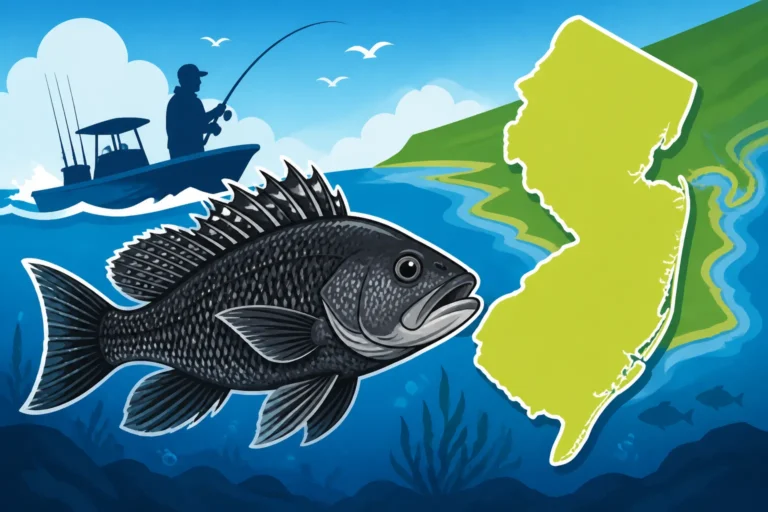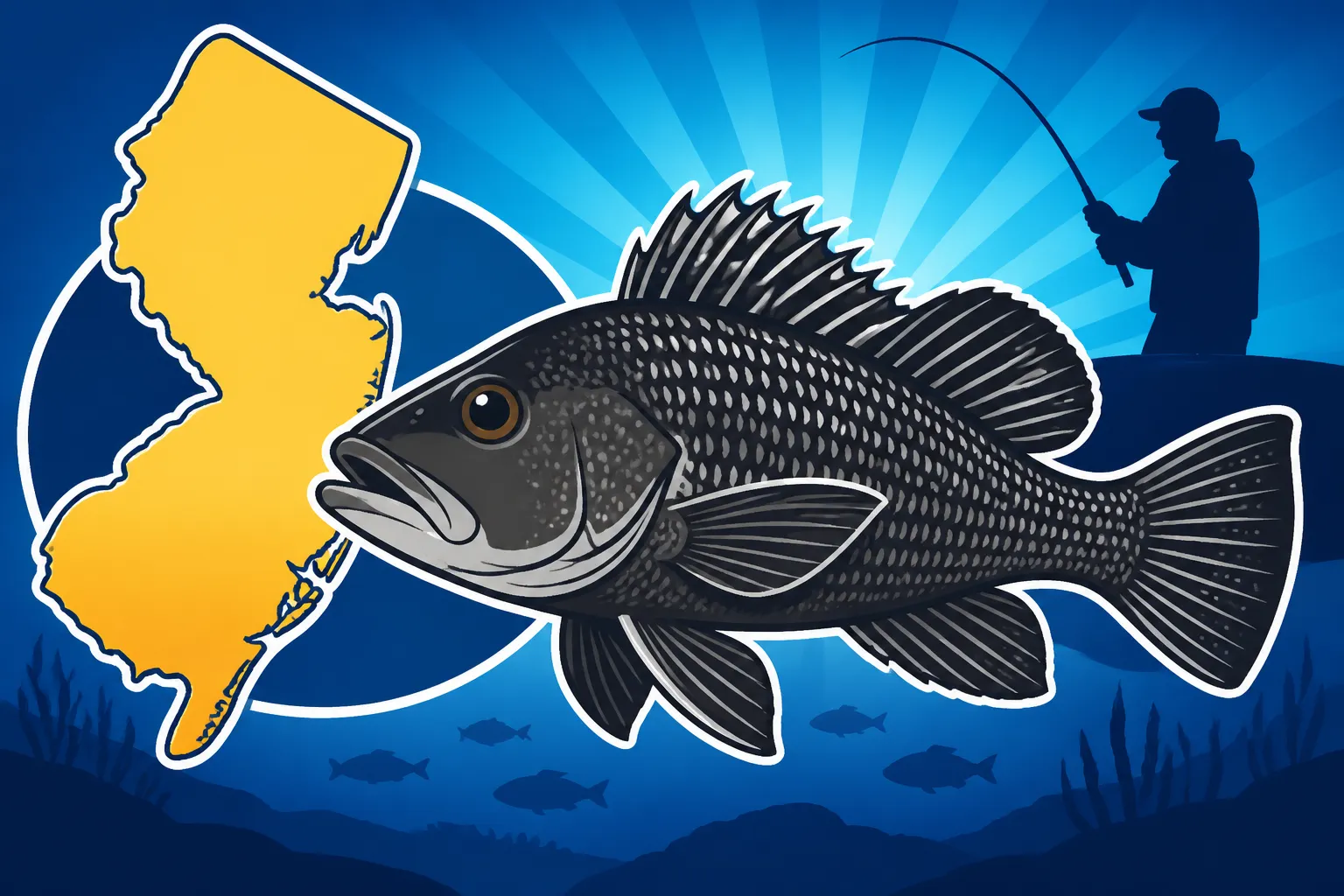
What Is the New Jersey Black Sea Bass State Record?
Every angler dreams of that one fish, the kind that makes your heart pound and your hands shake a little when you finally get it to the boat. For many of us in New Jersey, that dream fish is often a monstrous black sea bass, a species known for its feisty fight and delicious table fare. This guide isn't just about the numbers; it's about the journey, the challenge, and the immense pride in chasing — or even breaking — the formidable state record for black sea bass right here in our incredible New Jersey waters.
The Thrill of Chasing a State Record Black Sea Bass in New Jersey
There's a special kind of magic that comes with pursuing a state record. It's not just about catching a big fish; it's about pushing your skills, understanding the species intimately, and being in the right place at the right time. Black sea bass might start small, often caught in plentiful numbers in our bays and nearshore reefs, but they can grow into absolute beasts. These larger specimens are not only impressive to look at but also put up an incredible fight, often surprising anglers with their power and stubbornness. Imagine the sheer exhilaration of reeling in a fish that, once weighed and verified, could etch your name into New Jersey's fishing history! It's a dream that keeps many of us heading out to the wrecks and reefs, constantly learning and refining our techniques. If you're looking to understand more about this fantastic species, check out our comprehensive guide on Black Sea Bass Fishing in New Jersey.
Unveiling the Current New Jersey Black Sea Bass State Record
New Jersey proudly holds a remarkable black sea bass state record, a truly impressive specimen that exemplifies the potential for trophy catches in our waters. This significant fish was brought in by a dedicated angler, setting a high bar for future catches and inspiring many to seek out their own giants.
The Record Holder and Their Amazing Catch
The current New Jersey state record black sea bass is a truly monumental catch, a fish that weighed in at an astounding number of pounds, far exceeding the typical size of even a large black sea bass. It was caught by a persistent angler off the coast of New Jersey, highlighting the incredible potential of our offshore waters and artificial reef sites. While exact details of every record are publicly available, what truly stands out about this particular fish is its sheer size and the conditions likely involved in its capture. Imagine the fight this angler must have had on their hands, bringing up such a magnificent creature from the depths. It takes skill, the right gear, and a bit of luck to encounter a black sea bass of this caliber. This fish wasn't just big; it was a testament to the thriving populations of this species in our state.
Why This Record Stands Out
This record-holding black sea bass isn't just a number; it represents the absolute pinnacle of what New Jersey's waters can produce for this species. What makes a fish like this so exceptional? It's often a combination of factors: an individual fish that managed to avoid predators and anglers for many years, finding a rich feeding ground, and growing to an extraordinary size. These deep-water denizens, particularly those found on the most productive wrecks and reefs, have access to an abundant food supply and the protection of complex structures. The record catch wasn't a fluke (no pun intended!); it was likely the result of targeting specific, undisturbed locations where older, larger fish congregate. Understanding the New Jersey Black Sea Bass Season and Limits is crucial for any angler hoping to target these impressive fish legally and ethically.
Understanding Black Sea Bass in New Jersey Waters
To truly appreciate the state record, and perhaps even dream of surpassing it, it's vital to understand the black sea bass itself. These aren't just any bottom fish; they are cunning, strong, and highly adapted to their rocky, structured environments.
Characteristics of a Trophy Black Sea Bass
When we talk about a "trophy" black sea bass, we're not just talking about one that meets the legal size limit. We're talking about a fish that stands out from the rest. A typical keeper black sea bass might be a pound or two, but a trophy often weighs many pounds, pushing towards double digits. These giants develop a much deeper body, a larger head, and often display more vibrant coloration, sometimes with striking blue and purple hues on their fins. Their dorsal spines become more pronounced, giving them a truly formidable appearance. They are also incredibly strong for their size, capable of pulling hard and diving back into structure, making them a challenge to land. To learn more about their general size, check out How Big Do Black Sea Bass Get?.
Where These Giants Hide
Black sea bass are structure-oriented fish, and the biggest ones are experts at finding the best hiding spots. They absolutely love wrecks, natural rock outcroppings, artificial reefs, and any other kind of complex bottom structure that offers both ambush points for feeding and protection from predators. In New Jersey, this means many of our best spots for sea bass are offshore, often requiring a boat to access. Using a reliable fish finder to locate these underwater havens is critical. These structures act like underwater apartment buildings, attracting baitfish, which in turn attract hungry sea bass. The deeper the water and the more intricate the structure, the more likely you are to find those massive, older fish. Knowing How Deep Do You Need to Fish for Black Sea Bass? is a key piece of the puzzle.
What Black Sea Bass Eat
Black sea bass are opportunistic predators with a varied diet, which is a big part of why they grow so large. Their menu includes a wide array of marine life: crabs (especially green crabs and fiddler crabs), small lobsters, clams, mussels, squid, and even smaller baitfish. This diverse diet allows them to thrive in different environments and seasons. For an angler targeting a record, understanding their feeding habits is crucial. Presenting the right bait in the right way can be the difference between a small keeper and a state-contending giant. Often, a fresh piece of clam, squid, or a whole green crab will entice the largest and most wary fish that might ignore smaller offerings.
Strategies for Targeting Record-Breaking Black Sea Bass
If you're serious about targeting a black sea bass that could challenge the state record, you need a different approach than just dropping a line over a popular reef. It requires preparation, specific gear, and a deep understanding of their habits.
Gear Up for the Big Ones
Chasing a record black sea bass means upgrading your tackle beyond the light setups often used for smaller keepers. You'll want a medium-heavy to heavy conventional or spinning rod with a fast action, paired with a reel that has a smooth, powerful drag and enough line capacity for deeper water. Many anglers find a great selection of robust rods and reels on platforms like Amazon, ensuring they have the strength needed. Your line should be braided, typically 30-50 pound test, for sensitivity and strength, with a fluorocarbon leader of 30-60 pound test for abrasion resistance against sharp structures. Terminal tackle needs to be stout: strong hooks (circle hooks are often preferred and, for some species, required when fishing with bait to ensure better fish survival if released), and heavy sinkers to hold bottom in strong currents. Remember, you're not just fighting the fish, but also the ocean's elements. If you're thinking about deep sea fishing, our New Jersey Deep Sea Fishing Charters guide can give you insights into what pros use.
Effective Techniques for Deeper Water
When fishing for those truly massive black sea bass, you're often looking at deeper water, 50-150 feet or more, over prominent structures. Vertical jigging with heavy metal jigs can be incredibly effective, especially when fish are actively feeding. The key is to get your jig right into the strike zone, often just above or within the structure, and work it with an aggressive retrieve. For bait fishing, a high-low rig or a simple snelled hook rig with a heavy sinker is standard. Fresh bait, such as whole squid, large chunks of clam, or live green crabs, often proves irresistible to the biggest fish. Dropping down to specific marks on your fish finder, letting your bait or jig hit bottom, and then reeling up a few feet to avoid snags is a common strategy. Patience is key, but so is being proactive: if you're not getting bites, move to a different part of the wreck or reef. Mastering How to Fish for Black Sea Bass Near Reefs is essential for this pursuit.
Documenting Your Potential Record Catch
Catching a potential state record is only half the battle; documenting it correctly is just as important. If you believe you have a record-worthy fish, here's what you need to do immediately:
- Keep the Fish Alive (if possible, but for a record, often not): For state records, the fish generally needs to be weighed on a certified scale, which means it cannot be released. Keep it on ice immediately to maintain its weight and condition.
- Take High-Quality Photos: Get clear shots of the fish from multiple angles, especially alongside a ruler or measuring tape (though official measurements will come later). Include photos of the entire fish, close-ups of distinguishing features, and photos with the angler.
- Find a Certified Scale: This is crucial. Most tackle shops, marinas, or butcher shops might have certified scales. Call ahead to ensure they are available and willing to assist. The scale must be certified by a state-approved entity.
- Have Witnesses: The more credible witnesses to the weighing and measuring, the better. Have them sign affidavits if required.
- Contact NJ Fish & Wildlife: Reach out to the New Jersey Division of Fish and Wildlife for official procedures and forms. They will have specific requirements for species identification and record submission. Knowing how to use resources like Reading the New Jersey Fish and Wildlife Digest will be invaluable.
The Process of Submitting a State Record Application
So, you've landed a fish that you truly believe could be the new state record. What now? The process of formalizing a state record is rigorous and designed to ensure accuracy and integrity.
Requirements and Verification
The New Jersey Division of Fish and Wildlife has a very specific protocol for state record submissions. It's not enough to just catch a big fish; you need to prove it beyond a shadow of a doubt. The primary requirements typically include:
- Official Weigh-In: The fish must be weighed on a scale that has been certified for accuracy by a government agency (like the Office of Weights and Measures). This usually means bringing your catch to a licensed bait and tackle shop, marina, or other facility equipped with such a scale.
- Measurements: Precise length and girth measurements will be taken.
- Photographic Evidence: Clear, high-resolution photographs of the entire fish, the angler, the scale, and the measuring process are often required.
- Witnesses: Independent witnesses, ideally not directly affiliated with the angler, must verify the catch, weighing, and measuring process.
- Species Identification: A state fisheries biologist may need to confirm the species, especially if there are similar-looking fish that could cause confusion.
- Angler and Tackle Information: Details about the angler, the date and location of the catch, and the rod, reel, line, and bait/lure used will be collected. This is to ensure fair chase and adherence to ethical angling practices.
It’s an exacting process, but it’s what gives state records their prestige.
What Happens After Submission
Once you've submitted all the necessary documentation, photos, and witness statements to the New Jersey Division of Fish and Wildlife, their fisheries experts will review everything. This review process can take some time as they meticulously cross-reference all the details to ensure every requirement has been met. They may consult with biologists to confirm species identification or even request additional information.
If everything checks out, and your fish is indeed verified as the new state record, you'll receive official recognition. This often includes a certificate, public announcement, and the immense satisfaction of knowing your name is in the record books. It's a moment of immense pride, not just for the angler, but for the local fishing community as a whole, inspiring others to keep exploring New Jersey's incredible fishing opportunities. It's a fantastic achievement that stands as a testament to your dedication and skill on the water.
| Characteristic | Typical Keeper Black Sea Bass | Trophy Black Sea Bass (Record Potential) |
|---|---|---|
| Weight | 1-3 pounds | 8+ pounds (potentially double digits) |
| Length | 12-16 inches | 20+ inches (approaching 30 inches) |
| Age | Younger, faster growing | Older, slower growing |
| Habitat | Nearshore reefs, wrecks, structure | Deeper, complex offshore wrecks and reefs |
| Body Shape | More slender | Deeper, thicker body, larger head |
| Coloration | Dark gray/brown, mottled | Often darker, more vibrant blues/purples on fins |
| Fighting Style | Strong pull, quick runs | Extremely powerful, stubborn dives into structure |
| Rarity | Common | Very rare, highly sought after |
Chasing a state record for black sea bass in New Jersey is more than just a fishing trip; it's an adventure into the potential of our incredible marine environment. It's about respecting the fish, understanding their world, and pushing your own limits as an angler. Who knows? With the right preparation, a bit of luck, and a whole lot of perseverance, your name could be the next one in the record books. Keep those lines tight and those dreams big!
Disclaimer
This article is for general informational purposes only and does not constitute professional advice. Laws, prices and regulations vary by location and change over time. Consult a qualified professional for guidance on your specific situation.