Typical Size of a Crappie Caught in New Jersey Ponds
For many freshwater anglers in New Jersey, there's a certain magic to targeting crappie. They're fun to catch, often plentiful, and make for excellent table fare. However, you might find yourself wondering, "What's a typical size for a crappie caught in a New Jersey pond?" It can be a little disheartening to see photos of enormous "slab" crappie from other regions and then pull in smaller fish here. This guide will explore the average sizes of crappie in New Jersey, delve into the factors that influence their growth, and give you solid advice on how to find and catch those bigger panfish you've been dreaming about.
Understanding New Jersey Crappie: Black vs. White
Before we talk about size, it's really important to understand that there are two main species of crappie commonly found in New Jersey waters: the black crappie and the white crappie. While they share many similarities and are often caught in the same spots, they have distinct characteristics that can sometimes influence their typical size and preferred habitats. Knowing the difference can actually help you become a more effective crappie angler.
The Two Common Crappie Species
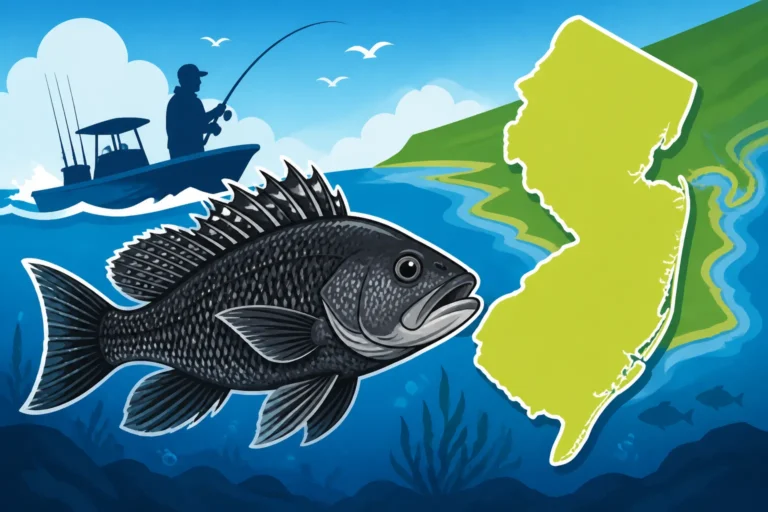
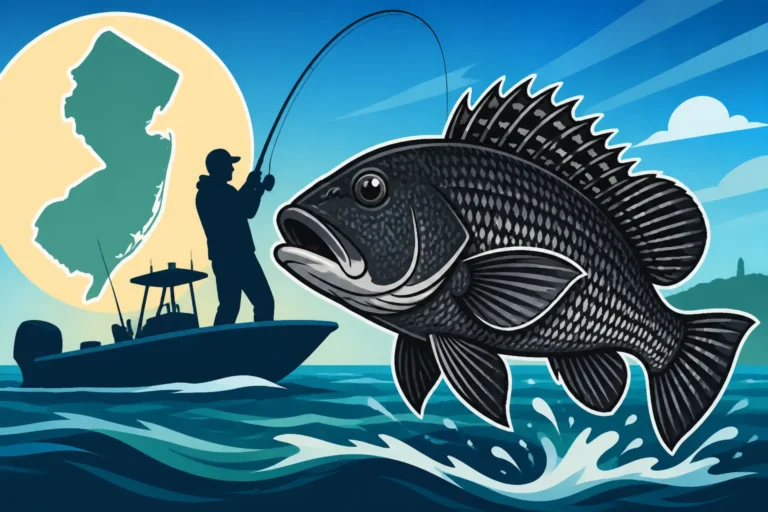
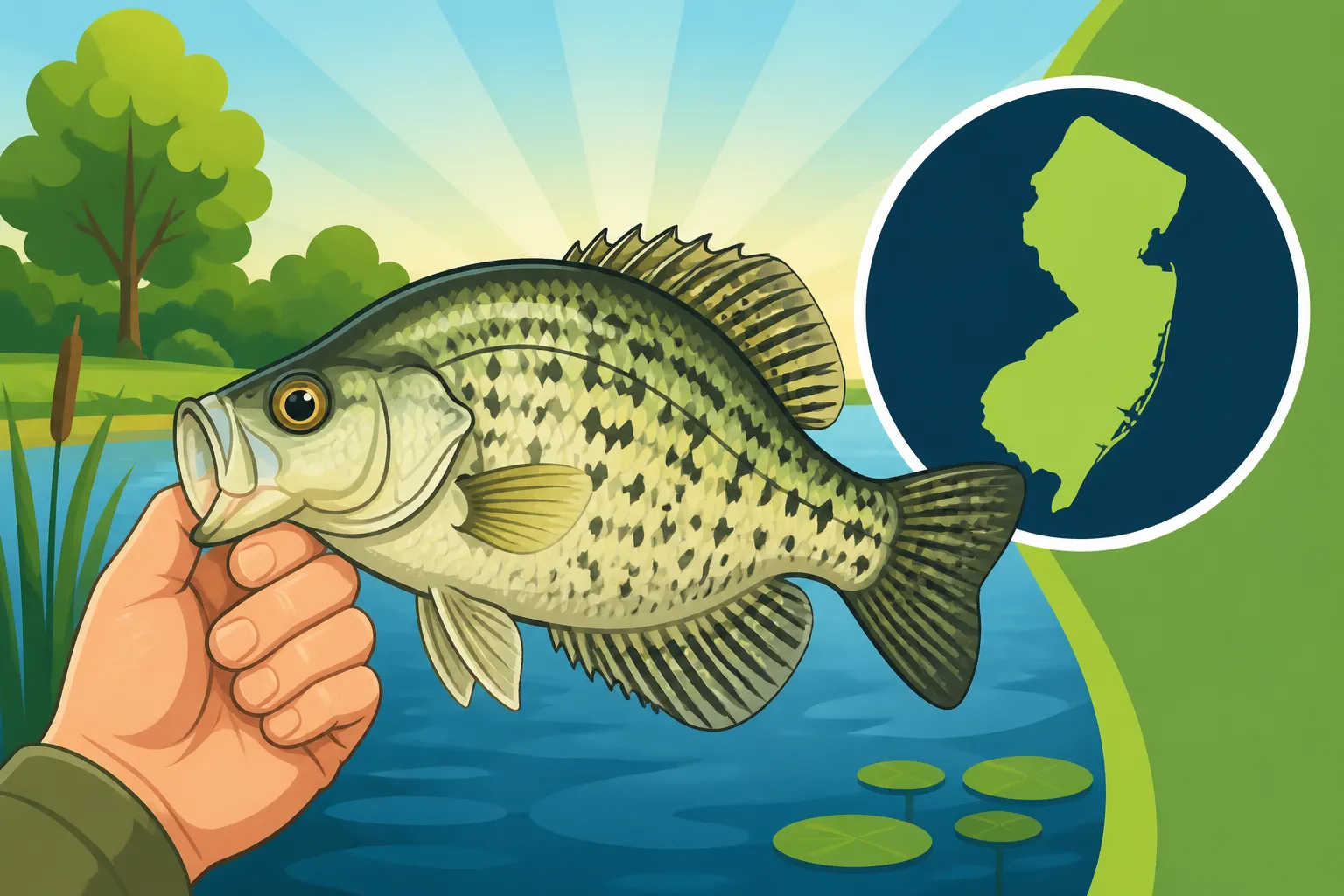
Black crappie, Pomoxis nigromaculatus, are generally more prevalent across New Jersey, especially in our clearer, cooler lakes and ponds with abundant vegetation and structure. They have a deeper, more compressed body shape, and their sides are typically marked with irregular, scattered black spots, giving them a "peppered" appearance. You'll notice they have seven or eight dorsal spines, which is a key identifier. These fish tend to be a bit more cold-tolerant and often thrive in waters that might be less ideal for their white crappie cousins.
White crappie, Pomoxis annularis, on the other hand, are often found in more turbid (cloudy) waters, rivers, and larger impoundments with less vegetation but still plenty of submerged timber or rock piles. They have a more elongated body compared to the black crappie, and their black spots are usually arranged in seven to nine distinct vertical bands along their sides. They also have six dorsal spines, which is another easy way to tell them apart. White crappie can tolerate warmer, murkier water conditions a bit better than black crappie. While both are fantastic sport fish, their subtle differences in habitat preference mean you might encounter one more frequently than the other depending on where you cast your line in New Jersey. For a broader look at this species, check out our New Jersey Crappie Fishing Guide.
Key Characteristics and Habitat Preferences
The habitat differences between black and white crappie aren't just academic; they influence where you might find them and, by extension, what sizes you can expect. Black crappie are ambush predators that love hiding in dense cover – think lily pads, submerged brush, fallen trees, and docks. If you're fishing a pond with lots of natural vegetation or man-made structures, chances are you'll be running into more black crappie. Their preference for cleaner water often means these habitats offer a richer food source base of smaller baitfish and aquatic insects.
White crappie, while still fond of structure, are often found suspended in open water near deep channels or around large, isolated structures in less vegetated areas. They're more inclined to follow schools of baitfish, making them a bit more nomadic. When you're on a larger lake or slow-moving river with murkier water, you're more likely to encounter white crappie. Both species are phenomenal panfish, and typically, the ponds and lakes throughout New Jersey will have a mix of both, sometimes with one species dominating due to local environmental conditions. Understanding these nuances helps tailor your approach.
What to Expect: Typical Crappie Sizes in New Jersey Ponds
So, let's get down to the brass tacks: what size crappie are you really going to catch in a typical New Jersey pond? It’s true that while we have some fantastic crappie fishing, our state isn’t necessarily known for the gargantuan "dinner plate" crappie that some southern states boast. But don't let that discourage you; New Jersey offers plenty of healthy, respectable crappie.
Average Size Ranges Across the State
For most New Jersey ponds, a typical crappie – whether it's a black or white crappie – will fall into the 7 to 10-inch range. These are really common sizes, and catching a mess of these makes for a truly enjoyable day on the water and a delicious meal. They're perfect for younger anglers or those just looking to bend a rod without battling a monster. While these are the averages, it's definitely not uncommon to land crappie in the 10 to 12-inch range, especially in well-managed ponds or those with less fishing pressure.
Anything over 12 inches is considered a very nice crappie in New Jersey and is often referred to as a "slab" by local anglers. These are the fish that make you smile widest and pose for that quick photo before release (or heading to the fryer!). While rarer, crappie pushing 14 to 15 inches are indeed caught in the Garden State, particularly in larger reservoirs and some of our more fertile, well-established ponds. It's all about finding the right spot and understanding what contributes to bigger fish.
When You Might Encounter a "Slab" Crappie
Landing a true "slab" crappie – that 12-inch plus fish – is often the result of a combination of factors, not just luck. These larger fish are typically older, have found abundant food sources, and reside in environments with stable water conditions. You're more likely to encounter these bigger crappie in larger bodies of water, like some of our state's bigger lakes and reservoirs, which offer more diverse habitat and often a more robust food chain. Think places that hold healthy populations of baitfish.
However, don't rule out smaller, well-managed ponds! Sometimes, a pond that isn't heavily fished can surprise you with a few older, larger crappie that have had plenty of time to grow. Early spring and late fall are often prime times when crappie, especially the bigger ones, become more active and concentrate in certain areas for spawning or feeding, making them more accessible to anglers. Targeting them during these periods with the right approach significantly increases your chances of hooking into one of those desirable "slabs."
Factors Influencing Crappie Size and Health
It's not just about the species; a whole host of environmental and ecological factors play a huge role in how big crappie grow in any given New Jersey pond. Understanding these can help you choose better fishing spots and even appreciate the dynamics of the ecosystem.
Pond Dynamics and Food Availability
The fertility of a pond is probably the biggest driver of fish growth. A pond rich in nutrients, with a healthy plankton bloom, will support a robust population of insects and small baitfish like minnows and juvenile sunfish. This abundant food source allows crappie to grow faster and reach larger sizes. Conversely, a less fertile pond, perhaps with sandy bottoms and sparse vegetation, simply won't have the carrying capacity to support many large crappie, no matter how old they get. They might be numerous, but they'll be stunted. This is a common phenomenon with many panfish species; too many fish in a small, less productive body of water can lead to overcrowding and smaller average sizes.
Another aspect is the presence of other predator fish. Ponds with a balanced population of larger predators like largemouth bass can actually help crappie populations. These predators thin out the smaller, weaker crappie, reducing competition for food and allowing the remaining crappie to grow larger. If a pond is overrun with crappie and lacks sufficient predators, it often results in a stunted population where most fish are small. These are the nuances that fishery biologists manage.
Water Quality and Environmental Stressors
Good water quality is absolutely essential for healthy fish growth. Crappie thrive in clear to moderately clear water with stable oxygen levels and appropriate pH. Ponds that suffer from pollution, excessive algae blooms (which can deplete oxygen at night), or extreme temperature fluctuations can stress fish, slowing their growth and making them more susceptible to disease. A pond with good water clarity also allows sight-feeding crappie to more effectively hunt their prey. You'll often find that ponds known for good crappie fishing also boast excellent overall water quality.
Environmental stressors like drought or sudden, drastic changes in water levels can also impact crappie populations. Low water levels can concentrate fish, making them easier prey for birds and other animals, and can also reduce the overall habitat available. Extreme heat waves can lead to warmer water temperatures, which might stress crappie and reduce their feeding activity, thus limiting growth. These are natural cycles that our fish populations must contend with, and they certainly affect the average size of crappie you might encounter year to year. For more about keeping fish healthy, consider Catch and Release Rules in New Jersey.
Fishing Pressure and Management Practices
Fishing pressure is another significant factor. Ponds that are easily accessible and heavily fished tend to have a higher harvest rate of larger crappie. While this can provide good fishing for smaller fish, it also means the biggest, oldest fish are often removed from the population more frequently, leading to a lower average size over time. Conversely, more remote or harder-to-reach ponds might hold larger crappie simply because they don't see as many anglers.
State and local fishery management practices also play a crucial role. Stocking programs, habitat improvement projects (like adding brush piles or sunken structures), and even specific regulations like daily bag limits can influence crappie size. Some ponds might be managed specifically for panfish, ensuring a healthy population, while others might focus on larger game fish, with panfish as a secondary benefit. Reading the New Jersey Fish and Wildlife Digest is always a good idea to stay informed about local regulations and any special management zones that could impact crappie sizes.
Strategies for Targeting and Catching Larger Crappie
Now that we understand what makes crappie tick and what influences their size, let's talk about how you can improve your chances of catching those bigger New Jersey crappie. It's a mix of knowing your gear, understanding fish behavior, and a little bit of patience.
The Right Gear and Techniques
When it comes to crappie, light tackle is the name of the game, especially for targeting bigger fish. A sensitive ultralight or light action spinning rod, around 6 to 7 feet long, paired with a small spinning reel spooled with 4 to 6-pound test monofilament or fluorocarbon line, is ideal. This setup allows you to feel those subtle bites that bigger crappie often give. You don't want heavy gear for crappie; it takes all the fun out of it and makes detecting light strikes much harder. You can find some excellent beginner combos on places like Amazon that are perfectly suited for crappie fishing.
As for techniques, vertical jigging is incredibly effective, especially when crappie are schooling around structure. Small jigs, typically 1/32 to 1/8 ounce, tipped with a small plastic grub, tube, or a live minnow, are deadly. Cast beyond your target structure and slowly retrieve, or simply drop it directly down into cover. Tipping your jig with a live minnow or a small piece of Gulp Bait vs Live Bait for Fluke Fishing (though this is for fluke, Gulp! minnows are also excellent for crappie) can significantly increase your success. Don't be afraid to experiment with different colors and sizes of jigs until you find what the crappie are biting on that day. Another great approach is fishing with a small bobber and a live minnow, allowing the bait to suspend at the depth where the crappie are holding.
Best Times and Locations to Find Bigger Fish
Timing and location are absolutely crucial for finding bigger crappie. As mentioned earlier, spring and fall are prime times. In the spring, crappie move into shallower waters to spawn, often congregating around submerged brush, lily pad stems, or even fallen trees in 2-6 feet of water. This is when they are most accessible and aggressive. Look for northern shorelines that warm up faster in the spring sun. In the fall, they often move to deeper water but will school up to feed heavily before winter, making them easier to locate with a fish finder or by simply exploring drop-offs and channel edges.
During the hot summer months, crappie will typically retreat to deeper, cooler water, often suspending over structure like old creek beds, submerged roadbeds, or brush piles in 10-20 feet of water. Don't overlook shaded areas created by bridges or overhanging trees, as these provide cooler water and cover. In winter, during ice fishing season, crappie often school tightly in deep basins or around main lake points. How to Ice Fish for Panfish in New Jersey can give you more specific tactics for that colder time of year. Always look for structure – crappie are rarely found in wide-open, featureless areas. Think of brush piles, fallen trees, docks, bridge pilings, and even rock formations; these are crappie magnets. Our New Jersey State Park Ponds Stocked With Trout are often excellent spots for crappie as well, as they are usually well-maintained and fertile.
Crappie Conservation and Responsible Angling
While crappie are delicious, practicing responsible angling is vital for maintaining healthy populations and ensuring good fishing for years to come. Consider keeping only what you plan to eat and releasing the larger "slab" crappie. These bigger fish are the prime breeders, and returning them to the water ensures they can continue to pass on their genes for fast growth. It's often better to keep a few of the 8-10 inch crappie for dinner and let the 12-inchers swim another day.
Here's a quick comparison of our two crappie species:
| Feature | Black Crappie | White Crappie |
|---|---|---|
| Body Shape | Deeper, more compressed | More elongated, less compressed |
| Markings | Irregular, scattered black spots | 7-9 distinct vertical black bands |
| Dorsal Spines | 7-8 | 6 |
| Preferred Water | Clearer, cooler, heavily vegetated | More turbid, warmer, open water with structure |
| Diet | Insects, small crustaceans, baitfish | Primarily baitfish, insects |
| Typical NJ Size | 7-10 inches (up to 14+ inches in prime spots) | 7-10 inches (up to 14+ inches in prime spots) |
Always be mindful of New Jersey Daily Bag Limits by Species, which can change, so always check the current regulations before heading out. Using circle hooks when fishing with live bait can also reduce gut-hooking, improving the survival rate of released fish. If you're looking for new gear, I often check Amazon for crappie jigs, ultralight rods, and even a new tackle box to keep everything organized. Happy crappie fishing!
Disclaimer
This article is for general informational purposes only and does not constitute professional advice. Laws, prices and regulations vary by location and change over time. Consult a qualified professional for guidance on your specific situation.