Are Blue Catfish an Invasive Species in New Jersey?
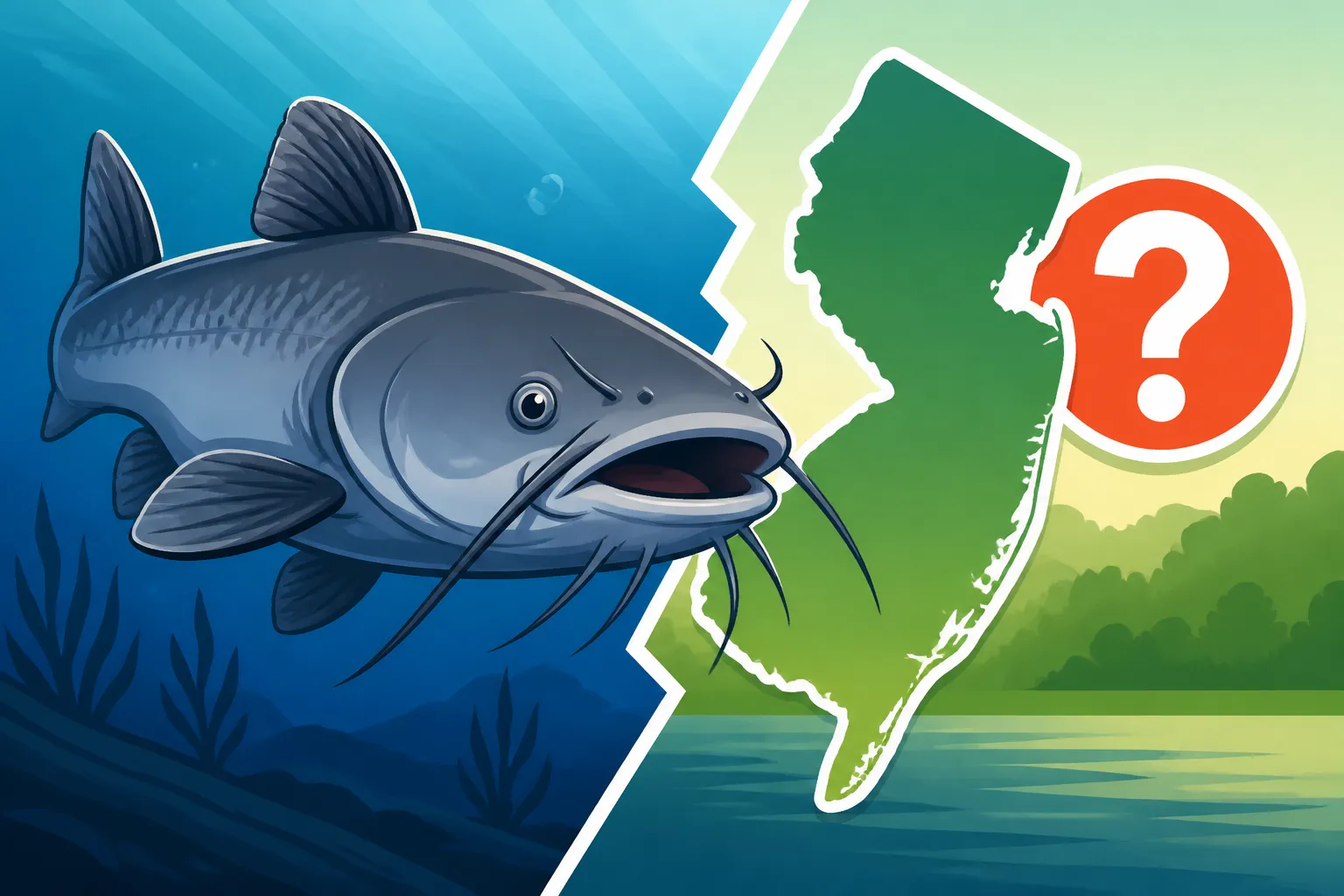
It’s a fair question, and one that often pops up in conversations among New Jersey anglers: are blue catfish an invasive species? For many, catfish are just, well, catfish – a fun, often plentiful fish to catch, especially for those who enjoy targeting larger freshwater species. But the truth is, not all fish are created equal when it comes to their impact on local ecosystems. This guide will clarify the status of blue catfish in the Garden State, why their presence is a concern, and what it means for you as an angler.
Understanding What Makes a Species Invasive
Before we dive specifically into the blue catfish, let’s clear up some common misconceptions about what an "invasive species" truly means. It’s not just about a fish being new to a particular lake or river; it's about the ecological domino effect that can follow.
Defining "Invasive" in an Ecosystem
When we talk about an "invasive species," we're generally referring to a species that is non-native to a specific ecosystem and whose introduction causes, or is likely to cause, economic or environmental harm, or harm to human health. It's a critical distinction. A non-native species might exist in an area without causing significant problems, but an invasive one actively disrupts the delicate balance of the local environment. Think of it like a guest who not only overstays their welcome but also rearranges all your furniture and eats all your food.
Many anglers, especially those new to conservation discussions, might wonder, "They're just fish, right? What's the big deal?" The big deal is that native species have evolved over thousands of years to coexist with each other, forming intricate food webs and interdependencies. Introducing a new, aggressive competitor or predator can unravel that natural tapestry very quickly, often with irreversible consequences. It’s a nuanced topic, but one with very real stakes for our local waterways.
The Ecological Threats of Invasive Species
The threats posed by invasive species are varied and can be devastating. They often outcompete native species for food, habitat, and spawning grounds. Picture a small, native sunfish population that relies on certain insect larvae for food. If a new, larger fish with a voracious appetite moves in and also targets those larvae, the native population can quickly starve or be displaced. This competition can extend to larger game fish, affecting species that anglers actively seek out.
Beyond competition, invasive species can also be direct predators, consuming the eggs, larvae, or even adult forms of native fish and amphibians. They can introduce diseases or parasites that native species have no natural immunity to, leading to widespread die-offs. In some cases, they can even alter the physical habitat itself, affecting water quality or plant life. The long-term impact is a reduction in biodiversity, weakening the entire ecosystem and making it less resilient to other environmental pressures.
The Blue Catfish's Journey to New Jersey Waters
The blue catfish, a truly impressive freshwater fish, wasn't always a part of New Jersey's aquatic landscape. Its story here is one of human introduction and subsequent spread.
Native Range and Introduction History
Blue catfish (Ictalurus furcatus) are actually native to the Mississippi River Basin, including major tributaries like the Missouri, Ohio, and Arkansas Rivers. They are a significant sport and food fish within their native range, known for their large size and strong fighting capabilities. However, their journey to states outside this natural habitat, like New Jersey, wasn't by chance. They were introduced to various East Coast river systems, primarily the Chesapeake Bay tributaries (like the James, York, and Rappahannock Rivers in Virginia), in the 1970s and 80s for recreational fishing purposes. The idea was to create a new, exciting fishery.
Unfortunately, what seemed like a good idea at the time often has unintended consequences. These introductions, combined with their incredible adaptability and reproductive success, allowed them to establish robust populations. From these initial introduction points, blue catfish have gradually expanded their range, moving upstream and downstream into connected waterways. Their presence in New Jersey, particularly in the Delaware River system, is a direct result of these established populations expanding their territory. They didn't just swim here on their own from the Mississippi; they are here because of human actions, whether intentional stocking in a connected watershed or accidental escapes.
Identifying Blue Catfish in New Jersey
When you're out on the water, especially if you're targeting other catfish species, it's really helpful to know how to properly identify a blue catfish. They share some similarities with our native channel catfish and bullheads, which can lead to confusion. The most distinctive feature of a blue catfish is its deeply forked tail, much more pronounced than the slightly notched tail of a channel catfish or the rounded tail of a bullhead. Their coloration is typically a slate blue to silvery-gray on their backs, fading to white on their bellies, without the spots that often adorn a channel catfish, especially juveniles. They also tend to have a noticeably longer, straighter anal fin with 30-36 rays, compared to the channel catfish's 24-29 rays.
Here's a quick comparison to help you tell them apart:
| Feature | Blue Catfish | Channel Catfish | Brown Bullhead |
|---|---|---|---|
| Tail Fin | Deeply forked | Moderately forked/notched | Rounded or slightly notched |
| Coloration | Slate blue/silvery-gray, no spots | Olive/brown, often with dark spots (esp. juveniles) | Mottled dark brown/greenish, no spots |
| Anal Fin Rays | 30-36 (straight edge) | 24-29 (rounded edge) | 17-24 (rounded edge) |
| Head Shape | Sloping, somewhat pointed | Rounded | Broad, flattened |
| Max Size | Very large (often 50+ lbs, can exceed 100 lbs) | Moderate (up to 20-30 lbs) | Small (typically under 5 lbs) |
If you're fishing the Delaware River or its tidal tributaries, and you hook into a really big catfish with that deep fork and no spots, there's a good chance you've found a blue catfish. Knowing the difference is important, as management strategies and angler responsibilities can differ greatly between native and invasive species. New Jersey Catfish Species Guide offers more details on the different types of catfish you might encounter.
Why Blue Catfish Are a Concern in New Jersey
The concern over blue catfish isn't just about their non-native status; it's about the demonstrable and predicted negative impacts they have on New Jersey's aquatic ecosystems. These fish are true ecological bullies, and their unchecked spread could spell trouble for our beloved native fisheries.
Predation and Competition with Native Species
Blue catfish are apex predators and scavengers with incredibly broad diets and voracious appetites. As they grow, they shift from eating insects and crustaceans to larger prey, including smaller fish, mussels, and even other catfish. Imagine a species that can reach well over 50 pounds, has few natural predators in its introduced range, and eats almost anything it can fit into its mouth. They directly compete with native game fish, such as striped bass, smallmouth bass, and even panfish, for crucial food resources. New Jersey Striped Bass Slot Limit Explained and similar regulations are in place to protect native populations, but invasive species add an extra layer of pressure that conservationists constantly battle.
Their sheer size and schooling behavior in certain areas mean they can quickly deplete local populations of forage fish and other aquatic organisms. This isn't just a minor squabble over a few worms; it's a profound shift in the food web dynamics. If blue catfish consume too many of the baitfish that serve as the primary food source for migratory striped bass or local smallmouth bass, those native fish populations will suffer, leading to leaner years for anglers and a less healthy ecosystem overall. The problem is exacerbated by their long lifespan, allowing them to exert this predatory pressure for many years.
Habitat Impact and Ecosystem Disruption
Beyond their diet, the sheer presence and growing populations of blue catfish can lead to significant ecosystem disruption. Their large size means they demand a lot of space and resources, potentially displacing native species from preferred habitats. They thrive in a wide range of conditions, from freshwater rivers to brackish tidal estuaries, which makes them incredibly adaptable and hard to contain. This adaptability allows them to colonize new areas rapidly and establish dominant populations.
When a dominant invasive species like the blue catfish takes hold, it can alter the entire structure of the aquatic community. They can consume so many native mussels and clams, for example, that it impacts water filtration and clarity. By reducing the number of smaller fish that native predators rely on, they can cascade effects throughout the food chain, weakening populations of birds and other wildlife that also depend on those native fish. The Delaware River, a vital waterway for many migratory and resident fish species, is particularly vulnerable to this kind of large-scale disruption from expanding blue catfish populations. Managing their presence in such critical habitats is a significant challenge for state biologists. Delaware River Fishing in New Jersey outlines the rich fishing opportunities here, which are precisely what an invasive species like the blue catfish can threaten.
New Jersey's Stance and Angler's Role
Understanding the threat is one thing, but knowing what to do about it as a responsible angler is crucial. New Jersey has a clear stance on blue catfish, and every person who fishes plays a part in managing their impact.
Official Classification and Management Efforts
The New Jersey Department of Environmental Protection (NJDEP) classifies blue catfish as an undesirable, invasive species in the state's waters. This classification isn't taken lightly; it comes with specific directives aimed at curbing their spread and protecting native species. Unlike native fish where catch-and-release is often encouraged for conservation, for invasive species like the blue catfish, the message is quite different: catch and do not release. If you catch a blue catfish in New Jersey, you are legally encouraged to remove it from the water and harvest it. You should not, under any circumstances, release it back into the water, nor should you transport live blue catfish to other bodies of water. This is a critical point that sometimes catches anglers off guard, especially if they are accustomed to catch-and-release practices for other species.
The state also actively monitors their populations and works to prevent further spread. This includes public awareness campaigns and efforts to educate anglers on identification and proper handling. The goal is to prevent them from becoming more established in systems where they are not yet prevalent and to reduce their numbers where they have already taken hold. Remember, introducing any non-native species, whether intentionally or accidentally, is typically illegal and can carry significant penalties. Penalties for Fishing Without a License in New Jersey also often apply to violations of other fishing regulations, including those concerning invasive species.
The Angler's Responsibility in Managing Invasive Species
As an angler, you are on the front lines of conservation. Your actions truly make a difference in the fight against invasive species like the blue catfish. The primary responsibility, as mentioned, is to harvest any blue catfish you catch and never release them back into the water. If you're not going to eat it, consider giving it to someone who will, or properly dispose of it on land. This practice is often referred to as "catch and keep" for invasives and is a direct way you can help reduce their numbers.
Beyond that, practicing good "clean, drain, dry" habits with your fishing gear, especially if you're moving between different bodies of water, is paramount. This means thoroughly cleaning your boat, trailer, waders, nets, and any other equipment to ensure you're not inadvertently transporting tiny eggs, larvae, or plant fragments that could carry other invasive species. A simple scrub-down and allowing gear to fully dry in the sun can prevent a lot of problems. If you encounter any fish you suspect might be an invasive species you're unfamiliar with, report it to the NJDEP Division of Fish and Wildlife and definitely do not release it. Understanding New Jersey Freshwater Fishing Regulations Every Angler Should Know is your first step in being a responsible angler.
Fishing for Blue Catfish: Sport vs. Conservation
Let's be honest: blue catfish are a blast to catch. They grow to impressive sizes, pull hard, and can put up an exciting fight, making them a popular target for many anglers in states where they are established. You might even find specialized heavy-duty catfish rods, reels, and durable lines specifically designed for these powerful fish available on platforms like Amazon. They also make for excellent table fare, with firm, white meat that's quite tasty. So, there's a natural inclination to enjoy fishing for them, and that's perfectly fine in New Jersey, as long as you adhere to the "catch and do not release" policy.
This dual nature — being a fun sport fish while simultaneously being an ecological threat — creates a unique situation. Anglers who target blue catfish are, in a way, contributing to conservation efforts simply by removing them from the ecosystem. It's a win-win: you get to enjoy a great day of fishing, maybe even land a trophy-sized fish, and you're helping protect New Jersey's native fish populations at the same time. Just make sure you're properly equipped for their size. Heavy line, strong hooks, and sturdy tackle are a must, as these fish can break lighter gear quickly. Many anglers turn to specialized baits like cut bait or stink bait, which you can also find from various suppliers, sometimes through retailers like Amazon, to tempt these bottom-dwelling giants.
Disclaimer
This article is for general informational purposes only and does not constitute professional advice. Laws, prices and regulations vary by location and change over time. Consult a qualified professional for guidance on your specific situation.