What Fish Do You Catch on a New Jersey Fluke Party Boat?
Stepping onto a New Jersey party boat for a "fluke" trip, many anglers, especially those new to the scene, might assume it's all about one species. But the truth is, the rich waters off the Jersey Shore are teeming with life, and while summer flounder (fluke) are certainly the main event, you're bound to encounter a fantastic variety of other fish, making every drop of your line an exciting surprise. This guide will walk you through exactly what fish you can expect to catch on a typical New Jersey fluke party boat adventure.
The Primary Target: Fluke (Summer Flounder)
Let's be real, you signed up for a fluke trip because you want to catch fluke! And for good reason – these delicious, flat-bodied fish are a staple of New Jersey's inshore fishery, offering both a fun fight and a fantastic meal.
Why Fluke Are the Star of the Show
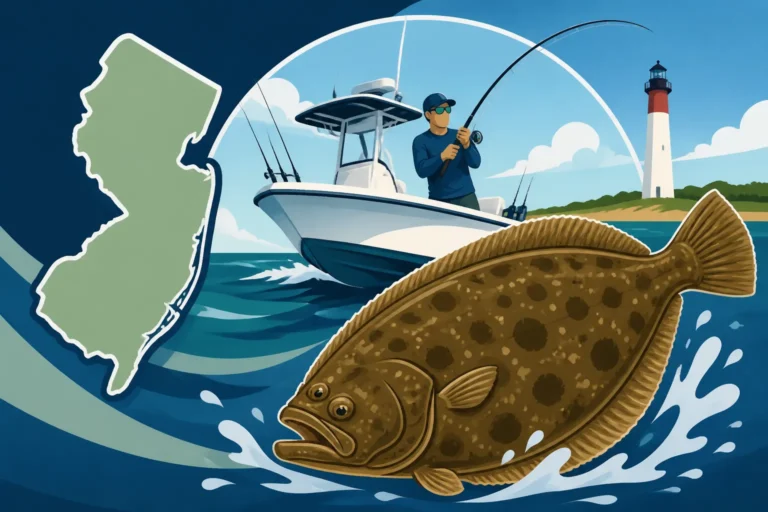
Fluke, also known as summer flounder, are hands down one of the most popular game fish in New Jersey, and for very understandable reasons. First, they are absolutely delicious. Their mild, flaky white meat makes them a prized catch for any dinner table, whether fried, baked, or broiled. Second, they're generally abundant during their season, which means a good chance of getting some action on your rod. There's a real thrill in feeling that distinctive thump on the end of your line, knowing it could be a keeper fluke.
The waters off the Jersey Shore, particularly the bays, inlets, and nearshore ocean, are prime fluke habitat. They love to ambush baitfish and crustaceans from their camouflaged positions on the sandy or muddy bottom. Party boats specialize in putting you right over these areas, drifting slowly to cover ground and present your bait naturally. You’ll often hear folks chatting excitedly about their catches, comparing sizes and even sharing tips. It’s not just about the fish, it’s about the shared experience of the hunt, and fluke fishing provides plenty of that.
Party boats often boast about their success rates for fluke, and for good reason. The captains and mates know these waters intimately, tracking tides, currents, and bait movements to put you in the best possible position. While no trip guarantees a full cooler, a dedicated fluke trip usually means multiple opportunities to hook into these prized flatfish. Whether you're a seasoned pro or a complete beginner, the anticipation of reeling in a beautiful fluke is a big part of the allure.
Fluke Fishing Techniques on a Party Boat
Party boats have a tried-and-true method for targeting fluke: drifting. The captain will position the boat to drift over productive areas, allowing everyone on board to present their bait or lure naturally along the bottom. The most common techniques involve a classic fluke rig, which often consists of a sinker at the bottom, followed by one or two hooks with bait like spearing, strips of squid, or even artificial baits like Berkley Gulp! The idea is to keep your bait bouncing along the bottom, mimicking a wounded baitfish or a foraging critter.
Many anglers also love bucktail jigging for fluke, which involves a lead-head jig dressed with hair or synthetic fibers, often tipped with a piece of bait or a Gulp! grub. This method can be incredibly effective and offers a more active style of fishing, requiring a constant jigging motion to entice a strike. The beauty of party boat fishing is that the mates are usually right there, ready to help you rig up, show you the technique, and even untangle your line if you get a snag. They've seen it all, and they’re there to make your trip as enjoyable and productive as possible. You'll often see seasoned anglers using their own specialized How to Drift Fish for Fluke techniques, but the boat's gear and guidance are perfectly adequate for a successful day.
It's a rhythmic dance with the bottom – drop your rig, let it hit, then a gentle lift and drop, feeling for that subtle thump or a sudden weight. Sometimes it's a sharp tug, other times it feels like a soft sponge on the end of your line. Regardless, when you feel that bite, it's an instant rush of adrenaline. The mates are constantly moving, helping folks with tangled lines, netting fish, and providing encouragement. They’ll also be checking for legal sizes and explaining the rules, which brings us to the next crucial point. Many anglers debate the Best Bait for Fluke Fishing, but squid and spearing are always strong contenders.
New Jersey Fluke Size and Bag Limits
Fishing in New Jersey, particularly for popular species like fluke, comes with specific regulations designed to ensure sustainable fishing for everyone. It's absolutely crucial for every angler to understand and adhere to these rules, even on a party boat where the crew is there to assist. For fluke, this means specific size limits and daily bag limits. You can't just keep every fluke you catch; it has to meet the minimum length requirement, and you can only keep a certain number of them per person per day. These limits can change from year to year, so always check the latest regulations before you head out. New Jersey Fluke Size and Bag Limits Explained is an essential read.
Party boat crews are well-versed in these rules and will often have measuring boards readily available. They're usually very helpful in measuring your catch and letting you know if it's a keeper or if it needs to go back into the water. If a fish is undersized, it's vital to handle it gently and release it as quickly as possible to give it the best chance of survival. You’ll see mates using de-hooking tools to minimize harm. This responsible approach ensures that future generations of anglers will have plenty of fluke to catch. Remember, ignorance of the law is no excuse, so taking a moment to review the most current New Jersey Fishing Season Dates and Closures and specific rules before your trip is a mark of a responsible angler.
These regulations aren't arbitrary; they are the result of extensive biological research and management efforts aimed at protecting the fishery. Sometimes it can feel frustrating to release a perfectly good-looking fish, but it’s all part of the conservation effort. The collective adherence to these rules by all anglers on the boat contributes to the long-term health of the fluke population, ensuring that these trips remain a vibrant part of the New Jersey fishing scene for years to come.
Common Bycatch and Other Desirable Species
While fluke are the main attraction, the beauty of bottom fishing in New Jersey is the sheer variety of other species that frequent the same habitats. Often, what you consider "bycatch" can turn out to be an equally exciting and delicious bonus!
Sea Bass: A Delicious Bonus
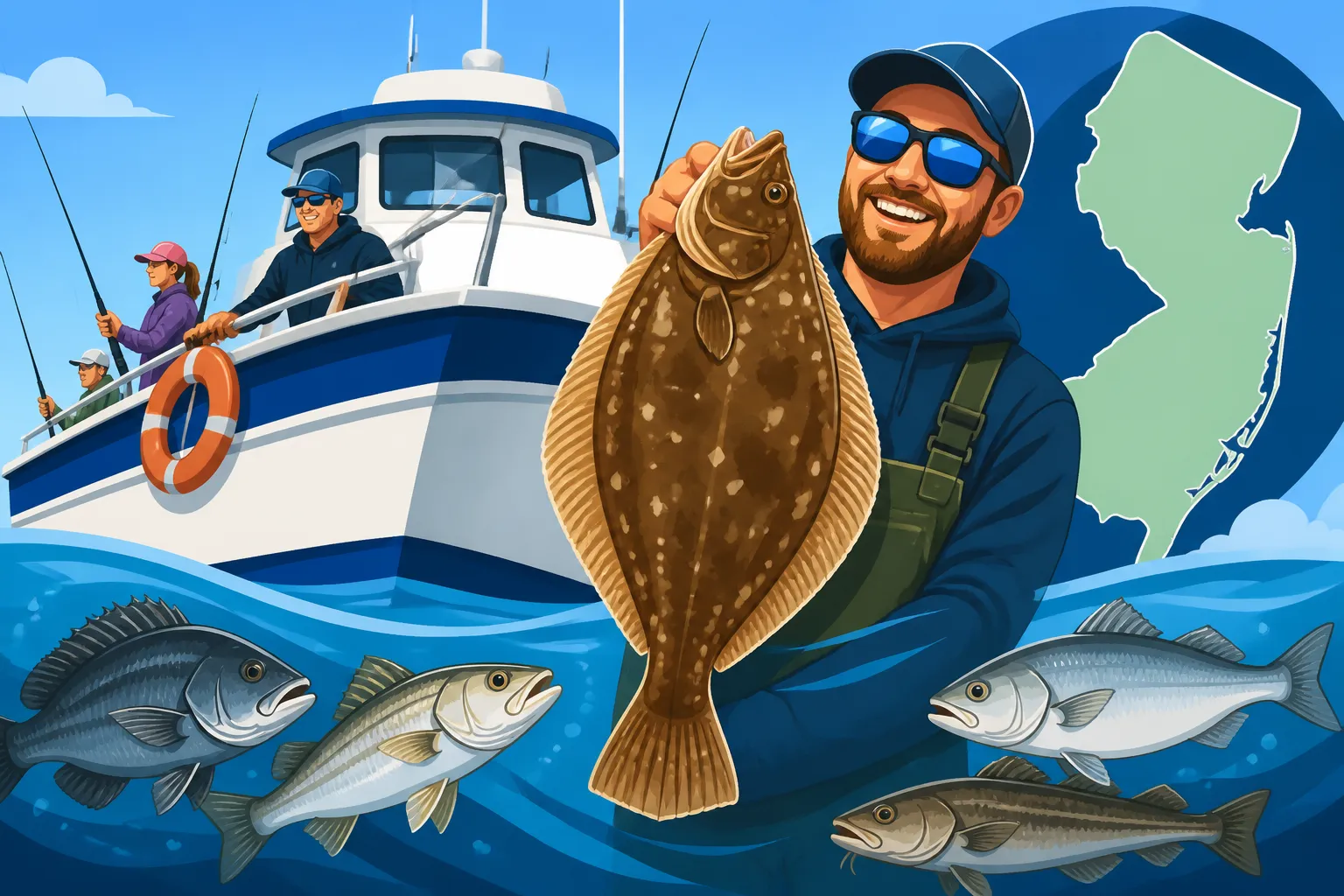
Black sea bass are like the delightful surprise package on a fluke trip. They often inhabit the same inshore waters as fluke, particularly around any kind of structure on the bottom—think rocks, wrecks, reefs, or even subtle changes in depth. When you're jigging or drifting for fluke, it's very common for a hungry sea bass to snatch your bait. They put up a fantastic fight for their size, with powerful headshakes and a tendency to dive back into cover.
What makes them such a cherished bycatch is their eating quality. Black sea bass have firm, white, flaky meat that is incredibly versatile in the kitchen, rivaling even fluke in flavor for many anglers. They're often seen as an equal, if not superior, prize. Like fluke, black sea bass also have their own specific set of regulations regarding size and bag limits, which can vary depending on the time of year. The mates on your party boat will be quick to help you identify your catch and ensure it meets the legal requirements before it goes into your cooler. New Jersey Black Sea Bass Season and Limits provides detailed information on these specific rules, which can sometimes be more restrictive than fluke limits.
Catching a nice mess of sea bass alongside your fluke is the dream combo for many anglers. You get the thrill of the fight, the beauty of these iridescent fish, and the promise of a fantastic seafood dinner. There's a certain satisfaction in having a mixed bag, knowing you've successfully targeted multiple species in one outing. If you're using bait, don't be surprised if a sea bass is the first to hit, as they can be quite aggressive feeders when grouped up.
Bluefish: The Aggressive Surprise
Ah, bluefish! These formidable, aggressive predators are always a possibility when you're fishing in New Jersey's bays and nearshore ocean. While not typically the target on a dedicated fluke trip, they can show up without warning, especially if schools of baitfish are present. When a bluefish hits your line, there's usually no mistaking it – they strike hard and fight with incredible ferocity, often making powerful runs and headshakes. Their sharp teeth are legendary, capable of cutting through lesser leaders with ease, so handle them with caution if you decide to keep one.
Bluefish are often found in large schools, so if one hits, there might be more around. While some anglers love to keep bluefish for their strong flavor (they're excellent smoked or grilled if properly prepared), many will release them, particularly the smaller "snapper" blues or choppers. Their presence can certainly add an unexpected burst of excitement to a slow fluke drift! Imagine the scenario: you're gently jigging for fluke, then WHAM! your rod doubles over, and line starts peeling off your reel. That's often a bluefish making an appearance, turning a calm drift into an exhilarating battle.
Party boat captains often keep an eye out for bluefish activity, as a feeding frenzy can be a lot of fun, even if it momentarily interrupts the fluke bite. Just be prepared for potential bite-offs if you're using light monofilament leader. Many experienced anglers will carry a heavier fluorocarbon or even a wire leader just in case the blues decide to crash the party. They’re a reminder that you're fishing in a dynamic, wild environment where anything can happen.
Ocean Porgies and Other Panfish
When fishing the bottom, especially with bait, you're also likely to encounter a variety of smaller, but no less welcome, bottom-dwelling species. Ocean porgies, also known as scup, are a prime example. These schooling fish are often found over rocky or mixed bottoms and will readily take small pieces of clam, squid, or spearing. While they don't grow to massive sizes, they are excellent eating – mild and delicate, perfect for frying whole. Many cultures prize porgies as a gourmet fish.
Beyond porgies, you might also find croakers, sometimes called "hardheads," which are known for the distinct croaking sound they make when caught. Kingfish, also known as whiting, are another common bottom fish that are tasty and provide good action on light tackle. These species, while not the headline act, contribute to a lively day on the water. They are excellent for younger anglers or those just looking for constant action, providing plenty of bites and the satisfaction of reeling in fish, even if they're not trophy-sized.
Consider these smaller fish as the supporting cast that makes the whole show more entertaining. They're often in the same areas as fluke, feeding on similar forage, and will eagerly take a well-presented bait. The mates are usually very good at identifying these fish and advising on whether they are keepers based on local regulations. It's not uncommon for an angler to go home with a mixed bag of fluke, sea bass, and a few porgies or kingfish, offering a diverse and delicious bounty from the sea.
| Species | Primary Target | Common Bycatch | Typical Size Range (approx.) | Commonly Kept? |
|---|---|---|---|---|
| Fluke | Yes | No | 16-25 inches | Yes |
| Black Sea Bass | No | Yes | 10-18 inches | Yes |
| Bluefish | No | Yes | 1-10+ pounds | Sometimes |
| Ocean Porgy | No | Yes | 8-14 inches | Yes |
| Croaker | No | Yes | 8-16 inches | Yes |
| Kingfish | No | Yes | 8-14 inches | Yes |
| Skate | No | Yes | Up to 3 feet (wingspan) | No |
| Sea Robin | No | Yes | 10-18 inches | No |
| Dogfish | No | Yes | 2-4 feet | No |
The Unexpected Catches: What Else Might Bite?
Beyond the delicious and desirable species, fishing in the ocean is a wild card. You're connected to an entire ecosystem, and sometimes, you'll reel in something truly unexpected. While these might not be headed for your dinner plate, they're part of the rich tapestry of marine life you might encounter.
Skates and Rays: The Bottom Dwellers
If you're fishing bait on the bottom, especially in areas with sandy or muddy substrate, you are almost guaranteed to encounter skates and rays. These flat, cartilaginous fish are incredibly common in New Jersey waters and are frequent bycatch on fluke trips. They'll often feel like a dead weight or a snag on your line, and when you finally get them to the surface, their unique, sometimes alien, appearance can be quite a sight.
While not typically targeted for food by most recreational anglers, skates and rays are a vital part of the marine ecosystem. They glide along the bottom, feeding on small invertebrates and crustaceans. When you catch one, the mates on the party boat will usually handle them with care, helping to unhook them and safely release them back into the water. It’s important to respect these creatures, even if they aren’t what you were hoping to catch. Some species have a mild spine near their tail, so it's best to let the experienced crew handle them to avoid any potential stings. Encountering one is a good lesson in the diversity of life that exists just beneath the surface, even in waters where you're primarily targeting a popular game fish.
Sea Robins: Unique and Sometimes Eatable
Sea robins are another incredibly common inhabitant of New Jersey's inshore waters, and they'll readily snap up a bait intended for fluke. These fish are easily identifiable by their large, bony heads, wing-like pectoral fins, and the distinctive grunting sound they make when caught. For many anglers, sea robins are considered a nuisance or "trash fish" because they often steal bait and are not as prized as fluke or sea bass. However, some seasoned local anglers actually consider them quite edible, particularly if filleted and fried, often comparing their meat to that of cod or haddock.
They might not win any beauty contests, but catching a sea robin means there's life on the bottom and your bait is being presented effectively. Just like skates, the mates will usually help with careful unhooking and release. They are surprisingly hardy fish and usually swim away vigorously after being caught and released. If you're consistently catching sea robins, it might be a sign to try a slightly different retrieve or location, but don't be surprised to reel in a few over the course of a day. They are a constant presence in the shallower, warmer waters of the New Jersey coast during the fluke season.
Lesser-Known Bottom Fish and Sharks
Beyond the usual suspects, the ocean is full of surprises. You might occasionally hook into a small dogfish, a type of small shark, which are common bottom feeders. While they don't offer much in the way of a fight and aren't typically kept, they're certainly an interesting catch. Sometimes you might even pull up a small oyster toadfish, which are bottom-dwelling ambush predators with a rather ugly but unique appearance, known for their strong bite.
These less common catches, while not what you boarded the FishingBooker charter for, add an element of unpredictability and wonder to your fishing experience. They remind you that the ocean is a vast, complex ecosystem. It's a chance to see and learn about creatures you might not normally encounter. The most important thing when catching any unexpected species is to handle it with care, identify it if possible (the mates are invaluable for this), and release it quickly if it's not a target species or is prohibited. Always remember to prioritize the well-being of the fish, regardless of what it is.
Maximizing Your Fluke Party Boat Experience
Going on a party boat is more than just fishing; it's an experience. Being prepared and understanding what to expect can significantly enhance your enjoyment and success.
Preparing for a Successful Trip
A little preparation goes a long way when heading out on a New Jersey fluke party boat. First and foremost, check the weather forecast. Even on a beautiful sunny day, conditions offshore can change rapidly, and a comfortable trip can turn chilly or wet quickly. Dress in layers, and definitely bring rain gear, just in case. Comfortable, non-slip shoes are a must on a boat deck. It's also wise to check the booking platform, such as FishingBooker, or directly with the boat for their specific requirements and recommendations.
Many party boats provide rods, reels, and bait, but confirming this beforehand is a good idea. If you prefer to use your own gear, make sure it's appropriate for fluke fishing – a medium-light to medium action rod with a sensitive tip and a spinning reel spooled with 15-20 lb braided line is generally a good choice. Don't forget essentials like sunscreen, sunglasses, a hat, and plenty of water or other beverages. A cooler for your catch (and perhaps your lunch) is also advisable. And let's be honest, for some, preparing for a successful trip also means taking precautions against seasickness, which can quickly ruin an otherwise perfect day on the water. Best Seasickness Remedies for New Jersey Boat Trips can save your trip.
Finally, consider booking your trip in advance, especially during peak fluke season. Popular boats can fill up quickly. Many anglers use resources like FishingBooker to compare options and secure their spot. Showing up a bit early on the day of your trip is also a good practice, giving you time to check in, get your spot on the rail, and get situated before the boat leaves the dock.
Understanding Boat Etiquette and Crew Support
Party boats are a shared experience, and understanding basic boat etiquette can make the trip more enjoyable for everyone. Space can be limited, so be mindful of your casting and avoid encroaching on your neighbor's fishing area. When a fish is hooked, communicate with those around you to prevent tangled lines. The crew, particularly the mates, are there to assist you, from helping you rig your line and bait your hook to netting your fish and even untangling stubborn knots. They work incredibly hard to ensure everyone has a good time and stays safe.
Don't hesitate to ask the mates for help or advice. They are a wealth of knowledge about local fishing conditions, techniques, and regulations. A polite "excuse me, could you give me a hand with this knot?" or "what bait are they biting on today?" will go a long way. And remember, these hard-working individuals rely heavily on tips as part of their income. A customary tip, usually a percentage of your fare, is greatly appreciated and reflects your appreciation for their service. New Jersey Charter Boat Tipping Etiquette outlines appropriate tipping practices.
Finally, listen to the captain and crew. Their instructions regarding safety, fishing areas, and handling regulations are paramount. They have years of experience navigating these waters and managing groups of anglers. Following their guidance ensures a smooth, safe, and productive trip for everyone on board. Whether you're looking for a quick morning trip or an all-day adventure, browsing options on FishingBooker can help you find the perfect match. Also remember that while the boat typically covers a general fishing license, individual requirements for saltwater registration or special stamps might still apply, so understanding New Jersey Fishing License Requirements on a Guided Charter is always a good idea.
Regulations Beyond Just Fluke
While your primary goal is fluke, it's crucial to remember that every fish you catch on a New Jersey party boat is subject to specific state regulations. This means that if you hook into a black sea bass, bluefish, or even a porgy, you need to be aware of their individual size and bag limits. These limits are in place to manage fish populations and ensure healthy fisheries for the future. The party boat crew will certainly help you identify your catch and confirm its legality, but having a basic understanding yourself can be very empowering.
You can find the most current and comprehensive information on all New Jersey fishing regulations in the annual Reading the New Jersey Fish and Wildlife Digest. This digest covers everything from open seasons and size limits to tackle restrictions and conservation measures. It's available online and at many tackle shops. Taking a few minutes to review it before your trip will make you a more informed and responsible angler. You'll often hear the mates reminding anglers of the rules for various species, especially when a good bite of bycatch occurs.
Adhering to these regulations is not just about avoiding potential penalties; it's about being a good steward of the environment. Every angler plays a role in conservation, and releasing undersized or out-of-season fish carefully helps to maintain healthy fish stocks. So, while you're focused on filling your cooler with delicious fluke, remember that the ocean offers a diverse bounty, and each species has its own set of rules that we all must respect.
Disclaimer
This article is for general informational purposes only and does not constitute professional advice. Laws, prices and regulations vary by location and change over time. Consult a qualified professional for guidance on your specific situation.