Best Time of Year for New Jersey’s Fall Run
There's a buzz in the air among New Jersey anglers every year as summer starts to fade. It's not just the crispness in the mornings or the changing leaves; it's the anticipation of the legendary Fall Run. But figuring out the absolute best time to hit the water can feel like trying to solve a puzzle with moving pieces. Everyone has an opinion, and the fish certainly don't read our calendars! This guide is here to cut through the chatter, offering a realistic look at when the New Jersey Fall Run typically lights up, what drives it, and how you can position yourself for success as those migratory fish make their way down our coast.
Understanding the New Jersey Fall Run Phenomenon
For many of us who live and breathe fishing, the New Jersey Fall Run isn't just a season; it's an event. It’s that magical, sometimes frenetic, period when our coastal waters come alive with migrating fish, all driven by instinct and the promise of a hearty meal before winter sets in. If you've ever stood on the beach with the wind at your back, watching a school of baitfish getting absolutely annihilated by a blitz of predators, you know exactly what I'm talking about.
What Exactly Is the Fall Run?
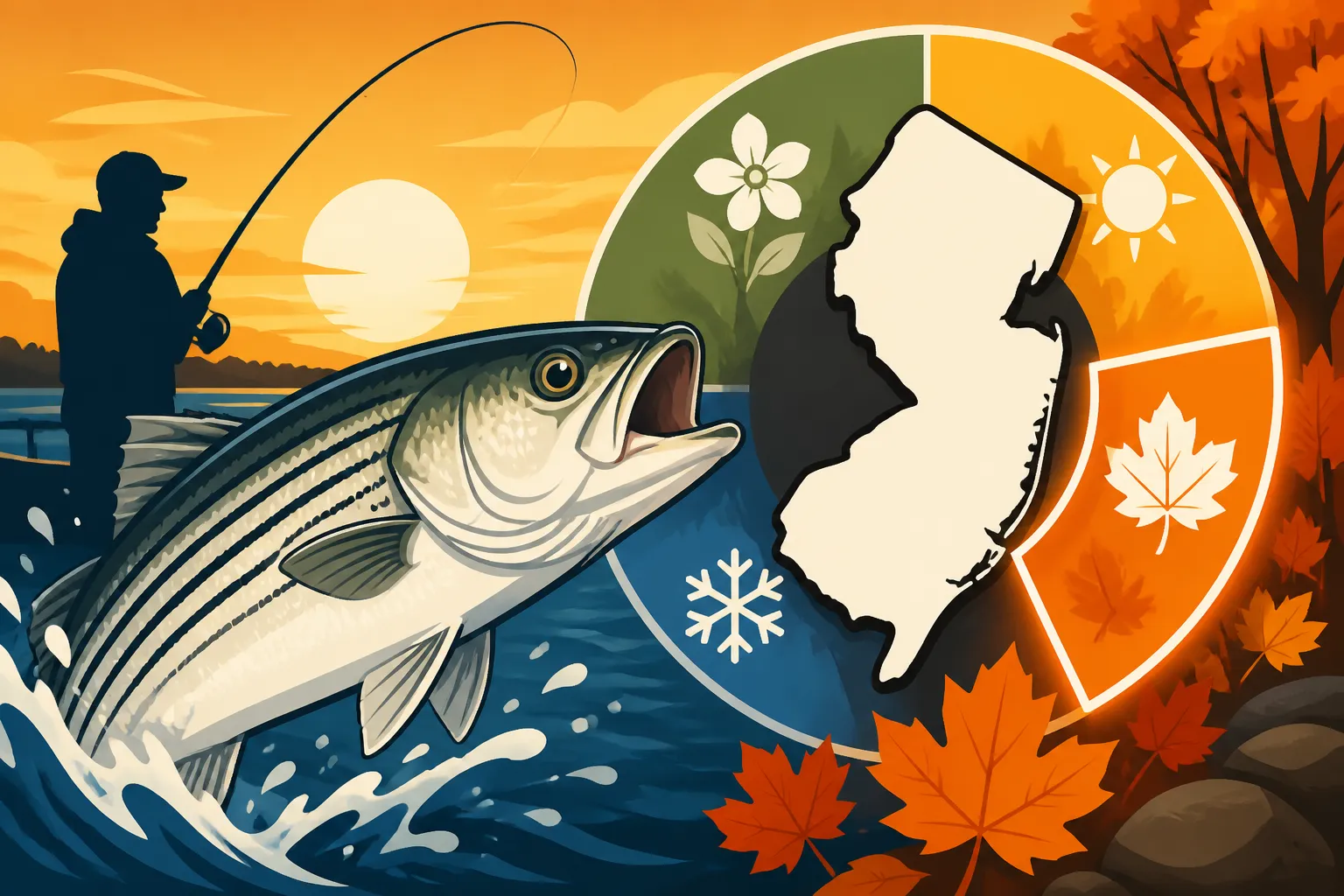
At its heart, the Fall Run is a massive southward migration of various fish species, predominantly striped bass and bluefish, along the Atlantic coast. As water temperatures begin to drop in the northern reaches, these fish start their journey to warmer wintering grounds. What makes it so spectacular in New Jersey is that our coastline becomes a major feeding ground and highway for these hungry travelers. They're gorging themselves on the abundant baitfish that are also moving offshore and south, creating incredible opportunities for anglers. It's a natural phenomenon that has been happening for eons, and we anglers are simply lucky enough to be here for the show.
Why Timing is Everything for Fall Run Success
You might think, "Well, it's just 'fall,' so I'll go fishing anytime then." But a week or even a few days can make all the difference during the Fall Run. The fish move, the bait moves, and conditions change rapidly. Hitting the peak window means encountering aggressive fish that are actively feeding, often in large numbers. Miss it, and you might find yourself casting into empty waters or battling a few stragglers. The timing isn't just about the month; it's about water temperature, bait presence, and even specific tides. Getting it right can transform a good fishing trip into an epic one, etched into your memory forever. This is why staying informed about current conditions is almost as important as having the right gear.
Key Species to Target During the Fall Run
While the striped bass often steals the show, the Fall Run is a diverse affair. You’ll find a mix of species, each providing a unique challenge and opportunity.
- Striped Bass: The undisputed kings of the fall run. You'll find a range of sizes, from schoolies that offer constant action to genuine trophy fish that will test your tackle and resolve. They're chasing down bunker, mullet, and anything else they can get their mouths on. Knowing How to Fish for Striped Bass in New Jersey is crucial during this time.
- Bluefish: The "chopper" blues are often right there with the stripers, sometimes even outnumbering them. They're incredibly aggressive, strong fighters, and can make short work of tackle not up to the task. They're also chasing baitfish with unparalleled ferocity. Don't underestimate the thrill of battling a big bluefish!
- False Albacore (Albies): While not always in huge numbers along the entire coast, these speedsters can provide some of the most exhilarating light-tackle action during the early to mid-fall. They're sight-fishing opportunities, often identified by their distinctive, fast-moving blitzes.
- Tautog (Blackfish): As the water cools further into late fall, tautog become a prime target. They hug structure like jetties, wrecks, and reefs, offering a different kind of challenge that requires patience and specific techniques. You'll want to check out New Jersey Tautog Season Dates to ensure you're fishing legally.
Breaking Down the Fall Run by Month
While the Fall Run can feel like one long, continuous event, it actually has distinct phases. Understanding these phases can help you plan your trips, anticipate species movements, and adapt your strategies. It’s not a hard science, mind you, but more of an art refined by years on the water, observing patterns.
Late September: The Kick-Off
For most New Jersey anglers, late September marks the official beginning of the Fall Run, even if it's just a whisper. The water is still relatively warm from summer, but those first few cooler nights start to signal change.
You'll often see the earliest signs of the run in the back bays and inlets, particularly around the outflows of rivers and creeks. Smaller baitfish, like peanut bunker and mullet, are beginning to stage up, looking for their exit routes to the ocean. This is when the first waves of migratory striped bass, usually schoolie-sized fish, start to push through. They're not yet in full-blown blitz mode, but they're actively feeding. Bluefish, too, will start to make their presence felt, sometimes with smaller, isolated bust-ups. When Do Striped Bass Migrate Through New Jersey? is a question often on anglers' minds, and late September is typically when those early indicators start showing up. This is a great time to throw smaller poppers, soft plastics, or even small metal lures. You can often find a good selection of these starter lures and tackle on places like Amazon, especially if you're stocking up for the season.
October: The Peak of the Action
Ah, October. This is often heralded as the glory month for the New Jersey Fall Run. The air is consistently cooler, the leaves are turning vibrant colors, and crucially, the ocean water temperatures are steadily dropping into that prime range (typically 60s Fahrenheit).
This is when the Fall Run really hits its stride. Massive schools of adult bunker, mullet, and other baitfish become concentrated along the beaches, in the inlets, and around the major bays. And where the bait goes, the predators follow, often in incredible numbers. You'll witness those epic, widespread blitzes where birds are diving, and stripers and bluefish are smashing bait on the surface. Fishing from the beach can be absolutely phenomenal during this period, offering non-stop action, especially if you apply effective New Jersey Surf Fishing Techniques. You might be casting big poppers, shads, or throwing bunker chunks. This is often the Best Month to Catch Striped Bass in New Jersey for sheer volume of fish and widespread activity. It's also a time when you might want to invest in a good quality fishing jacket or bibs to stay comfortable as the weather can be unpredictable. There are many highly-rated options for robust outerwear and specialized fishing gear available on Amazon that can make a huge difference in your comfort during those long days on the water.
November: The Late Season Push
As October transitions into November, the character of the Fall Run starts to change. The peak numbers of fish might begin to thin out, but this is often the time for true trophy hunters. The water continues to cool, pushing more and more baitfish south, and the larger, more powerful striped bass are often among the last to move.
The blitzes might become less frequent and more localized, often occurring further offshore or concentrated around specific structures like jetties and inlets. While the sheer numbers may decline, the potential for a personal best fish increases dramatically. Anglers targeting these late-season giants often switch to larger plugs, big swim shads, or live/fresh chunked bait. This is also when other species, like tautog, become a more prominent target, offering a different kind of intense bottom fishing action around rocky areas. Don't forget your layered clothing, as November mornings can be downright chilly. Staying warm is key to staying focused, and a quick search on Amazon can reveal a vast array of thermal base layers and waterproof outer shells that are essential for late-fall fishing comfort.
Early December: The Last Hurrah
By early December, the Fall Run is winding down to its final act. The air and water are cold, and many of the migratory fish have pushed well south of New Jersey. However, don't write off this period entirely.
There can still be pockets of resident striped bass that linger in the deeper bays and tidal rivers, especially if the winter isn't too harsh. These fish might be less aggressive but can still be caught by patient anglers using slower presentations, such as jigging soft plastics or fishing bait on the bottom. Tautog fishing often remains strong as long as conditions allow. For those willing to brave the colder temperatures, a dedicated effort in early December can sometimes yield a surprising catch, especially if you're targeting specific holdover spots. It's truly the "last hurrah" before winter fishing shifts predominantly to ice fishing in freshwater or deeper offshore wreck fishing.
Factors Influencing the Fall Run Timing and Intensity
While we can talk about "typical" timing, the Fall Run is a natural event, and Mother Nature doesn't always read the script. Several crucial environmental factors play a significant role in when the run starts, how long it lasts, and how intense the fishing will be. Understanding these can help you predict and react to the conditions in real-time.
Water Temperature: The Master Key
This is, without a doubt, the most critical factor. Dropping water temperatures are the primary trigger for the southward migration of both baitfish and the gamefish that pursue them.
Think of it like this: fish are cold-blooded, and their metabolism is directly affected by water temperature. As the northern waters become too cold for their comfort and optimal feeding, they begin to move. For striped bass and bluefish, the ideal temperature range for active feeding and migration is generally in the 50s and 60s Fahrenheit. Once the water starts to consistently dip below the mid-50s, the bulk of the migratory fish will move on. Monitoring local water temperature readings from buoys and shore stations can give you an invaluable edge in predicting the timing and progression of the run. A sudden cold snap can accelerate the migration, while a prolonged warm spell can delay it.
Baitfish Presence: The Food Source
You've heard the saying, "Find the bait, find the fish." During the Fall Run, this couldn't be more true. The sheer abundance and movement of baitfish are what make the run so spectacular.
Major bait species like Atlantic menhaden (bunker), mullet, and peanut bunker form huge schools along the coast. As they too migrate south and offshore, they become easy targets for the predatory gamefish. When massive schools of bunker are present, the stripers and bluefish will be close by, often driving them to the surface in explosive feeding frenzies. A lack of bait in certain areas can mean fewer gamefish, while a concentrated effort by bait can create a "choke point" for predators. Anglers often look for signs of baitfish – nervous water, diving birds, or even the smell of bunker in the air – to locate the action. Learning What Bait Works Best for Striped Bass in the Fall Run? will give you a significant advantage.
Weather Patterns: From Nor'easters to Mild Fronts
Weather isn't just about your comfort; it profoundly impacts the fishing. Nor'easters, for example, can churn up the surf, disorient baitfish, and often push them closer to shore, creating prime surf fishing conditions after the storm subsides.
Strong winds, especially from the northeast, can stack bait and fish in specific areas, making them easier to target. Conversely, prolonged periods of calm, clear weather might spread the bait out more, making the fish harder to locate. Rain, too, can influence conditions by flushing out rivers and bays, potentially attracting fish to areas with new food sources or discolored water. Paying attention to long-range forecasts and understanding how different weather patterns affect the ocean is a skill that will dramatically improve your Fall Run success.
Lunar Cycles and Tides: Subtle but Significant
While less impactful than water temperature or bait, lunar cycles and tides play a subtle yet significant role in Fall Run fishing.
New and full moons bring stronger tidal currents, which can concentrate baitfish in tighter areas, especially around inlets and bottlenecks. These stronger currents can also trigger more aggressive feeding behavior from gamefish. Conversely, weaker tides during quarter moon phases might mean less movement and a more spread-out bite. Learning How to Read Tide Charts for Better Fishing in New Jersey is a skill that pays dividends year-round but becomes particularly valuable during the Fall Run when fish are on the move and bait is being pushed around by the currents. Many experienced anglers plan their entire Fall Run trips around these tidal swings.
Maximizing Your Chances During the Fall Run
The Fall Run is a dynamic beast, constantly shifting. To truly maximize your chances, it's not enough to just know when it typically happens; you need to understand how to prepare and react to the ever-changing conditions. It's about preparedness, observation, and adaptability.
Essential Gear for the Fall Run
Having the right tools for the job can make all the difference, especially when you're battling big, strong fish in potentially rough conditions.
- Rods and Reels: For surf fishing, a stout 9-11 foot surf rod paired with a durable, saltwater-rated spinning reel (like a 6000-8000 series) is a workhorse. For boat fishing or targeting smaller fish, a medium-heavy 7-foot rod will do the trick. Make sure your reels are spooled with fresh, strong braided line – 30-50 lb test is common for stripers and blues.
- Lures and Bait: Your tackle box should be stocked with a variety. Think big topwater poppers, swimming plugs, soft plastic swim shads (like the ever-popular white or chartreuse ones), metal casting jigs, and bucktails. For bait fishing, fresh bunker (menhaden) chunks or whole mullet are hard to beat. You can find a huge array of these lures, hooks, and leader material on Amazon, ensuring you're ready for whatever the fish are biting on.
- Terminal Tackle: Don't skimp here. Heavy-duty swivels, strong split rings, and sharp, durable hooks are essential. Use a fluorocarbon leader (30-80 lb test, depending on target species and water clarity) to resist abrasion from sharp teeth and rough structure.
Reading the Conditions and Adapting
The Fall Run isn't a static event; it's a living, breathing phenomenon. Successful anglers are those who can read the subtle cues of the environment and adapt their strategy on the fly.
- Look for Birds: Diving seabirds are your best friends. Gulls, terns, and gannets congregating and diving into the water almost always signal baitfish being pushed to the surface by predators. Head straight for the birds!
- Observe the Water: Look for "nervous water" – subtle disturbances on the surface that indicate baitfish moving just below. Watch for actual surface boils or splashes that betray feeding gamefish.
- Check Local Reports: While nothing beats being there, local tackle shops and online fishing forums can provide valuable, real-time insights into where the fish are being caught and what they're biting on. Just remember to take everything with a grain of salt and verify it for yourself.
- Be Mobile: Don't be afraid to move if a spot isn't producing. The fish are migratory, and they're constantly on the move. Sometimes, a short drive down the beach or a quick repositioning of the boat can put you right in the middle of the action.
Safety Considerations for Colder Water Fishing
As the run progresses into late fall, conditions can become quite chilly, and safety should always be your top priority.
- Layer Up: Dress in layers, starting with moisture-wicking base layers, insulating mid-layers, and a waterproof/windproof outer shell. Hypothermia is a real risk. You can find excellent quality base layers, fleeces, and waterproof outer gear on Amazon, specifically designed for outdoor activities in cold, wet conditions.
- Personal Flotation Devices (PFDs): If you're fishing from a boat, kayak, or even wading in strong currents, wear a PFD. Accidents can happen quickly, and cold water is unforgiving.
- Buddy System: If possible, fish with a buddy, especially if you're exploring new or challenging spots.
- Communicate: Let someone know where you're going and when you expect to be back. A simple text can make a world of difference.
- Know Your Limits: Don't push yourself into dangerous situations for the sake of a fish. If the surf is too big, the current too strong, or the weather too nasty, it's always better to live to fish another day. How Long Does New Jersey's Fall Striped Bass Run Last? might vary, but safety should be constant.
Disclaimer
This article is for general informational purposes only and does not constitute professional advice. Laws, prices and regulations vary by location and change over time. Consult a qualified professional for guidance on your specific situation.