Tautog Fishing in New Jersey
For many New Jersey anglers, there’s a certain thrill that comes with pursuing tautog. Known for their incredible fighting power and uncanny ability to steal bait without a trace, these "reef donkeys" can be incredibly frustrating yet immensely rewarding. If you've ever felt that tug-of-war on the end of your line only to reel in an empty hook, or struggled to find where these notoriously structure-loving fish hide, this comprehensive guide is here to unravel the mysteries of tautog fishing in New Jersey, helping you land more of these prized fish.
Understanding the Elusive Tautog: A New Jersey Perspective
Tautog, or "blackfish" as they're affectionately called by many old-timers along the coast, are one of New Jersey's most sought-after bottom dwellers. They might not have the flash and speed of a striped bass or the broad appeal of a fluke, but what they lack in glamour, they make up for in sheer stubbornness and delicious table fare. Chasing tautog is a challenge that many anglers dedicate entire seasons to, learning the nuances of their behavior and the specific structures they call home. It's a game of patience, precision, and often, a little bit of luck.
The Tautog's Unique Anatomy and Behavior
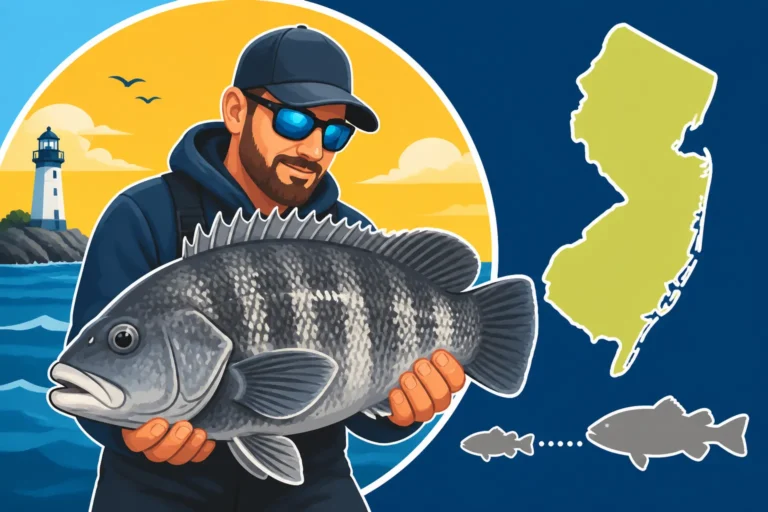
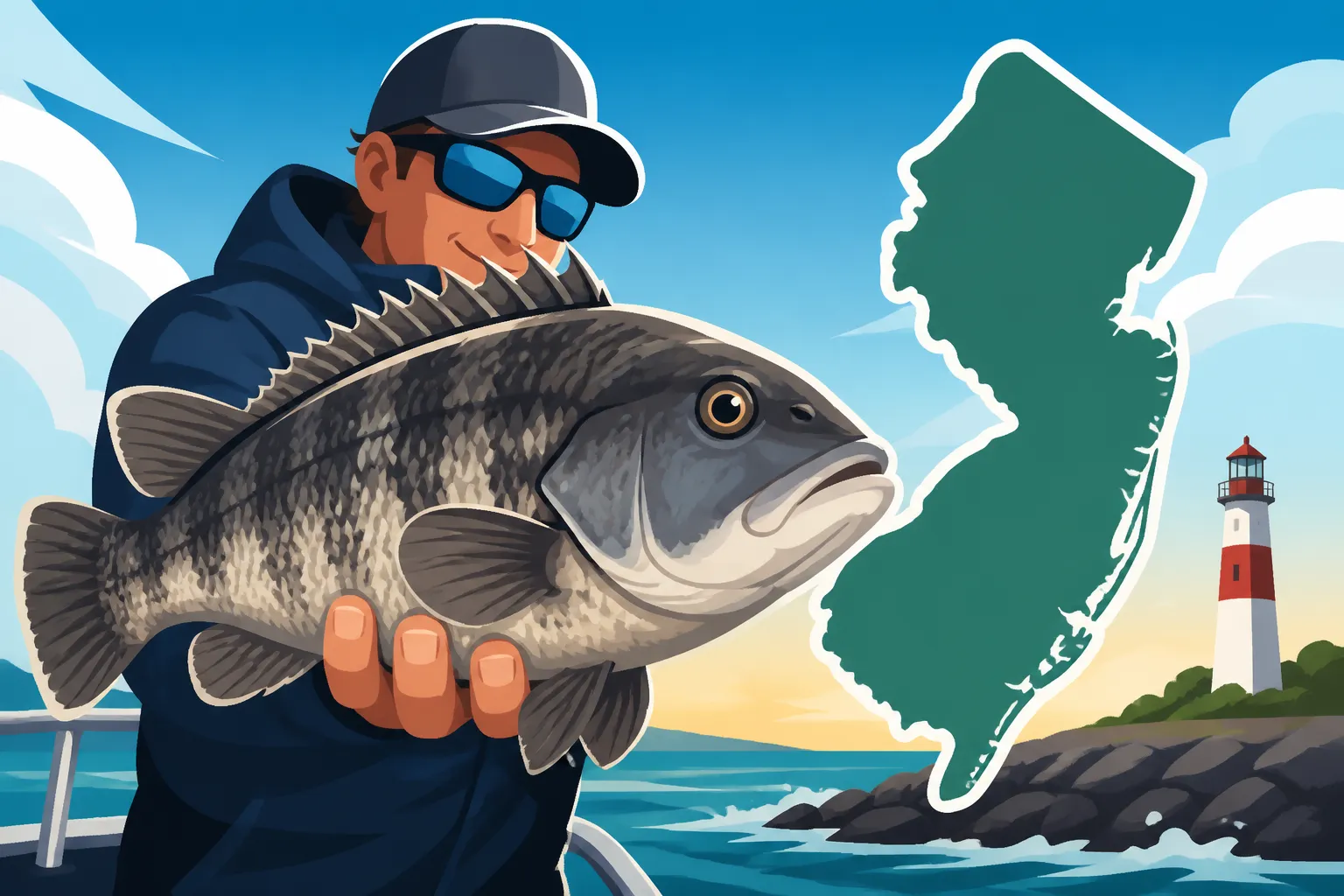
When you finally get a tautog to the surface, you'll immediately notice their distinctive appearance. They have a stout, somewhat boxy body, typically dark brown, black, or mottled gray, which helps them blend seamlessly with their rocky surroundings. But it's their mouth that truly sets them apart: a small, almost parrot-like beak lined with strong, blunt teeth designed for crushing shellfish and crustaceans. This dental work is precisely why they're so adept at picking bait clean off a hook without you even feeling a nibble. They're masters of subtlety, often just lightly mouthing the bait before crunching down.
Beyond their looks, tautog are creatures of habit and structure. They are rarely found over open, sandy bottoms. Instead, they cling to rocks, wrecks, reefs, mussel beds, and any other hard structure that offers both shelter and a buffet of their favorite foods. Their strong, broad tails allow them to navigate these complex environments with incredible agility, and when hooked, they immediately try to dive back into the nearest crevice or entanglement, testing every inch of your tackle. This instinctual dive is what makes the initial moments of a tautog fight so critical and so often leads to break-offs for unprepared anglers.
Why Tautog are Such a Prized Catch for Anglers
For many New Jersey fishermen, a cooler full of tautog is a badge of honor. Their strong fight, combined with their finicky feeding habits, makes them a true challenge. It's not just about dropping a line and waiting; it requires understanding the bottom, interpreting subtle bites, and mastering a technique that balances finesse with brute strength. When you consistently start landing tautog, you know you've leveled up your fishing game. Plus, let's be honest, they're absolutely delicious. Their firm, white, flaky meat holds up incredibly well to various cooking methods, from baking and broiling to frying. There's a satisfaction in bringing home a hard-earned meal that tastes as good as the fight it put up.
The pursuit of tautog also often takes anglers to some of the most scenic parts of the New Jersey coast, from the rugged jetties of the inlets to offshore wrecks teeming with marine life. It's an immersive experience that connects you directly with the ocean's hidden world. And nothing beats the camaraderie among tautog anglers, sharing tips, lamenting missed bites, and celebrating a successful day on the water.
Tautog vs. Blackfish: Clearing Up the Confusion
It’s common to hear the terms "tautog" and "blackfish" used interchangeably, and for good reason—they refer to the same fish! Tautog is the official scientific name ( Tautoga onitis ), while blackfish is the deeply ingrained common name, especially prevalent among long-time anglers in the Mid-Atlantic and Northeast. There’s no difference in the fish itself, just in what people choose to call it. It's a bit like calling a striped bass a "striper" or a summer flounder a "fluke" – regional variations and nicknames that stick.
This dual nomenclature doesn't just apply to tautog; many species have local names that differ from their formal designations. For new anglers, it can sometimes be confusing when reading regulations or talking to different fishermen, but rest assured, if someone is talking about blackfish in New Jersey, they're talking about tautog. Just be aware that if you travel to other regions, "blackfish" might refer to a different species entirely, but along the Jersey Shore, you're safe.
Prime Tautog Habitat: Where to Find Them in New Jersey Waters
Tautog are not wanderers; they are homebodies. They stick to structure like glue, making understanding their preferred haunts crucial for successful fishing. If you're dropping a line over sand or mud, you're likely wasting your time. These fish demand hard bottoms and places to hide and forage. This deep connection to structure also means that finding one tautog often means finding several, as they tend to congregate in productive areas. The challenge is getting your bait down to them without getting immediately snagged.
Natural Rock Piles and Reefs
New Jersey's coastline, both inshore and offshore, is dotted with natural rock formations that are magnets for tautog. These could be subtle rocky outcrops on the bay floor, large boulder fields offshore, or even remnants of ancient shorelines now submerged. These areas provide an ideal environment: plenty of nooks and crannies for shelter, a constant supply of crabs and mussels clinging to the rocks, and ambush points for smaller prey. Offshore reefs, both natural and artificial, are prime targets, especially for larger fish. Anglers with good sonar can identify these subtle changes in bottom composition, often marking fish holding tight to the structure. When you find a good rock pile, it's often a secret spot that yields fish year after year.
One of the great advantages of New Jersey is its extensive network of natural and artificial reefs, which are painstakingly mapped out by the state. These publicly known reefs are excellent starting points for those without local knowledge or private numbers. You can find detailed charts and GPS coordinates through the state's marine fisheries programs, allowing you to pinpoint potential tautog havens. Remember to approach these spots carefully, as strong currents can make anchoring tricky, and knowing how to position your boat correctly is key to staying on the fish.
Man-Made Structures: Wrecks, Jetties, and Pilings
Beyond natural features, tautog absolutely thrive around man-made structures. Think about any hard surface submerged in the water – it's an potential home. Sunken shipwrecks, whether they're old wooden vessels or steel hulks, create complex ecosystems that are perfect for tautog. These provide endless hiding spots and surfaces for marine growth that tautog love to munch on. Similarly, bridge pilings, old dock ruins, and even submerged debris can hold impressive numbers of these fish. You can find lists of New Jersey Artificial Reef Fishing Guide to scout some of these potential hotspots.
Closer to shore, the jetties and rock walls that define New Jersey's inlets and shorelines are fantastic tautog fisheries. Places like the Manasquan Inlet, Barnegat Inlet, and Delaware Bay jetties are legendary for blackfish. These rocky structures provide easy access for shore-based anglers or those fishing from small boats, offering abundant food and shelter. However, fishing these areas requires extreme caution due to strong currents, slippery rocks, and heavy boat traffic. Always prioritize safety, especially when fishing jetties from foot. A good pair of studded wading boots can make a huge difference in staying upright on wet rocks.
Understanding Tautog Depth Preferences
Tautog are typically bottom dwellers, but their preferred depth can vary significantly depending on the season, water temperature, and location. In the cooler months of spring and fall, when water temperatures are more uniform, you might find tautog in shallower waters, sometimes as shallow as 10-20 feet, especially around inshore jetties and bay structures. As summer progresses and inshore waters warm up, many tautog will move to deeper, cooler offshore wrecks and reefs, often in depths ranging from 40 to over 100 feet.
During the late fall and early winter, they might stage in slightly deeper, more stable environments before hunkering down for the coldest parts of winter. Understanding these seasonal depth shifts is crucial for targeting them effectively. It’s also worth noting that in areas with strong currents or sharp drop-offs, tautog might hold just off the main structure in slightly deeper water, darting in to feed when conditions are right. Always pay attention to your fish finder and the depth readings to adapt your strategy accordingly.
Tautog Seasons and Regulations in New Jersey
Fishing responsibly means knowing and adhering to the rules. Tautog populations, like many other species, are carefully managed to ensure their sustainability for future generations. Ignoring these regulations can lead to hefty fines and impact the health of the fishery. New Jersey is proactive in setting clear guidelines, and it's your responsibility as an angler to stay informed.
Navigating New Jersey's Tautog Season Dates
Tautog fishing in New Jersey is generally a fall and spring affair, with specific season dates designed to protect the fish during critical spawning periods. The seasons can vary from year to year based on stock assessments and management decisions, so it's absolutely vital to check the most current New Jersey Fish and Wildlife Digest before heading out. Generally, you'll find a strong season in the fall, running through much of November and into December, and then a shorter, often more restrictive, spring season. These dates are meticulously chosen to allow anglers to enjoy the fishery while ensuring adequate time for tautog to reproduce successfully.
The closed periods are just as important as the open ones. Fishing for tautog when the season is closed, even if you intend to release them, is usually prohibited. This is particularly true if you are actively targeting them. Always cross-reference the state's official publications. You wouldn't want to get caught off guard and face penalties. You can often find information on New Jersey Fishing Season Dates and Closures to ensure you're fishing legally.
Understanding Size and Bag Limits for Tautog
Alongside season dates, New Jersey also imposes strict size and bag limits for tautog. The minimum size limit dictates the smallest legal fish you can keep, typically measured from the tip of the nose to the end of the tail. Bag limits define how many tautog you are allowed to keep per angler, per day. These limits are subject to change and can even vary by body of water (though for tautog, they tend to be coast-wide). For example, a common regulation might be a specific minimum size and a bag limit of one or two fish per person. Sometimes, there are also aggregate bag limits for vessels, meaning the total number of fish on the boat cannot exceed a certain number, regardless of how many anglers are onboard.
Always carry a tape measure or a fishing ruler to ensure your catch meets the legal size. It's heartbreaking to realize you've kept an undersized fish after a great day on the water. When releasing fish, especially those that are undersized, do so quickly and carefully to maximize their survival chances. For detailed information, consult sections like New Jersey Daily Bag Limits by Species in the state's digest.
The Importance of Conservation and Responsible Angling
Conservation isn't just about following the rules; it's about adopting practices that contribute to the long-term health of the fishery. Tautog are relatively slow-growing and long-lived, making them particularly vulnerable to overfishing. Practicing responsible angling means understanding that every fish you catch, whether kept or released, has an impact. Using appropriate gear that minimizes harm to released fish, like circle hooks for bait fishing (where applicable and if not mandated by other species-specific rules), can be beneficial.
Beyond tackle choices, consider the conditions. If fish are "locked up" on a structure and you've quickly caught your limit, consider moving on or switching to a different species rather than continually catching and releasing stressed fish. Educating yourself and other anglers on best practices, such as proper fish handling and dehooking techniques, plays a vital role. By working together, we can ensure that the challenge and reward of tautog fishing remain a vibrant part of New Jersey's fishing heritage for generations to come.
Gear Up for Tautog: Rods, Reels, and Line Choices
Tautog fishing is tough on tackle. These fish live in unforgiving environments and fight with surprising power. Using the wrong gear will lead to frustration, broken lines, and lost fish. Investing in quality equipment specifically designed for tautog will not only increase your success rate but also make the experience much more enjoyable. Think of it as preparing for a wrestling match – you need the right tools to win.
Selecting the Right Rod and Reel for Tautog
For tautog, you need a rod that combines backbone with sensitivity. A medium-heavy to heavy power rod, typically 6 to 7.5 feet in length, is ideal. The backbone (lower section of the rod) needs to be stiff enough to muscle a fish out of heavy structure and handle heavy sinkers, while the tip needs enough sensitivity to detect those notoriously light tautog bites. Many anglers prefer conventional (baitcasting) rods for their direct feel and cranking power, but a sturdy spinning rod can also work, especially for lighter jigging applications. Brands like St. Croix, Shimano, and Daiwa offer excellent options. You might even find some great deals on a robust conventional combo suitable for bottom fishing on Amazon, ensuring you get reliable gear delivered right to your door.
Matching your rod with a durable reel is equally important. A conventional reel with a strong drag system and a good retrieve ratio is often favored. Look for reels designed for saltwater use, with corrosion-resistant components and enough line capacity to hold 100-200 yards of your chosen line. For spinning setups, a 4000-6000 series reel with a smooth, powerful drag will suffice. The key is a reel that can handle the stress of pulling fish from structure and can stand up to the corrosive saltwater environment.
Line Strength and Leader Material Considerations
When it comes to line, braid is king for tautog fishing. Its low stretch provides unparalleled sensitivity, allowing you to feel even the most subtle taps. A good starting point is 30-50 lb test braided line. While braid is strong, it's also highly visible and has no abrasion resistance, which is why a fluorocarbon leader is essential. A 30-50 lb test fluorocarbon leader, typically 2-4 feet long, provides the necessary invisibility and crucial abrasion resistance against rocks and mussels. Without a strong leader, your main line will quickly fray and break.
The connection between your braid and fluorocarbon leader is critical. A reliable knot like the FG knot or an Albright knot is a must. Don't skimp on practice; a knot failure means a lost fish and potentially lost tackle. Consider carrying extra leader material and scissors in your tackle box, readily available from vendors like Amazon, so you can re-tie quickly if your leader gets chafed.
Essential Terminal Tackle: Hooks, Sinkers, and Swivels
Terminal tackle is where the rubber meets the road (or rather, where the hook meets the fish). For tautog, sharp, strong hooks are non-negotiable. Octopus hooks, typically size 2/0 to 5/0, are a popular choice. Some anglers swear by Gamakatsu or Owner hooks for their sharpness and durability. The specific size will depend on your bait and the size of the fish you're targeting. Many anglers also opt for snelled hooks, which come pre-tied with a leader, making rigging quicker.
Sinkers are chosen based on current and depth; you'll need enough weight to hold bottom. Bank sinkers or pyramid sinkers ranging from 3 to 10 ounces are common. It's wise to have a variety on hand, as current conditions can change quickly. A three-way swivel is often used in a traditional bottom rig to attach your main line, sinker leader, and hook leader. Keep these components organized in a small tackle box or bag. Having a well-stocked supply of hooks, sinkers, and swivels, perhaps ordered in bulk from Amazon before your trip, will save you a lot of headache on the water.
Here's a quick overview of essential tautog gear:
| Category | Recommended Item | Key Features |
|---|---|---|
| Rod | Conventional or Spinning, Medium-Heavy/Heavy | 6-7.5 ft, strong backbone, sensitive tip |
| Reel | Conventional (e.g., small jigging reel) or Spinning (4000-6000 size) | Strong drag, saltwater resistant, good line capacity |
| Main Line | Braided Line | 30-50 lb test, low stretch, high sensitivity |
| Leader | Fluorocarbon Leader | 30-50 lb test, abrasion resistant, low visibility |
| Hooks | Octopus Hooks | 2/0 – 5/0, sharp, strong |
| Sinkers | Bank or Pyramid Sinkers | 3-10 oz (various sizes based on current/depth) |
| Swivels | Three-Way Swivels, Barrel Swivels | Strong, rust-resistant |
| Bait | Green Crabs (primary) | Live, fresh, varied sizes |
| Tools | Dehooker, Pliers, Knife, Measuring Device | Essential for safe handling and compliance |
The Best Baits for New Jersey Tautog
Tautog are notoriously picky eaters, and their diet primarily consists of crustaceans and shellfish that cling to the structures they inhabit. Knowing what they like to eat is half the battle; the other half is presenting it correctly. There's a reason certain baits are universally hailed as "tog candy"—they simply work.
Green Crabs: The Undisputed King
When it comes to tautog bait, the green crab reigns supreme. These small, hardy crabs are abundant in New Jersey's coastal waters and are a natural food source for tautog. Their tough shell and succulent meat make them irresistible. You can often buy them live at local bait and tackle shops, especially those catering to saltwater anglers. The key to using green crabs effectively is proper presentation. You'll typically want to break or cut the crab into pieces, exposing the meat and scent. For smaller crabs, you might cut them in half; for larger ones, quartering them is common. Hooking the piece through a leg socket or through the shell to expose the meat ensures it stays on the hook and releases its enticing aroma.
Some anglers prefer "peeler" or "shedder" crabs when they can get them, as their softer shell makes them even more appealing and easier for tautog to crunch. However, peelers are often harder to find and more expensive. Mastering the art of rigging a green crab—how to break it, how to hook it, and how to present it without exposing the hook point too much—is a skill that will significantly improve your tautog catch rate.
Fiddler Crabs and Hermit Crabs: Other Top Choices
While green crabs are the go-to, fiddler crabs and hermit crabs are also excellent tautog baits, especially in certain situations. Fiddler crabs are much smaller than green crabs and are often found in marshy areas. They are fantastic for smaller tautog or when the fish are particularly finicky and prefer a more delicate offering. Their small size makes them easy for tautog to swallow, but also easier for them to steal! You can fish them whole, often hooking them through the bottom of the shell.
Hermit crabs, found in discarded snail shells, are another favorite. To use them, you'll need to carefully extract the soft-bodied crab from its shell. This can be a bit messy, but the reward is a highly attractive bait that tautog can't resist. Both fiddler and hermit crabs offer a different scent profile and texture, which can be the trick to enticing a bite when green crabs aren't doing the job. Always carry a variety of baits if possible to see what the fish prefer on any given day.
Clams and Mussels: Alternative Baits
While not as universally effective as crabs, fresh clams and mussels can certainly tempt tautog, especially when they are actively feeding on these shellfish, which are naturally abundant on rocky structures. Fresh surf clams or even local bay mussels, shucked and presented on a strong hook, can be a decent alternative or supplement to crab baits. The trick with clams and mussels is that they are much softer and easier for the tautog to strip from the hook without being caught. They also don't hold up as well to current or the constant nibbling of smaller bait fish.
When using clams, many anglers will secure them to the hook with a bit of bait thread to ensure they stay on long enough for a tautog to find and bite. Mussels can be surprisingly effective if you find a tautog actively cracking them off a piling or rock. These baits might not be your primary choice, but they are certainly worth having in your cooler as a backup or for experimentation when conditions call for something different.
Mastering Tautog Fishing Techniques: From Boat to Shore
Catching tautog isn't just about having the right gear and bait; it's about understanding how to present them effectively and how to react when a fish bites. Whether you're dropping a line from a boat or casting from a jetty, the approach needs to be calculated and precise.
Traditional Bottom Fishing Techniques
The most common method for tautog is traditional bottom fishing, where your bait is presented directly on or near the structure. From a boat, this usually involves anchoring precisely over a wreck, reef, or rock pile. The goal is to drop your bait rig straight down, keeping it as vertical as possible, right into the tautog's living room. Once your sinker hits the bottom, retrieve a few inches of line to keep your bait just off the structure, minimizing snags while still being in the strike zone. Many anglers use a hi-lo rig or a snelled hook rig with a sinker on the bottom.
The bite itself is the most challenging part. Tautog are notorious for their light, almost imperceptible bites. It might feel like a series of light taps, a subtle change in pressure, or just a slight weight on the line. The key is to lift your rod tip slightly or reel down slowly to feel for weight, then set the hook with a firm, quick motion. If you hesitate, they'll often pick the bait clean. This is where the sensitivity of braided line and a good rod tip really pays off. Once hooked, immediately try to get the fish away from the structure to prevent it from burying itself. How to Fish for Tautog Around Structure details this struggle very well.
Jigging for Tautog: An Active Approach
While bait fishing is traditional, jigging for tautog has gained immense popularity, offering a more active and engaging way to target these fish. Tautog jigs are typically heavy, compact lead or tungsten jigs, often in green, white, or black, designed to be tipped with a piece of crab. The advantage of jigging is a more direct feel for the bite, less snagging, and often the ability to fish lighter tackle. You can cover more ground by slowly drifting over a structure, bouncing the jig along the bottom.
The technique involves dropping the jig to the bottom, then imparting small, subtle lifts and drops, mimicking a crab moving along the rocks. Again, feeling the bite is critical. It often feels like the jig just stops or gets heavier. A quick, sharp hookset is necessary. Jigging can be incredibly effective, especially when tautog are aggressive, and it’s a blast to feel that direct connection. It also gives you more control over the bait's movement, which can sometimes entice a bite from a finicky fish that might ignore a stationary bait.
Shore and Jetty Fishing Strategies for Tautog
For anglers without a boat, jetties and rocky piers offer fantastic opportunities for tautog fishing in New Jersey. The fundamentals remain the same – find structure, use crab bait, and feel for the bite – but the presentation needs to adapt to fixed positions and often strong currents. Casting parallel to the jetty face, rather than straight out, can help keep your bait in the strike zone along the rocks. You’ll often need heavier sinkers to combat the current and prevent your bait from being swept away.
Safety is paramount when jetty fishing. Wet rocks can be extremely slippery, and rogue waves are always a concern. Wear appropriate footwear, like spiked boots, and consider a life vest, especially in rough conditions. When hooked, you'll need to quickly steer the fish away from the rocks to avoid getting cut off. A long-handled net or gaff can be incredibly useful for landing fish from an elevated position. Understanding New Jersey's Island Beach State Park Shore Fishing Rules can give you a good foundation for shore-based angling specific to coastal structures.
Reading the Conditions: Tides, Weather, and Water Temperature
Successful tautog fishing is often about being in the right place at the right time, and that means paying close attention to environmental conditions. Tides, currents, and water temperature all play significant roles in how and where tautog feed. Ignoring these factors can lead to long, fishless days.
Tides and Current: Understanding the Tautog's Feeding Window
Tides are perhaps the most crucial factor for tautog fishing. Tautog are structure-oriented, and current brings food directly to them. Generally, tautog prefer moving water, as it dislodges crabs, mussels, and other prey from the structure, making them easier to catch. Slack tide, when the water movement is minimal, often sees a significant drop in activity. The ideal conditions are usually the beginning and end of both the incoming and outgoing tides, when the current is moderate. Too strong of a current, and it can be difficult to hold bottom with your bait, and the fish might hunker down to conserve energy.
Understanding local tide charts is non-negotiable. Knowing when the tide will turn and when the current will be optimal can make or break your trip. On a boat, proper anchoring techniques that allow you to swing over the structure with the current are key. Shore anglers need to assess how the current will affect their cast and bait presentation. Sometimes, simply adjusting your position on a jetty by a few feet can put you in a prime feeding lane. Learn How to Fish a Rising Tide and How to Fish a Falling Tide to master your approach.
Impact of Water Temperature on Tautog Activity
Water temperature dictates tautog metabolism and movement patterns. Tautog are a temperate species, and they are most active in cooler water, typically in the 48-60°F range. This is why spring and fall are prime tautog seasons in New Jersey. In the colder winter months, they become much more lethargic, often retreating to deeper, more stable offshore structures where temperatures are less variable. Bites can be incredibly subtle and slow during these periods.
Conversely, in the heat of summer, when shallow inshore waters warm significantly, tautog will often move offshore to cooler, deeper wrecks and reefs. They might still be caught inshore around deeper structures, but their activity levels can decrease. Keep an eye on water temperature gauges if you have them, or check local marine forecasts. A sudden drop or rise in temperature can often trigger or shut down a bite. Persistence is key during challenging temperature windows.
Weather Considerations for a Successful Tautog Trip
While less impactful than tides and temperature, weather still plays a role. Overcast days, especially in the fall, can often be productive, as lower light levels can encourage feeding. Bright, sunny days can sometimes make tautog more cautious. Wind, however, is a major factor, particularly for boat anglers. Strong winds can make anchoring difficult, create uncomfortable chop, and make it nearly impossible to feel subtle bites. Safety should always be your top priority, and if the wind is howling, it's often best to reschedule.
Rough seas, even on calm wind days, can also make fishing challenging and even dangerous, especially around rocky structures or offshore wrecks. Always check marine forecasts before heading out. Sometimes, fishing the lee side of an island or a large structure can provide enough shelter to make fishing feasible on a moderately windy day. A good weather app or marine forecast can be an indispensable tool, helping you decide whether to hit the water or stay home.
Handling and Releasing Tautog Responsibly
Catching a tautog is exciting, but how you handle it once it's out of the water is critical, both for your safety and the fish's survival, especially if you plan to release it. Responsible handling ensures compliance with regulations and contributes to healthy fish stocks.
Safely Handling Tautog for Release or Keep
Tautog have sharp fins and a powerful tail that can deliver a painful whack. When handling them, always exercise caution. If keeping the fish, a quick, humane dispatch is best. If releasing, minimize handling time and keep the fish wet. Avoid holding them horizontally by the gill plate or vertically by the mouth with a lip gripper, as this can damage their internal organs. Instead, cradle the fish horizontally, supporting its belly, or use a wet towel to grip it firmly around the body.
For fish caught in deeper water, you might notice signs of barotrauma, where the sudden pressure change causes their swim bladder to expand. This can make it difficult for the fish to swim back down. While tautog are somewhat resilient, a venting tool (a hollow needle used to deflate the swim bladder) or a descending device (which helps get the fish back to depth) can increase survival rates for severely barotrauma-affected fish. Learn the proper techniques for these tools if you fish deep regularly.
Dehooking Tools and Techniques
Tautog have incredibly strong jaws and teeth, making it difficult and sometimes dangerous to remove hooks by hand. Investing in a good pair of long-nosed pliers or a dedicated dehooking tool is highly recommended. These tools allow you to safely extract hooks without putting your fingers near their crushing teeth or causing excessive damage to the fish. When the hook is deep, a dehooker designed to slide down the line can be very effective, allowing you to pop the hook out with minimal contact.
If a hook is swallowed deep and cannot be removed without causing severe trauma, it is often best to simply cut the line as close to the hook as possible. Studies show that hooks left in fish can often corrode and fall out, or the fish can encapsulate them, with minimal long-term harm. The goal is to get the fish back into the water as quickly and safely as possible, minimizing stress.
Proper Care for Your Catch
If you plan to keep your tautog, proper care immediately after catching is essential to preserve the quality of its meat. The best method is to bleed the fish immediately after dispatch. A quick cut to the gills or artery behind the pectoral fin will allow the blood to drain, resulting in cleaner, better-tasting fillets. Once bled, place the fish directly into a cooler filled with ice. Never let fish sit in warm water or on a hot deck, as this accelerates spoilage.
A good cooler with plenty of ice is indispensable, especially on longer trips. Layering fish with ice ensures they cool down rapidly and stay cold. For those who enjoy preparing their catch, having a clean cutting board and a sharp fillet knife ready when you get home will make the process much easier. A fresh tautog fillet, prepared hours after being caught, is one of the true delights of New Jersey fishing.
Disclaimer
This article is for general informational purposes only and does not constitute professional advice. Laws, prices and regulations vary by location and change over time. Consult a qualified professional for guidance on your specific situation.