Bluefish Fishing in New Jersey
Bluefish. Just saying the name often brings a mix of excitement and a little bit of fear to New Jersey anglers. These powerful, toothy predators are a staple of our coastal waters, offering some of the most thrilling and explosive fishing experiences imaginable. But if you're new to the game, or even a seasoned pro looking to refine your approach, figuring out their patterns, what gear to use, and how to safely handle these aggressive fighters can feel like trying to solve a salty puzzle. This guide is here to untangle that line for you, breaking down everything you need to know to successfully target, catch, and even enjoy eating bluefish in the Garden State.
Understanding Bluefish: The Jersey Devil of the Sea
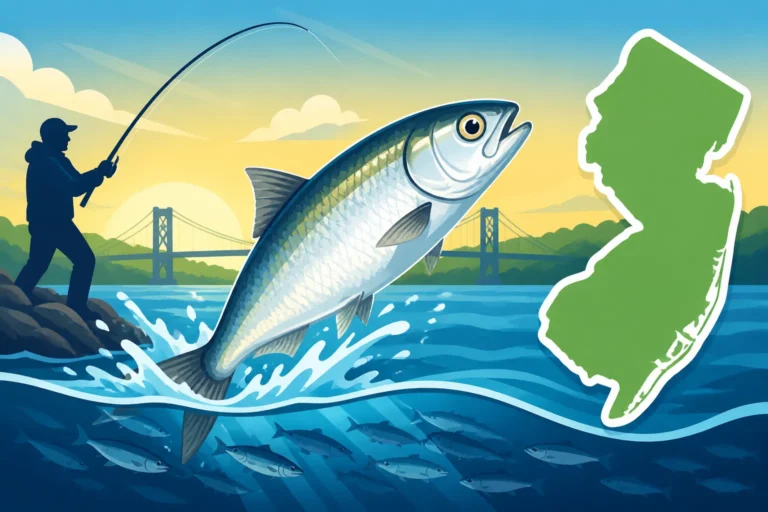
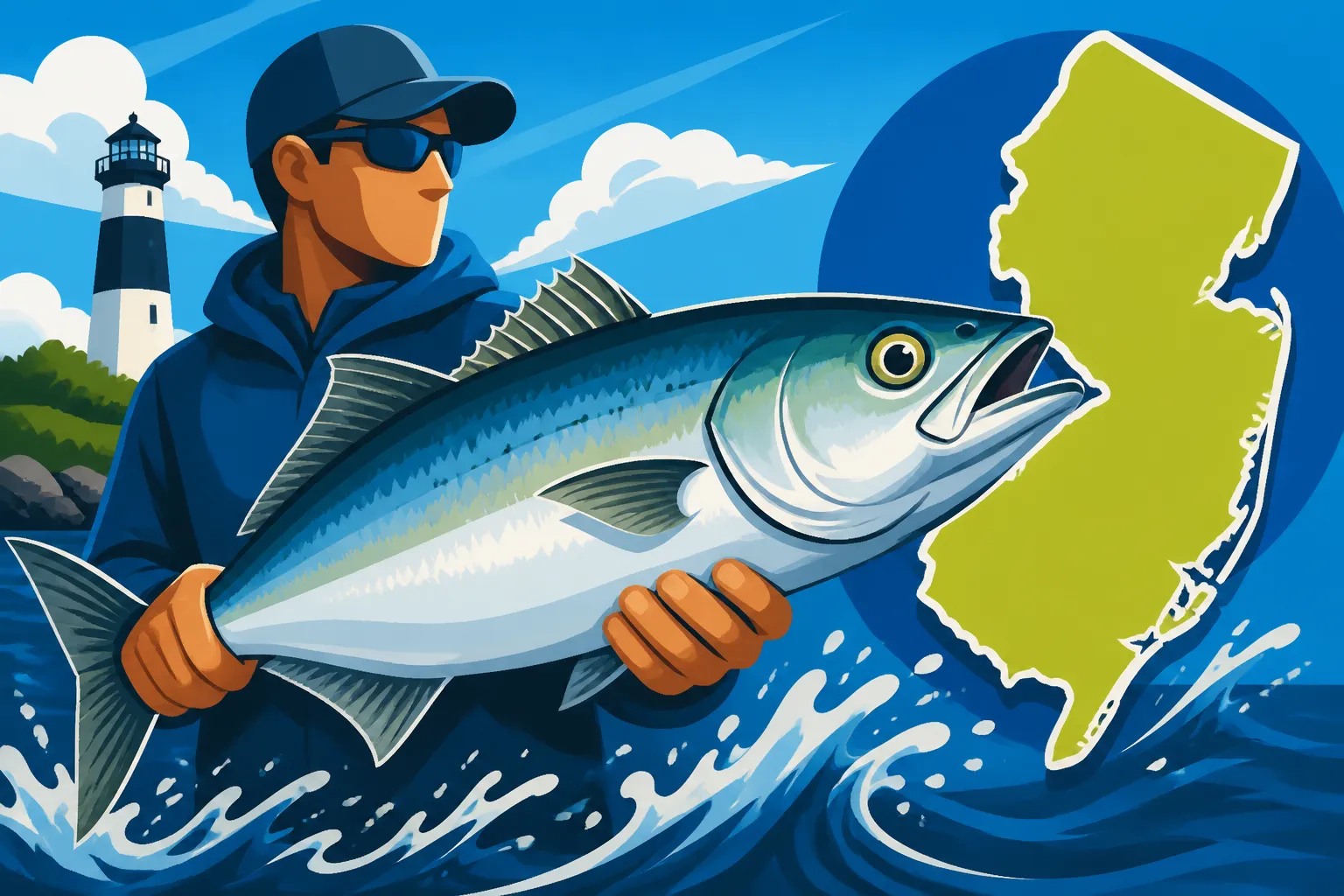
Bluefish (scientific name: Pomatomus saltatrix) are aptly named for their striking metallic blue-green backs that fade into a silvery white belly. But don't let their beauty fool you; these fish are voracious predators, often described as the "piranhas of the sea" or the "choppers" due to their incredibly sharp teeth and aggressive feeding habits. For many New Jersey anglers, the thrill of hooking into a hard-fighting bluefish is a rite of passage, a true test of tackle and technique. Their sheer power and willingness to strike almost any offering make them an incredibly popular target, but also one that demands respect.
Identifying Bluefish and Their Unique Characteristics
Beyond their distinct coloration, bluefish have a streamlined, muscular body built for speed and power. They possess a prominent, slightly projecting lower jaw, and inside that jaw lies a set of razor-sharp, triangular teeth that are perfectly designed for shearing through baitfish and, unfortunately, fishing lines and fingers if you're not careful. Their dorsal fins are separated, with the first being spiny and the second soft-rayed, and their tail is distinctly forked, a hallmark of fast-swimming pelagic species.
When you hook into a bluefish, there's rarely any doubt about what's on the other end. They fight hard, often making powerful, head-shaking runs and sometimes even leaping clear of the water in a desperate attempt to throw the hook. Their size in New Jersey can vary greatly, from small "snappers" (young bluefish) that are a few inches long and popular with kids, to larger "choppers" that can easily exceed 10-15 pounds. These bigger blues are truly formidable adversaries, capable of stripping line and testing the drag on even heavy-duty reels. Keep in mind that New Jersey Bluefish Size and Behavior can vary significantly depending on the time of year and location, so always check the current regulations before heading out.
The Aggressive Nature of Bluefish: Why Anglers Love and Fear Them
What makes bluefish so thrilling to catch is precisely what can also make them a bit intimidating: their unbridled aggression. Bluefish are opportunistic feeders, preying on nearly any smaller fish they can overpower, including bunker (menhaden), spearing, mackerel, and even juvenile striped bass or other bluefish. They often feed in packs, driving baitfish to the surface in what's known as a "bluefish blitz." This feeding frenzy is a sight to behold, with birds diving, water churning, and bluefish leaping and thrashing as they decimate schools of bait.
This aggressive behavior means they're not particularly picky. If it moves and looks like food, they'll hit it. This makes them a fantastic target for anglers who enjoy active fishing, as strikes are often violent and immediate. However, their sharp teeth are a serious consideration. They can easily slice through monofilament or fluorocarbon leaders, which is why a wire or heavy-duty fluorocarbon leader is practically mandatory. Furthermore, handling a thrashing bluefish with its mouth full of razors requires extreme caution and the right tools, like a good pair of pliers and a de-hooker. They can also be quite destructive to gear, often bending hooks, mangling lures, and leaving bite marks on anything plastic or soft.
Bluefish Life Cycle and Migration Patterns Along the Jersey Shore
Bluefish are highly migratory, moving up and down the Atlantic Coast with the changing seasons, largely following their preferred water temperatures and baitfish schools. In New Jersey, we typically see an influx of bluefish starting in the spring, usually around late April or May, as waters warm and baitfish like bunker start to move closer to shore. This initial run often consists of hungry fish looking to bulk up after their southern migration.
Throughout the summer months, bluefish are a common presence in our bays, inlets, and nearshore ocean waters. You'll find them cruising along beaches, lurking around structure, and chasing bait in the calmer backwaters. As fall approaches, particularly from September through November, New Jersey experiences another major bluefish run, often considered the most exciting time of year to target them. During this "fall run," massive schools of bluefish migrate south, often mixing with striped bass, and creating epic feeding events close to shore. This is When Do Striped Bass Migrate Through New Jersey? also happens, leading to mixed bags for many anglers.
They spawn offshore in late spring and summer, and the smaller "snapper" bluefish that are popular in bays and estuaries during the warmer months are typically juveniles from these offshore spawning events, growing quickly throughout the season. Their presence in New Jersey waters is highly dependent on the availability of bait and favorable water temperatures, which is why understanding their migratory patterns is key to successful fishing.
When and Where to Find Bluefish in New Jersey
Timing and location are absolutely crucial when it comes to bluefish fishing. These are not static fish; they move, and they move with purpose. Being in the right place at the right time can turn an ordinary day into an epic battle with toothy predators. From the bustling inlets to the wide-open ocean, New Jersey offers a myriad of opportunities to encounter bluefish.
Prime Seasons for Bluefish Activity in New Jersey
While you can technically encounter a stray bluefish almost any time of year, there are definitely peak seasons when they are most abundant and active in New Jersey.
- Spring (Late April – June): This is the first major push of migratory bluefish into our waters. As the water temperatures climb into the 50s and 60s, baitfish start to appear in numbers, and the bluefish are not far behind. Initially, they might be found offshore or in the larger bays, but as the season progresses, they'll move closer to the beaches and into the inlets. Anglers often target them from boats, but surf anglers can also have success during this period, especially as schools of bunker move within casting range. This is a great time to shake off the winter rust.
- Summer (July – August): Bluefish are present throughout the summer, though the larger "choppers" might move a bit further offshore to deeper, cooler waters during the hottest spells. However, the bays and estuaries become nurseries for smaller "snapper" bluefish, offering fantastic light tackle action for families and kids. These smaller blues are incredibly fun to catch on ultralight gear and provide a perfect introduction to bluefish fishing. Larger blues are still available, particularly around structure, in the inlets, and in the cooler ocean water just beyond the surf line, especially during early morning or late evening hours.
- Fall (September – November): Hands down, this is often considered the absolute best time for bluefish in New Jersey. The "fall run" brings massive schools of adult bluefish crashing down the coast, gorging themselves on baitfish before their southern migration. This is when Bluefish Blitzes Along the Jersey Shore are most common and spectacular. Both boat and surf anglers can experience incredible action, sometimes catching fish after fish until their arms ache. The size of the fish also tends to be larger on average during this period. As the water cools further into November, the bluefish numbers will dwindle, eventually moving completely out of our waters for the winter.
For more detailed information on specific timings, check out Best Time of Year to Fish for Bluefish in New Jersey.
Hotspots for Bluefish: Bays, Inlets, and Offshore Waters
Bluefish are highly adaptable and can be found in a wide variety of habitats across New Jersey's coastal environment.
- Bays and Estuaries: Barnegat Bay, Great Bay, Raritan Bay, and Delaware Bay are prime locations, especially for snapper blues in the summer. The abundant baitfish and calmer waters make them ideal feeding grounds. Larger blues will also patrol the deeper channels and mouths of these bays, particularly during the spring and fall migrations. Look for areas with strong currents, channel edges, and submerged structure.
- Inlets and River Mouths: Places like Manasquan Inlet, Barnegat Inlet, Shark River Inlet, and Absecon Inlet are absolute magnets for bluefish. These choke points concentrate baitfish as they move in and out with the tides, creating ambush points for predators. Fishing the moving water around jetties, bulkheads, and bridge pilings can be incredibly productive. The strong currents here mean bluefish are often actively feeding.
- Nearshore Ocean and Beaches: This is where surf anglers shine! Best New Jersey Beaches for Surf Fishing often hold bluefish, especially during the spring and fall runs. Look for signs of baitfish, diving birds, or visible blitzes just beyond the breaking waves. Drop-offs, sloughs, and sandbars created by wave action can also hold fish. Fishing piers, like those in Belmar or Atlantic City, also provide excellent access to nearshore blues.
- Offshore Wrecks and Reefs: While not as commonly targeted as inshore, larger bluefish can sometimes be found around offshore wrecks and artificial reefs. These structures attract baitfish and provide hiding spots for ambush predators. Anglers targeting other species like black sea bass or tautog sometimes encounter big blues in these deeper waters.
- Party Boats and Charters: If you're looking to consistently hit the larger blues, especially when they're a bit further out, hopping on a New Jersey party boat or charter is a great option. These boats know the migratory routes and hotspots, taking you directly to the action.
Understanding Bluefish Blitzes and How to Spot Them
A bluefish blitz is arguably the most exciting phenomenon in New Jersey fishing. It's when a school of bluefish actively corners and feeds on a school of baitfish, creating a chaotic display of splashing water, leaping fish, and diving birds. Spotting and getting in on a blitz is like hitting the jackpot.
Here's how to spot and approach them:
- Look for Birds: Gulls, terns, and other seabirds are your best friends. When you see a large flock of birds aggressively diving and circling over a specific area of water, it's a huge indicator that baitfish are being pushed to the surface from below, often by bluefish (or sometimes striped bass). The more frantic the birds, the more intense the feeding activity.
- Observe the Water Surface: Look for churning water, splashes, and actual fish leaping out of the water. Sometimes you'll see the dark shapes of the baitfish schools themselves, or the tell-tale "boils" and "breaks" of predator fish feeding.
- Listen: In calm conditions, you might even hear the slapping and thrashing of fish from a distance, particularly on a quiet morning or evening.
- Stay Mobile: Whether you're in a boat or walking the beach, being able to quickly move to a blitzing area is key. If you're on a boat, approach cautiously from upwind or upcurrent, trying not to spook the fish or the bait. If you're on the beach, be ready to sprint down to the action!
- Cast Into the Fray (Carefully): Once you're in position, cast your lure or bait right into the middle of the activity. Bluefish in a blitz are usually not picky. Be prepared for an immediate, hard strike. Remember that How to Spot a Bluefish Blitz From the Beach is a skill that improves with practice, but always starts with observing the birds.
Essential Gear for Bluefish Fishing in New Jersey
Bluefish are not delicate creatures, and your tackle needs to match their power and their teeth. Skimping on gear when targeting blues is a recipe for broken lines, lost lures, and perhaps even some bent hooks. Investing in the right rod, reel, line, and terminal tackle will not only increase your success rate but also your enjoyment of the fight.
Choosing the Right Rod and Reel Setup for Bluefish
The ideal rod and reel for bluefish depend largely on their size and where you're fishing for them.
- For Snapper Blues (Bays, Piers): If you're chasing the smaller snapper blues (under 2 pounds), a light to medium-light spinning rod, around 6.5 to 7 feet long, paired with a 2500 or 3000 series spinning reel is perfect. This setup offers incredible sport and makes even small blues feel like a trophy. Look for a rod with a fast action to help cast lighter lures and detect subtle bites (though bluefish bites are rarely subtle!).
- For Medium to Large Blues (Surf, Inlets, Boats): This is where most New Jersey anglers will spend their time.
- Spinning Setup: A medium-heavy to heavy power spinning rod, 7 to 9 feet long for boat and inlet fishing, or 9 to 11 feet for surf fishing, is ideal. This should be paired with a robust 4000 to 6000 series spinning reel. Brands like Shimano, Penn, and Daiwa offer excellent options that can withstand the abuse bluefish dish out. The longer surf rods (e.g., a 10-foot rod) provide the casting distance needed to reach distant blitzes or outer sandbars.
- Conventional Setup: Many boat anglers and some surf casters prefer conventional (baitcasting) setups for larger blues, especially when casting heavier lures or bait. A 6.5 to 7.5-foot medium-heavy conventional rod paired with a durable conventional reel (e.g., a Penn Squall or Shimano Tekota) is excellent for this. These offer more cranking power and can handle heavier lines.
- Key Rod Features: Look for rods with strong backbone to handle powerful runs and a relatively fast tip to aid in casting and working lures. The materials should be durable, with corrosion-resistant guides, especially for saltwater use.
- Key Reel Features: Your reel needs a strong, smooth drag system that can withstand long, powerful runs without seizing up. A fast retrieve ratio can be helpful for working fast-moving lures or quickly reeling in slack. Durability and saltwater resistance are paramount. You can find many reliable options on Amazon that cater to different budgets and fishing styles.
Line, Leaders, and Terminal Tackle: Don't Skimp on Strength
This is perhaps the most critical area when targeting bluefish. Their teeth are unforgiving.
- Main Line:
- Braided Line: This is the overwhelming choice for bluefish in New Jersey. Its zero stretch provides incredible sensitivity, allowing you to feel every bump and bite, and its thin diameter allows for longer casts with higher breaking strengths. For medium to large blues, 30 to 50 lb test braided line is a good starting point. The extra strength helps when a toothy fish tries to saw through your line.
- Monofilament: While some anglers still use mono, it's generally less preferred due to its stretch and thicker diameter for a given breaking strength. If you do use mono, step up to 17-25 lb test for larger blues.
- Leader Material: This is non-negotiable for bluefish.
- Wire Leader: For maximum tooth protection, a short section (6-12 inches) of multi-strand wire leader (e.g., 30-50 lb test) with a small, strong swivel to connect to your main line and a clip for your lure is the safest bet. It's essentially bite-proof.
- Heavy Fluorocarbon Leader: Some anglers prefer heavy fluorocarbon (60-80 lb test) for its invisibility and rigidity, arguing that it gets more bites. While fluorocarbon is more abrasion-resistant than mono, it's not bite-proof. A strong bluefish can still chew through it. If you choose this, inspect it constantly for nicks and replace it often.
- Terminal Tackle:
- Swivels and Snaps: Use heavy-duty, corrosion-resistant ball-bearing swivels (size 2-4) to prevent line twist and strong snaps (interlock snaps are good) to quickly change lures.
- Hooks: Bluefish are hard fighters and have tough mouths. Use strong, sharp hooks that can withstand the strain. Treble hooks on lures should be robust, or consider swapping them out for strong single hooks if permitted by regulations or personal preference.
Essential Accessories for a Successful Bluefish Trip
Beyond your rod and reel, a few key items will make your bluefish fishing experience safer and more enjoyable.
- Pliers/De-hooker: Absolutely essential for safely removing hooks from a bluefish's toothy maw without putting your fingers at risk. Long-nosed pliers or a specialized de-hooker are a must-have.
- Gloves: Heavy-duty fishing gloves can provide an extra layer of protection when handling a live bluefish, not just from teeth but from sharp gill plates and fin spines.
- Cutting Tool: Bluefish often swallow hooks, and sometimes the quickest and safest solution for the fish (and you) is to simply cut the leader as close to the hook as possible. A good pair of braid cutters or heavy-duty scissors is invaluable.
- Cooler and Ice: Bluefish are best bled immediately and put on ice if you plan to keep them for the table. This helps preserve their quality.
- Tackle Bag/Box: To keep all your lures, leaders, and accessories organized and protected from saltwater spray.
- Sun Protection: Hat, sunglasses, and sunscreen are always important when spending time on the water, especially during a hot summer day chasing blues.
- First Aid Kit: Accidents happen, especially when dealing with sharp objects and aggressive fish. A basic first aid kit with antiseptic wipes and bandages is always a good idea.
Top Baits and Lures for New Jersey Bluefish
Bluefish are known for not being particularly picky eaters, which is great news for anglers. However, certain baits and lures consistently outperform others, and understanding what to use when can significantly improve your catch rates. Whether you prefer the natural appeal of bait or the active presentation of artificials, there's a bluefish offering for you.
Live and Cut Baits That Bluefish Can't Resist
When bluefish are in a feeding frenzy, they'll hit almost anything, but when they're a bit more finicky, or you're fishing a specific structure, natural bait can be the ticket.
- Live Bunker (Menhaden): This is arguably the king of bluefish baits in New Jersey, especially for the larger choppers. Bunker are a primary food source for bluefish, and a live bunker fished under a float or on a three-way swivel rig near a drop-off or inlet can be deadly. You'll often find bluefish tearing into schools of bunker, making them an obvious choice. If you can't get live bunker, fresh cut bunker (chunks of the oily fish) are also incredibly effective. The scent trail they put out in the water is irresistible to hungry blues.
- Live Spearing/Peanut Bunker: For smaller to medium-sized bluefish, especially in bays and estuaries, live spearing or young peanut bunker are excellent choices. They mimic the natural forage perfectly. These can be fished on a simple hook-and-sinker rig or under a small bobber.
- Mackerel: Live or fresh cut mackerel are another oily, scent-rich bait that bluefish will readily devour. They can be particularly effective for offshore bluefish.
- Squid: While often associated with fluke or sea bass, strips of fresh squid can also entice bluefish, especially when fished near the bottom or drifted with the current. It's a versatile bait to have on hand.
- Chumming: As mentioned previously, chumming with ground bunker or fish scraps can create a feeding frenzy right at your boat or jetty, bringing bluefish into your strike zone. Then, you can use live or cut bait, or even lures, to capitalize on their aroused feeding behavior. Read more about this technique in How to Chum for Bluefish in New Jersey Waters.
When using bait, presentation is key. Ensure your hooks are sharp and properly sized for the bait, and consider a baitrunner reel to allow bluefish to take the bait without feeling immediate resistance.
Lure Selection: Plugs, Poppers, and Metal Jigs
For anglers who prefer the active excitement of casting and retrieving, bluefish provide endless opportunities with artificial lures. Their aggressive nature means they'll often chase down and strike a well-presented lure with enthusiasm.
- Topwater Poppers and Walk-the-Dogs: There's nothing quite like a bluefish exploding on a topwater lure. Poppers, with their cupped faces, create a "pop" and splash that mimics a struggling baitfish, while walk-the-dog lures create a side-to-side sashay on the surface. These are incredibly exciting lures to use, especially during a blitz or in low light conditions. Popular choices include the Rebel Pop-R, Cotton Cordell Pencil Popper, or Heddon Super Spook.
- Casting Plugs/Swimmers: These lures imitate baitfish swimming just below the surface. They typically have a lip that causes them to dive and wiggle as you retrieve them. They are effective when bluefish are feeding just under the surface or when you need to cast a good distance. Examples include Yo-Zuri Hydro Minnows or Rapala X-Raps.
- Metal Jigs and Spoons: These are workhorses for bluefish, especially when you need to cast a long way or fish deeper water. Their heavy, aerodynamic design makes them excellent for surf casting or jigging vertically from a boat. Bluefish often hit them on the retrieve or as they fall. Styles like the Hopkins Shorty, Kastmaster, or Acme Little Cleo are perennial favorites. Jig them fast to provoke a reaction strike.
- Soft Plastics and Bucktails: While often thought of for striped bass or fluke, large soft plastic shads (like S&S Bucktails or Tsunami swim shads) on heavy jig heads can also draw strikes from bluefish, particularly if they're holding deeper. Adding a heavy-duty leader is crucial here to protect against those teeth.
- Color Choices: While bluefish aren't usually picky, certain colors can be more effective on different days. Silver, white, chartreuse, and blue/silver combinations are often excellent choices, mimicking bunker, spearing, or mackerel. For more insights on this, check out Best Lure Color for Bluefish. Experimentation is key!
| Lure/Bait Type | Description | Ideal Conditions | Pros | Cons |
|---|---|---|---|---|
| Live Bunker | Whole live menhaden, fished under a float or on a weighted rig. | Active feeding, near schools of bunker, boat fishing. | High scent, natural presentation, targets larger blues. | Hard to acquire, requires livewell, can be messy. |
| Cut Bunker | Chunks of fresh bunker, fished on the bottom or drifted. | All conditions, especially effective for scent trail. | Easy to use, strong scent, good for boat or surf. | Can be messy, less active than live bait. |
| Topwater Poppers | Surface lure that "pops" and splashes when retrieved. | Blitzes, low light, calmer water, highly visual strikes. | Exciting strikes, covers water quickly. | Can be ignored if fish are deep, requires active retrieval. |
| Metal Jigs | Heavy, aerodynamic metal lure for long casts or deep jigging. | Surf fishing, deep water, fast retrieve, school fishing. | Excellent casting distance, durable, versatile. | Less natural action, can be overlooked in clear, slow water. |
| Casting Plugs | Hard-bodied lure that swims subsurface, mimicking baitfish. | Nearshore, inlets, baitfish imitations. | Realistic swimming action, good for active fish. | More expensive, can be damaged by teeth. |
| Soft Plastics | Jig head with a plastic body (shad, grub), fished near bottom or mid-water. | Deeper water, slow retrieve, when bluefish are scattered. | Versatile, can mimic various bait, good action. | Susceptible to tooth damage, often requires replacement bodies. |
The Art of Chumming for Bluefish in New Jersey Waters
Chumming is a tactic that many New Jersey anglers employ to draw bluefish (and other species like striped bass) to their boat or fishing spot. It involves creating a trail of scent and small food particles in the water to attract fish.
- Chum Material: The most common and effective chum for bluefish in New Jersey is ground bunker. You can buy frozen blocks of ground bunker from most bait and tackle shops. Some anglers will also grind up fresh fish carcasses or oily fish like mackerel.
- Chum Deployment:
- Chum Pots/Bags: Place your frozen chum block in a mesh chum bag or a dedicated chum pot. Hang this over the side of your boat, allowing the current and waves to slowly dissolve the chum, releasing a steady stream of scent and small particles.
- Manual Deployment: For a more active approach, some anglers will periodically throw handfuls of ground bunker or chopped bait into the water. This can be particularly effective during a blitz to keep the fish around.
- Key Considerations for Chumming:
- Current: Chumming is most effective when there's a good current to disperse the scent. Position your boat or yourself so the chum trail flows away from you and towards where you expect the fish to be.
- Consistency: A steady, consistent chum slick is better than sporadic dumping. You want to lead the fish to you, not feed them so much they get full.
- Matching the Hatch: Once fish are in your chum slick, present your baits or lures in a way that blends in with the chum. Small pieces of cut bait or lures that mimic the chum particles can be very effective.
- Regulations: Always be aware of any local regulations regarding chumming.
- Attracting Other Species: While chumming for bluefish, don't be surprised if you also attract striped bass, dogfish, or even sharks. Be prepared for anything!
Chumming can be incredibly effective, especially when the fish are scattered or not actively busting on the surface. It’s about creating an irresistible invitation that bluefish simply can’t refuse.
Effective Techniques for Catching Bluefish from Shore and Boat
Whether you prefer the solitude of the beach or the mobility of a boat, there are proven techniques for catching bluefish in New Jersey. Each method has its own nuances, gear considerations, and best practices to maximize your chances of success. Bluefish are found across a wide range of environments, so understanding how to approach each one is key.
Surf Fishing Strategies for Bluefish Along the Coast
Surf fishing for bluefish along the Jersey Shore is a truly classic experience. It combines the challenge of reading the beach with the raw power of fighting a fish in the waves.
- Reading the Beach: Look for "structure" that concentrates baitfish. This includes:
- Sloughs and Gutters: Deeper channels of water running parallel to the beach, often identifiable by calmer water or darker color. These are prime patrol routes for bluefish.
- Sandbars: Often found just beyond the breaking waves. Fish will hold in the deeper water behind or in front of these bars, waiting to ambush bait.
- Points and Cuts: Areas where the beach curves or where a rip current pulls water offshore can create feeding opportunities.
- Casting Distance: Long casts are often necessary to reach feeding fish beyond the first sandbar or to get into a blitz. This is where those 9-11 foot surf rods come in handy.
- Lure Selection: Metal jigs (like those from Acme, Hopkins, Kastmaster) are excellent for distance casting and mimic fleeing baitfish. Topwater poppers can be exhilarating when bluefish are close to the surface. Plugs like bottle darters or minnow plugs also work well.
- Bait Fishing: When using bait from the surf, cut bunker is usually the top choice. Rig it on a fish-finder rig (a sliding sinker rig) or a high-low rig with a pyramid sinker to hold bottom in the current. Cast out and let the scent do the work.
- Retrieval Speed: Bluefish love a fast retrieve. Whether it's a metal jig or a plug, crank it in quickly, sometimes with a few jerks or pauses to impart an erratic action. This often triggers an aggressive strike.
- Tides: The incoming and outgoing tides can both be productive, but often the hour leading up to high tide and the first hour of the outgoing tide are prime, as baitfish move with the water. For more on this, explore New Jersey Surf Fishing Techniques.
Boat Fishing Techniques for Inshore and Offshore Blues
Boat fishing offers incredible versatility, allowing you to chase bluefish across bays, inlets, and the open ocean.
- Trolling: This is a popular method, especially for covering a lot of water and finding scattered schools of bluefish. Use rigged swimming plugs (like Mann's Stretch series) or parachute jigs behind a planner or drail weight to get them down to the desired depth. Trolling speeds vary, but 4-6 knots is a common starting point. Watch your fishfinder for baitfish schools and structure.
- Drifting/Live Baiting: When bluefish are concentrated in a specific area (like an inlet, channel, or over structure), drifting live bunker or other baitfish is highly effective. Use a three-way swivel rig with a sinker to keep your bait at the desired depth, or fish live baits under a balloon or float. The natural movement of the live bait is often irresistible.
- Jigging: Vertical jigging with heavy metal jigs can be deadly when bluefish are holding deeper or when you're marking them on your fishfinder. Drop your jig to the bottom or the depth of the fish, then retrieve it with a series of sharp upward snaps and pauses. This aggressive action often triggers a strike.
- Casting to Blitzes: If you spot a bluefish blitz from your boat, motor slowly and cautiously upwind or upcurrent of the activity. Then, cast poppers, plugs, or metal jigs right into the feeding fish. Be ready for immediate action!
- Chumming from a Boat: As detailed earlier, setting up a chum slick can bring bluefish right to your boat, allowing you to then present baits or lures directly into the feeding zone.
Remember to pay close attention to the New Jersey Fishing Season Dates and Closures and bag limits, as these can vary for different species and areas.
Kayak Fishing for Bluefish: A Thrilling Challenge
Kayak fishing for bluefish has surged in popularity, offering an incredibly intimate and exciting way to target these powerful fish. It's not for the faint of heart, as a large bluefish can certainly tow a kayak around!
- Stability is Key: A stable fishing kayak is paramount. Look for models designed for stand-up fishing or with a wide beam to provide confidence when fighting a strong fish or navigating choppy water.
- Paddle or Pedal: Pedal-driven kayaks (like those from Hobie or Old Town) offer a distinct advantage, allowing you to maintain hands-free propulsion, which is invaluable when fighting a fish, managing currents, or repositioning.
- Safety Gear: Always wear your Personal Flotation Device (PFD). A marine radio or fully charged cell phone in a waterproof case, a whistle, and a signaling device are also crucial. Let someone know where you're going and when you expect to return.
- Tackle Management: Keep your gear organized and secured. Rod leashes are a good idea to prevent losing a rod overboard during a violent strike. Use rod holders to keep rods out of the way when paddling or fighting a fish.
- Techniques: Kayak anglers can employ many of the same techniques as boat anglers:
- Casting and Retrieving: Target inlets, bay channels, or nearshore ocean areas by casting metal jigs, poppers, or plugs. The stealth of a kayak allows for close approaches to blitzes without spooking fish.
- Trolling: Light trolling with small plugs or spoons can be effective, especially if your kayak has a pedal drive.
- Drifting Bait: Drifting live or cut bait with the current in a bay or inlet can be highly productive.
- Handling Bluefish from a Kayak: This requires extra caution. Have your long-nosed pliers or de-hooker easily accessible. Consider a net with a rubberized mesh (to protect the fish) or a fish grip to secure the fish while you remove the hook. Keeping the fish in the water as much as possible, or using a lip gripper to control its head, is recommended. Be prepared for a wild ride!
No matter your chosen method, bluefish fishing in New Jersey promises action. Just be sure your gear is up to the task and you're prepared for an aggressive fight.
Handling and Keeping Your Bluefish Catch
So, you've battled a feisty bluefish, and now it's boat or beach side. What next? Handling these toothy critters safely is paramount, both for your well-being and, if you plan to release them, for the fish's survival. If you decide to keep your catch, understanding how to properly care for bluefish immediately after catching them is essential for maximizing their culinary quality.
Safety First: Handling Sharp-Toothed Bluefish
This cannot be stressed enough: bluefish have incredibly sharp teeth and are powerful, thrashing fighters even out of the water. A moment of carelessness can lead to a nasty bite.
Here's how to handle them safely:
- Never Reach into Their Mouth: This is the golden rule. Their jaws can snap shut with surprising force, and those teeth are designed to shear.
- Use Tools, Not Hands: Always use long-nosed pliers or a de-hooker to remove hooks. If the hook is deeply swallowed and you intend to release the fish, it's often best to simply cut the leader as close to the hook as possible. The hook will eventually rust out. If keeping the fish, you can retrieve the hook later during cleaning.
- Control the Fish:
- Lip Grippers: A specialized lip gripper is an excellent tool for controlling a bluefish. It securely clamps onto the lower jaw, allowing you to hold the fish steady without putting your fingers near its mouth.
- Tail Grab: For larger bluefish, once the hook is removed, you can sometimes control them by firmly grabbing the wrist of their tail. Be careful as they can still thrash.
- Net: A large, rubberized landing net can help subdue a bluefish quickly, especially from a kayak or smaller boat.
- Minimizing Time Out of Water: If you intend to release the fish, get it unhooked and back into the water as quickly as possible. Hold it gently in the water until it swims away under its own power.
- Be Aware of Spines: Besides their teeth, bluefish also have sharp spines on their dorsal and anal fins. Handle them carefully to avoid pokes.
- Blood is Slippery: Bluefish bleed quite a bit, especially if gaffed or kept. Be mindful that blood on your hands or boat deck can make things slippery.
Always have your tools ready and within reach before you even land the fish.
Cleaning and Preparing Bluefish for the Table
Bluefish have a reputation for being "fishy" or strong-tasting, but this is largely due to improper handling. If handled correctly, a fresh bluefish can be delicious! The key is immediate care.
- Bleed Immediately: This is perhaps the most important step to improve the taste of bluefish. As soon as you decide to keep a fish, cut a gill arch or sever the tail to allow the blood to drain. This removes much of the "fishy" flavor. Do this while the fish is still alive or very recently caught.
- Ice Down Quickly: After bleeding, get the bluefish on ice immediately. The colder, the better. This stops bacterial growth and preserves the flesh.
- Filleting: Bluefish are relatively easy to fillet. Their scales are small, so you can fillet them skin-on and then remove the skin.
- Removing the Dark Meat: Bluefish have a prominent strip of dark, oily meat along their lateral line, just under the skin. This dark meat is often the source of the "fishy" flavor. Many anglers prefer to trim this dark strip away before cooking. You can do this by making a shallow cut along both sides of the dark stripe and then carefully slicing it off.
- Storage:
- Fresh: Cook fresh bluefish as soon as possible, ideally within 24 hours. Store fillets in an airtight container on ice in the refrigerator.
- Freezing: If you plan to freeze bluefish, vacuum sealing is the best method to prevent freezer burn. Alternatively, you can freeze fillets in water (sometimes called "glazing") by placing them in a freezer bag, adding enough water to cover them, and freezing. This creates a protective ice layer. Bluefish are best consumed within a few months of freezing.
Conservation and Regulations: Knowing Your Limits
As responsible anglers, we all play a part in conserving New Jersey's fish populations. This means understanding and adhering to current fishing regulations.
- Bag and Size Limits: New Jersey has specific regulations for bluefish, including daily bag limits (how many fish you can keep per day) and size limits (minimum or maximum lengths). These regulations are designed to manage the stock and ensure sustainable fishing. These limits can change year to year based on stock assessments, so always consult the latest New Jersey Fish and Wildlife Digest before you go fishing. You can also refer to resources like New Jersey Daily Bag Limits by Species for general guidance, but always verify the most up-to-date information.
- Catch and Release: Many anglers choose to practice catch and release for some or all of their bluefish, especially the larger breeding stock. If you're releasing, ensure you handle the fish carefully, minimize its time out of water, and use proper de-hooking techniques to reduce stress and injury. Barbless hooks can also make release easier. What New Jersey Fish Species Are Catch and Release Only? provides context on other species with strict release rules.
- Respecting the Resource: Don't waste fish. Only keep what you can realistically eat or process. Bluefish freeze well if handled properly, so don't be afraid to keep a few if you'll eat them.
- Reporting Violations: If you witness fishing violations, such as anglers exceeding bag limits or fishing out of season, it's important to report it to the New Jersey Division of Fish and Wildlife's Conservation Police.
By following these guidelines, you can enjoy the thrill of bluefish fishing while also ensuring healthy populations for future generations of New Jersey anglers. And yes, Are Bluefish Good to Eat? they absolutely are, if you treat them right!
Disclaimer
This article is for general informational purposes only and does not constitute professional advice. Laws, prices and regulations vary by location and change over time. Consult a qualified professional for guidance on your specific situation.