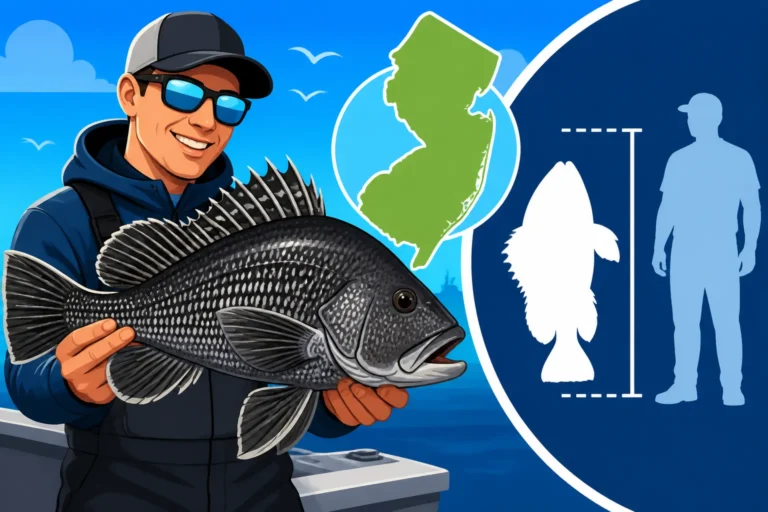
New Jersey Striped Bass Slot Limit and Season
For many anglers in New Jersey, the striped bass isn't just a fish; it's a passion, a tradition, and sometimes, a true test of patience. There's nothing quite like the thrill of feeling that powerful pull on your line, but the excitement can quickly turn to frustration if you're not absolutely sure about the current regulations. Navigating the ever-changing waters of striped bass slot limits and seasons can feel like deciphering a secret code, leaving you wondering if your prized catch is legal to keep. This guide aims to demystify those rules, helping you understand the "why" behind the "what" so you can fish with confidence and contribute to the healthy future of this incredible species.
Understanding New Jersey's Striped Bass Regulations
Let's face it, keeping up with fishing regulations can feel like a full-time job. One year it's one thing, the next it's something slightly different, and for a species as popular and important as the striped bass, those changes can feel particularly impactful. But these rules aren't arbitrary; they're the result of extensive scientific research and management efforts designed to protect the striper population for future generations of anglers. Knowing the ins and outs of the slot limit and season dates is crucial not just for staying within the law, but for being a responsible steward of our marine resources.
The Purpose Behind Slot Limits
A "slot limit" is a specific range of lengths within which fish may be kept. Any fish shorter than the minimum length or longer than the maximum length must be released. For striped bass, this management tool is incredibly important. It's designed to protect both the younger, immature fish that haven't had a chance to spawn yet, and the large, mature breeding stock that are essential for replenishing the population. Imagine a school system where you're protecting the kindergarteners and the experienced professors – that's essentially what a slot limit does for fish.
For example, a common slot limit might be something like 28 to 31 inches, or as seen in other discussions, New Jersey Striped Bass Slot Limit: 28 to 38 Inches. This means if you catch a striper that's 27 inches, it has to go back in the water to grow up and reproduce. If you catch one that's 39 inches, that also goes back, allowing those big, healthy females to continue laying eggs. This approach ensures that a robust segment of the population can reproduce multiple times, safeguarding the species' future. It's a way to balance recreational fishing opportunities with the critical need for conservation.
Decoding the Season Dates
Just like the slot limit, the open season for striped bass is a carefully determined period that aligns with the fish's migratory patterns and spawning cycles. Striped bass are migratory, moving up and down the coast with the seasons, and New Jersey sees waves of these fish during their spring and fall runs. The season dates are set to allow anglers to intercept these fish while minimizing disturbance during critical biological periods, such as spawning.
New Jersey's coastal waters, including bays and estuaries, typically have specific start and end dates for the striped bass season. Sometimes, there might even be different regulations for different areas or types of fishing (like the Atlantic Ocean vs. the Delaware River). It's vital to check the latest New Jersey Fishing Season Dates and Closures every year before you head out. These dates are not static; they can shift based on scientific data, stock assessments, and regional management agreements. Missing a critical piece of information could lead to an accidental violation, which is the last thing any angler wants.
Navigating the Measurement and Bag Limits
So, you've got a beautiful striper on the line! Now what? The next step is knowing exactly how to measure it and how many you're allowed to keep. This isn't just about avoiding a fine; it's about respecting the resource and playing your part in sustainable fishing. It's easy to get excited, but taking a moment to properly measure and confirm your catch is key.
How to Properly Measure Your Striped Bass
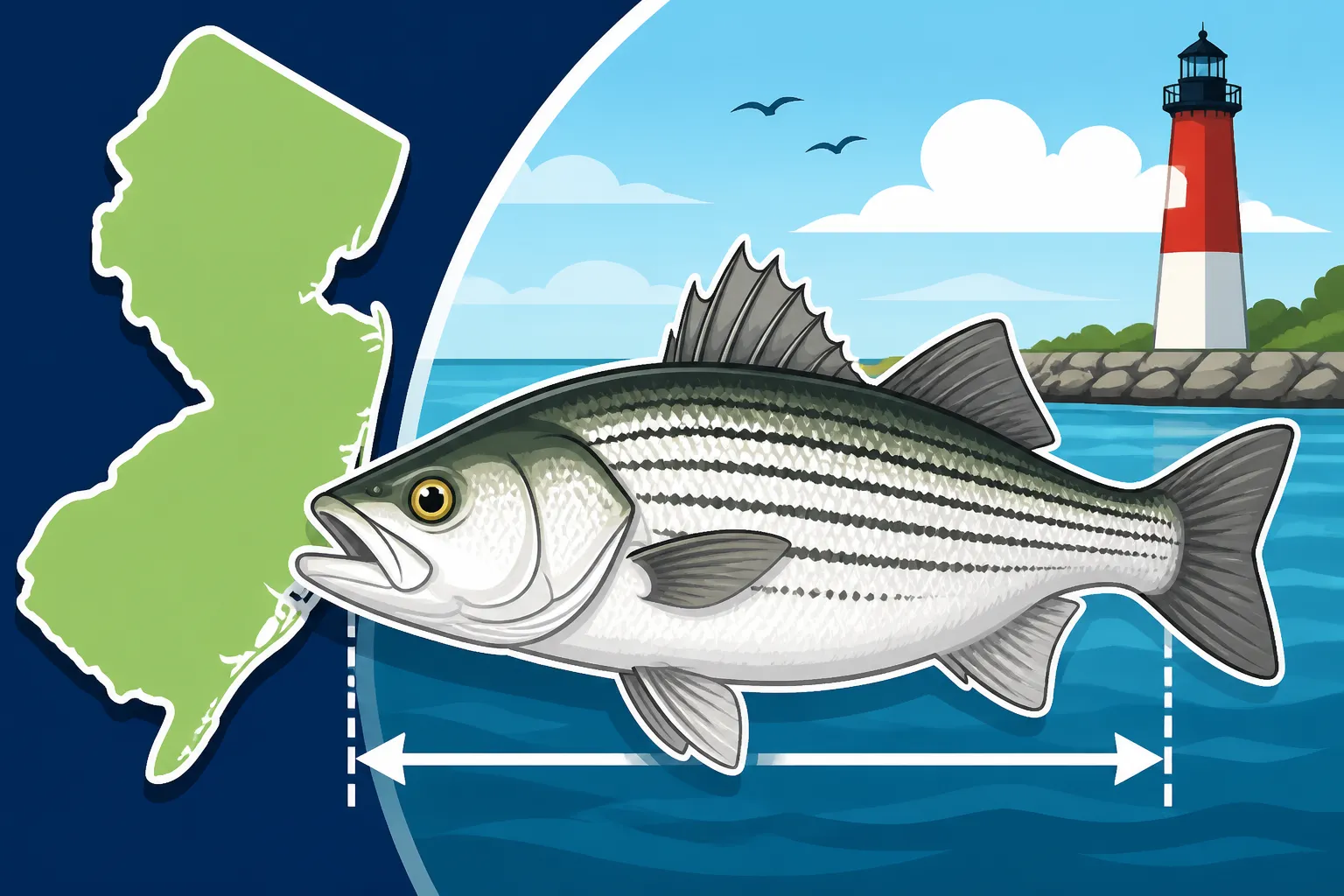
This might sound simple, but there's a correct way to measure a fish, and slight errors can lead to big problems. For striped bass, the measurement is typically taken from the tip of the snout (with the mouth closed) to the end of the tail (with the tail compressed or squeezed together). This is called "total length." You'll want a reliable measuring device, like a tape measure or a bump board. Many anglers prefer a bump board because it gives a consistent reference point at the head. You can find many options for these tools on Amazon, often bundled with other useful fishing accessories.
When you lay the fish on its side, make sure it's as straight as possible. Don't try to stretch it or bend it to gain an extra inch. Be honest with your measurement. If it's even a hair under the minimum or over the maximum of the slot, it needs to go back. Always have your measuring tape or board easily accessible. Fumbling for it when you have a lively fish on deck only increases stress for both you and the fish.
Understanding Daily Bag Limits
Beyond the slot limit, there's also a daily bag limit, which dictates how many legal-sized striped bass you can keep per day. Historically, this has often been one fish per person, but like everything else, it can change. This limit is another crucial conservation measure, preventing overfishing and ensuring that enough fish remain in the water to sustain the population. Imagine if everyone kept five fish every time they went out; the stocks would dwindle rapidly. This is part of How Bag and Size Limits Work in New Jersey for various species.
The daily bag limit applies to each angler, not to the boat. So, if you're out with a friend, and the limit is one fish per person, your boat can keep two legal-sized stripers. But your individual limit is still one. It’s also important to remember that these limits apply regardless of whether you’re fishing from shore, a kayak, or a boat. Every angler is subject to the same rules. Always double-check the regulations published by the New Jersey Department of Environmental Protection (NJDEP) before each season, as these numbers can be adjusted based on stock assessments and coastal management plans.
| Aspect of Regulation | Description | Why it Matters for Striped Bass |
|---|---|---|
| Slot Limit | A specific length range (e.g., 28 to 31 inches) where fish can be kept. | Protects juvenile fish (below slot) and large, mature breeders (above slot), ensuring population health. |
| Minimum Size | Smallest length a fish can be to be kept. | Allows young fish to mature and reproduce at least once. |
| Maximum Size | Largest length a fish can be to be kept. | Protects the largest, most prolific breeders, vital for future generations. |
| Daily Bag Limit | The number of legal-sized fish an individual angler can keep per day. | Prevents overfishing and ensures sustainable harvest rates across the fishing community. |
| Season Dates | Specific calendar periods when fishing for a species is permitted. | Minimizes disturbance during critical biological phases like spawning, and aligns with migratory patterns. |
Why Striped Bass Regulations Change
It can feel frustrating when fishing regulations seem to constantly shift, especially for a beloved species like the striped bass. One year you're comfortable with the rules, and the next you're scrambling to understand new ones. This isn't done to annoy anglers; it's a dynamic response to the complex science of fisheries management and the health of the fish stock itself. It’s a constant balancing act between conservation and providing recreational opportunities.
The Role of Scientific Stock Assessments
The bedrock of all striped bass regulations lies in scientific stock assessments. These aren't just guesses; they are rigorous studies conducted by fisheries biologists across the Atlantic Coast. They collect data on catch rates, fish sizes, ages, spawning success, and environmental factors. Think of it like a comprehensive annual physical for the entire striped bass population. If the "patient" isn't doing well, or is showing signs of stress, the management agencies propose adjustments to fishing rules to help it recover or maintain health.
These assessments often reveal trends that aren't immediately obvious to individual anglers. For example, declining numbers of spawning-age females or poor recruitment of juvenile fish might necessitate a more restrictive slot limit or a shorter season. Conversely, a healthy, growing population might allow for more liberal rules. It’s a constantly evolving picture, and the regulations are designed to be responsive to the best available science. Anglers themselves often contribute to this data through programs like New Jersey Recreational Fishing Survey: Why You Might Get a Call, helping scientists get a clearer picture of what's happening on the water.
Interstate Management and Conservation Efforts
Striped bass are highly migratory, swimming through the waters of many different states along the Atlantic coast. Because of this, no single state can manage the species effectively on its own. Instead, management is coordinated through regional bodies, such as the Atlantic States Marine Fisheries Commission (ASMFC). New Jersey's regulations, including slot limits and season dates, are often developed in coordination with these interstate partners to ensure a consistent, coast-wide approach to conservation.
This collaborative effort means that decisions are made with the big picture in mind, considering the entire range of the striped bass population. When the ASMFC proposes new measures, New Jersey and other states adopt them into their own regulations. This can sometimes lead to rules that feel a bit removed from local conditions, but it's essential for managing a species that doesn't respect state lines. So, when you see a regulation change, understand that it's likely part of a broader, regional strategy to ensure the long-term health of the striped bass fishery. How New Jersey Sets Its Fishing Regulations Each Year is a complex process influenced by these broader efforts.
Fishing Responsibly Within the Regulations
Being a responsible angler means more than just knowing the rules; it means actively practicing good habits on the water. For a species like striped bass, where catch-and-release is often a significant part of the fishing experience, handling fish properly is just as important as knowing the slot limit.
Best Practices for Catch-and-Release
Even if you're targeting fish within the slot limit, you'll inevitably catch fish that are too small or too large to keep. How you handle these released fish can significantly impact their survival. The goal is to minimize stress and injury. First, try to land the fish as quickly as possible without "playing" it to exhaustion, especially in warmer water. Prolonged fights can deplete their energy and reduce their chances of survival after release.
Use appropriate tackle for the size of fish you expect to encounter; a light rod and reel might be fun for a small striper, but can exhaust a large one unnecessarily. Once you have the fish boatside or on the shore, handle it gently. Wet your hands before touching the fish to protect its slime coat, which is vital for disease resistance. Avoid holding the fish by its gills or eyes. If you need a photo, do it quickly and support the fish horizontally with both hands. Consider using a dehooking tool, especially for deeply hooked fish, to minimize injury. The quicker you can get the fish back into the water, the better its chances. For more on this, check out New Jersey Catch and Release Striped Bass Handling Rules.
Using Circle Hooks and Other Gear Considerations
Another critical aspect of responsible striped bass fishing, especially when using bait, is the use of circle hooks. Many regulations now mandate non-offset circle hooks when bait fishing for striped bass, a rule highlighted in New Jersey Circle Hook Requirements for Bait Fishing. Why? Because circle hooks are designed to hook fish in the corner of the mouth, rather than deep in the gullet. This drastically reduces gut-hooking, which is a major cause of mortality for released fish. It's a small change that makes a huge difference in conservation.
Beyond hooks, consider your line and leader. While you want a strong enough line to land a big striper, using excessively heavy line can make it harder for the fish to break off if it snags after a release. Also, consider the types of lures you use. Lures with multiple treble hooks can be harder to remove and cause more damage. Swapping out treble hooks for single hooks on your lures is a simple modification that can greatly improve fish survival rates. Always have the right gear for measuring your catch, too. A good, easily readable measuring tape or a rigid bump board is essential, and you can find many reliable options on Amazon.
Common Questions and Misconceptions
Despite the extensive information available, anglers often have lingering questions or fall prey to common misconceptions about striped bass regulations. Let's tackle a few of these head-on, because clarity helps everyone fish more confidently and responsibly.
What if I Accidentally Catch a Striped Bass Outside the Slot?
It happens to the best of us! You're reeling in what feels like a keeper, only to realize at the last minute it's either too small or a magnificent trophy that's over the maximum length of the slot limit. The key here is quick and careful release. If you've measured it and it's not legal, it must go back into the water immediately. Don't waste time trying to re-measure multiple times or taking excessive photos. Every second out of the water reduces its chances of survival.
Remember, the regulations are about what you keep, not what you catch. Catching an oversized or undersized striper is not a violation in itself; keeping it is. So, if you find yourself with an illegal fish, follow proper catch-and-release techniques to give it the best chance. That means wet hands, minimal handling, and a quick return to the water. Don't be tempted to keep it "just this once" – conservation officers are out there, and the penalties for violations can be significant, as detailed in Penalties for Fishing Without a License in New Jersey.
Why Are the Regulations Different for Different Areas?
You might notice that the rules for striped bass can vary slightly depending on where you're fishing in New Jersey. For instance, sometimes there are different regulations for the Atlantic Ocean versus tidal rivers like the Delaware River or specific bays. This isn't random; it's usually due to distinct biological differences in these populations or varying management agreements.
For example, striped bass in the Delaware River might be part of a distinct spawning stock that requires different protection measures than the migratory ocean-run fish. Or, some areas might have specific nursery habitats that need additional protection. These regional distinctions are often a point of frustration for anglers who travel, but they are designed to provide localized management that accounts for the unique characteristics of each fishery. It's crucial to always consult the specific section of the Reading the New Jersey Fish and Wildlife Digest that pertains to your exact fishing location.
How Do I Stay Up-to-Date with the Latest Rules?
This is perhaps the most important question of all! With regulations constantly evolving, how can you ensure you always have the most current information? First and foremost, always check the official New Jersey Department of Environmental Protection (NJDEP) Fish and Wildlife website before your fishing trip. They publish the annual regulations digest, which is your go-to source.
Many bait and tackle shops throughout New Jersey also have copies of the digest and are usually very knowledgeable about current regulations. Additionally, signing up for email alerts from the NJDEP can keep you informed about emergency rule changes or important announcements. While fishing forums and social media groups can be great for tips, always cross-reference any information with official sources. Don't rely solely on word-of-mouth, because even well-meaning friends might have outdated information. A small, laminated copy of the current regulations in your tackle box, or saved on your phone, can be a real lifesaver on the water.
Disclaimer
This article is for general informational purposes only and does not constitute professional advice. Laws, prices and regulations vary by location and change over time. Consult a qualified professional for guidance on your specific situation.