Best Lakes for Largemouth Bass in New Jersey
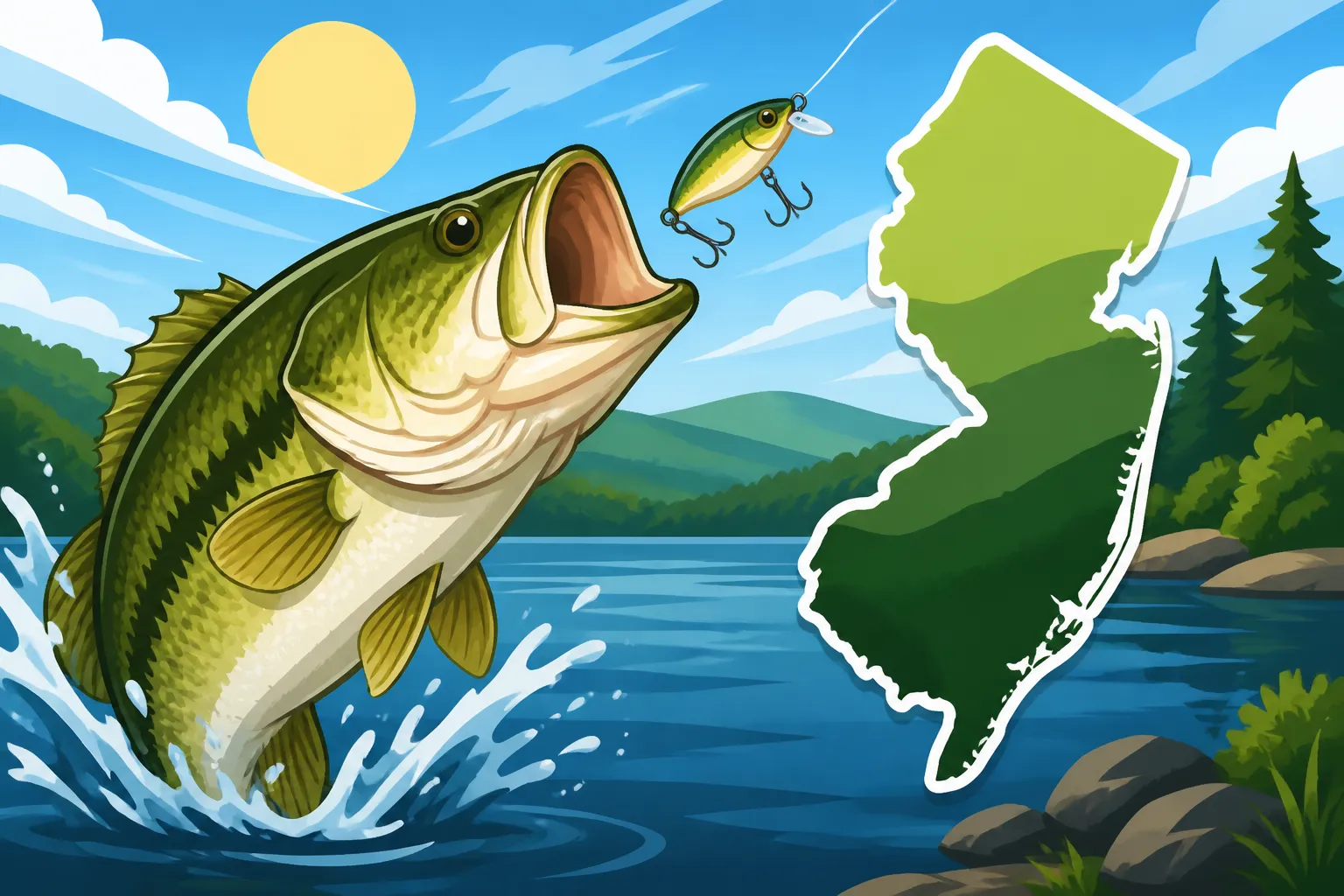
If you've spent any time chasing largemouth bass in New Jersey, you know it can sometimes feel like a treasure hunt. We're not exactly known for massive, sprawling bass factories like some southern states, but what we lack in sheer size, we make up for in diversity and the satisfaction of finding those hidden gems. This guide is all about helping you unlock some of the best largemouth bass lakes New Jersey has to offer, giving you the inside scoop on where to cast your line for that next personal best.
Understanding New Jersey Largemouth Bass Habitats
Before we dive into specific locations, it's really helpful to understand what makes a New Jersey lake a prime spot for largemouth bass. These fish are creatures of cover and structure, always looking for ambush points to snatch their next meal. In our state, that often means a mix of natural and man-made features that provide protection and food. It’s not just about tossing a lure anywhere; it’s about understanding the underwater landscape.
What Largemouth Bass Look For in a Lake
Largemouth bass thrive in waters that offer a buffet of smaller fish, crayfish, and insects, coupled with plenty of places to hide. Think about those lazy summer afternoons on a pond – the bass are likely lurking near lily pads, fallen trees, or shaded docks. They love transitions, too: where a shallow flat drops off into deeper water, or where a weed line ends abruptly. These are key areas where they can easily move between their feeding grounds and deeper, cooler retreats.
Our New Jersey lakes, whether natural glacial lakes up north or man-made reservoirs and smaller impoundments further south, all have unique characteristics that attract bass. You’ll find everything from clear, rocky waters to tannin-stained ponds with heavy vegetation. Each type of habitat demands a slightly different approach, both in terms of presentation and the tackle you choose. Knowing what kind of cover to target is half the battle won, and it makes all the difference when you're trying to coax a stubborn bass out of its lair.
Typical Structures and Cover in New Jersey Bass Lakes
When you're out on the water, keep an eye out for these tell-tale signs of bass habitat. Submerged timber, like old tree stumps or fallen logs, is a classic bass magnet. Docks and boat houses provide overhead cover and shade, which bass adore on bright days. Weed beds, especially those with distinct edges or open pockets, are prime feeding areas. You might also find bass relating to rocky points, humps, or even bridge pilings. Don’t overlook the obvious; sometimes the best spots are the ones that scream "bass!" to your eyes.
Even in lakes that appear featureless on the surface, there's often hidden structure beneath. Contour changes, old roadbeds, or submerged foundations from long-gone structures can hold surprising numbers of bass. A good depth finder can be your best friend here, helping you map out these unseen sanctuaries. For those fishing from shore, focusing on points, coves, and areas with visible cover like cattails or overhanging branches will usually put you in the right zone. A keen eye and a bit of patience go a long way in decoding a lake's bass secrets.
Northern New Jersey's Premier Bass Lakes
Northern New Jersey, with its glacial lakes and rolling hills, offers some fantastic opportunities for largemouth bass, often in a picturesque setting. These lakes can vary widely in depth, clarity, and the type of structure they offer, providing a diverse challenge for any angler.
Lake Hopatcong: New Jersey's Largest Lake
Lake Hopatcong holds the crown as New Jersey's largest freshwater lake, and it's a legitimate largemouth bass powerhouse. Its sheer size means there’s a tremendous amount of diverse habitat to explore, from shallow coves filled with lily pads and docks to deeper, rockier main lake points. Anglers regularly pull out impressive bass here, with some pushing trophy sizes. It’s a lake that demands exploration, and you could spend a lifetime trying to master all its nuances.
Fishing Lake Hopatcong Bass Fishing Hotspots often involves targeting docks, boat lifts, and extensive weed beds during the warmer months. Spinnerbaits, crankbaits, and soft plastic Texas rigs are common choices. Early morning and late evening topwater bites can be absolutely explosive around the shoreline cover. As the seasons change, bass will shift to deeper structure like humps and rock piles, making jigging and drop-shotting more effective. Don't be shy about trying different techniques; Hopatcong bass can be particular but are well worth the effort.
Monksville Reservoir: Big Bass in a Mountain Setting
Tucked away in Ringwood, Monksville Reservoir offers a beautiful, almost wilderness-like fishing experience, and it's renowned for its healthy population of largemouth bass. This reservoir is known for its clear water and steep, rocky shorelines, providing a different challenge than some of the shallower, weedier lakes. It’s a fantastic spot for anglers who enjoy finesse techniques or fishing deep structure. The picturesque surroundings only add to the appeal of a day spent chasing bass here.
The clear waters of Monksville mean that bass can be a bit more wary, often requiring lighter lines and more subtle presentations. Drop-shot rigs, shaky heads, and Ned rigs are popular choices for targeting bass that suspend over deeper structure or hug the rocky bottom. Look for submerged timber, rock ledges, and transition areas where the bottom composition changes. In the spring and fall, crankbaits and jerkbaits can be very effective when bass are more actively feeding in shallower zones. You might also find success using a Best Kayak Fishing Spots on the Delaware River style approach, launching a kayak to reach secluded coves.
Greenwood Lake: Border Water Bass
Straddling the New Jersey-New York border, Greenwood Lake is another large body of water that provides excellent largemouth bass fishing. It offers a mix of shallow, weedy areas, numerous docks, and some deeper sections, making it a versatile bass fishery. The lake sees a lot of recreational boat traffic, especially in summer, so early mornings or weekdays can be ideal for a more peaceful fishing experience.
Bass in Greenwood Lake often relate to the abundant docks and moored boats, especially those with some depth underneath them. Flipping jigs or pitching soft plastics into these shaded areas can be very productive. Extensive weed lines also hold good numbers of bass, responding well to spinnerbaits, chatterbaits, and topwater frogs worked over the mats. Keep an eye on your local New Jersey Fishing Season Dates and Closures as regulations can sometimes differ slightly on border waters, though generally for largemouth, the rules are fairly consistent.
Central New Jersey's Largemouth Hotspots
Moving into Central New Jersey, you'll find a different array of lakes and reservoirs, many of which are vital drinking water sources. These often have specific access rules but can offer phenomenal bass fishing for those willing to learn their quirks.
Manasquan Reservoir: A Productive Fishery
Manasquan Reservoir, located in Monmouth County, is a highly regarded freshwater fishing destination. While famous for its trophy trout and hybrid striped bass, it also boasts a robust largemouth bass population. The reservoir features extensive submerged timber, varying depths, and plenty of aquatic vegetation, creating ideal conditions for bass to thrive. It's a managed fishery, and the health of its populations is a testament to those efforts.
The key to success at Manasquan often lies in fishing the structure. Look for old roadbeds, submerged tree lines, and humps that rise off the bottom. Jigs, Carolina rigs, and deep-diving crankbaits are excellent choices for probing these deeper zones. During the warmer months, bass will also move into the shallower weed beds and around fallen trees along the shore, where topwater lures and Texas-rigged worms can be deadly. Manasquan Reservoir Trout Stocking Details might tell you about other species, but don't overlook the bass hiding beneath the surface!
Assunpink Lake: Diverse Cover for Bass
Assunpink Lake, part of the Assunpink Wildlife Management Area in Mercer and Monmouth counties, is a popular spot for its diverse fishing opportunities, including excellent largemouth bass. It’s known for its relatively shallow depths and extensive weed growth, making it a classic "target the cover" bass lake. The surrounding wildlife management area provides a quiet, natural backdrop for your fishing adventures.
Due to the heavy vegetation, techniques that excel in thick cover are often the most productive here. Frogs, flippin' jigs, and Texas-rigged creature baits are ideal for punching through mats and working around lily pads. Spinnerbaits and chatterbaits can also be effective when worked along weed edges. Don't forget that many of these lakes are home to larger bass, and you'll want gear that can handle the fight. You can find robust rods and reels suitable for this kind of fishing on Amazon, ensuring you're well-equipped for battling a chunky bass out of heavy cover.
Carnegie Lake: Princeton's Bass Gem
Nestled beside Princeton University, Carnegie Lake is a scenic and historic rowing venue that also happens to be a fantastic largemouth bass fishery. It's a shallower, riverine lake with a good amount of shoreline cover, docks, and submerged features that attract bass. While it sees a fair amount of recreational activity, especially with crew teams, there are plenty of quiet pockets for anglers.
Bass in Carnegie Lake will often relate to the many docks, bridge pilings, and weed lines found throughout its length. Square bill crankbaits, spinnerbaits, and chatterbaits are great for covering water and targeting these areas. Soft plastic presentations, such as wacky worms or Texas rigs, can be very effective when fished slowly around specific pieces of cover. Remember to check local regulations, as New Jersey Freshwater Fishing Regulations Every Angler Should Know can sometimes have specific nuances for smaller, unique bodies of water like Carnegie Lake.
Southern New Jersey's Best Bass Fishing Lakes
Southern New Jersey's landscape is dotted with numerous lakes and ponds, many of them shallower and more heavily vegetated than their northern counterparts. These waters are often fertile largemouth bass habitats, providing excellent action, especially for those who enjoy fishing dense cover.
Union Lake: South Jersey's Bass Haven
Union Lake in Millville is arguably one of South Jersey's most celebrated largemouth bass fisheries. This large lake boasts abundant aquatic vegetation, submerged timber, and varying depths, creating a haven for big bass. It's a popular tournament lake, a testament to its consistent ability to produce quality fish. If you're looking for a chance at a true South Jersey lunker, Union Lake should be on your list.
Fishing Union Lake often involves working through thick cover. Frogs and heavy jigs punched through lily pads and weed mats are highly effective, especially during warmer months. Spinnerbaits and lipless crankbaits excel at covering the expansive flats and weed edges. Don't overlook the many docks and fallen trees that line the shore, as bass will often stage in these areas. For anglers new to the lake, spending some time exploring with a good map or sonar will definitely pay off in locating productive areas.
Parvin State Park Lake: Scenic and Productive
Parvin State Park Lake, located within the beautiful Parvin State Park near Elmer, offers a serene and productive bass fishing experience. This relatively shallow lake is rich in aquatic vegetation, providing ample cover and food for largemouth bass. It’s an ideal spot for family fishing, combining good action with a pleasant natural environment.
Given its shallow nature and abundant weeds, topwater lures like frogs and poppers are incredibly exciting to fish here, especially during low-light conditions. Wacky-rigged worms and Texas-rigged soft plastics are also highly effective for working through and around the vegetation. For a more active approach, chatterbaits and shallow-diving crankbaits can entice strikes along weed lines. While you might also find panfish here, the largemouth are the main draw. Before you head out, remember to ensure you have your New Jersey Fishing License Guide for 2026 in order.
Lake Nummy at Belleplain State Forest: Hidden Gem
Within the expansive Belleplain State Forest in Cape May County, Lake Nummy is a true hidden gem for largemouth bass anglers. This quiet, tannic-stained lake is surrounded by dense forest, offering a tranquil fishing experience away from the crowds. It's smaller than some of the other lakes on this list, but don't let its size fool you; it holds a healthy population of largemouth bass that are eager to bite.
The stained water and heavy cover in Lake Nummy make reaction baits a good choice. Spinnerbaits with Colorado blades, chatterbaits, and dark-colored soft plastics often produce well. Flipping and pitching jigs into the numerous lily pad fields and submerged brush piles are also highly effective techniques. This is a great lake to explore by kayak or canoe, allowing you to quietly access tight spots that larger boats can't reach. It’s truly one of those spots that feels like you’ve stumbled upon a secret.
Seasonal Considerations for Bass Fishing in New Jersey
Just like us, largemouth bass change their habits with the seasons. Understanding these shifts is crucial for consistent success, no matter which lake you choose to fish. What works in spring won't necessarily work in the dog days of summer, and knowing when and where bass will be helps you plan your trips effectively.
Spring: Post-Spawn and Active Feeding
Spring is arguably one of the most exciting times to target largemouth bass in New Jersey. After the spawn, which typically happens when water temperatures reach the mid-60s, bass are often hungry and aggressive, recouping their energy. They’ll be found moving from their spawning grounds to nearby feeding areas, which are usually shallower zones with abundant baitfish.
In early spring, focus on prespawn staging areas like points, rocky banks, and the sunny side of coves where water warms fastest. Jerkbaits, lipless crankbaits, and slow-rolled spinnerbaits can be incredibly effective. Once the spawn is over and bass are post-spawn, they become highly aggressive feeders. This is a fantastic time for How to Catch Largemouth Bass in Early Spring, using soft plastics, jigs, and even topwater lures around any available cover. The fish are often still shallow but will be more scattered and less territorial than during the spawn itself.
Summer: Deep Water and Low-Light Bites
As New Jersey summers heat up, largemouth bass often seek refuge in deeper, cooler water or dense, shaded cover. This means your tactics need to adapt. The scorching midday sun can make fishing challenging, but early mornings, late evenings, and even night fishing can be incredibly productive. Bass will move up to feed during these cooler periods.
During the daytime, focus on deeper breaks, humps, and submerged structure. Carolina rigs, deep-diving crankbaits, and heavy jigs can help you reach these deeper fish. Look for areas with a thermocline, as bass will often suspend just above it. For those who prefer shallow water action, targeting thick weed mats with frogs or punching jigs through heavy cover can yield big fish, especially if there's an overhead canopy providing shade. If you're looking for Best Lures for Largemouth Bass in Summer Heat, think about how you can imitate distressed baitfish or frogs.
Fall: The Migration and Feeding Frenzy
Fall is another fantastic time for largemouth bass fishing as they prepare for winter. As water temperatures begin to cool, bass become very active, feeding heavily to build up fat reserves. They often move from their deep summer haunts back to shallower areas, chasing baitfish that are also moving. This can lead to some incredible fishing, with bass schooled up and aggressively feeding.
Look for bass around points, channel swings, and areas where baitfish are abundant. Crankbaits, spinnerbaits, and swimbaits are excellent choices for covering water and finding these active fish. Jigs and soft plastics can also be very effective for targeting bass once you've located them. The fall bite can be some of the most consistent and exciting fishing of the year, as bass are often less finicky and more willing to chase down a meal. Just be sure to dress in layers as the weather can be unpredictable!
Essential Gear and Techniques for New Jersey Largemouth Bass
Having the right gear and knowing how to use it makes all the difference when targeting New Jersey largemouth bass. You don't need a boatload of expensive equipment, but a few key items and techniques will significantly boost your success rate.
Rods, Reels, and Line for Bass
For largemouth bass, you generally want a versatile setup that can handle different lure weights and provide enough backbone to fight a strong fish out of cover. A medium-heavy power, fast action casting rod (around 6'6" to 7'6" in length) paired with a baitcasting reel is a popular choice for many bass anglers. This setup offers power for pitching jigs and frogs, and accuracy for casting crankbaits. For lighter presentations or open water, a medium power spinning rod with a matching spinning reel can be very effective.
When it comes to line, a good fluorocarbon line (12-20lb test) is a solid all-around choice due to its low visibility and abrasion resistance, especially in clear water. Braided line (30-50lb test) with a fluorocarbon leader is excellent for fishing heavy cover like thick weeds, as it provides superior strength and sensitivity. Monofilament (10-17lb test) is also a good option for topwater lures or crankbaits due to its stretch. If you're just starting out, there are many affordable and effective rod and reel combos available on Amazon that will get you on the water without breaking the bank. Spinning Reel vs Baitcasting Reel for Bass Fishing delves deeper into the nuances of each.
| Reel Type | Pros | Cons | Ideal Use |
|---|---|---|---|
| Baitcasting Reel | Powerful, accurate, excellent for heavy lures/cover, good control | Steeper learning curve (backlashes), less ideal for light lures | Jigs, frogs, heavy Texas rigs, crankbaits, spinnerbaits |
| Spinning Reel | Easy to use, great for light lures, less prone to backlashing | Less power for heavy cover, not as accurate for pinpoint casting | Wacky rigs, shaky heads, small worms, finesse techniques |
Top Lure Categories and When to Use Them
New Jersey largemouth bass respond to a wide array of lures, but focusing on a few key categories will cover most situations:
- Soft Plastics: These are incredibly versatile. Texas-rigged worms, creature baits, and senkos (wacky-rigged or Texas-rigged) are fantastic for working through cover or slow-finesse presentations. They're often key when bass are pressured or finicky.
- Jigs: Flippin' jigs and swim jigs are power fishing staples for bass in heavy cover, docks, or submerged timber. They imitate crawfish or baitfish and can draw aggressive strikes.
- Crankbaits: From shallow square bills to deep-diving models, crankbaits are excellent for covering water and eliciting reaction strikes. Match the depth of your crankbait to where the bass are holding.
- Spinnerbaits & Chatterbaits: These lures create a lot of flash and vibration, making them great for dirty water, windy conditions, or active fish in and around cover. They're particularly effective in spring and fall.
- Topwater Lures: Frogs, poppers, and walking baits provide some of the most exciting bites in bass fishing. Use them over weed mats, around docks, or in other shallow cover, especially during low-light conditions.
Don't be afraid to experiment with colors and sizes. Sometimes a subtle change can make all the difference. Having a well-stocked tackle box, perhaps with some extra soft plastics and hooks ordered from Amazon, means you're always prepared.
Basic Techniques for New Jersey Largemouth
Beyond just having the right lures, knowing how to present them is crucial.
- Flipping and Pitching: These are short-range casting techniques used to drop a lure precisely into heavy cover without making a big splash. Ideal for jigs and Texas-rigged plastics around docks, lily pads, or submerged wood.
- Casting and Retrieving: This is your bread and butter for crankbaits, spinnerbaits, and swimbaits. Vary your retrieve speed and incorporate pauses to make the lure seem more lifelike and erratic.
- Finesse Fishing: For clear water or pressured fish, slowing down is key. Techniques like the drop-shot, Ned rig, or wacky rig involve subtle movements and lighter tackle to entice wary bass.
- Topwater Action: When using topwater lures, patience is a virtue. Cast to your target, let the ripples dissipate, and then begin your retrieve with short twitches and pauses, mimicking a struggling baitfish or frog.
No matter your chosen technique, practice makes perfect. Spending time on the water, observing fish behavior, and trying different approaches will lead to greater understanding and more hookups. Even if the bass aren't biting right away, the sheer beauty of New Jersey's lakes makes any day fishing a good day.
Disclaimer
This article is for general informational purposes only and does not constitute professional advice. Laws, prices and regulations vary by location and change over time. Consult a qualified professional for guidance on your specific situation.