How Bag and Size Limits Work in New Jersey
Navigating fishing regulations in New Jersey can feel like deciphering a secret code, especially with rules constantly evolving and differing from one species or location to another. It's frustrating to want to enjoy a peaceful day on the water only to be bogged down by complex legalities and the nagging fear of accidentally breaking a rule. This comprehensive guide will break down everything you need to know about bag and size limits, helping you stay compliant, avoid penalties, and truly enjoy your time on New Jersey's abundant waters.
Understanding the Basics of Bag and Size Limits in New Jersey
When you head out to cast a line in New Jersey, whether in the sprawling freshwater lakes or the vast expanse of the Atlantic, you're not just hoping to catch fish – you're also agreeing to abide by a set of rules designed to protect those fish for generations to come. It’s not about making things complicated; it's about ensuring sustainable fishing for everyone. Think of these limits as a shared responsibility, a way for all of us to be good stewards of our natural resources.
Why Limits Exist: Conservation and Sustainability
Imagine if everyone could keep every fish they caught, regardless of size or quantity. Our fish populations would vanish in no time, and future generations wouldn't have the same incredible opportunities we do. Bag and size limits are primarily about conservation. They're scientifically determined guidelines based on factors like population health, reproductive cycles, growth rates, and fishing pressure. For example, a minimum size limit allows fish to reach reproductive age and spawn at least once, contributing to the next generation before being harvested. A maximum size limit, sometimes called a slot limit, protects the largest, most prolific breeders, ensuring they continue to contribute to the gene pool. Without these limits, the vibrant fisheries of New Jersey, from the robust striped bass runs to the delicate trout streams, would quickly deplete. It's a delicate balance, and these rules are the framework that helps maintain it. The state actively studies fish populations and adjusts these regulations, showing us how New Jersey Sets Its Fishing Regulations Each Year.
The Difference Between Bag Limits and Size Limits
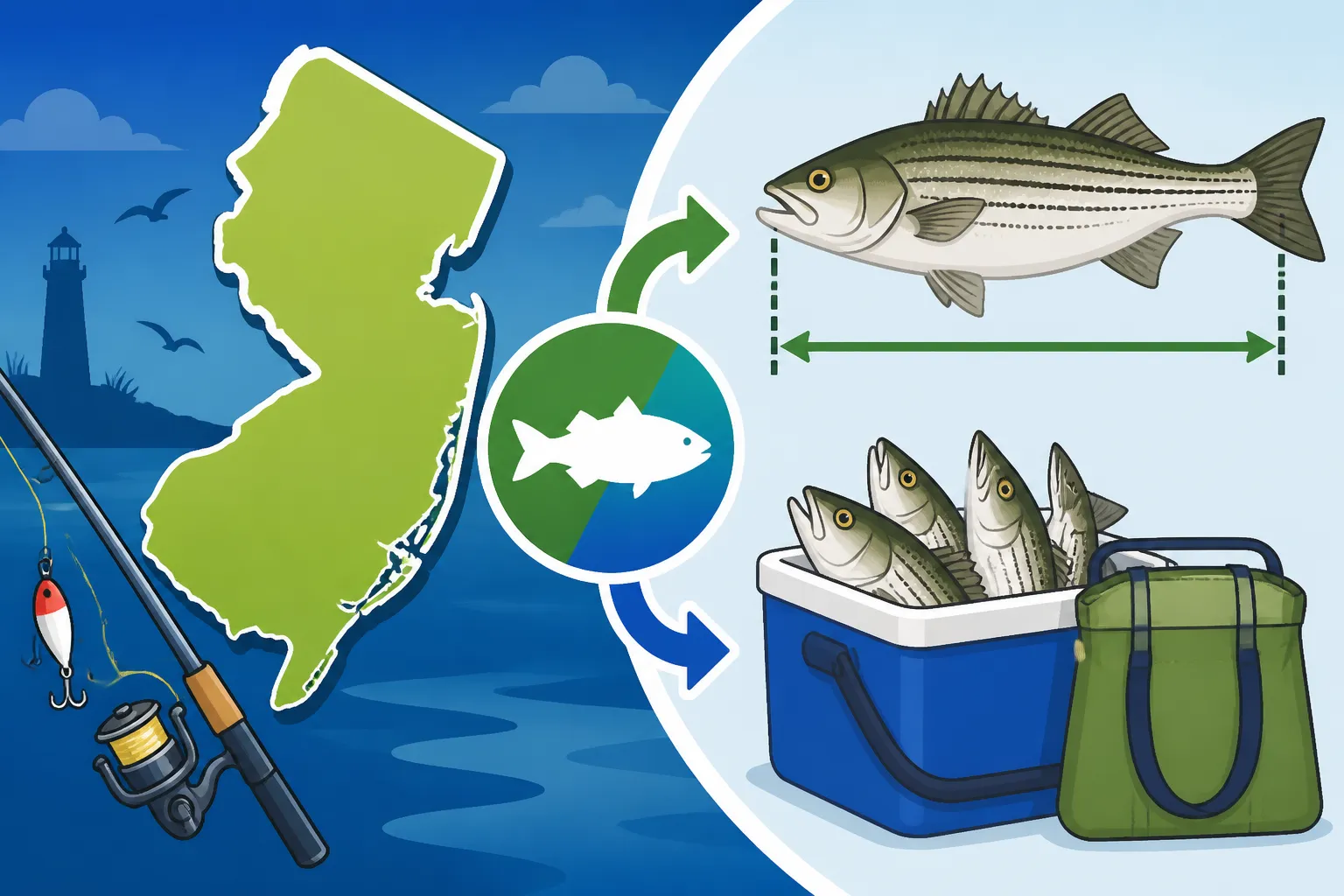
It's easy to confuse these two, but they serve distinct purposes. A bag limit, sometimes called a creel limit, dictates the maximum number of fish of a specific species that an individual angler can keep in a single day. So, if the bag limit for fluke is three, you can only possess three fluke in your cooler or livewell, even if you caught a dozen throughout the day. This prevents overharvesting and spreads the catch among more anglers.
A size limit, on the other hand, specifies the minimum or maximum length a fish must be for you to legally keep it. A common example is the minimum size for striped bass, meaning any striper shorter than that measurement must be immediately released. Sometimes, you'll encounter a "slot limit," like the one often seen for striped bass, where you can only keep fish within a certain length range (e.g., 28 to 31 inches). Fish smaller than the minimum or larger than the maximum must be released. It's critical to understand both types of limits for each species you target, as breaking either rule can lead to significant penalties.
Catch and Release: When It Applies
Catch and release is an integral part of New Jersey's fishing culture and a vital conservation tool. It applies whenever a fish doesn't meet the legal size limit or if you've already reached your daily bag limit for that species. It also comes into play for species that are entirely protected or during closed seasons. For instance, if you're targeting trout in a designated "catch and release only" section of a river, you're legally required to release every trout you catch, regardless of its size. The idea is to minimize harm to the fish so it can survive and potentially be caught another day. Proper catch and release techniques are paramount to ensuring the fish's survival. This means minimizing handling time, using wet hands, avoiding contact with gills, and quickly returning the fish to the water. Learning about New Jersey Catch and Release Striped Bass Handling Rules can give you a great foundation for ethical angling across all species.
Deciphering New Jersey's Marine Fish Size and Bag Limits
New Jersey's coastline is a vibrant fishing ground, home to countless species. But with that diversity comes a complex web of regulations that often change based on federal guidelines and state-specific management plans. It’s crucial for every saltwater angler to stay informed, as these limits are strictly enforced by the New Jersey Marine Police and conservation officers.
Coastal Striped Bass Regulations
Striped bass, or "stripers," are arguably the most iconic game fish in New Jersey, drawing anglers to the surf, bays, and inlets throughout the spring and fall migrations. Their regulations are notoriously dynamic, often shifting year to year due to regional stock assessments. Currently, New Jersey Striped Bass Slot Limit Explained, anglers can typically keep one striped bass per person per day within a specific slot limit. For example, a common slot might be 28 to 31 inches, meaning any fish shorter than 28 inches or longer than 31 inches must be immediately released.
These slot limits are a strategic conservation measure to protect both the smaller, juvenile fish, allowing them to grow and reproduce, and the larger, older, and most reproductively potent "trophy" fish. It's a system designed to maximize the breeding potential of the stock. Always double-check the current regulations before heading out, as these limits can even change mid-season based on federal management decisions. Keeping a copy of the most recent New Jersey Fish and Wildlife Digest, either physically or digitally on your phone, is a smart move.
Fluke and Summer Flounder: A Jersey Shore Staple
Fluke, also known as summer flounder, is another immensely popular species, especially during the warmer months. These delicious flatfish are a favorite target for bay and ocean anglers alike. Like striped bass, fluke regulations can vary. Typically, there's a minimum size limit and a daily bag limit. For instance, the New Jersey Fluke Size and Bag Limits Explained may specify an 18-inch minimum size and a bag limit of 3 fish per angler per day. This minimum size ensures that most fluke have had a chance to spawn at least once before being harvested.
What makes fluke regulations particularly interesting in New Jersey is the regional variation, especially concerning Delaware Bay. It's not uncommon for the Delaware Bay Fluke Rules vs the Rest of New Jersey to differ significantly from the general marine waters. This is usually due to interstate management agreements with Delaware and Pennsylvania, as the bay is shared water. Always be aware of which specific waters you're fishing and what rules apply there. Carrying a measuring device is non-negotiable when fluke fishing; a foldable ruler or a soft tape measure from Amazon is an inexpensive but essential piece of gear.
Black Sea Bass and Tautog: Wreck and Reef Dwellers
For those who venture offshore to wrecks, reefs, and rocky bottom structures, black sea bass and tautog (also known as "blackfish") are highly sought after. These species offer excellent table fare and a challenging fight. Both have specific seasons, size limits, and bag limits that often vary.
- Black Sea Bass: These fish tend to have tighter seasons and specific bag limits, often changing based on stock assessments and federal allocations. For example, you might see a 12.5-inch minimum size and a bag limit that fluctuates throughout the year. They're often caught on bait like clam, squid, or jigs over rocky bottom.
- Tautog: Tautog are known for their strong jaws, ability to crush shellfish, and their tendency to stick tight to structure. Their seasons are typically short and often split into spring and fall segments, with varying bag limits and a minimum size, such as 15 inches. Green crabs and fiddler crabs are go-to baits for these tough fighters.
The regulations for these species are often tied to federal management plans, which means they can change with little notice. Always check the most current regulations before a trip, especially if you're targeting these species.
Other Common Saltwater Species: Bluefish, Weakfish, and More
New Jersey's marine waters host a vast array of other species, each with its own set of rules.
- Bluefish: These aggressive fighters are plentiful and generally have generous bag limits. For recreational anglers, the limit is often 10 fish per person, with no minimum size for most of the year. However, there are typically special rules for the larger "chopper" bluefish, often with a reduced bag limit for fish over a certain length.
- Weakfish: Once incredibly abundant, weakfish populations have seen significant declines. As a result, regulations are often very conservative, with low bag limits (e.g., one fish per day) and a minimum size limit to aid in their recovery.
- Mackerel, Cod, Pollock, Scup (Porgy), and Summer Flounder: Many other species have their own distinct bag and size limits. Scup, for instance, typically have a minimum size and a generous bag limit, but these can change between private boats and party boats.
Staying informed is your best defense against inadvertently violating regulations. A quick glance at the New Jersey Marine Fish Size Chart 2026 can be incredibly helpful for a general overview, but always consult the most recent official digest for precise, up-to-the-minute details.
Here's a quick overview of some common marine species and their typical limits, but remember, these are examples and can change:
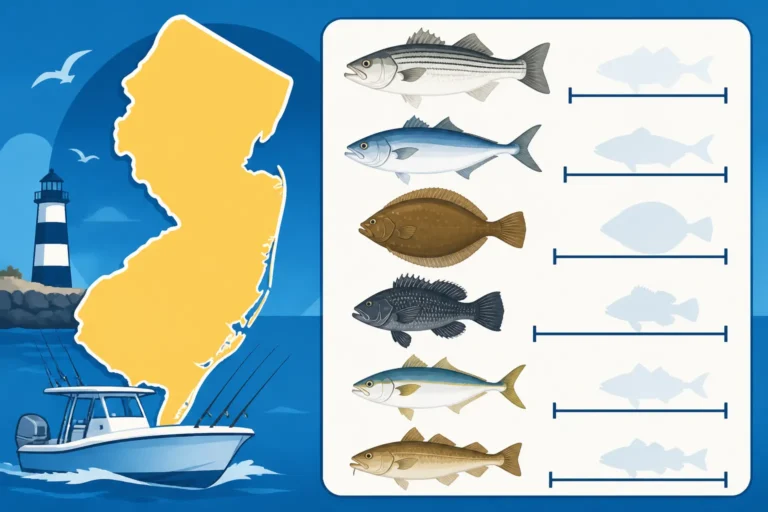
| Species | Typical Minimum Size (Inches) | Typical Bag Limit (Per Person/Day) | Notes |
|---|---|---|---|
| Striped Bass | 28 (Slot Limit) | 1 (28-31 inch slot) | Subject to frequent changes, check current digest. |
| Fluke (Summer Flounder) | 18 | 3 | Rules may differ for Delaware Bay. |
| Black Sea Bass | 12.5 | Varies by season | Check seasonal opening/closing and bag limits. |
| Tautog (Blackfish) | 15 | Varies by season | Restricted seasons, often spring/fall. |
| Bluefish | None (usually) | 10 (general), 3 (larger choppers) | Large choppers often have a reduced bag. |
| Weakfish | 13 | 1 | Highly conserved due to population decline. |
| Scup (Porgy) | 9 | 30-50 (Varies) | Different limits for private vs. party boats. |
Navigating Freshwater Fish Size and Bag Limits in New Jersey
New Jersey's freshwater ecosystems, from its sprawling reservoirs to its clear mountain streams, offer a different kind of angling experience with its own unique set of regulations. While often less dynamic than saltwater rules, freshwater limits are just as important to understand and adhere to. These rules are designed to protect fragile ecosystems and ensure healthy populations of popular species like trout, bass, and panfish.
Trout Regulations: Stocked vs. Wild Streams
Trout fishing is a cherished tradition in New Jersey, especially during the spring stocking season. The rules for trout can be particularly nuanced, largely depending on whether you're fishing in a stocked waterbody or a wild trout stream.
- Stocked Waters: For the most part, stocked lakes, rivers, and streams have a general open season with a daily creel limit and a minimum size. For example, during the regular season, you might be allowed to keep six trout per day with a 9-inch minimum size. However, even within stocked waters, there are "Holdover Trout Lakes" or "Seasonal Trout Conservation Areas" that might have different rules, sometimes year-round catch and release or different size and bag limits to protect larger, longer-surviving fish. The anticipation around New Jersey Trout Season Preseason Closure Explained and opening day is huge, and understanding the rules for these specific periods is vital.
- Wild Trout Streams: New Jersey is home to a surprising number of wild trout streams, often found in the pristine headwaters of the Highlands and Kittatinny Ridge. These streams typically have much stricter regulations, often designating them as "Trout Conservation Areas" or "Wild Trout Streams" with year-round or extended periods of catch-and-release only. In areas where harvest is permitted, the bag limits are significantly lower, and minimum sizes might be higher to protect the naturally reproducing fish. These regulations are critical for maintaining the delicate balance of these self-sustaining populations.
It's paramount to know the specific designation of the water you're fishing. The state's Fish and Wildlife Digest provides detailed maps and descriptions of all regulated trout waters, distinguishing between stocked and wild sections.
Largemouth and Smallmouth Bass Rules
Bass fishing, particularly for largemouth, is incredibly popular in New Jersey's lakes, ponds, and slow-moving rivers. Smallmouth bass are more common in cooler, rocky rivers like the Delaware River and some deep, clear reservoirs. Both species have regulations designed to protect their populations and ensure quality fishing.
- Largemouth Bass: Generally, largemouth bass have a minimum size limit (e.g., 12 or 15 inches) and a daily bag limit (e.g., five fish). These limits allow the bass to grow to a respectable size and contribute to spawning before being kept. Some waters might have specific "Trophy Bass" regulations with higher minimum sizes or lower bag limits to encourage the growth of larger fish.
- Smallmouth Bass: Smallmouth regulations are often similar to largemouth, with comparable minimum size and bag limits. However, in specific sections of the Delaware River, there might be interstate agreements that lead to slightly different rules. Always check the current digest for the specific body of water you intend to fish.
Catch and release is also very common for bass anglers, especially for tournament fishing or those who simply prefer to let these game fish go. Using lures with single, barbless hooks can greatly improve a bass's survival rate upon release.
Panfish and Other Popular Freshwater Species
Beyond trout and bass, New Jersey's freshwater bodies teem with other exciting species, collectively known as "panfish" due to their common fate in a frying pan! These include crappie, bluegill, sunfish, yellow perch, and pickerel, as well as catfish and walleye. While often overlooked, these fish provide fantastic angling opportunities for all ages and typically have more liberal regulations.
- Crappie, Bluegill, Sunfish, Yellow Perch: These species generally have no minimum size limit and generous daily bag limits, often 25 fish per species per day. This allows anglers to harvest a good meal without impacting the overall health of these highly reproductive populations.
- Chain Pickerel: Often confused with pike, chain pickerel are common predators in New Jersey's vegetated lakes and ponds. They typically have a minimum size limit (e.g., 15 inches) and a daily bag limit (e.g., five fish).
- Channel Catfish: Found in many lakes and slow-moving rivers, catfish are popular for their strong fight and excellent taste. They usually have a minimum size limit (e.g., 12 inches) and a daily bag limit (e.g., five fish).
- Walleye: A highly prized species in certain New Jersey lakes like Monksville Reservoir and Greenwood Lake, walleye typically have a minimum size limit (e.g., 18 inches) and a low bag limit (e.g., five fish). These conservative limits help manage the often-fragile walleye populations.
While the rules for panfish and other common species are generally simpler, it’s still good practice to review the freshwater sections of the annual digest. It's especially useful for family fishing outings or when exploring a new lake, ensuring everyone understands what they can keep.
Special Considerations: Seasons, Gear, and Location-Specific Rules
Just when you think you have a handle on bag and size limits, New Jersey throws in a few more curveballs related to specific seasons, gear, and even hyper-local rules. These aren't meant to trip you up, but rather to fine-tune conservation efforts or address unique environmental factors. Ignoring these nuances could lead to an unexpected run-in with a conservation officer.
Seasonal Changes and Emergency Adjustments
One of the most challenging aspects of fishing in New Jersey is the dynamic nature of regulations. Fish populations are constantly monitored, and their health dictates management decisions. This means that bag and size limits, as well as open seasons, can and do change.
- Seasonal Shifts: Many species have distinct open and closed seasons. For example, tautog and black sea bass seasons are typically broken into several segments throughout the year to manage harvest during spawning or migratory periods. Freshwater trout seasons also have specific opening dates and preseason closures, such as New Jersey Trout Season Preseason Closure Explained.
- Emergency Adjustments: In rare but critical situations, such as an unexpected decline in a fish stock or a severe environmental event, the New Jersey Division of Fish and Wildlife, in conjunction with federal agencies like the National Marine Fisheries Service, can implement emergency regulation changes. These changes can occur mid-season, impacting bag limits, size limits, or even closing a season entirely. While rare, it underscores the importance of staying current. Online resources and alerts from the state wildlife agency are the best ways to keep abreast of such rapid changes. Remember, ignorance of the law is not an excuse.
Circle Hook and Gear Restrictions
It’s not just about how many fish you keep or how big they are; sometimes, how you catch them also falls under regulation. Gear restrictions are designed to reduce mortality rates, especially for fish released.
- Circle Hooks: Perhaps the most prominent example in New Jersey saltwater fishing is the requirement for circle hooks when fishing for striped bass with bait. This rule is in place because circle hooks are designed to hook fish in the corner of the mouth, significantly reducing instances of "gut hooking," which dramatically lowers a fish's chance of survival upon release. You’ll find more details on this in topics like Do You Need a Circle Hook to Fish for Striped Bass in New Jersey? Using the right tackle, readily available at most tackle shops or on Amazon, can make a huge difference in compliance and fish welfare.
- Other Restrictions: Certain areas might restrict the use of treble hooks, or prohibit specific types of nets or traps. In some freshwater "fly fishing only" sections, only artificial flies can be used, with no bait or lures allowed. These rules are usually clearly posted at access points or detailed in the annual digest.
Delaware Bay vs. General Marine Waters
The Delaware Bay is a unique and vitally important estuary, and as mentioned earlier, its regulations can sometimes differ from the general marine waters of the Atlantic coast. This isn't just a quirk; it's a necessity due to its status as an interstate water body shared with Delaware.
- Fluke Regulations: The most common example of this is the fluctuation in fluke regulations. The Delaware Bay Fluke Rules vs the Rest of New Jersey often present slightly different minimum sizes, bag limits, or even seasons for fluke. These are usually the result of cooperative management efforts between New Jersey and Delaware to ensure the sustainable harvest of fluke within the bay's ecosystem.
- Other Species: While fluke are the most frequent subject of differing regulations, it’s possible for other species that inhabit the bay, such as weakfish or striped bass, to have slightly adjusted rules within this specific zone. Always consult the appropriate section of the Fish and Wildlife Digest that specifically addresses Delaware Bay regulations if you plan to fish its waters.
Island Beach State Park Specifics
Island Beach State Park (IBSP) is a gem for surf anglers in New Jersey, offering miles of pristine, undeveloped coastline. Its unique environment and high popularity mean it often has specific rules that go beyond general state regulations.
- Permits: While general fishing regulations apply, IBSP requires special mobile sportfishing permits for vehicle access to the surf fishing zones. Without this permit, you're limited to walk-on access.
- Vehicle Access Hours: Even with a permit, there are often specific hours for vehicle access, especially during peak seasons or for night fishing.
- Conservation Zones: Certain areas within the park might be designated as conservation zones with stricter catch and release rules or limits on vehicle activity.
- Entry/Exit Rules: During periods of high visitation, the park can reach capacity, closing entry to additional vehicles, even those with permits.
Understanding the Island Beach State Park Shore Fishing Rules before you go can save you a lot of hassle and ensure a smooth, enjoyable fishing trip. Always check the park's official website or call ahead for the most current information.
How to Stay Up-to-Date with New Jersey Fishing Regulations
Staying current with fishing regulations is perhaps the single most important habit an angler can cultivate. Laws change, fish populations fluctuate, and what was legal last year might not be this year. Failing to stay informed isn't just a risk to your catch; it's a risk to your wallet and your fishing privileges. No one wants to face penalties for fishing without a license in New Jersey or keeping an illegal fish.
The Importance of the New Jersey Fish and Wildlife Digest
The official New Jersey Fish and Wildlife Digest is your bible for fishing regulations. Published annually, this comprehensive guide covers everything from licensing requirements to specific bag and size limits for every species, both freshwater and saltwater. It also details special regulations for specific water bodies, explains gear restrictions, and provides vital conservation information.
- Where to Find It: You can usually pick up a free physical copy at any tackle shop or sporting goods store that sells fishing licenses. It's also available as a free download in PDF format on the New Jersey Division of Fish and Wildlife website.
- What It Contains: Beyond the raw numbers, the digest often includes helpful maps, contact information for conservation officers, and articles on conservation efforts. Many anglers find it useful to keep a digital copy on their phone or tablet for quick reference while on the water.
- Annual Updates: Make it a habit to obtain and review the new digest at the beginning of each year. Even if you think you know the rules, subtle changes are frequent, and a quick scan can prevent an accidental violation.
Seriously, this isn't just a suggestion; it's a lifeline. Reading the New Jersey Fish and Wildlife Digest should be part of every angler's pre-season ritual.
Online Resources and Mobile Apps
In today's digital age, staying updated is easier than ever. The New Jersey Division of Fish and Wildlife's official website is a treasure trove of information, offering the most current regulations, news releases, and emergency updates.
- Official Website: The state's website often posts updates quicker than printed digests can be distributed. It’s where you’ll find emergency rule changes and detailed explanations of new regulations. Subscribe to their newsletters or follow their social media channels for real-time alerts.
- Mobile Apps: Several third-party fishing apps provide access to state regulations, sometimes with user-friendly interfaces that allow you to search by species or location. While these can be convenient, always cross-reference with the official state digest or website if there's any doubt, as third-party apps might not always be instantly updated. However, for quick reference on the water, having one of these apps on your phone can be incredibly useful. Make sure it's an app that's frequently updated for New Jersey regulations.
- Local Fishing Forums and Social Media Groups: While not official sources, local fishing forums and Facebook groups are excellent places to hear about recent changes, local conditions, and to ask questions. Just remember to verify any information shared in these groups with official sources.
Conservation Police and License Checks
The enforcement of fishing regulations in New Jersey falls primarily to the Conservation Police Officers (CPOs) of the New Jersey Division of Fish and Wildlife. These officers are dedicated to protecting the state's natural resources and ensuring that everyone follows the rules.
- On-the-Water Checks: CPOs conduct routine checks on boats, at fishing piers, along the surf, and on freshwater banks. They can stop you at any time and ask to see your fishing license, check your catch for compliance with bag and size limits, and inspect your gear.
- What to Expect: When a CPO approaches, be polite, cooperative, and have your license and identification readily available. They are there to do their job, which includes educating anglers and enforcing laws. If you have questions about regulations, they are also an excellent resource.
- Proof of License: Always carry proof of your New Jersey fishing license. While a physical copy is ideal, many CPOs now accept digital proof on your smartphone, but ensure your phone is charged! Remember to review Carrying Proof of Your New Jersey Fishing License.
- Reporting Violations: If you witness a suspected violation, it's encouraged to report it to the authorities. This helps protect the resource for everyone.
Common Mistakes and How to Avoid Penalties
Even experienced anglers can sometimes make mistakes, especially with complex and ever-changing regulations. However, ignorance is rarely an acceptable excuse when it comes to fishing laws. Understanding common pitfalls and actively working to avoid them is key to a penalty-free fishing experience.
Misidentifying Fish Species
This might sound basic, but it's a very common mistake, especially for novice anglers or when encountering juvenile fish. Many species look similar, and misidentification can lead to keeping an illegal fish.
- Fluke vs. Winter Flounder: A classic example in saltwater is confusing a summer flounder (fluke) with a winter flounder. They are different species with different size and bag limits, and even different seasons. Fluke have both eyes on one side of their head and a prominent lateral line arching above the pectoral fin, and their coloration is typically mottled to blend with sandy bottoms. Winter flounder are usually darker, have a smaller mouth, and a straight lateral line.
- Striped Bass vs. Hybrid Striped Bass: In some freshwater reservoirs, hybrid striped bass are stocked. These look very similar to true striped bass but may have different regulations. The broken, irregular stripes of a hybrid are often a key identifier.
- Trout Species: Distinguishing between rainbow, brown, and brook trout can also be tricky for beginners, though typically the general trout regulations apply to all three. Still, knowing the nuances of New Jersey Rainbow Trout vs Brown Trout vs Brook Trout can deepen your appreciation.
The best way to avoid misidentification is to familiarize yourself with the common species in your target waters before you go fishing. Use a good fish identification guide, which you can find online or buy as a waterproof booklet from Amazon or your local tackle shop.
Measuring Fish Incorrectly
This is perhaps the most frequent cause of unintentional violations. A fish that's even a fraction of an inch under the legal minimum can result in a fine.
- Standard Measuring Technique: Most regulations require you to measure a fish from the tip of its snout (mouth closed) to the end of its tail, with the tail compressed (squeezed together) to achieve the maximum length. This is crucial for species like fluke or striped bass.
- Proper Tools: Always carry a reliable measuring device. A rigid ruler is best for smaller fish, while a soft tape measure or a marked cooler lid can work for larger species. Many boat decks even have rulers permanently affixed. Ensure your measuring device is accurate.
- Measuring on the Water: Measure the fish immediately after catching it. Don't wait until you're back at the dock. If it's undersized, release it quickly and gently. If you're unsure, it's always better to release the fish.
Developing the habit of measuring every fish, even if you think it's obviously legal, will save you a lot of headache.
Exceeding Bag Limits or Keeping Undersized Fish
These are straightforward violations but still happen, often due to carelessness or miscounting.
- Bag Limit Control: Keep a mental (or even written) tally of how many fish you've kept. If you're fishing with others, make sure everyone is aware of their individual limit. For party boat fishing, the crew usually helps with this, but it's ultimately your responsibility.
- "High-Grading": This illegal practice involves catching your bag limit, then continuing to fish and replacing smaller legal fish you've already kept with larger ones. Once a fish is kept, it counts towards your limit, and you cannot swap it out. This is a serious violation and carries heavy penalties.
- Undersized Fish: As mentioned, if a fish is undersized, it must be released immediately and unharmed. Do not try to "stretch" it on the ruler, and do not put it in your cooler hoping no one notices. Conservation officers are highly skilled at detecting these violations, and the consequences, as outlined in What Happens If You Get Caught Fishing Without a License in New Jersey?, can include significant fines and even forfeiture of gear.
To avoid these issues, always respect the limits. If you've reached your bag limit, switch to catch-and-release fishing or change species. If a fish is too small, release it. It's that simple, and it's essential for the health of our fisheries.
Ethical Angling: Beyond the Regulations
While adhering to bag and size limits is critical for legal compliance, true ethical angling goes beyond merely following the letter of the law. It encompasses a broader respect for the fish, the environment, and fellow anglers. It's about being a responsible member of the fishing community and contributing to the longevity of our shared passion.
Best Practices for Catch and Release
Releasing fish that don't meet legal requirements, or simply choosing to release them, is a powerful conservation tool. However, a poorly handled release can be just as detrimental as keeping a fish. To ensure the highest survival rate for released fish, follow these best practices:
- Minimize Fight Time: Bring the fish in quickly to reduce exhaustion. Longer fights lead to more lactic acid buildup, which can be fatal.
- Keep the Fish in the Water: Whenever possible, unhook the fish while it's still in the water. If you must remove it, do so briefly. A fish out of water isn't breathing.
- Wet Your Hands: Always wet your hands before touching a fish. Dry hands can remove the protective slime layer, making the fish vulnerable to disease.
- Support the Fish: If handling, support the fish horizontally, especially larger fish. Never hold a fish vertically by its jaw or gills, as this can damage internal organs and the spine.
- Use Barbless Hooks: Crushing the barb on your hooks or using barbless hooks makes removal quicker and less damaging.
- Use the Right Tools: A pair of long-nosed pliers or a de-hooking tool can help remove hooks quickly and efficiently, especially when they're deeply set. Consider a lip gripper for toothy fish like bluefish to protect both you and the fish. You can find excellent options for these on Amazon.
- Revive If Necessary: For an exhausted fish, hold it gently in the water, facing into a mild current, until it can swim away under its own power. Don't just toss it back; ensure it's strong enough to survive.
Practicing these techniques ensures that the fish you release have the best chance to grow, spawn, and be caught again.
Reporting Violations and Protecting Our Resources
Responsible anglers are the first line of defense against poaching and illegal fishing activities. While it might feel uncomfortable to report a fellow angler, it's a vital part of protecting the resource that we all cherish.
- Why Report? Illegal fishing, whether it's keeping undersized fish, exceeding bag limits, fishing during closed seasons, or using illegal gear, directly harms fish populations and undermines conservation efforts. It also creates an unfair playing field for those who follow the rules.
- What to Report: If you witness any activity that you suspect is a violation, take note of as many details as possible:
- Location (specific address, landmark, body of water)
- Date and Time
- Description of the individual(s) involved (clothing, distinguishing features)
- Description of the vehicle or boat (make, model, color, license plate/registration number)
- Nature of the violation (e.g., keeping undersized fish, too many fish)
- Any photos or videos (taken discreetly and safely)
- How to Report: Do not confront individuals directly; this can be dangerous. Instead, contact the New Jersey Division of Fish and Wildlife's 24-hour enforcement hotline. This hotline is designed specifically for reporting such incidents, and your anonymity will be protected. You can find their contact information readily in the annual digest or on their website.
By upholding the rules and actively participating in conservation, we ensure that New Jersey's incredible fishing opportunities remain abundant for everyone, today and for future generations.
Disclaimer
Please note that fishing regulations in New Jersey are subject to change without notice. While this guide aims to provide accurate and up-to-date information, it is not a substitute for the official New Jersey Fish and Wildlife Digest. Always consult the most current digest or the official New Jersey Division of Fish and Wildlife website before you go fishing to ensure compliance with all applicable laws and regulations.