What Do Stocked Trout Eat?
One of the biggest head-scratchers for anglers targeting trout in New Jersey is figuring out what these finicky fish want to eat, especially when you're talking about stocked trout. You might hear whispers about expensive lures or secret flies, but often, the real secret lies in understanding their past diet and current behavior. This guide will cut through the noise and give you practical, proven advice on what stocked trout in New Jersey are truly looking for at the end of your line.
The Hatchery Diet: Why Stocked Trout Eat Differently
It's a common frustration for anglers: you hit a freshly stocked stream, brimming with trout, and they just aren't biting your traditional baits. The truth is, these fish aren't "wild" in the sense that they've been foraging in nature their whole lives. Most of the trout you'll encounter in New Jersey's designated trout waters come from a hatchery, and their dietary experiences are vastly different from their wild cousins. This distinction is absolutely crucial for your success.
Think about it from their perspective. For months, or even years, these trout have lived in a controlled environment, being fed a consistent, pelletized diet. They didn't have to hunt for insects, chase minnows, or root around for worms. Their food literally floated down to them, day after day, in a very specific form and texture. This creates a strong imprinted feeding behavior. When they're first introduced to a new stream or lake, they're often disoriented and still hardwired to look for that familiar, easy meal. They haven't yet developed the instinct or the palate for natural forage. It can take them a little while to adjust, and some never fully do, especially if they're caught soon after stocking.
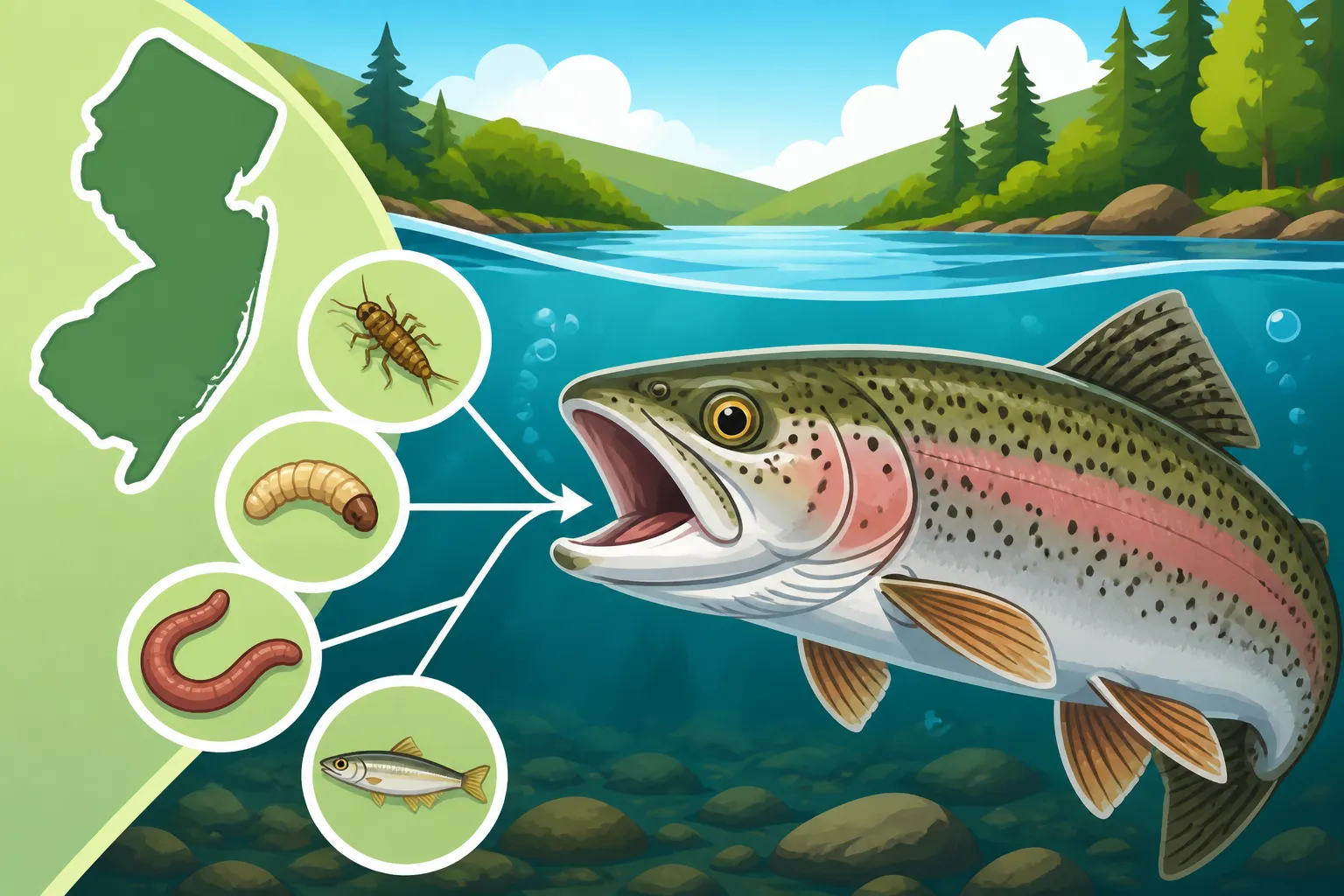
This isn't to say they won't eventually adapt. Over time, if they survive, stocked trout will begin to supplement their diet with natural foods available in their new environment. They might start keying in on aquatic insects, small baitfish, or even crayfish. However, for those first few days or weeks post-stocking, your best bet is to appeal to their ingrained habits. This is why you'll often see seasoned anglers having incredible success with baits that mimic hatchery pellets or are simply so irresistible they can't be ignored. Understanding this fundamental difference is the first step to filling your creel.
Tried-and-True Baits for Stocked Trout
When it comes to tempting a recently stocked trout, sometimes the simplest, most familiar offerings are the most effective. These are the baits that capitalize on their hatchery upbringing or are just too enticing to pass up, even for a disoriented fish. Forget the fancy stuff for a moment; let's talk about the bedrock of stocked trout fishing.
PowerBait and Scented Dough Baits
If there's one bait synonymous with catching stocked trout, it's PowerBait or other similar scented dough baits. These concoctions are designed specifically for hatchery-raised fish, often infused with scents, flavors, and even colors that mimic their pelletized diet. The effectiveness is undeniable, especially in the days immediately following a stocking event. You can find a huge variety of these on Amazon or at any local bait shop.
The beauty of PowerBait is its versatility and buoyancy. Many varieties float, which is a massive advantage when fishing still waters like ponds and lakes. By using a light leader and a small hook, you can suspend your bait just off the bottom, right in the trout's strike zone. Experiment with different colors and shapes – bright chartreuse, rainbow, or even a simple white are often popular. Sometimes, a tiny kernel of brightly colored dough is all it takes to trigger a bite. Anglers often fish these baits on a Carolina rig or a simple slip sinker rig, allowing the trout to pick up the bait without feeling immediate resistance. Remember that when New Jersey Spring Trout Stocking Start Date rolls around, these are often the first baits to fly off the shelves.
Worms and Live Bait
Even though stocked trout grow up on pellets, there's something universally appealing about a juicy worm. Earthworms, mealworms, or waxworms are classic trout baits for a reason: they're natural, they move, and they smell like a meal. When trout are feeling a bit more adventurous and have started to forage a little, a wiggling worm can be absolutely deadly.
Fishing worms for stocked trout is straightforward. A small hook (size 8 or 10 is usually good), a split shot or two to get it down, and perhaps a bobber if you're fishing still water, is often all you need. Cast it near cover, along drop-offs, or into deeper pools where trout might be holding. The natural movement and scent of a live worm can often trigger an aggressive strike, especially from trout that have been in the water for a few days and are starting to acclimate to their new surroundings. Many anglers swear by a threaded worm, where the hook is completely hidden within the worm's body, for a more natural presentation. Consider bringing some along for the New Jersey Free Fishing Day Dates for 2026 if you're introducing a new angler to the sport.
Corn and Other "Unnatural" Baits
This one might sound strange to those accustomed to fly fishing or lure tossing, but plain old canned corn can be a surprisingly effective bait for stocked trout. Yes, the same sweet corn you'd put on your dinner plate! The theory behind its effectiveness ties back to the hatchery diet—pellets are often yellowish or tan, and the subtle sweetness and soft texture of corn can be appealing.
Fishing with corn is often done with a single kernel or a small cluster on a tiny hook. Again, buoyancy can be a factor, so a light rig is key. It's often used in conjunction with other baits or as a standalone offering in slower moving water or ponds. While not every angler embraces it, those who do often find it to be a secret weapon when other, more traditional baits fail. For more traditional approaches, reading up on New Jersey Trout Fishing Techniques can provide a broader perspective.
Lures and Artificial Presentations
While bait fishing is often king for stocked trout, don't discount the effectiveness of artificial lures and flies. These require a bit more active fishing on your part, but they can be incredibly rewarding, especially once the initial "stocking shock" wears off and trout start to become a little more predatory.
Spinners and Spoons
Small inline spinners and tiny casting spoons are perennial favorites for stocked trout, and for good reason. Their flashing blades and wobbling actions mimic small baitfish or even fleeing aquatic insects, triggering a predatory instinct in the trout. Brands like Panther Martin, Mepps, and Acme Kastmaster make a wide array of options that are readily available on Amazon or at your local tackle shop.
When fishing spinners, focus on casting upstream and retrieving just fast enough to get the blade spinning, allowing it to tumble naturally downstream. For spoons, a slow, steady retrieve with occasional twitches can be deadly. Vary your retrieve speed and depth until you find what the trout are responding to. Remember, a smaller lure often performs better for stocked trout, usually in the 1/16 oz to 1/8 oz range. Colors like silver, gold, brass, and even fluorescent orange or chartreuse can be highly effective. These are excellent choices when exploring What New Jersey Fishing License Do You Need for Round Valley Reservoir?.
Small Jigs and Soft Plastics
Micro jigs, often tipped with a tiny piece of worm or scented soft plastic, can be incredibly effective, especially when fished in slower water or deeper pools. The subtle action and small profile can be irresistible to trout that are perhaps a bit shy of larger, more aggressive presentations.
Pair these tiny jigs (1/32 oz to 1/8 oz) with lightweight line and a sensitive rod. You can fish them under a bobber, slowly twitching them, or cast and retrieve them with a jigging motion. Soft plastic imitations of nymphs, small minnows, or even a simple Gulp! minnow can add scent and realism. The key is presenting them in a natural, unassuming way. This approach is excellent for those looking into How to Catch Trout in Warm Summer Water when fish might be more lethargic.
Flies and Fly Fishing
For the fly angler, stocked trout offer a fantastic opportunity to hone skills. While a true "match the hatch" scenario might be less critical for recently stocked fish than for wild trout, certain patterns consistently produce. Woolly Buggers, San Juan Worms, Squirmy Wormies, and various small nymph patterns (like Prince Nymphs or Pheasant Tails) are all excellent choices.
These flies often mimic either the pellet food (San Juan Worm) or common aquatic insects and small prey that even hatchery trout might recognize. Fish them on a dead drift under an indicator, or strip Woolly Buggers to imitate baitfish. While you won't need a New Jersey Trout Stamp Requirement for Stocked Lakes if you're not keeping trout or fishing specific areas, it's a good idea to always check current regulations. For more detail, you can consult New Jersey Trout Stamp Requirements Explained.
Factors Influencing Stocked Trout Feeding Behavior
Catching stocked trout isn't just about what you put on the hook; it's also about when and how you present it. Several factors influence how actively these fish feed and what they're most likely to strike. Understanding these variables can significantly increase your success rate.
Recent Stocking and Acclimation
The period immediately following a stocking event is often dubbed the "stocking shock" phase. Trout are disoriented, stressed, and often clumped together. During this time, they might be less inclined to chase lures and more receptive to easily accessible baits that remind them of their hatchery meals. This is when PowerBait, worms, or even corn truly shine.
As days turn into a week or two, the trout begin to acclimate. They disperse, seek out cover, and start to forage more naturally. This is when lures like spinners and jigs become increasingly effective, alongside natural baits. If you're fishing several days after the New Jersey Spring Trout Stocking Start Date, you might find them more receptive to a varied presentation. Their instincts slowly kick back in, and they'll start exploring their new environment for food. This period is also when you might observe them more spread out rather than concentrated in the exact spot they were released.
Water Temperature and Oxygen Levels
Like all cold-blooded creatures, trout are highly sensitive to water temperature. Optimal feeding temperatures for trout typically range between 50-65°F (10-18°C). When the water is too cold, their metabolism slows down, and they become lethargic, feeding less aggressively. Conversely, when the water gets too warm, especially above 70°F (21°C), trout become stressed, seek deeper, cooler water, and may cease feeding entirely. This is why Trout Survival Through Summer in New Jersey Lakes can be a challenge.
Always check the water temperature if possible. In colder water, a slower retrieve for lures and a subtle presentation for bait will be more effective. In warmer, but still acceptable, temperatures, trout can be more active and willing to chase a faster-moving lure. Oxygen levels also play a role; well-oxygenated water is crucial for active trout, which is why they often congregate near aerated areas like riffles, dam outflows, or stream inlets.
Time of Day and Weather Conditions
Just like us, trout have peak activity periods. Early morning and late evening, when the sun is lower and light levels are softer, are often prime feeding times. The cooler temperatures and reduced visibility can make trout feel more secure and willing to venture out for a meal. Midday, especially on bright, sunny days, can be slower, as trout often retreat to deeper, cooler water or seek shade under banks and overhangs.
Overcast days can extend these peak feeding windows, as the reduced light mimics dawn and dusk conditions. Light rain can also be a blessing, as it washes insects and other food into the water, and the surface disturbance can obscure your presence from the fish. However, heavy rain can muddy the water, making it harder for trout to see your presentation and potentially impacting their willingness to feed. Adapting your approach to these conditions can make all the difference between a slow day and a successful outing. New Jersey Trout Season Preseason Closure Explained highlights the importance of seasonal timing, but daily conditions are just as critical.
Bait & Lure Considerations for Stocked Trout
To give you a quick overview, here's a table comparing common baits and lures, their pros, and ideal conditions for stocked trout in New Jersey.
| Bait/Lure Type | Pros | Cons | Ideal Conditions |
|---|---|---|---|
| PowerBait / Dough | High scent, bright colors, buoyant, familiar | Can be messy, less natural movement | Immediately post-stocking, still water, bright days |
| Worms (Live) | Natural scent & movement, universally appealing | Can be delicate, easily stolen by small fish | Acclimated trout, all water types, cloudy days |
| Corn | Inexpensive, soft texture, yellow color | Less scent, not natural, can attract non-target species | Acclimated trout, still water, subtle approach |
| Inline Spinners | Flash & vibration, active presentation, covers water | Can be too aggressive for timid trout, requires retrieve | Acclimated trout, moving water, active feeding |
| Small Spoons | Good casting distance, mimics baitfish, wobbling action | Can be too heavy for shallow water, less versatile | Acclimated trout, deeper water, active feeding |
| Micro Jigs / Soft Plastics | Subtle presentation, versatile, can be scented | Requires light tackle, slower retrieve, finesse | Finicky trout, slower water, deep pools |
| Flies (Nymphs, Wooolly Buggers) | Natural presentation, specific insect imitation | Requires fly rod skill, specialized gear | Acclimated trout, all water types, varying activity |
The Art of Presentation
Even with the right bait or lure, presentation is everything when it comes to stocked trout. These fish, especially when they're fresh out of the hatchery, can be surprisingly wary, even if they're hungry. A sloppy cast or a presentation that looks unnatural will often send them spooking.
Think about subtlety and stealth. Use the lightest line you can get away with – often 4-6 pound test monofilament or fluorocarbon leader is ideal. This reduces visibility in the water and allows for more natural bait movement. If you're fishing still water, approach the bank quietly, avoiding heavy footsteps or casting a shadow over the water. For stream fishing, try to cast upstream and let your bait or lure drift naturally with the current, mimicking the movement of natural food. Avoid directly targeting concentrations of fish with heavy splashes; instead, cast slightly above or to the side and let your presentation drift into the strike zone.
When using bait, make sure your hook is small and as hidden as possible. For PowerBait, a tiny treble hook or a small octopus hook can be effective. For worms, threading the worm onto the hook so only the very tip is exposed can increase your hook-up ratio. The goal is to make your offering look as inviting and harmless as possible. Patience is also key; sometimes, a trout will just sit and stare at a bait for a while before deciding to commit. Don't rush the retrieve or the bite. Learning How to Set Up Tip-Ups for Ice Fishing also demonstrates the importance of a natural presentation, albeit in a different environment.
Ultimately, cracking the code of what stocked trout eat often comes down to a blend of understanding their hatchery origins, offering familiar and irresistible baits, and presenting them with care and subtlety. Don't be afraid to experiment, and most importantly, enjoy the beautiful waters New Jersey has to offer!
Disclaimer
This article is for general informational purposes only and does not constitute professional advice. Laws, prices and regulations vary by location and change over time. Consult a qualified professional for guidance on your specific situation.