Why Are Herring Runs Protected in New Jersey?
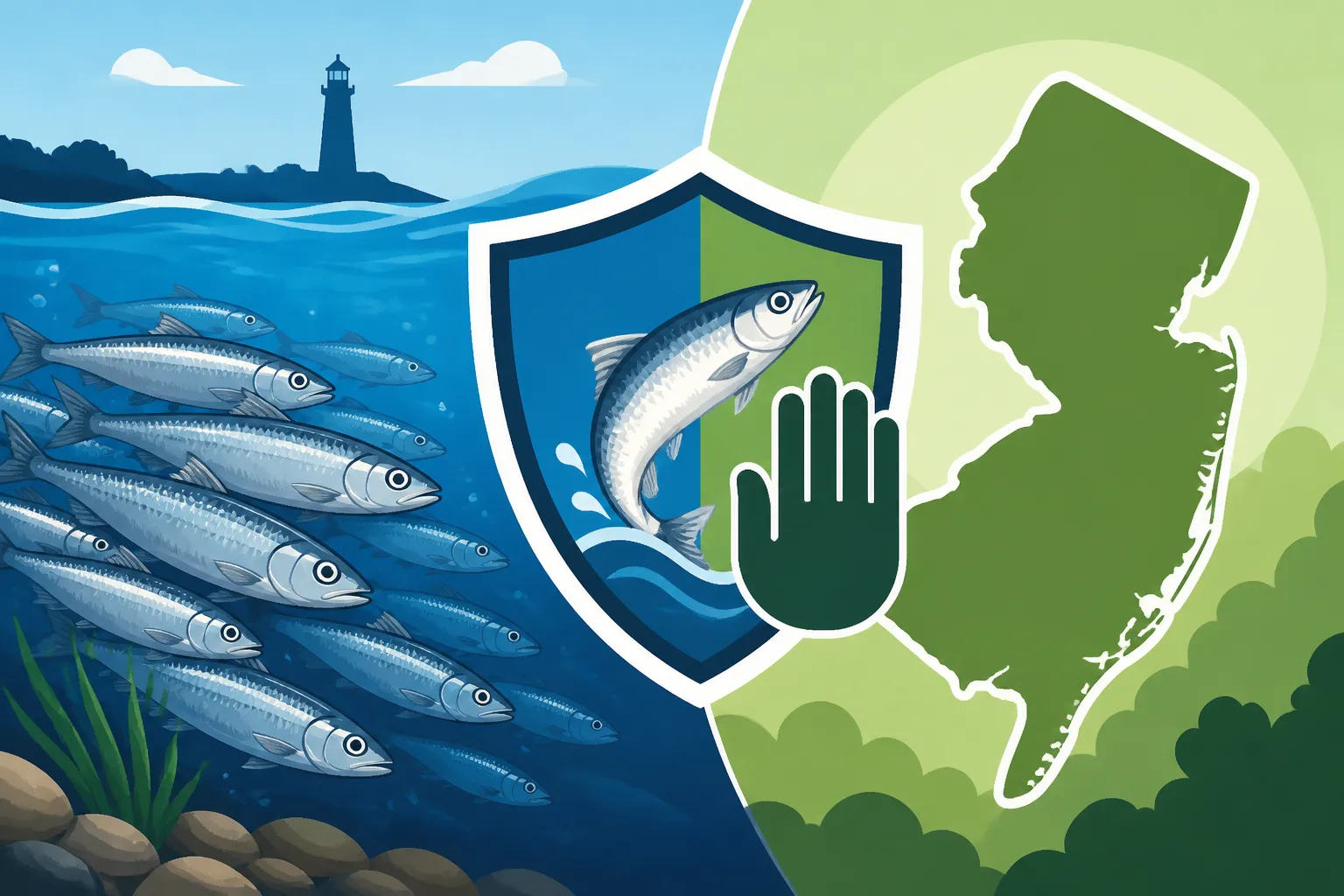
It’s a scenario many New Jersey anglers have encountered: you're out on a beautiful spring day, excited for the season, only to find certain rivers or creeks closed off to fishing, or specific bait restrictions in place. This often comes down to protecting herring runs, which can feel like an inconvenience if you don't understand the larger picture. This guide will dive deep into why these small, unassuming fish are so critical to our ecosystem and why New Jersey goes to great lengths to protect their annual migrations.
The Indispensable Role of Herring in New Jersey's Ecosystem
For many, herring might just seem like another small fish, perhaps a type of baitfish. But here in New Jersey, and along the entire Atlantic coast, they are truly the unsung heroes of our marine and freshwater environments. Their annual migrations, known as "runs," are ancient spectacles of nature that have shaped the very fabric of our aquatic food webs for millennia. These aren't just fish; they are the lynchpin holding countless other species together, making their protection paramount for the health of our waters.
Keystone Species: The Ocean's Lifeline
Think of river herring as a living, swimming energy bar for nearly every major predatory fish, bird, and marine mammal in our region. These include species we all love to target, like striped bass, fluke, bluefish, and even highly sought-after tuna offshore. When herring move from the ocean into our freshwater rivers and streams to spawn, they bring a massive influx of nutrient-rich biomass that literally fuels entire ecosystems. Without this critical link, many of our favorite game fish would struggle to find enough food, impacting their populations dramatically. It's a classic case of the little guy doing the heavy lifting for everyone else, which is why when you hear about New Jersey Herring Runs, it's a big deal.
Beyond the ocean's top predators, eagles, ospreys, gulls, and even some terrestrial mammals like foxes and bears rely on herring as a vital food source during their runs. Imagine an osprey pair nesting near the Mullica River; their ability to successfully raise chicks is directly tied to the abundance of herring swimming upstream each spring. This interconnectedness highlights why these fish are considered a "keystone species"—remove them, and the entire structure of the ecosystem begins to crumble. It’s a delicate balance that relies on these prolific little fish.
A Foundation for the Food Chain
The sheer volume of herring during their spawning runs is staggering, creating an all-you-can-eat buffet for predators. This abundance isn't just about survival; it's about robust health and successful reproduction for many other species. Young herring also serve as forage for smaller fish in estuaries and nearshore waters, ensuring that the food web is supported from the bottom up throughout different life stages. From tiny crabs to massive whales, everyone benefits from healthy herring populations.
Consider the energetic demands of a migrating striped bass. These fish travel hundreds, sometimes thousands, of miles to spawn and feed. They need a consistent, reliable, and abundant food source, and herring provide exactly that. Their oily flesh is packed with nutrients, making them an ideal meal for hungry predators. If you’re ever trying to understand the full picture of the Jersey Shore's incredible biodiversity, you have to start with the foundational species like herring. Protecting them isn't just about saving one type of fish; it's about ensuring the vitality of the entire marine food chain that so many of us enjoy, whether we're fishing, boating, or simply enjoying the shore.
Historical and Cultural Significance
Herring runs aren't just an ecological phenomenon; they're a historical and cultural touchstone for New Jersey. For centuries, Native American tribes and early European settlers depended on these fish as a primary food source, harvesting them in massive quantities as they surged upstream. The arrival of the herring signaled spring's bounty and sustained communities through lean times. Their presence literally shaped the early development of many towns along our coastal rivers.
While commercial herring fisheries have significantly declined due to conservation efforts, the memory and historical importance of these runs endure. Many older anglers can recall a time when the rivers were absolutely black with herring, a sight that is increasingly rare today. This rich history reminds us that protecting these runs isn't just about current ecological health, but also about preserving a crucial piece of New Jersey's natural heritage and ensuring that future generations can witness and appreciate the wonder of a healthy What Is a Herring Run in New Jersey Rivers?.
The Threats That Imperil Herring Runs
While herring are incredibly resilient, they face a formidable array of challenges that have severely impacted their populations over the decades. It's not just one thing, but a combination of historical practices and ongoing environmental pressures that make their annual migrations a perilous journey. Understanding these threats is crucial to appreciating the need for the protective measures New Jersey has put in place.
Historical Overfishing and Bycatch
In the past, river herring were heavily targeted by commercial fisheries, both for direct consumption and as bait. The methods used, such as large fixed nets in rivers during spawning season, could effectively block entire runs, preventing fish from reaching their spawning grounds. This unchecked harvesting, before modern conservation science was fully understood, led to significant declines in populations along the entire Atlantic coast. While direct commercial fishing for river herring in New Jersey is largely prohibited now, the legacy of overfishing continues to impact their recovery.
Even today, herring face threats from bycatch—unintentionally caught fish—in other fisheries, particularly the large-scale industrial trawl fisheries targeting species like Atlantic mackerel and sea herring in federal waters. While these are different species than the river herring that run our rivers, their populations are also interconnected. It's a complex issue, as these fishing operations often happen far offshore, making monitoring and mitigation challenging. New Jersey and other states advocate for stricter federal regulations to minimize this bycatch and allow these vital populations a chance to rebound.
Habitat Loss and Degradation
Herring need clear, flowing, and accessible freshwater streams and rivers to spawn. Unfortunately, many of New Jersey's historical spawning grounds have been altered or destroyed by human development. Dams, culverts, and other barriers block their access to upstream areas, cutting off crucial spawning habitat. Pollution from agricultural runoff, industrial discharge, and urban development further degrades water quality, making it unsuitable for sensitive spawning and juvenile development. Sedimentation can smother eggs, and chemical pollutants can directly harm adult fish and their offspring.
The urbanization of our coastal plains has been particularly hard on herring. Many of the small, pristine streams they once used are now impacted by stormwater runoff, development, and altered hydrology. Efforts to remediate these issues, like removing obsolete dams or improving water treatment, are ongoing, but it's a slow and expensive process. Preserving what pristine habitat remains and actively restoring degraded areas is a cornerstone of herring conservation.
Environmental Factors and Climate Change
Beyond direct human impact, herring populations are also vulnerable to broader environmental shifts. Changes in ocean temperatures, driven by climate change, can affect their migration timing, food availability in the ocean, and overall survival rates. Alterations in ocean currents and salinity can also disrupt their complex life cycles. These factors, combined with local habitat issues, create a perfect storm of challenges for these fish.
The health of our oceans directly impacts the number of herring that even make it to our rivers to spawn. A colder-than-average winter or a shift in the distribution of their oceanic prey can mean fewer fish returning to our estuaries. This means that protecting herring isn't just about what happens in our rivers; it's about broader environmental stewardship. You can find many educational books on these topics, often available through retailers like Amazon, which help shed light on the intricate science behind marine conservation.
How New Jersey Protects Herring Runs
Recognizing the critical importance of river herring, New Jersey has implemented a robust set of protective measures designed to allow these populations to recover and thrive. These aren't always popular with every angler, but they are absolutely essential for the long-term health of our fisheries and ecosystems.
State Regulations and Laws
One of the most direct ways New Jersey protects herring is through strict regulations during their spawning runs. For example, many rivers and streams are entirely closed to fishing during peak migration periods. This isn't to punish anglers, but to prevent any disturbance or accidental capture of herring, ensuring they can complete their journey to spawning grounds unimpeded. Additionally, there are often prohibitions on the use or possession of river herring as bait in certain freshwater areas, even if purchased from a bait shop. These rules are detailed in the annual Reading the New Jersey Fish and Wildlife Digest and are subject to New Jersey Fishing Regulation Changes for 2026 as scientific understanding evolves.
| Regulation Type | Purpose | Impact on Anglers |
|---|---|---|
| Seasonal Closures | Protect herring during critical spawning migrations. | Fishing prohibited in specific waters during designated periods (e.g., March 15 – May 30). |
| Bait Restrictions | Prevent direct take or use of herring as bait. | Anglers must use alternative bait or lures; cannot possess herring, even if store-bought, in restricted waters. |
| Gear Restrictions | Minimize incidental catch. | Certain netting or trapping methods may be prohibited in herring-run areas. |
| No Possession | Ensure maximum reproductive success. | Any herring caught must be immediately released unharmed, often in specific areas or seasons. |
These regulations are enforced by the New Jersey Conservation Police, and violations can result in significant penalties, underscoring the seriousness of these protections. It's vital for every angler to know and follow these rules, especially if you're fishing near areas known for herring runs. You can usually find the most up-to-date information through the state's official wildlife agencies.
Habitat Restoration Projects
Beyond regulating fishing, New Jersey is actively investing in habitat restoration to improve conditions for herring. A major focus is on dam removal and the installation of fish ladders or bypasses. Obsolete dams, many built over a century ago for mills or water supply, often become barriers to fish migration. By removing them, or by creating channels that allow fish to swim around them, vast stretches of historical spawning habitat can be reopened. This effort is complex, involving engineering, environmental studies, and community engagement, but the payoff for migratory fish populations is immense.
Beyond dam removal, other habitat projects include improving riparian buffers (vegetation along stream banks) to reduce erosion and runoff, restoring natural stream morphology, and cleaning up polluted waterways. These efforts create healthier environments not just for herring, but for all aquatic life, enhancing the overall biodiversity of our rivers and streams. When state agencies work with local environmental groups on projects like these, it truly makes a difference in places that anglers frequent, like some of New Jersey's Best Hidden Fishing Ponds Locals Don't Talk About which might feed into larger river systems.
Monitoring and Research
New Jersey’s Division of Fish and Wildlife, along with academic partners, conducts extensive monitoring and research on herring populations. This involves counting migrating fish, assessing their age and health, and tracking their movements. Data from these efforts are crucial for understanding population trends, identifying critical habitats, and evaluating the effectiveness of conservation measures. This scientific data is what informs decisions about New Jersey Fishing Season Dates and Closures and adjustments to bag limits or closures, like How Bag and Size Limits Work in New Jersey.
Anglers often play a role in this too! If you participate in voluntary programs or answer surveys like the New Jersey Recreational Fishing Survey: Why You Might Get a Call, your input helps provide valuable data that contributes to a more comprehensive understanding of fish populations and angler behavior. This collaborative approach between scientists, regulators, and the angling community is vital for adaptive management and ensuring that conservation efforts are based on the best available science. Specialized equipment for scientific monitoring, from underwater cameras to sonar, often becomes more accessible through broad purchasing platforms like Amazon, demonstrating how modern tools can aid conservation.
What Protected Herring Runs Mean for Anglers
For the passionate New Jersey angler, the protection of herring runs isn't just an abstract ecological concept; it directly impacts how, when, and where you can fish. While some of these restrictions might initially feel like a hindrance, they are ultimately designed to ensure there are plenty of fish to catch for generations to come.
Understanding Catch and Release Directives
During herring runs, especially in rivers and streams known for spawning, the primary directive is often strict catch and release. This means if you accidentally catch a herring, you must release it immediately and unharmed. These rules are in place to ensure that every individual herring has the best chance to successfully spawn, contributing to the next generation. It's a testament to the fact that every single fish counts when a population is trying to recover.
It also means being mindful of your fishing techniques and gear. If you're fishing in an area where herring are running and you're inadvertently hooking them, you might need to adjust your lure choice, retrieve speed, or even consider moving to a different spot. While not directly related to herring, the broader concept of responsible angling, including rules like New Jersey Circle Hook Requirements for Bait Fishing, often extends to minimizing harm to all species, especially protected ones. The goal is to minimize stress on the fish and ensure they can continue their journey.
Navigating Baitfish Regulations
Perhaps the most significant impact on anglers is the restriction on using herring as bait. Many of us grew up thinking of herring as prime bait for striped bass, bluefish, or even catfish. However, to protect dwindling populations, New Jersey often prohibits the possession or use of river herring as bait in certain freshwater systems, even if you bought them frozen from a tackle shop. This requires anglers to be extra vigilant and informed about current regulations, as the rules can vary by specific waterbody and time of year.
This means exploring alternative baits and lures. Anglers have become incredibly creative, using everything from bunker (menhaden), spearing, and squid in saltwater, to shiners, worms, and various artificial lures in freshwater. Having a good variety of alternative baits and tackle, easily acquired from local shops or online platforms like Amazon, becomes a part of being a responsible and adaptable angler in New Jersey. Always check the current New Jersey Freshwater Fishing Regulations Every Angler Should Know and the specific rules for the body of water you intend to fish.
Supporting Long-Term Conservation Efforts
Ultimately, understanding why herring runs are protected helps every angler become a better steward of New Jersey's natural resources. By respecting closures, adhering to bait regulations, and practicing careful catch and release, you're directly contributing to the recovery of these vital fish. A healthy herring population means a healthy food web, which in turn means more robust and exciting fisheries for species like striped bass and fluke—the fish we all love to pursue.
Think of it as an investment in the future of New Jersey fishing. The temporary inconvenience of a closed stream or a bait restriction pales in comparison to the long-term benefits of thriving fish populations. These efforts ensure that the thrill of a strong tug on your line, the beauty of an osprey diving for its prey, and the overall richness of New Jersey’s aquatic environments will continue for generations to come. Your adherence to regulations, participation in surveys, and general awareness are powerful tools in this ongoing conservation story.
Disclaimer
This article is for general informational purposes only and does not constitute professional advice. Laws, prices and regulations vary by location and change over time. Consult a qualified professional for guidance on your specific situation.