Winter Flounder Average Size in New Jersey Waters
It can be genuinely frustrating when you head out fishing, brimming with anticipation, only to wonder what kind of size fish you're actually likely to reel in. When it comes to winter flounder in New Jersey, many anglers are curious about the typical size they can expect to catch. This guide aims to shed light on the average size of winter flounder in our local waters, what influences their growth, and how to best approach fishing for them, whether you're seeking a modest meal or that elusive trophy.
The World of Winter Flounder in New Jersey: Where They Live and How They Grow
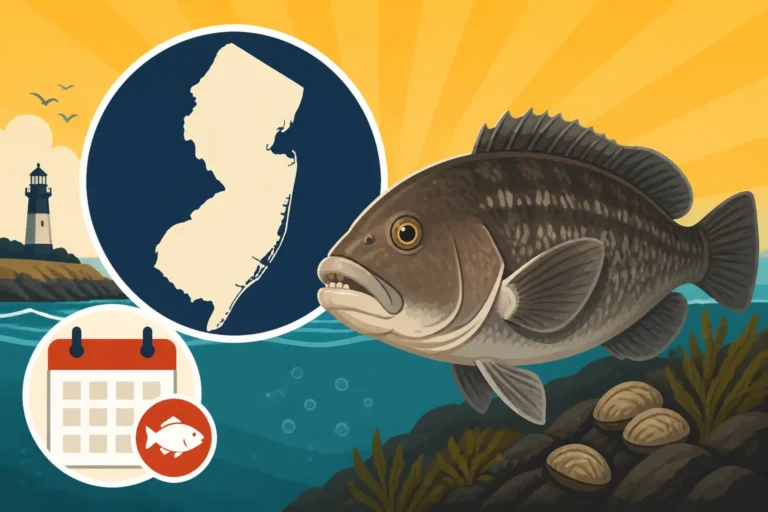
Winter flounder, often affectionately called "flatties" by local anglers, are a beloved species in New Jersey's coastal waters. They're a sign that spring is coming, and they offer some of the first exciting fishing opportunities of the year. But to truly understand their size, we first need to get a feel for their world – where they thrive and what makes them tick.
Life Beneath the Waves: Winter Flounder Habitats and Diet
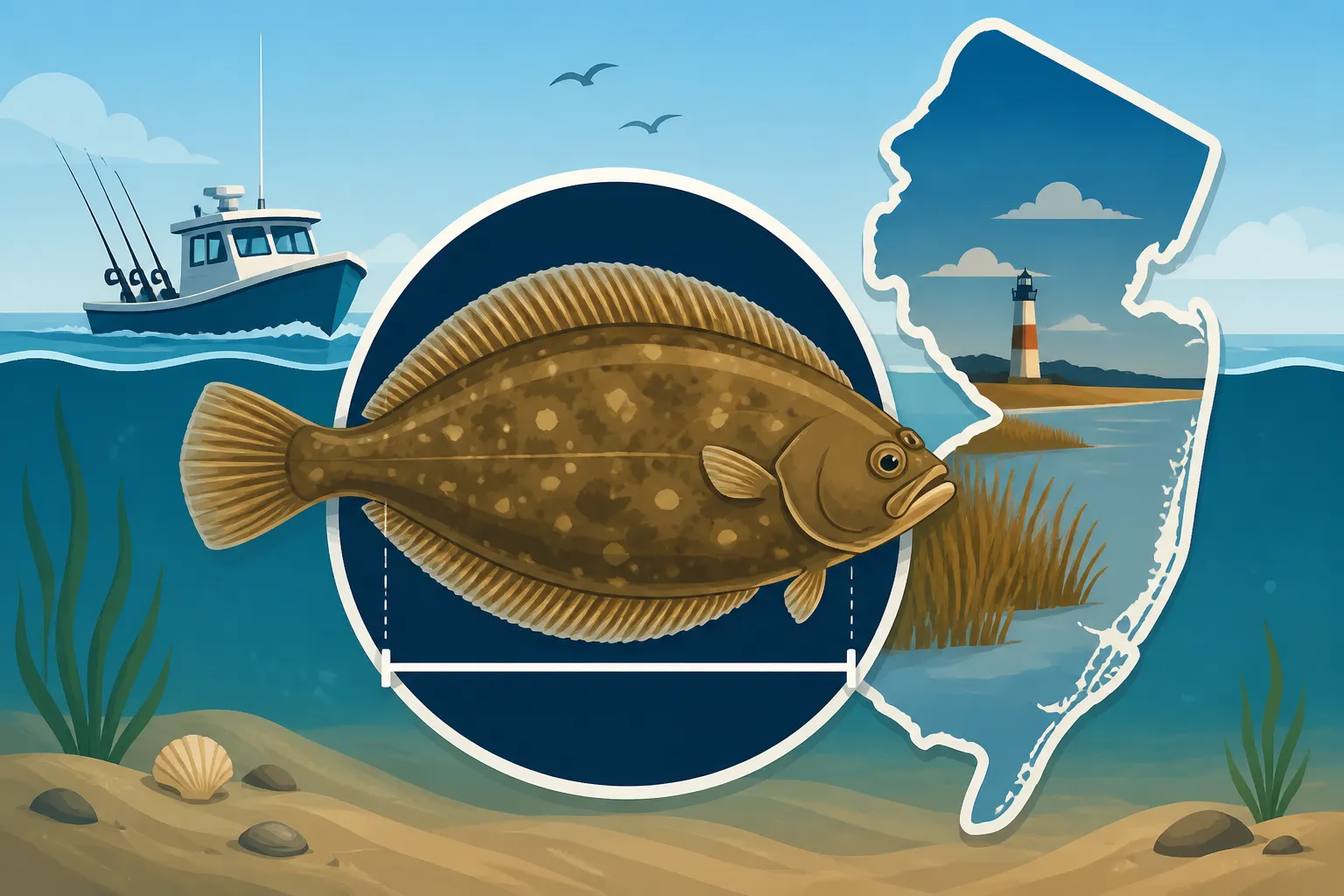
These fascinating flatfish are perfectly adapted to their sandy and muddy bottom habitats. In New Jersey, you'll typically find winter flounder in bays, estuaries, and shallower coastal areas, especially as the water begins to warm in late winter and early spring. Places like Barnegat Bay, the Navesink River, and Great Bay are prime real estate for them. They'll hug the bottom, often partially burying themselves in the sand or mud, waiting for an unsuspecting meal to swim by. Their camouflage is incredible, allowing them to blend seamlessly with their surroundings. New Jersey Winter Flounder Guide delves deeper into their characteristics and fishing strategies.
Their diet is largely comprised of small invertebrates. Think of tiny marine worms, shrimp, crabs, and small clams – anything they can ambush or uncover from the soft bottom. This readily available food source in our rich estuaries plays a crucial role in their growth, providing the necessary nutrients. The health of these ecosystems directly correlates with the health and size of the flounder population. A strong, diverse food web means more robust flounder. However, a decline in these food sources can mean smaller, slower-growing fish over time.
What Makes Them Grow? Factors Affecting Flounder Size
Like any fish, the size a winter flounder reaches is a complex equation influenced by several environmental factors. Water temperature is a big one; these are "winter" flounder for a reason, meaning they prefer cooler temperatures. Extended periods of unusually warm water can stress them, affecting their feeding and growth rates. Additionally, the availability of prey, as we touched on, is paramount. If there's plenty of food, they'll grow faster and larger.
Another significant factor is population density. If an area has too many flounder for the available food and space, growth can be stunted for all. Think of it like a garden – if you plant too many seeds in one small patch, none of the plants will reach their full potential. Fishing pressure also plays a role. If smaller fish are being targeted heavily and removed before they have a chance to grow and spawn, the overall average size of the population can shift downwards. These dynamics are carefully monitored by agencies when setting How Bag and Size Limits Work in New Jersey.
What to Expect: Average and Keeper Winter Flounder Sizes
So, when you drop your line into a New Jersey bay, what's a realistic expectation for the size of winter flounder you might pull up? It’s important to manage expectations, as while trophy fish are out there, they aren't what you'll typically encounter.
The Reality of Catching Winter Flounder: Common Sizes You'll Encounter
Most of the winter flounder you'll encounter in New Jersey waters are often what we affectionately call "shorts" – fish that haven't quite reached the legal minimum size limit. You'll frequently catch flounder ranging from around 8 to 12 inches. These smaller fish are often full of fight and offer great practice, but they need to be released carefully. It's a testament to the species' resilience that so many juveniles are present, indicating good spawning success, even if it means you're releasing a lot of fish.
It's not uncommon to spend a few hours on the water, catching and releasing several undersized flounder for every legal "keeper" you manage to find. This is just part of the winter flounder fishing experience in New Jersey. They might not be massive, but their distinct fight and delicate bite make them a joy to pursue. The sheer volume of smaller fish can still make for a very exciting day on the water, keeping your rod bent and your spirits high.
The Thrill of a Trophy: What Defines a "Big" Winter Flounder in New Jersey
While many of the flounder you catch will be on the smaller side, every now and then, you'll hook into a true "doormat." A trophy winter flounder in New Jersey is generally considered to be anything over, say, 18 or 20 inches, and anything pushing 3 to 4 pounds or more is definitely brag-worthy. These larger fish are typically older, having survived many seasons and grown fat on the bounty of our bays. They are much less common, making the capture of one a significant achievement.
Imagine the thrill: you feel that tell-tale tap-tap-tap, set the hook, and suddenly your light tackle is straining as a broad, heavy fish battles its way up from the bottom. These bigger flounder fight hard, using their flat bodies to create incredible drag in the water. Landing one of these giants is often the highlight of a winter flounder season, a memory that will last long after the delicious fillets are gone. For more on what determines a trophy, check out New Jersey Largemouth Bass State Record for an example of state records for another species.
Understanding the Rules: How Regulations Impact Perceived Size
Fishing regulations, particularly minimum size limits and bag limits, profoundly influence what anglers keep and, therefore, what they consider an "average" keeper. New Jersey has specific regulations for winter flounder, which means you can only keep fish that meet or exceed a certain length. This policy is in place to allow younger fish to grow, mature, and reproduce before they are harvested, helping to sustain the population.
When you're out fishing, you might be catching many flounder, but only a fraction will be legal to take home. This means that while the average size of all flounder in the water might be relatively small, the "average keeper" size in your cooler will always be at or above the legal minimum. It's why anglers get so excited about finding a "keeper" – it means they've successfully found a fish that has grown beyond the juvenile stage and contributed to the future of the fishery. Always check the New Jersey Fishing Season Dates and Closures and the Reading the New Jersey Fish and Wildlife Digest before heading out.
Strategies for Success: Targeting and Conserving New Jersey's Winter Flounder
Catching winter flounder, regardless of their size, is a rewarding experience. It requires a bit of finesse and understanding of their habits. And just as important as catching them, is ensuring we help conserve this valuable resource for future generations.
Gear Up: Tackle and Techniques for Finding Flounder
Winter flounder are not typically aggressive biters like a striped bass. They have small mouths and often just "mouth" the bait. This means your tackle needs to be sensitive. A light to medium-light action spinning rod paired with a small reel spooled with 6 to 10-pound test line is ideal. You want to feel every subtle twitch and tap. For bait, bloodworms and sandworms are absolute killers for winter flounder. Clams, especially the tough neck meat, can also be effective.
A classic high-low rig with small, sharp hooks (size #6 or #4) works wonders. You want the bait to be right on the bottom, where the flounder are lying in wait. Many anglers swear by a small piece of brightly colored plastic or a chartreuse bead above the hook to attract attention. You can find excellent quality hooks, leader material, and even pre-tied rigs on Amazon, making it easy to stock up before your next trip. Drifting slowly over muddy or sandy bottoms in bays and estuaries is often the most productive technique. Check out How to Fish for Winter Flounder in New Jersey for more detailed methods.
Catch and Release Safely: Protecting Our Smaller Flounder
Given that a significant portion of your catch will likely be undersized, practicing proper catch and release techniques is absolutely critical. Handle the fish gently with wet hands, or better yet, use a de-hooking tool to remove the hook while the fish is still in the water or just barely out. Avoid squeezing them, especially around the belly. If the fish has swallowed the hook deeply, cut the line as close to the hook as possible rather than trying to rip it out.
The goal is to get the fish back into the water quickly and with as little stress as possible, allowing it the best chance of survival and future growth. This practice isn't just about following regulations; it's about being a responsible angler and contributing to the sustainability of the fishery. Understanding Why Have Winter Flounder Numbers Dropped in New Jersey? can highlight the importance of careful release.
From Water to Plate: Enjoying Your Legal Catch
When you do manage to find those legal keepers, winter flounder are absolutely delicious. Their meat is white, flaky, and has a delicate flavor that makes them a favorite among seafood lovers. They're excellent pan-fried, baked, or broiled. Just a little lemon, butter, and some seasoning are all you need to make a fantastic meal.
Here's a quick comparison of the sizes you might encounter:
| Category | Typical Length Range (Inches) | Description | Fishing Approach |
|---|---|---|---|
| Juvenile/Short | 6 – 12 | Most common catch; must be released. | Careful handling for release. |
| Legal Keeper | 12 – 17 | What anglers aim for; good eating size. | Focus on proper bait and presentation. |
| Large/Trophy | 18+ | Less common; a significant catch for any angler. | Persistence and good technique. |
Remember, even a modest-sized keeper provides a wonderful meal. There’s a special satisfaction in eating something you’ve caught yourself, knowing you put in the effort. Before you clean your catch, familiarize yourself with New Jersey Fluke Size and Bag Limits Explained and other current regulations to ensure everything is legal. You can also pick up a good fillet knife on Amazon to make cleaning your catch easier!
Winter flounder fishing in New Jersey is a game of patience, finesse, and conservation. You’ll catch plenty of smaller fish, but the joy is in the pursuit and the occasional reward of a hard-earned keeper. So grab your light tackle, some fresh bait, and head out to those New Jersey bays. You never know when that next bite might be the "doormat" you've been dreaming of!
Disclaimer
This article is for general informational purposes only and does not constitute professional advice. Laws, prices and regulations vary by location and change over time. Consult a qualified professional for guidance on your specific situation.