What Fish Are Safe to Eat From New Jersey Rivers?
It’s a truly rewarding feeling to pull a beautiful fish from a New Jersey river, whether it's a feisty smallmouth bass or a panfish flashing in the sun. But a common thought that quickly follows that initial excitement is often, "Is this fish safe to eat?" It's a completely valid concern, given the history of some of our waterways, and it can feel overwhelming trying to figure out which fish from which river are okay to bring home for dinner. This guide is here to cut through the confusion and help you understand how to make informed choices about consuming your catch from New Jersey’s freshwater rivers.
Understanding Fish Consumption Advisories in New Jersey Rivers
Navigating the world of fish consumption advisories can sometimes feel like trying to decipher an ancient code. You're out on the water, you've landed a nice fish, and then the nagging doubt creeps in: Should I keep this? Is it okay? These advisories exist for a very important reason, and understanding where they come from is the first step toward fishing with confidence.
Who Sets These Guidelines and Why?
Fish consumption advisories in New Jersey are primarily set by the New Jersey Department of Environmental Protection (NJDEP), often in collaboration with the New Jersey Department of Health. They don't just pull these recommendations out of thin air; a lot of science goes into it. Teams collect fish samples from various rivers and analyze them for common contaminants like mercury, polychlorinated biphenyls (PCBs), and dioxins. These substances can enter our waterways through industrial discharges, runoff, and even atmospheric deposition.
The big concern with these contaminants is bioaccumulation. This means that as fish live and feed, these substances build up in their tissues, particularly in the fat. When we eat these fish, we then absorb those contaminants. Certain groups, like pregnant women, women of childbearing age, and young children, are especially vulnerable to the effects of these pollutants, which is why advisories often have different recommendations for "general population" versus "sensitive populations." It's not about scaring you away from fishing; it's about providing realistic, science-backed guidance to protect public health. The state is committed to ensuring recreational anglers can enjoy their sport as safely as possible.
How to Find Current Advisories for Specific Rivers
This is where many anglers get stumped, and honestly, it’s understandable. New Jersey is crisscrossed by countless rivers, streams, and lakes, and the advisories can vary significantly from one body of water to another, or even different sections of the same river. What’s safe for the upper reaches of a river might not be okay downstream where it's passed through more populated or industrialized areas.
The most reliable place to find the most up-to-date information is directly from the New Jersey Department of Environmental Protection (NJDEP) website or their annual New Jersey Fish and Wildlife Digest. While I can't provide live links, a quick search for "NJDEP fish consumption advisories" will typically lead you to their official pages. These resources often include detailed tables and maps, specifying which species, sizes, and quantities are recommended for consumption from particular water bodies. It’s absolutely worth taking a few minutes to look up the specific river or lake you plan to fish before you head out. Don't rely on old information or hearsay; rules change as environmental conditions are monitored. Remember, being prepared with this knowledge is just as important as having the right bait! You'll find a wealth of information about all the rules and regulations in the Reading the New Jersey Fish and Wildlife Digest.
Here’s a simplified example of how advisories might be presented:
| River Section / Lake | Species | General Population Recommendation | Women of Childbearing Age & Children Recommendation | Primary Concern |
|---|---|---|---|---|
| Upper Delaware River | Walleye, Catfish | Up to 2 meals per month | Up to 1 meal per month | Mercury |
| Lower Passaic River (below Dundee Dam) | ALL Fish | Do Not Eat | Do Not Eat | PCBs, Dioxins |
| Raritan River (tidal section) | Striped Bass, Eels | Up to 1 meal per month | Do Not Eat | PCBs, Mercury |
| Musconetcong River | Trout, Panfish | Up to 2 meals per week | Up to 2 meals per week | Generally Low |
Note: This table is for illustrative purposes only. Always consult current official NJDEP advisories for accurate information.
Common Fish Species in New Jersey Rivers and Their Edibility
When you're reeling in a catch from a New Jersey river, your mind naturally drifts to dinner. But not all fish are created equal when it comes to putting them on the plate, especially when you factor in the specific environment of our diverse river systems. Let’s break down some of the common species you might encounter and their general edibility status.
Generally Safer Choices in Many Freshwater Rivers
For many anglers looking to enjoy a meal from their catch, smaller, younger fish from less industrialized, cleaner river sections often present fewer concerns. Think about those beautiful, clear-flowing streams and the upper reaches of larger rivers.
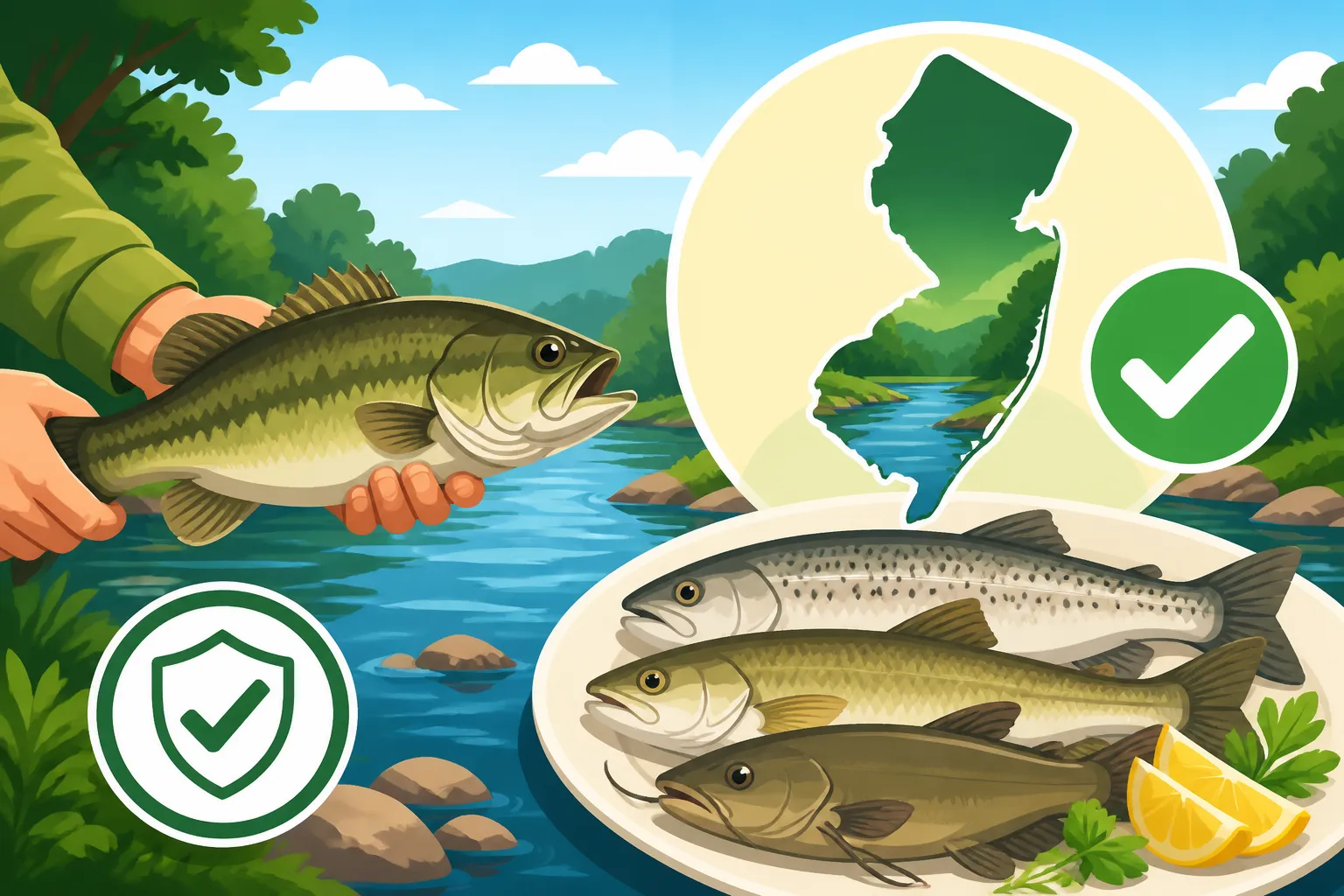
Panfish are frequently a good bet. This category includes sunfish (like bluegill and pumpkinseed), crappie, and yellow perch. These fish tend to be smaller, generally have shorter lifespans, and are lower on the food chain, meaning they have less time to accumulate contaminants and typically have less fat where certain pollutants store. If you're fishing a relatively clean pond or a river section far from major industrial runoff, these little guys are often considered safer for occasional consumption, especially for the general population. Catching a mess of New Jersey Crappie Fishing Guide for a fish fry can be a wonderful experience, particularly if you’ve checked the local advisories first. Similarly, a stringer of New Jersey Yellow Perch Fishing Guide from a quiet lake usually makes for a delicious meal. Always check, but these often receive less restrictive advisories.
Smaller largemouth and smallmouth bass, particularly from well-maintained state park lakes or the upper, less impacted sections of rivers like the Musconetcong or Pequest, can also be good choices. Again, the emphasis here is on smaller fish. A 12-inch bass has had less time to accumulate contaminants than a 20-inch lunker. These fish are predators, but when they are younger and from cleaner environments, they often fall within acceptable consumption guidelines. It's truly a joy to harvest a few of these feisty fighters for a fresh meal.
Species with Known or Potential Concerns (and why)
Now, let's talk about the species that might come with more caution, especially depending on where they were caught. This isn't to say you can never eat them, but it means you need to be particularly diligent about checking advisories for your specific fishing location.
Bottom feeders are often flagged with higher advisories because they live in and feed directly from the riverbed, which can be where heavier contaminants settle. This group includes species like catfish, carp, and eels. While a freshly caught channel catfish can be incredibly tasty, these fish, especially older, larger individuals from certain river sections, can have higher levels of PCBs and other chemicals. If you’re fishing for New Jersey Catfish Species Guide in a river with a history of industrial pollution, the advisories are often more stringent.
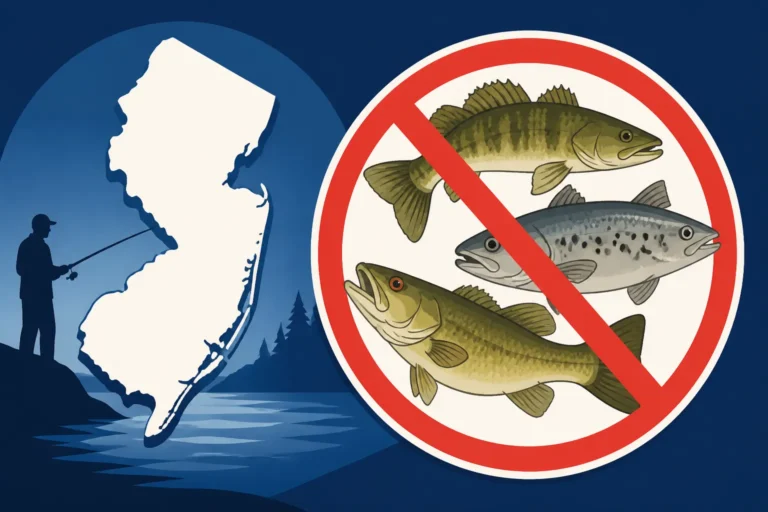
Larger, older predatory fish like big largemouth bass, northern pike, and chain pickerel also tend to accumulate more contaminants because they've lived longer and eaten many smaller fish which may have already absorbed pollutants. The longer a fish lives, and the higher up it is on the food chain, the greater the chance of bioaccumulation. So, while catching a massive chain pickerel is thrilling, that trophy catch might be better off as a photo and then released, especially if you're fishing in a river known for historical contamination. For information on species like the New Jersey Pickerel Fishing Guide, always consult the latest regulations and advisories.
Rivers that have historically been impacted by industry, such as portions of the Passaic, Raritan, and sometimes even the lower sections of the Delaware and its tributaries near urban areas, frequently carry "do not eat" advisories for all fish species, or highly restricted consumption limits for specific fish. It's a harsh reality, but ignoring these warnings can have serious health consequences. Always, always check the specific advisory for the stretch of river you're fishing. It's about being a responsible angler and protecting yourself and your family.
Factors Influencing Fish Safety and Your Catch
It’s not just about the type of fish; there are a multitude of factors that influence how safe a fish might be to eat from a New Jersey river. Understanding these nuances can help you make more informed decisions when you’re out on the water, beyond just reading a list of species.
Location, Location, Location: Upstream vs. Downstream & Industrial Areas
Just like in real estate, location is paramount when it comes to fish edibility. Imagine a winding river starting high in the pristine Appalachian foothills and flowing down to the bustling urban areas and industrial zones before emptying into the bay. The fish caught in those clear, cold headwaters are likely to have a very different contaminant profile than fish caught in the tidal, estuarine sections that have seen decades of development and industrial activity.
Upstream sections, particularly those that flow through state parks, protected forests, or less developed agricultural areas, generally have lower levels of pollutants. The water is often cleaner, and the surrounding land contributes less runoff of harmful substances. This is why you might find fewer or less restrictive advisories for trout or panfish caught in the upper Musconetcong River, for example.
Conversely, downstream areas, especially those near former or active industrial sites, large population centers, or agricultural hubs, tend to have higher concentrations of contaminants. These areas have often been subjected to historical discharges of chemicals like PCBs, dioxins, and heavy metals. These pollutants settle into the riverbed, where bottom-feeding fish pick them up, and then they move up the food chain. For instance, sections of the Passaic River or tidal portions of the Raritan River have very strict, sometimes "do not eat," advisories due to historical industrial pollution. Even if the water looks clean now, the legacy of contamination can persist in the sediment and in the fish.
Size and Age of the Fish
This is a critical factor and one that’s often overlooked by casual anglers. When it comes to contaminants like mercury and PCBs, larger, older fish generally have higher concentrations than smaller, younger ones of the same species. This is due to a process called bioaccumulation, which we touched on earlier.
Think of it this way: a fish lives its entire life in the water, eating, growing, and inadvertently taking in tiny amounts of pollutants. The longer that fish lives, the more opportunities it has to accumulate these substances in its body. So, while catching a trophy 25-inch largemouth bass might be the highlight of your year, that fish has likely been around for many years, giving it ample time to build up contaminants. A 10-inch bass, on the other hand, is much younger and therefore has typically accumulated far less.
This is why many advisories will specify not just the species, but also the size of the fish you should consider eating, or they might recommend "catch and release" for larger specimens even if smaller ones are deemed safe. It's a tough call when you've landed a monster, but if edibility is your goal, sometimes the smaller, pan-sized fish are the smarter and safer choice.
Species' Diet and Habitat
The dietary habits and preferred habitat of a fish species also play a huge role in its potential contaminant load. It makes a lot of sense when you think about it:
- Bottom Feeders: Fish that primarily forage on the riverbed, like carp, catfish, and eels, are more likely to ingest contaminants that have settled into the sediment. These "mud eaters" are essentially vacuuming up whatever is in the substrate, which often includes heavy metals and persistent organic pollutants.
- Predatory Fish: Species higher up the food chain, such as bass, pike, and walleye, accumulate contaminants through a process called biomagnification. They eat many smaller fish, each of which has already accumulated some level of contaminants. This means the pollutants become more concentrated as they move up the food chain to the top predators. This effect is especially pronounced for species like walleye or big largemouth bass that consume other fish exclusively.
- Fat Content: Contaminants like PCBs and dioxins are lipophilic, meaning they dissolve in and are stored in fat. Fish species with higher fat content, such as eels or some larger catfish, tend to accumulate these specific pollutants more readily. Leaner fish, on the other hand, might have lower levels of these fat-soluble chemicals, but could still have mercury.
Understanding these feeding habits and habitats can give you a better intuition for which fish might be riskier, even before you consult the official advisories. It empowers you to make more informed decisions on the water, adding another layer to your angling expertise.
Best Practices for Enjoying River Fish Safely
Okay, so you’ve done your homework, checked the advisories for your favorite river, and caught some fish within the recommended guidelines. Now what? The way you handle and prepare your catch can further reduce your exposure to potential contaminants, making that fresh-caught meal even safer and more enjoyable.
Preparing Your Catch to Reduce Contaminants
Even if a fish is considered safe to eat, there are steps you can take during preparation that can help reduce any residual contaminants, especially those stored in fat. This is particularly relevant for fat-soluble chemicals like PCBs and dioxins.
First and foremost, always skin your fish. Many contaminants are concentrated in the skin and the fatty layer directly beneath it. By removing the skin, you’re already making a significant step in reducing your intake of these substances. When you're filleting, be meticulous about trimming away all the fat. This includes any dark meat along the lateral line, the belly flap, and any visible fat deposits. These are the areas where fat-soluble contaminants are most likely to reside. Don't eat the internal organs (liver, kidneys, etc.) as these can also concentrate pollutants. While some cultures consider these delicacies, for New Jersey river fish, it's best to discard them. Thorough cleaning and filleting are key. Make sure you use clean equipment and wash your hands thoroughly after handling fish.
Cooking Methods and Frequency of Consumption
The way you cook your fish can also impact contaminant levels. Certain cooking methods allow fat to render and drain away, taking some of the contaminants with it.
Consider cooking methods like baking, broiling, or grilling over a rack. These methods allow heat to penetrate the fish while enabling fat to drip away, which is ideal for reducing fat-soluble contaminants. Frying, on the other hand, can actually seal in the fat and any contaminants it holds, and if you use that same oil repeatedly, you might even be reintroducing pollutants. So, while a classic fish fry is delicious, for river fish, leaner cooking methods are often preferred.
Beyond preparation, moderation and variety are your best friends. Even for fish from cleaner waters with less restrictive advisories, it's generally a good idea not to eat them every single day. Mixing up your sources of protein and varying the types of fish you eat from different locations helps minimize your exposure to any single contaminant. If you love river fish, enjoy it, but perhaps balance it out with commercially purchased fish that are generally considered very low in contaminants, or other proteins.
Catch and Release for Questionable Waters or Species
Sometimes, despite all your research and best intentions, you might find yourself in a situation where the advisories for a particular river or species are too restrictive for your comfort, or you simply catch a fish that falls outside the recommended size limits for consumption. This is where the beauty of catch and release truly shines.
The joy of fishing isn't solely about putting food on the table. It's about the thrill of the bite, the fight, the connection with nature, and the satisfaction of a successful outing. If you're fishing a river with known contamination issues, or if you land a magnificent, older fish that likely has higher contaminant levels, embracing catch and release is the most responsible choice for your health and the health of the fishery. Practicing good Catch and Release Rules in New Jersey ensures that trophy fish can continue to grow and potentially spawn, contributing to the health of the population for future generations.
It’s perfectly fine to enjoy a day on the water, take a beautiful photo, and then gently return your catch to the water. This way, you still get all the enjoyment of the sport without any of the worries about consumption safety. Fishing is an incredible pastime, and knowing how to make smart choices about eating your catch from New Jersey’s rivers ensures you can enjoy it for years to come.
Disclaimer
This article is for general informational purposes only and does not constitute professional advice. Laws, prices and regulations vary by location and change over time. Consult a qualified professional for guidance on your specific situation.