What Fish Can You Catch Year-Round in New Jersey?
It’s a common frustration for many anglers in New Jersey: as the leaves fall and the temperatures drop, it feels like all the prime fishing opportunities pack up and head south for the winter. You might find yourself wondering if there's anything left to cast for once the popular summer species have moved on or gone dormant. This guide is here to tell you that, yes, you absolutely can keep your lines wet year-round in the Garden State, provided you know which species to target and how to adapt your approach to the changing seasons.
The Illusion of Year-Round Fishing and the Reality
When we talk about "year-round" fishing, it's crucial to set realistic expectations. While many species are legally available to target 12 months a year in New Jersey, their activity levels, locations, and willingness to bite can change dramatically with the seasons. It's not always about non-stop action; sometimes it's about the peaceful solitude of a quiet winter lake or the challenge of coaxing a cold-water bite.
Why "Year-Round" Isn't Always What You Think
You might look at the regulations and see that, say, largemouth bass are technically open all year. That's true! But try fishing for them with your summer topwater lures in January, and you'll quickly understand the difference between being legally open and actively biting. Fish are cold-blooded creatures, and their metabolism slows down significantly as water temperatures drop. This means they eat less frequently, move slower, and often retreat to deeper, more stable water. So, while you can fish for them, the techniques, baits, and even the locations you target will need a complete overhaul from what works during warmer months. It's about shifting your mindset from aggressive pursuit to patient persistence, and understanding that even a few bites in winter can feel like a huge victory.
The Role of Water Temperature and Fish Metabolism
Fish metabolism is directly tied to water temperature. Think of it like a car engine: in warm weather, it runs efficiently, burns fuel quickly, and can go fast. In cold weather, it's sluggish, takes longer to warm up, and uses fuel more sparingly. For fish, this means that in summer, they're actively hunting, digesting quickly, and expending a lot of energy. Come winter, their metabolic rate can drop by more than half. They need less food, move slowly to conserve energy, and often school up in thermal refuges like deep holes or channels where water temperatures are slightly more stable. This isn't just a minor adjustment; it dictates everything from what type of bait they might even consider eating to how quickly they'll react to it. Understanding this fundamental biological principle is the first step to becoming a successful year-round angler.
Dependable Freshwater Species for All Seasons
New Jersey’s freshwater systems, from its small ponds to its large lakes and meandering rivers, offer some fantastic year-round opportunities if you know where to look. These species are often more resilient to temperature swings and can provide consistent action even when other fish are locked down.
Crappie, Perch, and Panfish: The Winter Warriors
When the mercury drops and ice starts to form, many anglers turn their attention to panfish. Crappie, yellow perch, bluegill, and sunfish are often incredibly active under the ice or in very cold open water. They tend to school up in large numbers, making it possible to have fantastic days once you locate them.
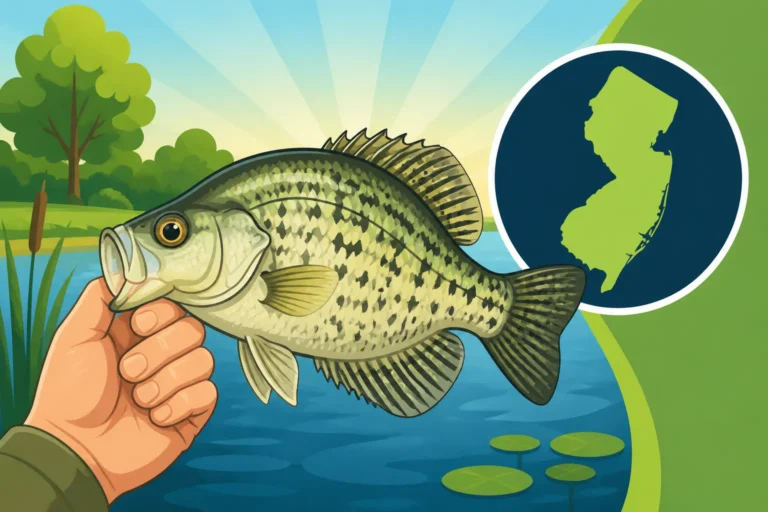
- Crappie: Both black and white crappie are prevalent in many New Jersey lakes and ponds. In winter, they often suspend in the water column near submerged brush piles, weed beds, or structural changes like drop-offs. Ice anglers will use small jigs tipped with a grub or a wax worm, often working multiple holes to find the active schools. During open water cold periods, slow-trolling small jigs or minnows near structure can be highly effective. They might not fight like a striped bass, but a cooler full of crappie fillets is a delicious reward. You can learn more about these great fish in our New Jersey Crappie Fishing Guide.
- Yellow Perch: These feisty, striped beauties are another winter favorite. They're often found hugging the bottom in deeper sections of lakes and rivers, especially where there's some weed growth or submerged wood. They respond incredibly well to small jigs and spoons, again, tipped with live bait like a fathead minnow or a spike. Perch are schooling fish, so where you find one, you usually find many. Their firm, white meat makes them excellent table fare, too. Check out our New Jersey Yellow Perch Fishing Guide for more insights.
- Bluegill & Sunfish: While smaller, these ubiquitous panfish are perhaps the most reliable for year-round fun, especially for families or beginners. They're found in nearly every freshwater body in New Jersey and will bite throughout the winter, albeit with smaller mouths and lighter nibbles. Tiny jigs, often no bigger than your pinky nail, tipped with a micro-plastic, a piece of corn, or a wax worm, are all you need. They'll often be in the same deep water as perch, or nestled into the remaining cover. The simple joy of catching a sunfish on a slow winter day is hard to beat.
Channel Catfish: Always Hungry, Always There
If you're looking for a fish that truly doesn't care about the calendar, the channel catfish is your friend. These whiskered bottom-dwellers are robust, resilient, and possess a metabolism that keeps them active even in very cold water. They might not be as aggressive, but they're always looking for an easy meal.
- Year-Round Availability: Catfish are present in most large lakes and rivers across New Jersey, including the Delaware River, many of the state's reservoirs, and numerous smaller ponds. Unlike some species that become completely lethargic, catfish will still forage, albeit slowly, throughout the winter. They tend to congregate in the deepest holes of rivers and lakes, often near structure that offers shelter and a food source.
- Targeting Tactics: The key to winter catfish is patience and scent. They rely heavily on their sense of smell to locate food. Fresh cut bait (like pieces of herring or bunker), chicken livers, or commercial stink baits fished on the bottom with a simple Carolina rig or three-way swivel rig are your best bets. Give them time to find the bait. The colder the water, the longer you should leave your bait soaking. While summer nights are prime, in winter, midday can sometimes be better as the sun warms the water slightly. They pull hard, regardless of the season, making them a fun and reliable target. Learn more about these fascinating fish in our New Jersey Catfish Species Guide.
Chain Pickerel: The Aggressive Cold-Water Predator
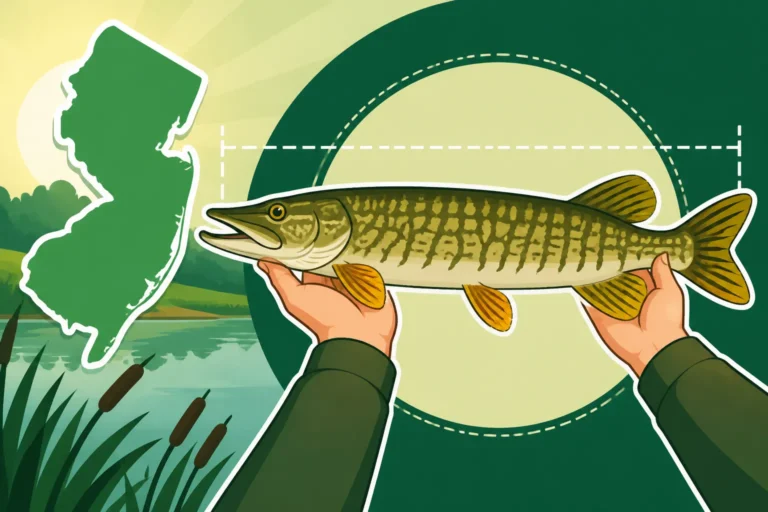
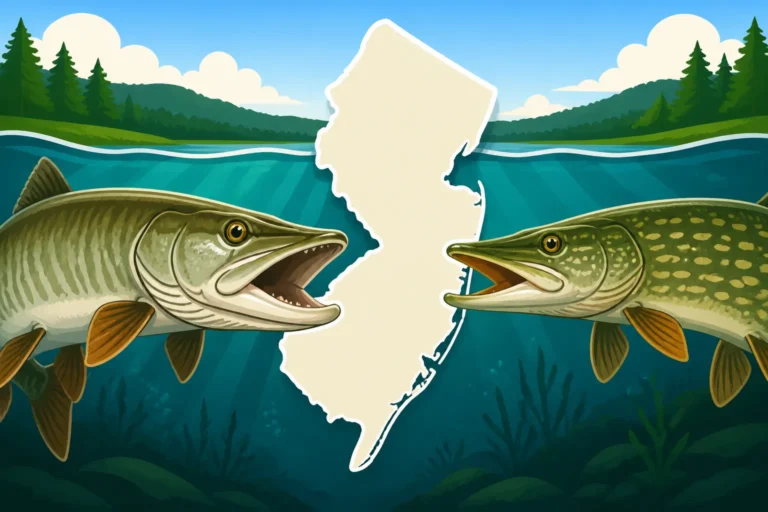
The chain pickerel is a true unsung hero of New Jersey's winter fishing scene. These slender, toothy predators are often overlooked, but they remain remarkably active even when lakes are skimmed with ice. Unlike many other predatory fish that become sluggish, pickerel seem to thrive in cooler temperatures.
- Where to Find Them: Pickerel are ambush predators, and they love weedy areas, submerged timber, and any kind of structure where they can hide and wait for prey. In winter, they’ll often be found along the edges of remaining weed beds, near fallen trees, or in shallower bays that might offer slightly warmer water on a sunny day. They are abundant in many of New Jersey's lakes and ponds, particularly those with plenty of aquatic vegetation.
- Effective Techniques: Whether you're ice fishing or targeting them in open water, presentations for pickerel should be on the slower side. Jigs tipped with shiners or other live bait are highly effective. For ice fishing, tip-ups rigged with live minnows are deadly, as pickerel will often grab the bait and run. In open water, casting small spoons, spinnerbaits, or even suspending jerkbaits with long pauses can entice a strike. Just remember their sharp teeth – a wire leader is highly recommended to prevent bite-offs! Our New Jersey Pickerel Fishing Guide can help you pinpoint some excellent spots.
Saltwater Species That Stick Around (Mostly)
While many of the more famous migratory saltwater species like striped bass and fluke move out or hunker down, there are still a few tough customers that can provide action along the New Jersey coast throughout the colder months. These often require specialized knowledge and a willingness to brave the elements.
Tautog: Structure Lovers, Cold Water Fighters
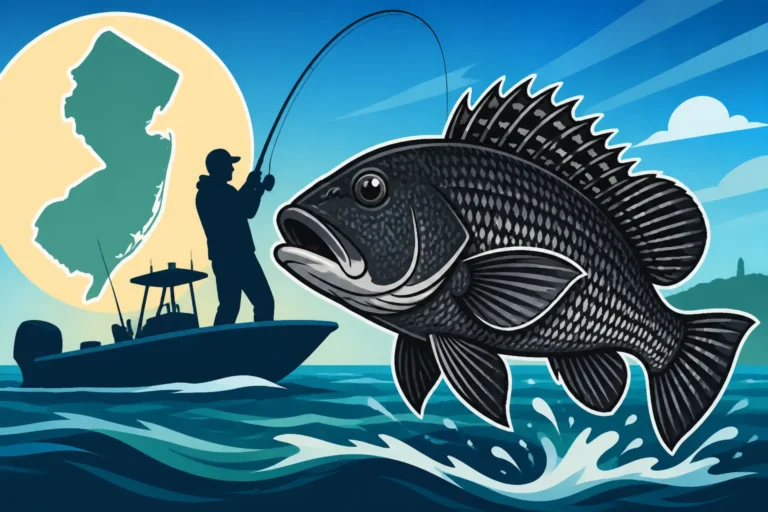
Tautog, often affectionately called "blackfish," are arguably the premier cold-water saltwater game fish in New Jersey. These tough, bottom-dwelling fish are famous for their powerful fights and their uncanny ability to pick bait off a hook with surgical precision.
- Habitat and Seasons: Tautog absolutely love structure. You'll find them around rocky reefs, jetties, wrecks, bridge pilings, and mussel beds. While they are present year-round, their activity peaks in the cooler shoulder seasons of spring and fall, and they remain a primary target throughout much of the winter when other species are scarce. Winter tautog fishing often means heading offshore to deeper wrecks and reefs, or targeting inlets and jetties during milder spells. Just be mindful of their specific seasons and limits, as these can change. You can find detailed information on New Jersey Tautog Season Dates.
- Bait and Techniques: Green crabs and fiddler crabs are the bait of choice, though sometimes clam or hermit crabs can also work. A simple, strong rig with a heavy sinker and a snelled hook is essential to get your bait down to the structure where they live. The key is to feel for their distinctive "tap-tap-drag" bite and set the hook with authority before they can steal your bait. This is not a finesse fishery; it's a test of patience and quick reflexes. And boy, are they good to eat!
Winter Flounder: A Niche But Rewarding Pursuit
Once a staple of New Jersey winter fishing, winter flounder populations have seen their ups and downs. However, they are still present and can provide a very rewarding, albeit sometimes challenging, angling experience for those dedicated enough to target them.
- Where and When: Winter flounder prefer soft, muddy bottoms in bays, estuaries, and shallow coastal waters. They burrow into the mud during cold spells, becoming less active, but will move and feed during warmer spells or incoming tides. Fishing for them typically starts to pick up in late winter and early spring, but with diligent effort, you can find them earlier. They don't migrate far, instead hunkering down in the back bays and rivers during the coldest months. Our New Jersey Winter Flounder Guide dives deeper into how to find and catch these elusive fish.
- Baits and Rigs: Traditional flounder rigs consist of a small hook (often a Chestertown-style hook) baited with bloodworms, sandworms, or small pieces of clam. A simple high-low rig or a single hook snelled above a bank sinker is effective. The presentation needs to be slow and often involves drifting slowly or making very subtle lifts and drops to attract their attention. Patience is paramount, as their bites are often very light and subtle, feeling more like a slight pressure than an aggressive strike.
Ling (Red Hake) and Pollock: Deepwater Opportunities
For those willing to venture further offshore, species like ling (red hake) and pollock offer consistent action throughout the winter, especially on party boats or private charters targeting deeper wrecks and structures.
- Ling (Red Hake): These bottom-dwelling fish are often found congregated in deep wrecks and rocky areas offshore. They are quite active in cold water and are known for their delicious white meat. They readily bite on clam strips, squid, or cut bait presented on a standard two-hook dropper rig. Ling fights hard for their size and provide excellent cooler-filling opportunities.
- Pollock: While less common than ling closer to shore, pollock can be found in deeper offshore waters, often suspended over wrecks or rocky bottoms. They are strong fighters and can be caught on jigs, cut bait, or clam. They often bite well when a boat is drifting over deeper structure. These trips are typically longer, more involved excursions, but they offer a chance to catch significant numbers of fish during times when inshore fishing is very slow.
Strategies for Year-Round Success in New Jersey
Successfully fishing year-round in New Jersey isn't just about knowing what fish are around; it's about knowing how to fish for them when the conditions are less than ideal. Adapting your approach is key.
Adjusting Your Techniques to the Seasons
The biggest mistake an angler can make when transitioning to cold-weather fishing is sticking with their summer techniques. Fish are slower, less aggressive, and often less willing to chase.
- Slow Down Everything: This is perhaps the most critical adjustment. Whether you're jigging, retrieving a lure, or even just letting bait sit, slow down. Lures should be worked with long pauses, gentle lifts, and minimal action. If you're using bait, give fish plenty of time to find it and commit to the bite.
- Go Deeper (Often): As surface waters cool, fish often seek refuge in deeper areas where water temperatures are more stable. This means targeting deep holes, channels, and drop-offs in lakes and rivers, or deeper wrecks and ledges offshore.
- Finesse Over Power: While some species like tautog still require stout gear, many cold-water fish, especially panfish, will respond better to lighter lines, smaller hooks, and more subtle presentations. Use the lightest line you can get away with to maximize sensitivity and allow for a natural bait presentation.
- Scent is King for Bait Fishing: In cold water, fish rely more on their sense of smell. Using fresh, potent baits and even adding scent attractants can make a significant difference.
Essential Gear for Cold-Weather Angling
Being comfortable is paramount for year-round fishing, especially in the biting cold of a New Jersey winter. If you're shivering uncontrollably, you won't last long, and you'll miss those subtle bites.
- Layered Clothing: This is non-negotiable. Start with moisture-wicking base layers, add insulating mid-layers (fleece or down), and top it off with waterproof and windproof outer shells. A good pair of bibs or insulated pants and a heavy-duty jacket are worth their weight in gold.
- Warm Extremities: Your hands and feet will get cold first. Insulated, waterproof boots are essential. Many anglers swear by heated socks or toe warmers. For hands, a good pair of insulated gloves that still allow for dexterity is crucial. You might find excellent options for all these on Amazon.
- Ice Fishing Specifics (if applicable): If you plan on hitting the hard water, an ice auger, a spud bar (for safety), a portable shelter, and a reliable ice fishing flasher are invaluable. Always prioritize safety on the ice, and ensure the ice is thick enough. Our guide on How to Ice Fish in New Jersey offers more detailed advice.
- Rod and Reel: Your summer gear might work, but a more sensitive rod can help detect those light winter bites. For panfish, ultralight or light action rods are ideal. For saltwater, a medium-heavy rod with a fast tip can help transmit those faint tugs.
- Line Choice: Braided line with a fluorocarbon leader can offer excellent sensitivity, which is critical for detecting subtle cold-water bites. The lack of stretch in braid means you feel everything.
Understanding Local Regulations
Even for species that are available year-round, regulations can and do change. Bag limits, size limits, and even specific seasonal closures for certain areas can be adjusted. Never assume the rules are the same as last year or even last month.
- Stay Informed: Before every trip, especially across seasons, consult the official New Jersey Fish and Wildlife Digest. This document is your bible for all things fishing regulations. You can usually find it online or pick up a physical copy at a bait and tackle shop. Our article, Reading the New Jersey Fish and Wildlife Digest, provides guidance on how to navigate it effectively.
- Check for Emergency Changes: Sometimes, regulations can change mid-season due to biological concerns or federal mandates. Keep an eye on the NJDEP Fish and Wildlife website for any emergency rule changes that might affect your planned outing.
- Understand Species-Specific Rules: While some species might be open year-round, specific sizes or daily limits will apply. For instance, even during periods when the season for a particular species is technically "open," there might be a tight slot limit or a very small bag limit. Always know what you're allowed to keep. It's also important to be aware of rules like How Many Fishing Rods Can You Use at Once in New Jersey? as these can apply year-round.
Year-Round New Jersey Fishing Opportunities
Here's a quick overview of some of the most reliable species you can target in New Jersey throughout the year, along with their general seasonal hotspots and considerations.
| Species | Primary Habitat | Best Seasons for Activity | Key Considerations |
|---|---|---|---|
| Freshwater | |||
| Crappie | Lakes, ponds, rivers | Fall, Winter, Early Spring | Schools up; target structure; small jigs/minnows |
| Yellow Perch | Lakes, ponds, rivers | Fall, Winter, Early Spring | Schools up; bottom-oriented; small jigs/worms |
| Bluegill/Sunfish | Lakes, ponds, rivers | All Year | Ubiquitous; smaller baits; great for kids; light tackle |
| Channel Catfish | Lakes, rivers, reservoirs | All Year | Bottom-oriented; scent baits (cut bait, livers); deep holes |
| Chain Pickerel | Weedy lakes, ponds, rivers | All Year | Ambush predator; aggressive in cold; wire leader crucial |
| Saltwater | |||
| Tautog (Blackfish) | Wrecks, reefs, jetties | Fall, Winter, Early Spring | Structure-oriented; crabs are key bait; strong fight |
| Winter Flounder | Bays, estuaries, shallow coast | Late Winter, Early Spring | Muddy bottoms; bloodworms/clam; light, subtle bites |
| Ling (Red Hake) | Offshore wrecks, deep structure | All Year | Deepwater bottom fish; clam/squid; excellent eating |
| Pollock | Offshore wrecks, deep structure | All Year | Deepwater, often suspended; jigs/cut bait; strong fight |
Disclaimer
This article is for general informational purposes only and does not constitute professional advice. Laws, prices and regulations vary by location and change over time. Consult a qualified professional for guidance on your specific situation.