What Happens If the Fish Don’t Bite on a New Jersey Charter?
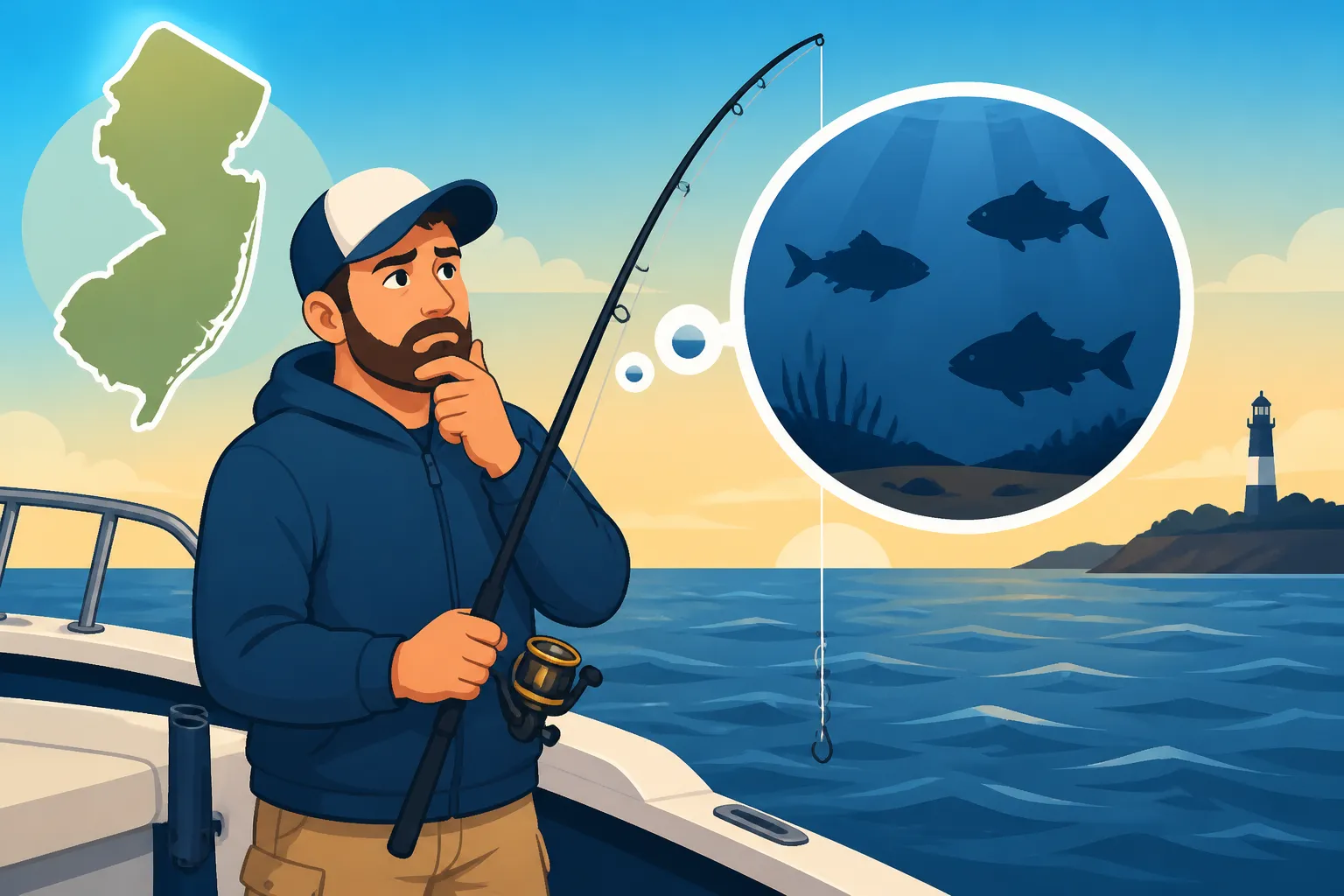
It’s a thought that crosses every angler’s mind when they book a New Jersey fishing charter: what happens if the fish just aren't biting? You’ve invested your hard-earned money and precious time, you’ve dreamt of that bending rod and the thrill of the fight, and the idea of coming home empty-handed can be a real disappointment. This guide is here to shed some light on the reality of slow fishing days, what you can expect from your charter captain, and how to still make the most of your time on the beautiful New Jersey waters, even when the fish are playing hard to get.
Setting Realistic Expectations for Your Charter Trip
Let's face it, fishing is called fishing, not catching, for a reason. While every reputable New Jersey fishing charter captain strives to put you on fish, Mother Nature doesn't always cooperate. It's a fundamental truth that many experienced anglers understand, but it can be a harsh reality for newcomers or those hoping for a guaranteed haul.
Understanding the "No Guarantee" Reality
Imagine you've booked a trip out of Barnegat Light or Point Pleasant, envisioning a cooler full of fluke or a battle with a trophy striped bass. You're excited, you've got your gear ready, and you're ready to make memories. But then, hour after hour, the bites just aren't happening. It's incredibly frustrating, and it's perfectly normal to feel that way. You’ve paid for a service, and part of that service is the expectation of interaction with the fish.
However, almost universally, New Jersey fishing charters, whether private charters or New Jersey party boat trips, do not offer a "no fish, no pay" guarantee. What you're paying for is the expertise of the captain and crew, their boat, fuel, tackle (often provided), and their relentless effort to find and catch fish. They are selling a fishing experience and their professional service, not a fish delivery service. This is a crucial distinction that helps frame expectations. It means that while they will absolutely work their hardest, the outcome regarding the number of fish caught is ultimately beyond anyone's absolute control.
Factors Influencing a Slow Day
So, why do fish sometimes just vanish? It’s rarely due to a lack of effort from your captain. Many elements can conspire to make the fish tight-lipped.
- Weather Changes: A sudden cold front, an unexpected shift in wind direction, or even prolonged rain can dramatically alter fish behavior. Striped bass might go deep, fluke might bury themselves, and baitfish might scatter, leaving predators with fewer reasons to feed aggressively. Even a shift in barometric pressure can be enough to turn a hot bite cold.
- Tides and Currents: Fishing on the Jersey Shore, especially in bays like Barnegat Bay or Raritan Bay, is highly tide-dependent. If you're hitting a slack tide, or if the current isn't moving bait naturally, fish might not be actively feeding. While captains try to schedule around optimal tides, sometimes a shift happens, or the fish just don't follow the textbook. Knowing How to Read Tide Charts for Better Fishing in New Jersey can give you a better appreciation for these nuances.
- Water Temperature: Fish are cold-blooded creatures, and their activity levels are directly tied to water temperature. If the water suddenly heats up too much in summer or cools down too quickly in the fall, it can shut down a bite. For example, Best Water Temperature for Striped Bass Fishing and Best Water Temperature for Trout Fishing are key factors.
- Fish Migration Patterns: Many species, like striped bass, are migratory. Their presence in certain areas is seasonal. While captains track these patterns closely, sometimes a school moves through quicker than expected, or a weather event pushes them offshore or into deeper water. For example, understanding When Do Striped Bass Migrate Through New Jersey? is critical.
- Pressure from Other Boats: On popular spots like the Manasquan Inlet or around certain artificial reefs, if too many boats are fishing the same area, the fish can become wary and stop biting. Overfished areas, even temporarily, can go dormant.
- Bait Availability: Fish follow the food. If the local baitfish (like bunker or spearing) aren't present in numbers, or if they've moved on, the gamefish will follow. Sometimes, schools of bait are so thick that the gamefish are gorging themselves and aren't interested in your offering because they're already full!
What a New Jersey Charter Captain Will Do When the Fish Aren't Biting
When the fish aren't cooperating, it's not like the captain throws in the towel and just cruises around. Quite the opposite! This is when their experience, knowledge, and sheer determination really shine. They are working just as hard, if not harder, than on a day when the fish are jumping in the boat.
Working Hard to Find Fish
A good charter captain is like a detective on the water. They are constantly analyzing the situation, using every tool at their disposal to solve the puzzle of where the fish are hiding and what they might be willing to bite.
This means they will actively:
- Move Spots: If a spot isn't producing after a reasonable amount of time, they'll pick up anchor or pull lines and motor to a new location. They'll try different depths, different types of structure, or even completely different areas of the bay or ocean. They'll have a mental Rolodex of backup spots based on conditions and recent reports.
- Change Baits and Lures: If the fish aren't hitting clam, they might switch to bunker. If jigs aren't working, they might try live bait. They’ll adjust sizes, colors, and presentations to try and entice a strike. For example, on a New Jersey Fluke Charter Guide trip, if bucktails aren't working, they might switch to a Gulp! or natural bait rig.
- Utilize Electronics: They're glued to their fish finders and radar, looking for schools of bait, marks of predatory fish, or promising underwater structure that might hold them. They understand how to interpret what their electronics are telling them, which isn't always as simple as a clear fish symbol.
- Communicate with Other Captains: Many New Jersey captains have a network. They'll be on the radio (or texting) discreetly with other trusted captains, sharing information about where the bite might be, or confirming that it's slow across the board. This isn't just about finding fish; it's about validating the conditions for their clients.
- Adjust Presentation: They might instruct you to reel slower, jig higher, let your bait sit longer, or try a different casting angle. Small changes can sometimes make a big difference in tempting a reluctant fish.
They've invested in their boats, their licenses, and their reputation. Their success depends on happy clients who come back and recommend them, so they are genuinely committed to putting you on fish.
Communication and Transparency
One of the hallmarks of an excellent charter captain during a slow day is their communication. Nobody wants to be left in the dark wondering why nothing is happening.
A good captain will:
- Explain the Conditions: They'll tell you why they think the bite is slow. "The tide isn't quite right," "The water temp dropped unexpectedly," or "There's just no bait in this area." This transparency helps you understand that it's not a lack of effort but a complex natural phenomenon.
- Outline Their Strategy: They'll explain their plan. "We're going to try moving north to that reef, it usually holds black sea bass this time of year," or "I'm going to switch to lighter tackle and try for some porgies if the fluke don't cooperate." This keeps you engaged and shows they have a strategy.
- Set Realistic Expectations Mid-Trip: If things are looking bleak, they might gently manage expectations. "Folks, it's tough out here today, but we're still going to try everything we can." This isn't defeatist; it's honest and helps prevent further disappointment.
This open dialogue transforms a potentially frustrating experience into an educational one, even if the fish count is low.
Adjusting Techniques and Locations
When the primary target isn't cooperating, a skilled captain will pivot. They'll tap into their deep knowledge of local waters and species to offer alternative fishing opportunities.
Here are some typical adjustments:
- Switching Target Species: If the striped bass are nowhere to be found, but the captain knows there are plenty of bluefish or false albacore in the area, they might suggest switching tactics to pursue those. The same goes for freshwater trips; if largemouth bass are scarce, they might try for panfish or pickerel. Being open to this can turn a "no fish" day into a "different fish" day.
- Exploring Different Structures: Maybe the wrecks aren't holding black sea bass, but a nearby rock pile might be holding tautog. A change in structure can mean a change in species and a chance at a bite. How to Fish for Tautog Around Structure is a perfect example of targeted fishing.
- Trying Different Depths: Some fish prefer deeper, cooler water, while others might be shallower, chasing bait. The captain will use their fishfinder to identify promising depths and adjust the fishing accordingly.
- Changing Fishing Methods: If trolling isn't working, they might try drifting, anchoring, or jigging. Each method targets fish differently and can be effective under varying conditions. For example, How to Drift Fish for Fluke is a common method for summer flounder.
A captain's flexibility and willingness to adapt are key indicators of their professionalism when the bite is slow.
What Anglers Can Do to Maximize Their Chances and Enjoy the Trip Anyway
While the captain is working hard, you, as an angler, also have a role to play. A positive attitude and willingness to engage can significantly improve your experience, even if the fish aren't cooperating.
Asking Questions and Participating
Don't be shy! A slow day is a fantastic opportunity to learn from seasoned pros.
- Engage with the Crew: Ask the mate about their favorite knots, how they rig their baits, or tips for casting. Most mates are passionate anglers themselves and love sharing their knowledge.
- Learn New Techniques: If they're demonstrating a particular jigging motion or a way to drop bait, pay close attention and try to replicate it. This is hands-on learning you can't get from a book. You might be surprised how much you pick up about Bucktail Jigging Techniques for New Jersey Anglers or how to properly handle a rod to detect subtle bites.
- Observe and Adapt: Watch how others are fishing, especially if someone nearby is getting bites. What are they doing differently? What kind of bait are they using? You can apply these observations to your own technique.
- Help Out (If Invited): On some charters, especially private ones, helping with chores like netting bait (if appropriate and safe) or cleaning up can be a nice gesture and shows you're part of the team.
Your active participation not only keeps you engaged but also shows respect for the crew's efforts.
Being Flexible and Open to Change
The best anglers are adaptable. When the plan isn't working, it's time for a new plan!
- Embrace Species Switches: If the captain suggests targeting a different fish because the primary species isn't biting, be open to it. Catching a different kind of fish is still catching! You might discover a new favorite species to target.
- Enjoy the Scenery: New Jersey's coastline and waterways are stunning. Take a moment to appreciate the sunrise, the ocean breeze, the wildlife, and the camaraderie with your fellow anglers. Sometimes, the peace of being on the water is a reward in itself. New Jersey's Island Beach State Park Shore Fishing Rules are also about enjoying the environment.
- Focus on the Company: Whether you're with family or friends, a charter trip is a shared experience. Laugh, tell stories, and make memories, regardless of the fish count. These are the moments that often last longer than the memory of any single fish.
Remember, fishing is a process, and the enjoyment comes from the entire journey, not just the destination (or the fish box).
Choosing the Right Charter and Time of Year
While you can't control the fish on the day of your trip, you can control how you prepare for it. Smart booking choices can set you up for success.
- Research Reputable Charters: Before you book, do your homework. Check online reviews, ask for recommendations, and look for captains with a track record of consistent effort and good customer service, even on slow days. Platforms like FishingBooker can be excellent resources for finding and vetting charters, as they often have detailed reviews from past clients. Look for comments that praise the captain's effort and attitude, not just their catch totals.
- Book During Peak Seasons: While no guarantee, booking during the known peak season for your target species significantly increases your odds. For example, if you're after fluke, look up New Jersey Fluke Season Dates for 2026. For striped bass, find out Best Month to Catch Striped Bass in New Jersey. This information helps you align your trip with the best natural opportunities.
- Consider Charter Specializations: Some charters specialize in certain species or techniques. If you're passionate about tuna, book a New Jersey Offshore Tuna Charters trip. If you prefer bay fishing, choose a charter known for that. Their expertise will be concentrated there.
- Discuss "Worst Case" Scenarios Before Booking: Don't hesitate to ask a charter captain directly about their approach to slow days during your initial inquiry. A good captain will appreciate your frankness and be ready to explain their philosophy.
Refund Policies and "No Fish" Guarantees: The Reality
This is often the most sensitive part of the "no bite" conversation, and it's essential to understand the industry standard to avoid misunderstandings.
The Standard "No Refund for No Fish" Policy
As mentioned earlier, the vast majority of New Jersey fishing charters operate on a "no refund for no fish" policy. This isn't because captains are unsympathetic; it's simply how the business model works.
Think about it:
- Fixed Costs: The captain still incurred all the costs of the trip: fuel (which can be substantial, especially for deep sea fishing), bait, ice, tackle wear and tear, dockage fees, insurance, and crew wages. These costs are the same whether you catch one fish or a hundred.
- Service Provided: You are paying for the captain's expertise, the boat's use, the crew's labor, and the opportunity to fish. They've delivered that service, regardless of the fish's cooperation. It's akin to paying for a concert ticket – you pay for the performance, not a guarantee that you'll love every song.
- Industry Standard: This policy is standard across the charter fishing industry, not just in New Jersey. It protects the business from the inherent unpredictability of nature.
While it can feel disappointing to pay the New Jersey Full-Day Charter Cost or New Jersey Party Boat Cost Per Person and not bring home dinner, it's a risk all anglers implicitly accept when they book a trip.
Rare Exceptions or Special Circumstances
There are, of course, exceptions to almost every rule, though they are quite rare in the charter world for "no fish."
- Mechanical Breakdown: If the boat experiences a significant mechanical failure that cuts the trip short or makes fishing impossible, a reputable captain will usually offer a partial refund, a discount on a future trip, or a reschedule. This is a failure of the service delivery, not a failure of the fish to bite.
- Weather Cancellation: If the captain determines that conditions are unsafe or unfishable before leaving the dock, they will cancel the trip. In this scenario, you would receive a full refund or the option to reschedule. This is different from tough conditions during the trip. You can learn more about New Jersey Charter Fishing Cancellation Policies.
- Captain's Discretion: In extremely rare circumstances, if a captain feels truly terrible about an absolutely dreadful, unprecedented lack of fish, they might, out of goodwill, offer a small discount on a future trip. This is purely at their discretion and should never be expected. It's a gesture of good faith, not a policy.
It’s always best to clarify the charter's specific policies regarding cancellations and what constitutes a "completed trip" before you put down a deposit.
Valuing the Experience Beyond the Catch
Ultimately, the best way to handle a slow fishing day on a New Jersey charter is to shift your perspective.
- Embrace the Hunt: The thrill of the chase, the anticipation of a bite, the skill involved in presenting bait or lures – these are all core elements of fishing. Focus on these aspects.
- Learning Opportunity: Every slow day is a chance to learn something new. You'll observe how the captain adapts, what tactics they try, and how they interpret conditions. This knowledge will make you a better angler for your next trip, whether it's on a charter or How to Fish From a Kayak Safely in Open Bays.
- Connect with Nature: Being on the water, away from the hustle and bustle, is therapeutic. The fresh air, the vastness of the ocean or the tranquility of a lake – these are invaluable.
- Build Relationships: Share laughs with your friends or family, talk to the crew, and forge new connections. These human interactions are often more memorable than the fish themselves.
- The "Next Time" Factor: Fishing always offers the promise of "next time." A slow day just makes the successful days even sweeter. It builds resilience and appreciation for when the bite is on.
It’s easy to get caught up in the desire for a full cooler, but a true angler understands that the joy of fishing runs much deeper than the quantity of the catch.
Navigating Expectations on Your New Jersey Fishing Charter
Here's a quick overview of what to expect and what to do if the fish aren't cooperating on your New Jersey charter.
| Scenario | Angler Expectation | Captain's Action | Angler's Best Response |
|---|---|---|---|
| No Fish Biting | Disappointment, frustration, worry about money spent | Explains conditions, moves spots, changes tactics | Stay positive, learn from crew, enjoy the experience |
| Slow Day | Hoping for a turn-around, feeling low morale | Persistent effort, communication, possibly switches targets | Be adaptable, ask questions, appreciate the scenery |
| Weather Turns Bad | Concern for safety, trip might be cut short | Prioritizes safety, seeks shelter, communicates options | Follow instructions, understand safety comes first |
| Mechanical Issue | Frustration, feeling cheated | Explains problem, seeks repair, offers refund/reschedule | Be patient, discuss compensation fairly with captain |
| Cancellation by Captain | Relief (if unsafe), disappointment (if just slow) | Full refund or reschedule if before trip | Reschedule or accept refund, understand their judgment |
| Expecting a Guarantee | Believes charter owes fish or money if no catch | Refers to "no guarantee" policy, highlights service value | Understand fixed costs, appreciate effort, value the experience |
Remember, your New Jersey fishing license, like the New Jersey Fishing License Guide for 2026, is a regulatory requirement, not a guarantee of fish! The experience is what you make of it.
Disclaimer
This article is for general informational purposes only and does not constitute professional advice. Laws, prices and regulations vary by location and change over time. Consult a qualified professional for guidance on your specific situation.