Greenwood Lake Fishing Guide
It can be incredibly frustrating to hear whispers about a fantastic fishing spot like Greenwood Lake, only to find general advice that doesn't quite dig into the nitty-gritty details. You want to know where to launch your boat, what fish are biting, and what rules actually apply to this unique border lake. This comprehensive guide is designed to cut through the confusion and arm you with everything you need to plan a successful and enjoyable fishing trip to Greenwood Lake, New Jersey.
A Closer Look at Greenwood Lake's Unique Character
Greenwood Lake isn't your average local pond. It's a vast, glacial lake that straddles the border between two states, creating a fascinating and sometimes complex environment for anglers. Understanding its geography and underwater landscape is the first step to unlocking its fishing potential.
Geographical Blend of New Jersey and New York
Imagine a lake so long that it literally starts in one state and ends in another. That's Greenwood Lake for you. Approximately nine miles long and covering over 1,900 acres, it's divided almost perfectly down the middle, with its northern half in New York and its southern half in Passaic County, New Jersey. This unique characteristic means that anglers need to be mindful of regulations from both states, even if they're primarily fishing the New Jersey side. It's not uncommon to drift from one state's jurisdiction to another without even realizing it, making proper preparation crucial.
The New Jersey section of the lake is characterized by its slightly narrower width and numerous coves and points, especially towards the southern end. This diverse shoreline offers a mix of residential areas, undeveloped stretches, and public access points, each with its own charm and fishing opportunities. The blending of states also means a slightly different approach to enforcement, so it’s wise to carry proof of your license, regardless of which state issued it, if you plan on covering significant water.
Navigating the Lake's Expansive Waters and Depths
Greenwood Lake is truly expansive, and its depths vary dramatically. While some areas are relatively shallow, especially in coves and near shorelines, the main channel can drop to over 50 feet in places, with a maximum depth pushing past 60 feet. This deep, cold water in parts provides excellent habitat for species like lake trout and muskie, while the shallower, warmer sections are perfect for bass and panfish. The lake's bottom structure is a mix of rock, gravel, and silt, with abundant weed beds in the shallower flats.
Navigating Greenwood Lake requires attention, especially given the amount of boat traffic, particularly during peak summer months. There are several islands and submerged structures that can be excellent fish magnets but also pose navigational hazards if you're not paying attention. Investing in a good topographic map or using a reliable fish finder with mapping capabilities will greatly enhance your understanding of the lake's contours and help you pinpoint those hidden ledges and drop-offs where fish love to congregate.
Prime Fish Species to Target in Greenwood Lake
Greenwood Lake is a multi-species angler's paradise, boasting a diverse array of fish that can challenge and reward you. From apex predators to widespread panfish, there’s something for everyone, but knowing what to expect and where to find them is key.
Battling Trophy Muskellunge and Northern Pike
If you dream of tangling with a true freshwater leviathan, Greenwood Lake should be high on your list. It's one of New Jersey's premier locations for muskellunge (muskie) and northern pike, known for producing some truly massive specimens. These toothy predators lurk in ambush, often near dense weed beds, submerged timber, or along sharp drop-offs. Catching a muskie is often referred to as the "fish of 10,000 casts," and while that might be an exaggeration, it certainly speaks to the patience and dedication required.
Muskie and pike fishing here often involves throwing large artificial baits like bucktails, jerkbaits, and large swimbaits, or trolling oversized plugs. Heavy gear is a must to handle these powerful fish, along with a long-handled net and appropriate tools for unhooking to ensure a safe release. Anglers specifically targeting these giants often spend hours systematically working promising areas, understanding that one explosive strike can make an entire day worthwhile. For more on these elusive species, check out our guide on Muskie and Pike Fishing in New Jersey. You might also find tips in New Jersey's Best Lakes for Trophy Muskie.
Chasing Aggressive Largemouth and Smallmouth Bass
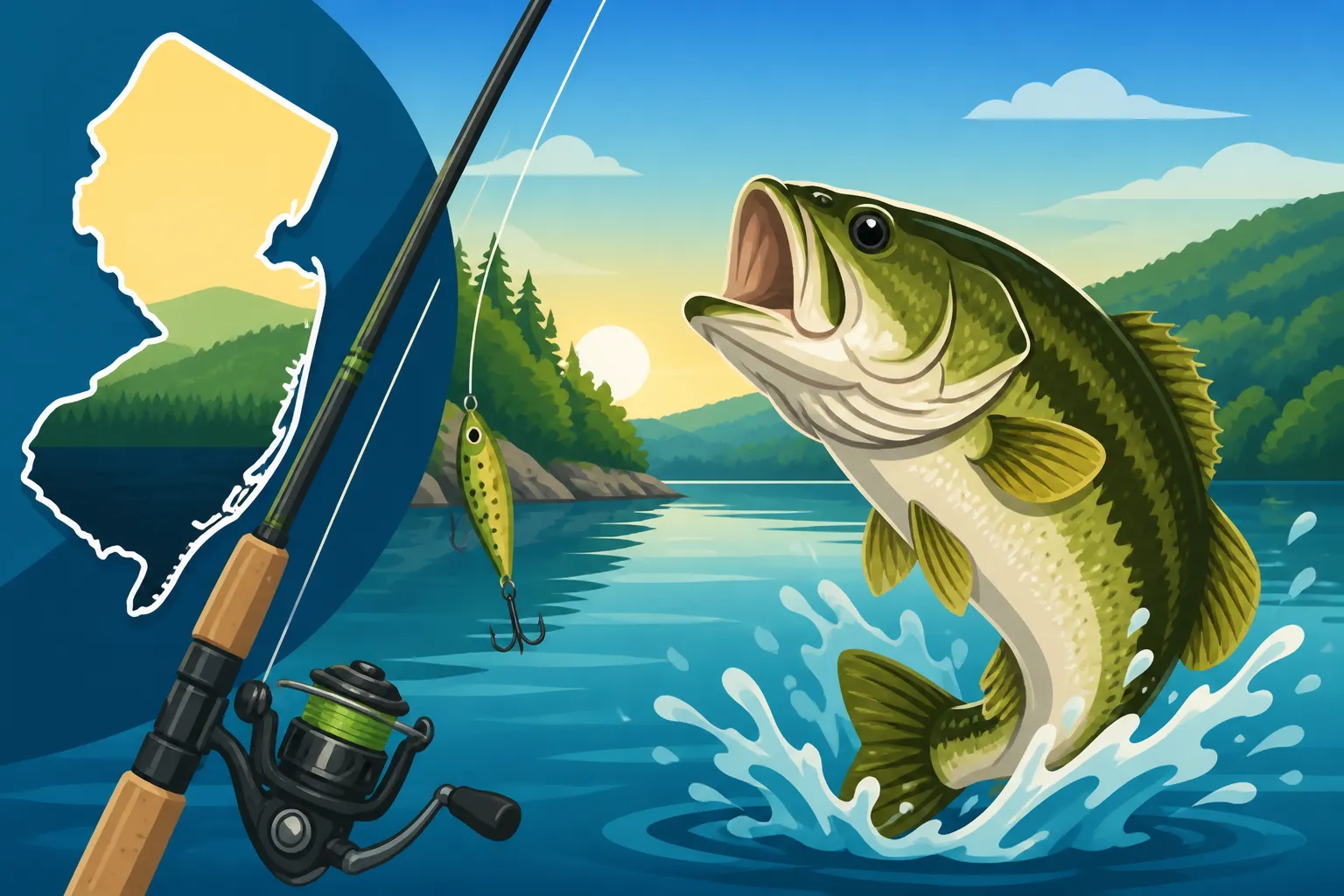
Bass anglers rejoice! Greenwood Lake offers excellent opportunities for both largemouth and smallmouth bass. The largemouth tend to dominate the shallower, weedy coves and bays, often found hiding around docks, lily pads, and submerged brush. They are aggressive eaters, readily hitting a variety of lures from spinnerbaits and crankbaits to soft plastics like worms and jigs. Early mornings and evenings during the warmer months are prime times to target them, especially with topwater lures, which can provide exhilarating strikes.
Smallmouth bass, on the other hand, prefer the cooler, deeper, rockier sections of the lake. Look for them around rocky points, submerged humps, and steep drop-offs in the main lake body. They're strong fighters, known for their acrobatic jumps. Drop-shotting, jigging with tubes, or casting small crankbaits and swimbaits are effective techniques for smallmouth. Understanding the lake's structure is paramount for locating these fish. If you're passionate about bass, our comprehensive guide on Largemouth Bass Fishing in New Jersey offers even more in-depth strategies.
Hooking Walleye, Perch, and Panfish
Beyond the glamour of muskie and bass, Greenwood Lake also holds a robust population of walleye, a highly prized table fish. Walleye are often found in deeper water, especially during the day, moving shallower to feed during low light conditions or at night. Trolling crankbaits, jigging with live bait like shiners or nightcrawlers, and casting stickbaits are popular methods. The lake's extensive forage base provides excellent growth opportunities for these fish. For detailed advice, consult our resource on Walleye Fishing Waters.
Additionally, Greenwood Lake is teeming with panfish like yellow perch, crappie, and bluegill, making it a fantastic destination for family fishing or a relaxed day on the water. These smaller, yet feisty, fish are often found in shallower areas, near docks, weed lines, and brush piles. They readily bite on small jigs, worms, or live minnows under a bobber. Channel catfish are also present, especially in the deeper, muddier sections, and can be caught using cut bait or stink baits fished on the bottom.
Essential Fishing Techniques for Greenwood Lake
Successfully fishing Greenwood Lake means adapting your techniques to the specific species you’re targeting and the diverse environments the lake presents. From power fishing for predators to finessing for panfish, having a varied approach will yield the best results.
Strategies for Targeting Predatory Species
When it comes to the big boys like muskie, pike, and bass, you'll want to employ tactics that cover water efficiently and mimic their natural prey. For muskie and pike, trolling large crankbaits or bucktail jigs along weed lines and drop-offs is a common and effective method, especially when covering large areas. Casting big topwater lures or glide baits into known muskie haunts around dense cover can also trigger explosive strikes, demanding strong rods and reels. Remember to keep a close eye on your surroundings and be mindful of other boaters.
For largemouth bass, flipping and pitching jigs or soft plastics into heavy cover like lily pads, submerged timber, and around docks is a go-to strategy. When they're more active, casting spinnerbaits or crankbaits along weed edges can be highly productive. Smallmouth bass, favoring open water and rocky structures, respond well to drop-shot rigs, Ned rigs, or small swimbaits fished near humps and ledges. Knowing how to read your fish finder to identify these structures is invaluable. Many anglers looking for a guided experience to hone these skills utilize services like FishingBooker to connect with local guides who specialize in these species.
Productive Approaches for Panfish and Bottom Dwellers
For a more relaxed pace or when fishing with kids, targeting panfish is incredibly rewarding. Simple float fishing with small hooks tipped with worms, minnows, or even pieces of corn near docks, shoreline vegetation, or fallen trees will often produce steady action. Small jigs or tiny spinnerbaits are also very effective, especially for crappie found schooling around submerged brush piles or bridge pilings. The beauty of panfishing is the accessibility and the sheer number of bites you can get, perfect for building confidence in younger anglers.
If you're after channel catfish, a bottom-fishing rig with a heavy sinker and a baited hook is your best bet. Use cut bait, chicken liver, or prepared catfish baits. Cast these out into deeper channels or areas with a softer bottom and wait for the characteristic strong tug. Don't be surprised if you pick up a large perch or even a bullhead using these methods.
Seasonal Considerations and Adapting Your Methods
Greenwood Lake's fishing scene changes dramatically with the seasons. In spring, as water temperatures rise, fish move shallower for spawning. This is an excellent time for targeting bass in coves and pike in grassy areas. As summer progresses and water warms, many species will move deeper during the day, making early mornings and late evenings, or targeting deeper structures, crucial. Fall sees fish becoming highly active, feeding aggressively in preparation for winter, offering some of the best fishing of the year for most species.
Winter brings the opportunity for ice fishing, a popular activity on Greenwood Lake when conditions allow. Small jigs tipped with bait or soft plastics are effective for perch, crappie, and even walleye through the ice. Always prioritize safety on the ice, checking thickness regularly. For more on this, our Greenwood Lake Ice Fishing Guide is an essential read. Adapting your lure colors, retrieval speeds, and fishing depths to the prevailing conditions and water temperatures will significantly increase your chances of success throughout the year.
Accessing Greenwood Lake and Understanding Regulations
Navigating the rules and access points for Greenwood Lake can be a bit tricky due to its interstate status. However, with a little planning, you can ensure a smooth and legal fishing trip.
Public Boat Launches and Shoreline Fishing Spots
Greenwood Lake offers several public access points for boaters, both on the New Jersey and New York sides. On the New Jersey side, the State Park Marina in Hewitt (part of Long Pond Ironworks State Park) provides a public boat launch, making it a popular starting point for many anglers. This ramp is well-maintained and provides ample parking. There are also several private marinas that offer launches for a fee, catering to both transient and seasonal boaters. Before heading out, always check if there are any specific permit requirements or launch fees.
Shoreline fishing opportunities are more limited, particularly on the New Jersey side, due to the prevalence of private property. However, areas within Long Pond Ironworks State Park and parts of the state forest offer some bank access. Look for public parks or designated fishing areas where available. Always respect private property signs and be courteous to homeowners. Exploring some of the smaller coves by kayak or canoe can also open up new, less-pressured shore fishing spots, just remember to check Do Kayak Anglers Need a License in New Jersey?.
Reciprocity Rules and Licensing Requirements for Border Waters
This is perhaps the most crucial aspect of fishing Greenwood Lake. Because the lake spans both New Jersey and New York, there are specific reciprocal agreements in place. Generally, a valid fishing license from either New Jersey or New York is honored by both states when actively fishing on Greenwood Lake. This means if you have a New Jersey fishing license, you can fish the New York portion of Greenwood Lake, and vice-versa, without needing two separate licenses.
However, this reciprocity applies only to Greenwood Lake itself. If you plan to fish any other waters in New Jersey or New York, you'll need the appropriate license for that specific state. It's also important to note that while the license is reciprocal, the bag limits and size restrictions often default to the regulations of the state you are physically in when you make the catch. Always carry your physical license and a copy of both states' current regulations to avoid any misunderstandings. Our guide on Fishing License Reciprocity Between New Jersey and Neighboring States goes into much greater detail, and for general New Jersey requirements, check out New Jersey Resident Fishing License Requirements.
Boat Traffic and Navigational Safety
Greenwood Lake is a popular recreational lake, especially in the summer. You can expect significant boat traffic, including pleasure craft, jet skis, and water skiers, particularly on weekends. This means anglers need to be extra vigilant about navigational safety. Always observe speed limits, especially in no-wake zones and near shorelines, and be aware of your surroundings. Wearing a life vest is always a good idea, and having appropriate safety gear onboard is not just smart, but legally required.
The varied depths and submerged structures we discussed earlier also contribute to navigational challenges. Always consult current charts and use your depth finder. Be particularly cautious in shallower coves or near islands where hazards might not be immediately visible. Remember that How Many Fishing Rods Can You Use at Once in New Jersey? also applies to boat anglers, so don't overdo it with multiple lines in high-traffic areas.
Seasonal Breakdown for Optimal Fishing Success
Understanding the seasonal patterns of Greenwood Lake is critical for maximizing your catch. Each season presents unique opportunities and challenges, influencing fish behavior and where they can be found.
Spring's Awakening: Pre-Spawn and Early Season Action
As the ice retreats and water temperatures begin to climb in early spring, Greenwood Lake comes alive. This is a fantastic time to target northern pike and muskellunge as they become very active, often moving into shallower, warmer bays and coves to feed before their own spawning periods. Large spinnerbaits, jerkbaits, and swimbaits cast or trolled along weed edges and rocky points can be highly effective.
Largemouth bass will also begin to move out of their wintering grounds and into shallower staging areas, especially near cover. The pre-spawn period sees them feeding heavily, making them vulnerable to crankbaits, jigs, and slow-rolled spinnerbaits. Smallmouth bass will be found slightly deeper, near rocky drop-offs and humps, feeding on baitfish. This can be an excellent time to catch a trophy fish, as many species are at their heaviest. Keep an eye on local stocking reports for any added fish.
Summer Strategies: Dealing with Warmer Waters
Summer on Greenwood Lake is characterized by warmer water temperatures and increased recreational boat traffic. While the fishing can still be excellent, you'll often need to adjust your approach. Bass, especially largemouth, will seek refuge in dense weed beds, under docks, and in shaded areas during the heat of the day. Flipping and pitching soft plastics or jigs into this heavy cover is a prime tactic. Early mornings, late evenings, and even night fishing can be incredibly productive for bass and walleye, as they move shallower to feed under lower light conditions.
Walleye will often retreat to deeper, cooler sections of the lake during the day, making trolling crankbaits or vertical jigging with live bait over humps and along deep channels effective. Panfish, like crappie and perch, will school up around submerged brush piles, bridge pilings, and weed lines, and can be caught with small jigs and live bait. Remember to stay hydrated and protect yourself from the sun during long summer days on the water.
Fall's Bounty: Feeding Frenzies Before Winter
Autumn is arguably one of the best times to fish Greenwood Lake. As water temperatures begin to cool, many fish species enter an aggressive feeding period, stocking up for the lean winter months. This "fall bite" can be spectacular for bass, walleye, pike, and muskie. Largemouth and smallmouth bass will chase baitfish in open water and around rocky structures, making crankbaits, swimbaits, and jerkbaits highly effective. You might even witness some intense feeding frenzies.
Muskellunge and northern pike are also particularly active in the fall, often following schools of baitfish into shallower bays. Trolling large lures or casting bucktails and large soft plastics can lead to impressive catches. Walleye will also be on the prowl, making late afternoon and evening fishing with stickbaits or jigs productive. The cooler weather and often vibrant foliage also make for a more pleasant fishing experience, with fewer recreational boaters on the lake.
Insider Tips and Navigating Challenges on Greenwood Lake
Fishing Greenwood Lake, like any large body of water, has its quirks. A few insider tips and an understanding of potential challenges can make your trip much more successful.
Gear Recommendations and Local Bait Shops
Given the variety of species in Greenwood Lake, bringing a range of tackle is a good idea. For bass and walleye, medium to medium-heavy spinning or baitcasting setups with 8-15 lb test line will cover most situations. For muskie and pike, you'll need specialized heavy or extra-heavy casting rods, robust baitcasting reels, and at least 50-80 lb braided line, often with a heavy fluorocarbon or steel leader to withstand their sharp teeth. Don't forget a large, rubberized net for safe landing and handling of these large fish.
There are several local bait and tackle shops around Greenwood Lake, on both the New Jersey and New York sides, such as Greenwood Lake Marina or smaller local outfitters. These shops are invaluable resources. They can provide the freshest live bait (shiners, worms, minnows), offer up-to-the-minute fishing reports, and recommend the hot lures or techniques that have been working recently. Always support local businesses – their knowledge is often worth more than any fancy new lure. When you're considering Best Bait Fish for Freshwater Predator Species?, these local experts can guide you best.
The Value of a Local Guide or Charter
For anglers new to Greenwood Lake, or those specifically targeting challenging species like muskie, hiring a local fishing guide can be a game-changer. A guide knows the lake's intricate structure, seasonal patterns, and where the fish are hiding, saving you countless hours of searching and trial-and-error. They can also provide specialized gear that you might not own, such as heavy muskie rods or ice fishing equipment.
While Greenwood Lake might not have the same number of "charters" as saltwater destinations, there are definitely professional fishing guides who operate here. These guides offer personalized trips for various species, focusing on teaching techniques and putting you on fish. If you're looking to book a trip, platforms like FishingBooker can help you find reputable local guides who specialize in Greenwood Lake fishing, whether you're after a trophy muskie or a fun day catching panfish with the family. They often provide all the necessary equipment, making it a hassle-free experience.
Environmental Factors and Conservation Efforts
Greenwood Lake is a beautiful natural resource, and it's essential for all anglers to practice responsible fishing. This includes adhering to all bag and size limits, which you can typically find in the current New Jersey Freshwater Fish Size Chart 2026, and practicing catch-and-release, especially for sensitive species like muskie or larger bass, to help maintain healthy populations. Proper handling of fish is crucial when releasing them to minimize stress and injury.
Water quality is a continuous concern for any lake, and Greenwood Lake is no exception. Be mindful of litter, avoid spilling fuel or oil from your boat, and report any signs of pollution. Organizations and local authorities work to monitor and protect the lake's ecosystem, and anglers play a vital role in these efforts. Staying informed about local regulations and conservation news is part of being a responsible steward of this incredible fishery. Sometimes, you might even get a call for a New Jersey Recreational Fishing Survey: Why You Might Get a Call, which helps biologists track fish populations and inform management decisions.
Disclaimer
Please note that fishing regulations, license requirements, and seasonal rules for Greenwood Lake can change. Always consult the most current New Jersey Fish and Wildlife Digest or the New York State Department of Environmental Conservation for the latest information before planning your trip. This guide is for informational purposes only and should not replace official regulatory documents.