Fishing Access at Sandy Hook Beach
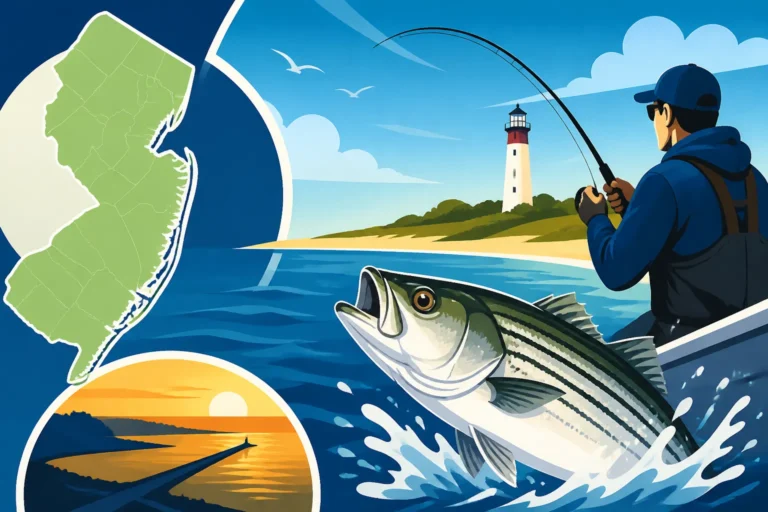
There’s a special pull to casting a line at Sandy Hook Beach, isn't there? It’s an iconic stretch of the New Jersey coast, teeming with history and diverse marine life, making it a dream spot for many anglers. But navigating access points, understanding the rules of a National Park Service unit, and figuring out the best spots can feel a bit like cracking a secret code. This guide is dedicated to demystifying fishing access at Sandy Hook, helping you understand where you can fish, what permits you might need, and how to make the most of your angling adventure in this unique corner of the Garden State.
Understanding Sandy Hook's Unique Fishing Landscape
Sandy Hook, part of the Gateway National Recreation Area, isn't just any beach; it's a dynamic peninsula that offers an incredible variety of fishing environments. Its unique geographical position, extending into both Raritan Bay and the Atlantic Ocean, creates a smorgasbord of opportunities for anglers. You're not just limited to pounding surf; you have calm bay waters, protected coves, and even a historic fort adding to the allure.
The Gateway National Recreation Area Perspective
Fishing at Sandy Hook means you're operating within a National Park Service unit, which comes with its own set of rules and considerations that differ from other municipal or state beaches. It's not just about the fish; it's about preserving a national treasure. This designation means that while fishing is generally permitted, specific regulations are in place to protect the natural resources and ensure public safety. You'll find signs detailing rules, especially regarding vehicle access and sensitive ecological areas. Understanding that you're in a managed recreational area is the first step to a hassle-free fishing trip here. Always remember that conservation police officers patrol these areas, and they take adherence to park rules and fishing regulations seriously.
Diverse Fishing Environments
The beauty of Sandy Hook for anglers lies in its incredible diversity. You have the roaring surf on the ocean side, perfect for chasing migratory stripers and blues, especially during the spring and fall runs. The constant wave action and shifting sands create excellent feeding grounds. Then, on the western side, you have the calmer, shallower waters of Raritan Bay and Sandy Hook Bay, which are ideal for targeting fluke, weakfish, and even some resident striped bass. These bay areas warm up quicker in the spring, often drawing baitfish and predators earlier in the season. Further north, the narrow tip of the hook and the area around Fort Hancock provide unique opportunities where the bay and ocean currents converge, creating rips and eddies that concentrate bait and gamefish. Whether you prefer casting into the waves, still-fishing in the bay, or walking the quieter fringes, Sandy Hook truly offers a spot for every type of shore angler. For those looking to explore the wider bay system, our guide on Raritan Bay and Sandy Hook Bay Fishing Guide delves deeper into these fruitful waters.
Navigating Access Points and Permits at Sandy Hook
One of the biggest questions new anglers have about Sandy Hook is simply, "Where can I park and fish?" It's a valid concern, as access varies significantly depending on the season and whether you plan to fish directly from the shore or use a vehicle to get to more remote spots. Planning ahead makes all the difference.
General Beach Access for Anglers
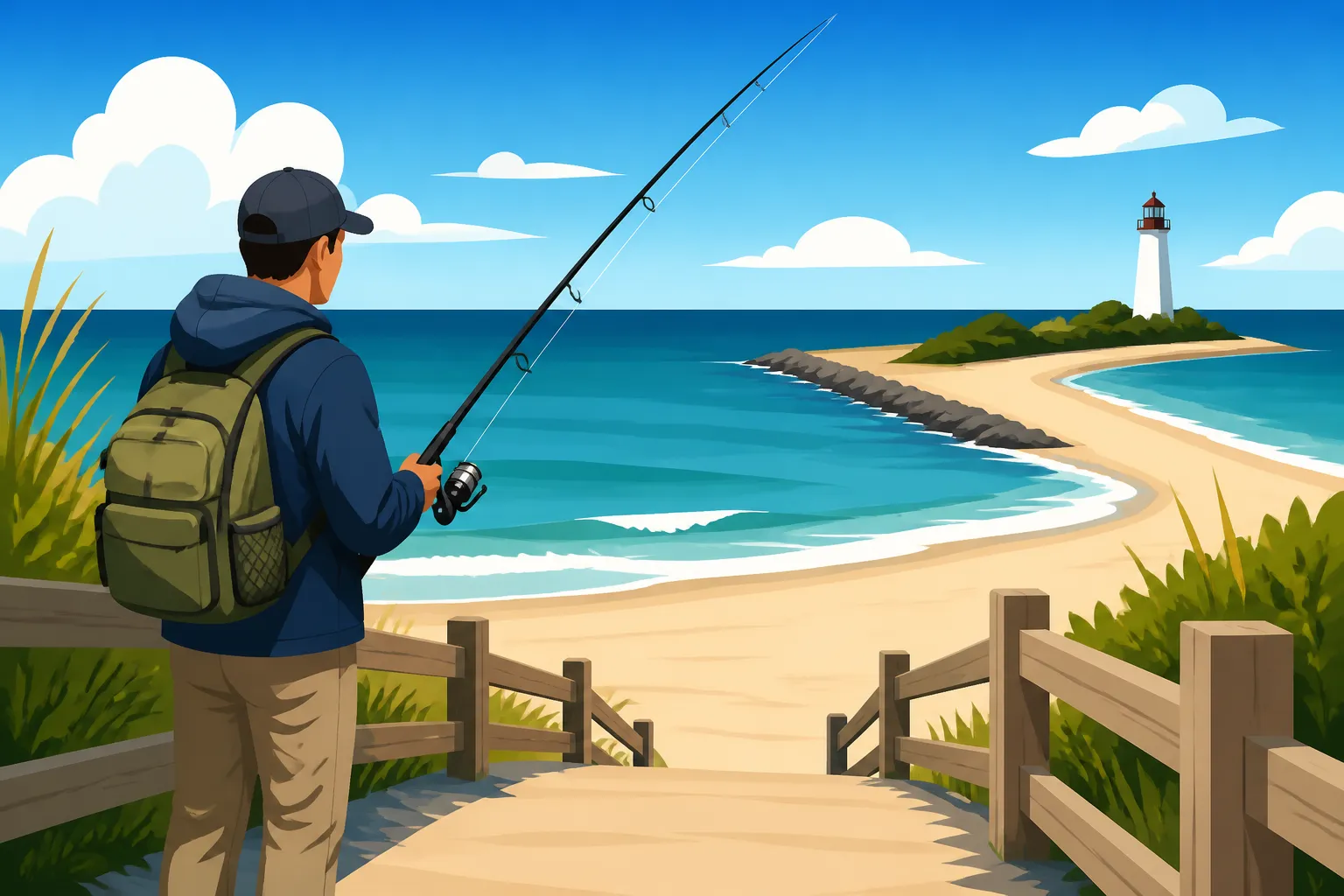
For the majority of anglers, accessing Sandy Hook means utilizing the main paved parking lots and walking onto the beach. During the primary beach season (typically Memorial Day to Labor Day), daily parking fees apply to enter the park, but there are no additional fees just for fishing from the general public beaches. Popular spots include Parking Lot C and D, which offer relatively easy access to the ocean surf. On the bay side, areas like Plum Island and the bayside beaches near the park entrance provide good walking access.
If you arrive before the fee collection booths open or after they close, access is generally free, but always check current park hours and fee schedules as they can change. While fishing is permitted from most accessible shorelines, always be mindful of swimmers and sunbathers during peak hours. Early mornings, late evenings, and the shoulder seasons are often the most productive and least crowded times for shore fishing without specialized permits.
Specific Fishing Locations
Sandy Hook boasts several distinct areas, each with its own fishing character.
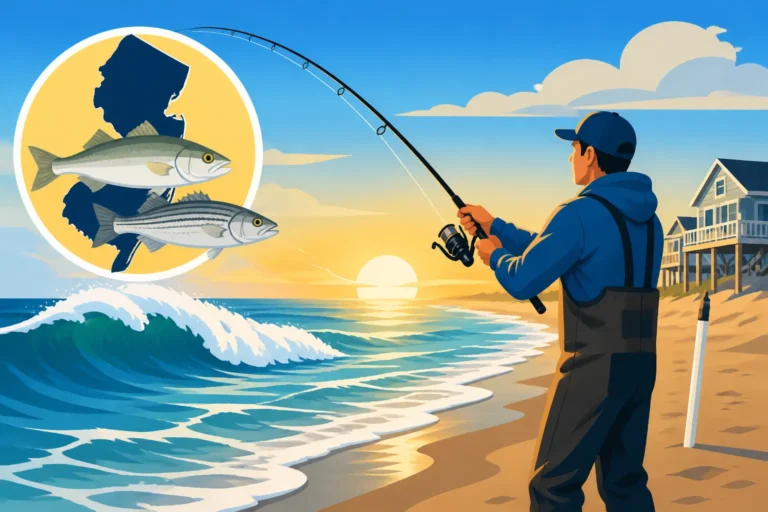
- The Ocean Side: This is the classic surf fishing destination. From the southernmost point of the park all the way up to the northern tip, you'll find miles of sandy beach. Target areas where you see cuts, sloughs, or sandbars – these are natural funnels for bait and predators. Species like striped bass, bluefish, and even some fluke can be caught here, especially when the Seasonal Fish Migration Patterns Along the New Jersey Coast bring them close to shore.
- The Bay Side: Quieter and often shallower, the bay side offers excellent opportunities for fluke, weakfish, and smaller striped bass. Access points are available from various parking lots, and it’s a great option for families or those who prefer calmer conditions. The flats and sloughs here can be incredibly productive, particularly during an outgoing tide.
- Fort Hancock and the North End: This historic area near the tip of the peninsula offers unique fishing opportunities. The strong currents here can concentrate bait, making it a hotspot for striped bass and bluefish. Keep an eye on tide charts; understanding How to Read Tide Charts for Better Fishing in New Jersey is crucial here, as the currents can be quite strong. Access to the very tip can be challenging, often requiring a bit of a walk, but it's worth it for dedicated anglers.
Vehicle Permits for Enhanced Access
For many seasoned Sandy Hook surf fishermen, the ultimate access comes with an Over-Sand Vehicle (OSV) permit. This permit, issued by the National Park Service, allows you to drive your 4×4 vehicle directly onto designated stretches of the beach, significantly expanding your fishing horizons. Imagine driving right to that perfect cut, setting up your rods, and having all your gear easily accessible.
The OSV permit is highly sought after and is typically available on a seasonal basis. There are limited numbers issued each year, and they often sell out quickly. You'll need a legitimate 4×4 vehicle, proper safety equipment (like a tow strap, spare tire, shovel, and tire gauge), and you'll have to adhere to specific rules about driving speeds, designated zones, and proper vehicle operation on the sand. The benefits are immense: access to less-pressured fishing spots, the ability to quickly move with the fish, and a much more comfortable experience, especially when battling the elements. If you're serious about surf fishing at Sandy Hook, investing in an OSV permit is a game-changer. You can find information on obtaining this permit on the Gateway National Recreation Area website. Our guide on Island Beach State Park Surf Fishing Permit Cost offers similar details for another prime New Jersey surf fishing location.
Essential Regulations and Best Practices for Sandy Hook Fishing
Fishing in New Jersey, especially within a national park, requires anglers to be aware of various regulations. It’s not just about protecting the fish; it’s about protecting yourself and the environment around you. Ignorance of the law is never an excuse, and a little preparation can save you a lot of grief.
New Jersey Fishing Licenses and Registries
First things first: you absolutely need a valid New Jersey fishing license if you're targeting freshwater species. While Sandy Hook is primarily saltwater, it's good to know for any other fishing trips in the state. For saltwater fishing, which is what Sandy Hook is all about, you need to register with the New Jersey Saltwater Registry Explained program. This registry is free, but it's mandatory for all recreational saltwater anglers. It helps the state and federal agencies gather crucial data on fishing effort, which in turn informs fisheries management decisions. You can register online quickly and easily. While charter boats and party boats often cover their passengers under a blanket license, if you're fishing from shore, a kayak, or your own private vessel, you are responsible for your own registration. Trust me, it’s a quick process that prevents a lot of headaches, because getting caught without it can lead to Penalties for Fishing Without a License in New Jersey. You can learn more about state requirements in our comprehensive New Jersey Fishing License Guide for 2026.
Specific Rules for Sandy Hook
Beyond the state-wide regulations, Sandy Hook, as a unit of the National Park Service, has additional rules you need to be aware of:
- Bait Restrictions: Some areas might have restrictions on certain types of bait, especially live bait, to prevent the introduction of invasive species or to protect specific habitats. Always check signage at your chosen access point or the park's official website for the latest details.
- Protected Areas: Certain ecologically sensitive areas, like nesting bird colonies or dune restoration sites, may be off-limits to fishing or general access. Respect these closures; they are vital for the health of the ecosystem.
- Wildlife Interaction: While fascinating, remember to keep a respectful distance from wildlife, especially seals, migratory birds, or nesting turtles. Do not feed animals.
- Camping/Fires: Open fires and overnight camping are generally not permitted on Sandy Hook's beaches, with exceptions for specific, designated areas or events.
- Cleanup: As with any fishing spot, practice "Leave No Trace." Pack out everything you pack in, including discarded fishing line, bait containers, and any other trash. Sandy Hook's beauty depends on all of us doing our part.
Respecting Wildlife and the Environment
Fishing at Sandy Hook isn't just a recreational activity; it's an opportunity to connect with a thriving natural environment. That connection comes with a responsibility. When handling fish, particularly if you're practicing catch and release, do so with care to minimize stress on the animal. Use appropriate New Jersey Circle Hook Requirements for Bait Fishing if targeting striped bass with bait. Dispose of all fishing line properly, as it can be deadly to birds and marine mammals. Consider using barbless hooks when possible to facilitate easier release. If you're on the OSV beach, drive carefully and be mindful of pedestrians, wildlife, and the delicate dune ecosystem.
Top Species to Target and Seasonal Considerations
Sandy Hook is a prime location for various gamefish, and knowing what to target and when can significantly improve your success rate. The constantly changing tides and seasons bring different opportunities to the fore.
Saltwater Favorites
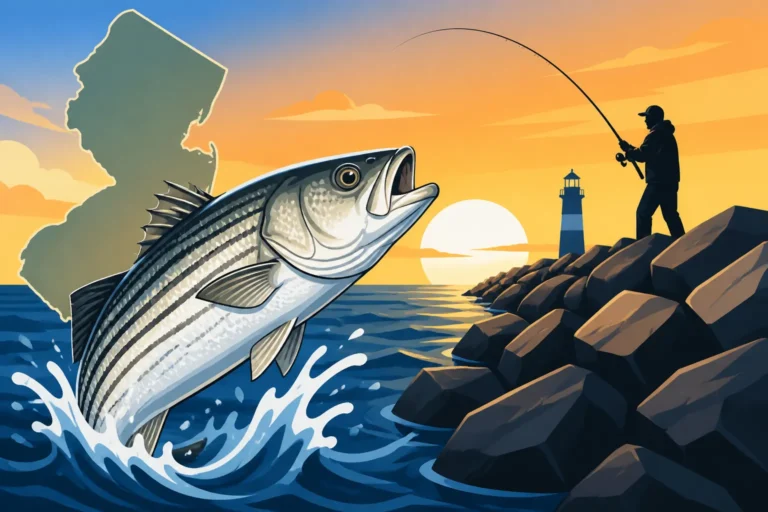
- Striped Bass (Stripers): Without a doubt, the king of Sandy Hook fishing. Stripers migrate along the coast in spring and fall, often pausing to feed in the rich waters around the hook. The spring run (April-June) and fall run (September-December) are peak times, but resident fish can be caught year-round, especially in the bay. Surf casters often use plugs, jigs, and bait like bunker or clams. Be mindful of the New Jersey Striped Bass Slot Limit Explained and other regulations, as these can change.
- Fluke (Summer Flounder): These delicious flatfish are abundant in Sandy Hook's bay waters and shallower ocean surf from May through September. Drift fishing with bucktails tipped with Gulp! or natural bait like spearing and squid is highly effective. Remember to check the New Jersey Fluke Size and Bag Limits Explained before heading out.
- Bluefish: Known for their voracious appetites and fierce fights, bluefish are common visitors, especially during warmer months. They'll readily strike metal lures, poppers, and cut bait. Be prepared for their sharp teeth!
- Weakfish: While their numbers have seen fluctuations, weakfish can still be found, particularly in the bay side and around the Fort Hancock area. They often respond well to soft plastics, jigs, and small baits.
- Other Species: Don't be surprised to encounter black drum, kingfish, croakers, dogfish, and various other species, especially during the warmer parts of the year. The diversity is part of the fun!
Best Times to Visit
The "best" time to fish Sandy Hook really depends on what you're hoping to catch.
- Spring (April – June): This is prime time for the striped bass migration. Big fish move north, and the bay starts to warm up, bringing in fluke. Water temperatures are rising, and baitfish are becoming more active.
- Summer (July – August): Fluke fishing is at its peak in the bay, and bluefish are abundant. Striped bass are still around but often move to deeper, cooler waters during the day, making dawn and dusk the best times for them. Surf fishing can still be good, but be prepared for crowds.
- Fall (September – December): Many consider the fall run the absolute best time for striped bass and bluefish. As baitfish move south, predators follow. The OSV access becomes invaluable during this period to find the feeding schools. The weather can be unpredictable, but the fishing can be epic.
- Winter (January – March): While much slower, dedicated anglers can still find resident striped bass, especially in deeper bay channels or around structures. Winter flounder might also be present in limited numbers. This is a time for solitude and the hardcore angler.
No matter the season, remember that tides, weather, and water temperature play a massive role. It's always a good idea to check local fishing reports before you go.
Here's a quick reference table for common species at Sandy Hook:
| Species | Peak Season | Preferred Habitat | Common Bait/Lures | Notes |
|---|---|---|---|---|
| Striped Bass | Spring (Apr-Jun), Fall (Sep-Dec) | Surf, Inlets, Bay Currents | Plugs, Jigs, Spoons, Live/Cut Bunker, Clams | Dawn/Dusk best, check slot limits |
| Fluke | Summer (May-Sep) | Bay Flats, Shallow Surf | Bucktails with Gulp!, Spearing, Squid, Live Minnows | Drift fishing is highly effective, check size/bag limits |
| Bluefish | Summer (Jun-Oct) | Surf, Inlets, Bay | Metal Lures, Poppers, Cut Bait | Aggressive fighters, sharp teeth |
| Weakfish | Spring/Summer (May-Aug) | Bay Channels, Inlets | Soft Plastics, Jigs, Shrimp, Bloodworms | More sensitive to conditions, delicate bite |
| Kingfish | Summer (Jul-Sep) | Shallow Surf, Sandy Bottom | Small Pieces of Clam, Bloodworms, Fishbites | Great for light tackle, often found close to shore |
If you're ever in doubt about what's biting or where the fish are, local tackle shops like Grumpy's Tackle in Seaside Park or Fisherman's Den in Atlantic City are invaluable resources. They live and breathe New Jersey fishing and can give you the most up-to-the-minute intel. If planning a guided trip elsewhere in the state or looking for specific charter experiences, platforms like FishingBooker offer a wide array of options for connecting with local captains who know the waters intimately, though this guide focuses on making your own way. Whether you're a seasoned pro or just getting your feet wet, Sandy Hook offers an unparalleled angling experience if you come prepared and respect its natural beauty and regulations.
Disclaimer
The information provided in this guide is for general informational purposes only and is subject to change. Fishing regulations, park rules, and seasonal access can vary. Always consult the official New Jersey Department of Environmental Protection (NJDEP) Fish and Wildlife website and the Gateway National Recreation Area official website for the most current and accurate information before planning your fishing trip.