Cape May Canal Fishing Guide
Finding a prime fishing spot in South Jersey that offers diverse opportunities and easy access can sometimes feel like searching for a needle in a haystack, especially when you're tired of crowded beaches or hard-to-reach riverbanks. Thankfully, the Cape May Canal stands out as a true gem, providing anglers of all skill levels a fantastic chance to connect with a wide variety of fish in a dynamic tidal environment. This guide will walk you through everything you need to know to make your next trip to the canal a memorable one.
Why the Cape May Canal is a Premier Fishing Destination
The Cape May Canal isn't just a waterway for boats; it's a vibrant ecosystem that holds incredible appeal for anglers. Its unique characteristics create a rich fishing environment, making it a favorite among locals and a discovery for visitors.
Unique Estuarine Environment
What truly sets the Cape May Canal apart is its fascinating mix of freshwater and saltwater influences, constantly stirred by strong tidal currents. This creates an estuarine environment, a kind of nutrient-rich melting pot where various fish species thrive. On one end, you have the Delaware Bay, bringing in brackish water, and on the other, the Atlantic Ocean, pushing in full-strength saltwater. This constant exchange means that you can find both saltwater favorites like striped bass, fluke, and bluefish, alongside species that tolerate or prefer brackish conditions.
The tidal flow acts like a conveyor belt, bringing in baitfish, crabs, and other food sources that attract larger predatory fish. When the tides really get moving, it churns up the bottom, releasing more food and creating ideal ambush points for fish. This dynamic environment ensures a diverse menu for the fish, and thus, a diverse target list for anglers. It's not just a stagnant ditch; it's a living, breathing waterway that changes with every tide, keeping fishing interesting and challenging.
Accessibility and Convenience
One of the biggest frustrations for many anglers is finding a good spot that isn't a logistical nightmare. The Cape May Canal solves this problem beautifully. It’s incredibly accessible, offering ample shore fishing opportunities along its banks, especially near the various bridges and bulkheads that line the waterway. You don't necessarily need a boat to have a successful day here, which is a huge bonus for many.
There are numerous parking areas dotted along the canal, making it easy to pull up, unload your gear, and get fishing. Public access points, some with paved paths or grassy banks, allow you to spread out and enjoy your time without feeling cramped. For those with kayaks or small boats, there are convenient boat ramps nearby that offer direct access to the canal or the surrounding back bays. This ease of access, combined with its proximity to the charming town of Cape May, means you can easily combine a productive fishing trip with other activities, making it perfect for families or a quick solo outing. It’s a welcome contrast to some of the more remote or permit-restricted fishing spots in the state.
Top Fish Species to Target in the Cape May Canal
The Cape May Canal is a veritable smorgasbord for anglers, with a host of popular game fish making their home or passing through its productive waters throughout the seasons. Knowing what to target and when can drastically improve your chances of a successful outing.
Striped Bass: The Canal's Crown Jewel
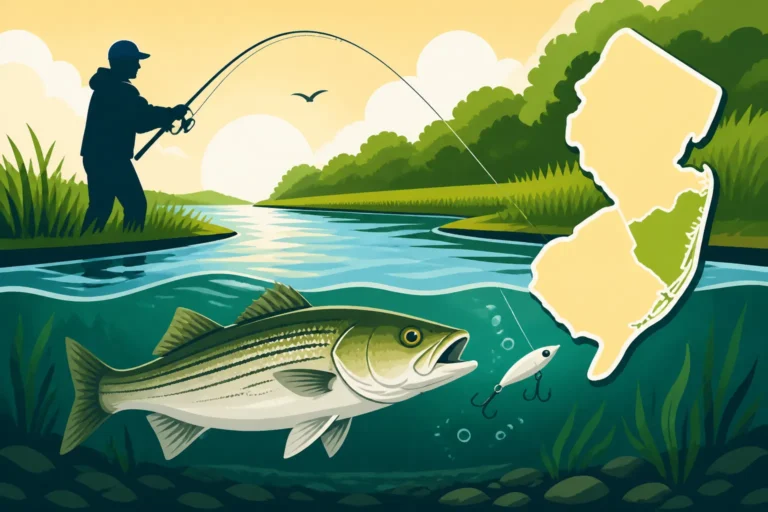
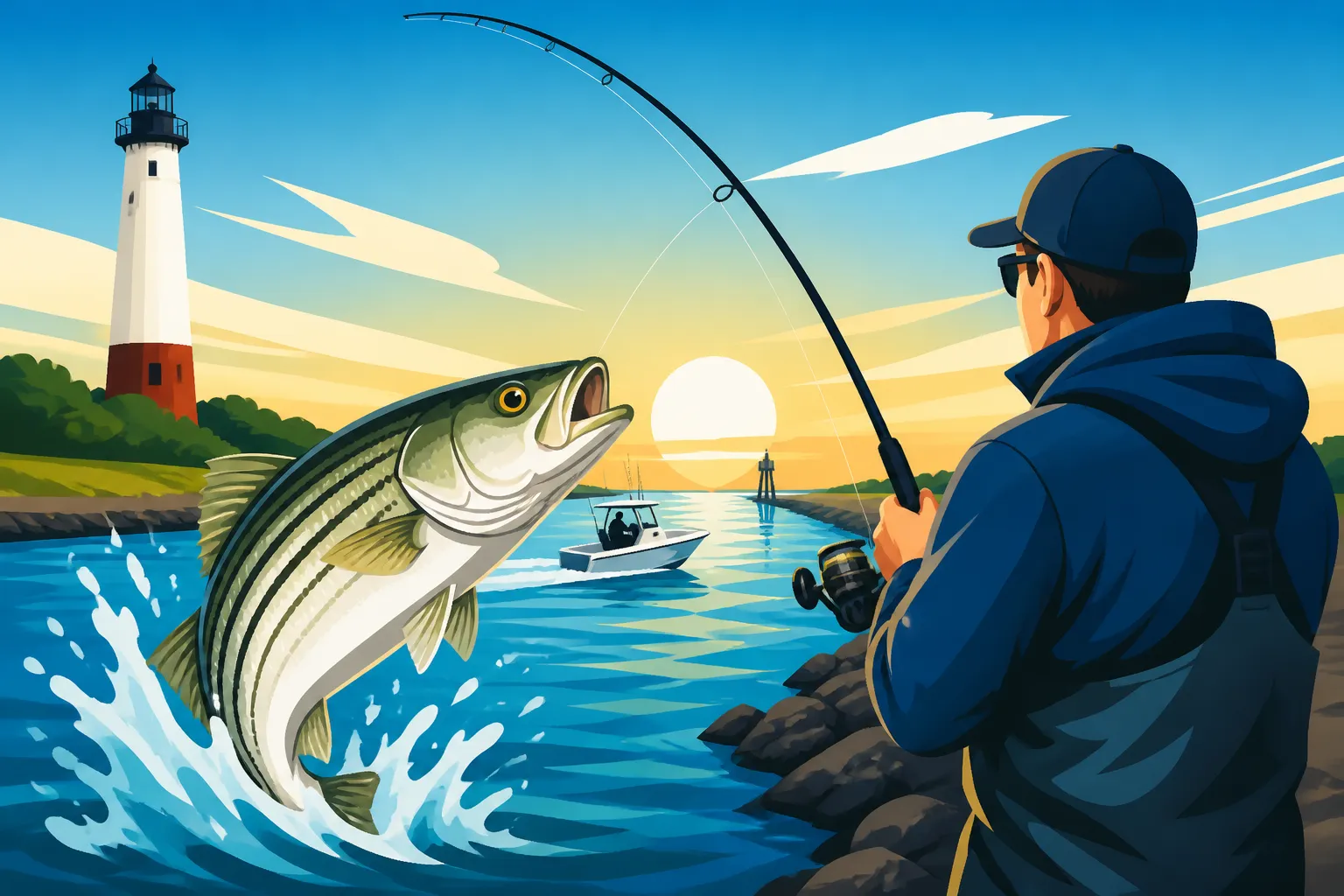
Ah, the striped bass – a true icon of New Jersey fishing, and a species that absolutely thrives in the Cape May Canal. These powerful, hard-fighting fish are present in varying numbers throughout much of the year, with peak seasons in spring and fall during their migratory runs. In spring, as water temperatures rise, stripers move through the canal as they head north or stage for spawning. Fall sees them returning, gorging on baitfish before heading to their wintering grounds.
To target stripers in the canal, focus on areas with strong current breaks, like bridge pilings, jetties, or points where the water eddies. Live bait like eels, bunker, or shedder crabs fished on the bottom or under a bobber can be incredibly effective, especially at night. During the day, casting artificial lures such as bucktail jigs, swimming plugs, or soft plastics can entice a strike. Many anglers find success at dawn, dusk, and throughout the night when stripers are often most active and less wary. Remember, New Jersey has specific regulations regarding striped bass, including a slot limit, so always be sure to check the current rules for the size you can keep. Understanding the nuances of the New Jersey Striped Bass Slot Limit Explained is crucial for any responsible angler.
Fluke and Other Bottom Dwellers
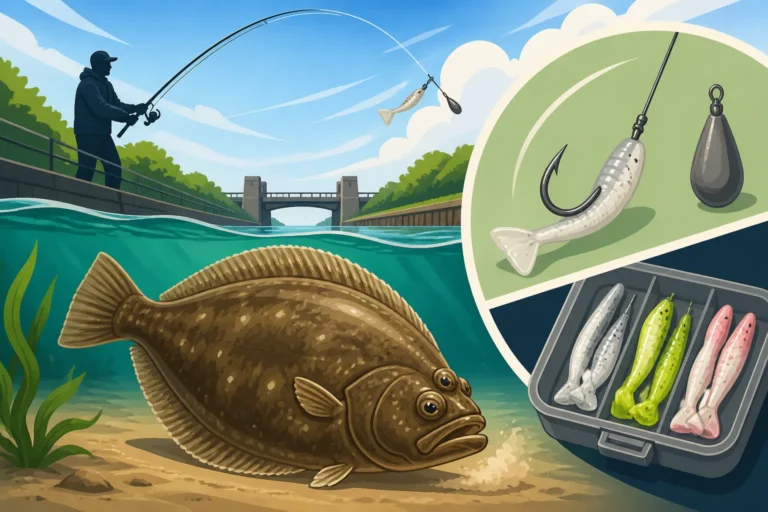
When summer rolls around, the Cape May Canal becomes a hotspot for fluke, also known as summer flounder. These flatfish are masters of camouflage, lying in wait on the bottom to ambush unsuspecting baitfish. While you can find them anywhere along the canal, they tend to congregate in deeper channels, along drop-offs, and in areas where the current creates natural eddies where bait collects.
Drifting with the tide is a classic and effective method for fluke fishing in the canal. You can use a traditional three-way swivel rig with a bucktail or a plain leadhead jig tipped with a Berkley Gulp! artificial bait, a strip of squid, or a spearing. Bouncing your bait along the bottom, mimicking a struggling baitfish, is key. If you're fishing from shore, fan-casting and slowly retrieving can cover a lot of ground. Beyond fluke, you might also encounter kingfish, weakfish, and even some panfish-sized croakers, especially on the calmer, shallower edges of the canal. These bottom-dwelling species offer consistent action, making them perfect targets for a relaxed day of fishing. Always be aware of the New Jersey Fluke Size and Bag Limits Explained to ensure your catch is legal.
Bluefish and Other Aggressive Predators
If you're looking for a fight and some fast action, the Cape May Canal can deliver bluefish in spades, particularly during the warmer months. These toothy predators are known for their aggressive strikes and powerful runs. They often move through the canal in schools, chasing baitfish, and when a "bluefish blitz" occurs, the fishing can be absolutely furious. You'll see them churning the water, often indicated by diving birds.
Spinning gear with stout leaders is a must, as bluefish teeth can easily sever lighter lines. Metal spoons, poppers, and subsurface swimming plugs are all excellent choices for lures. If using bait, consider chunked bunker or mackerel, but be prepared for rapid-fire action and potentially losing some tackle to their sharp choppers. While not as common in the canal, you might also hook into smaller species like Spanish mackerel or even an occasional small shark, especially closer to the inlets, adding to the thrill. The key with bluefish is to keep your tackle strong and your wits about you – they're not subtle!
Essential Gear and Techniques for Cape May Canal Fishing
Having the right tools and knowing how to use them can make all the difference between a frustrating day and a fantastic one on the Cape May Canal. The canal's diverse fishing opportunities mean a versatile setup is often beneficial.
Rods, Reels, and Line for Canal Fishing
For the variety of species you'll encounter in the Cape May Canal, a medium to medium-heavy spinning rod, roughly 7 to 9 feet in length, is a solid all-around choice. This length provides enough casting distance for shore anglers and good leverage for fighting fish from a boat or kayak. Pair it with a reliable spinning reel in the 3000-5000 size range, capable of holding 200-300 yards of line. You want a reel with a smooth drag system, as even a modest striper or bluefish can put up a serious battle.
When it comes to line, braided line is a popular choice for its sensitivity and strength-to-diameter ratio. A 20-30 lb test braid is generally sufficient. Always tie on a fluorocarbon or monofilament leader, usually 20-40 lb test, depending on your target species and the presence of toothy critters like bluefish. This leader provides abrasion resistance and can be less visible to wary fish. For those just starting out, a good quality pre-spooled combo often suffices, but remember, investing in decent gear means it will stand up better to the saltwater environment. If you're looking for recommendations, check out a guide on Best New Jersey Fishing Gear for Beginners.
Baits and Lures That Get Bites
The Cape May Canal offers a smorgasbord of bait and lure options, and the most successful anglers often carry a variety to adapt to changing conditions and target species.
- Live Bait: For striped bass and fluke, live bait is often king. Live eels are deadly for stripers, especially at night. Fresh bunker (menhaden), spearing, or killifish are excellent choices for fluke and smaller species. If you can get your hands on shedder crabs, they are irresistible to stripers and tautog.
- Cut Bait: Chunked fresh bunker, mackerel, or even frozen squid are great for bottom fishing, attracting everything from fluke to kingfish and small stripers. Rig these on a fish-finder rig or a simple high-low rig.
- Artificial Lures:
- Bucktail Jigs: These are legendary for fluke and effective for stripers. Tip them with Gulp! Swimming Mullets or a strip of squid for added appeal. White, chartreuse, and pink are perennial favorites.
- Soft Plastics: Paddle tails, shad bodies, and worm imitations rigged on jig heads are versatile for fluke, weakfish, and smaller stripers. Colors like white, pink, and chartreuse are strong performers.
- Plugs and Poppers: Topwater poppers and subsurface swimming plugs are exciting options for bluefish and stripers, especially when they are actively feeding on the surface or near the banks. Colors mimicking local baitfish are always a good bet.
Don't be afraid to experiment! Sometimes the fish have a strong preference, and what worked yesterday might not work today.
Mastering the Tides and Currents
Understanding the tides and currents in the Cape May Canal isn't just helpful; it's absolutely crucial for consistent success. The canal is a tidal artery, and the movement of water dictates everything from fish behavior to bait presentation. Ignoring the tides is like trying to drive a car without steering – you won't get far.
- Incoming Tide: As the tide pushes into the canal from either the bay or the ocean side, it brings in cooler, cleaner water and fresh bait. Fish often become more active on the incoming tide, moving into shallower areas to feed. For fluke, the beginning and middle of the incoming tide can be excellent for drifting.
- Outgoing Tide: The outgoing tide can also be highly productive, as it flushes baitfish out of the backwaters and into the canal's main channel, concentrating them for predators. Striped bass often stack up on the edges of strong current lines, waiting to ambush anything that washes by.
- Slack Tide: This is the period when the water movement is minimal, occurring at high tide and low tide. While often less productive for active feeders like stripers and bluefish, it can sometimes be a good time to target bottom dwellers like fluke, as the calmer water allows them to settled into their ambush points.
A good practice is to consult a local tide chart before your trip. Knowing when the tide will turn and how strong the currents will be will help you plan your fishing spots and techniques. For a deeper dive into this topic, refer to How to Read Tide Charts for Better Fishing in New Jersey. Remember, the Cape May Canal is known for its robust currents, so be prepared to use heavier sinkers or jigs to hold your bait in place, especially during peak tidal flow.
Prime Fishing Spots Along the Cape May Canal
The beauty of the Cape May Canal lies in its diverse access points, offering unique fishing opportunities for shore anglers, kayakers, and small boat owners alike.
The Concrete Walls and Bulkheads
Many sections of the Cape May Canal are lined with concrete walls and bulkheads, particularly around residential areas and bridges. These structures offer fantastic shore fishing access. You can often find a comfortable spot to set up your rod holders, a cooler, and settle in for a day or night of fishing. The deep water right along these bulkheads provides excellent habitat for striped bass, especially at night when they hug the structure looking for bait.
When fishing these areas, try dropping live or cut bait directly down the wall or casting parallel to it. The current often creates eddies and scour marks right at the base of these structures, which are prime ambush points. For fluke, fan-cast away from the wall and work your bucktails or bait rigs back slowly. During the fall run, you might even see bluefish blitzing right along these walls, providing frantic topwater action. Always be mindful of private property signs, but rest assured there are many public access points that make this an ideal way to fish. For those considering a guided trip nearby, looking at resources like FishingBooker might help you find local captains familiar with these specific structures, even if they're fishing from a boat.
Bridges and Inlets
The bridges spanning the Cape May Canal are magnets for fish. Bridge pilings create strong current breaks and provide structure for baitfish to hide, which in turn attracts predatory species. The areas immediately adjacent to the bridges, both upstream and downstream, are often teeming with life. Casting parallel to the bridge structure, or allowing your bait to drift under the bridge with the current, can be highly effective for stripers and bluefish.
The two ends of the canal, where it connects to the Delaware Bay and the Atlantic Ocean, act as natural inlets. These points experience some of the strongest currents and deepest water, making them prime locations for migratory fish. During spring and fall, these inlet areas can be incredible for striped bass. During summer, large fluke and bluefish frequently stage here, especially during outgoing tides when bait is being flushed out. Be cautious of boat traffic, particularly near the main channels and ramps. FishingBooker can also be a valuable resource for finding nearby charters that specifically target the species that congregate around these crucial canal entrances.
Kayak and Small Boat Access
While shore fishing is popular, having a kayak or small boat opens up even more possibilities on the Cape May Canal. Kayak fishing allows you to cover more water, reach areas inaccessible from shore, and position yourself precisely on structure or current seams. There are several public ramps in the Cape May area that provide access, allowing you to launch directly into the canal or nearby back bays that feed into it.
From a kayak, you can slowly drift the canal for fluke, working bucktails or Gulp! baits along the bottom. You can also target stripers by casting plugs or soft plastics towards structure, or by slowly trolling live bait. Being able to move quietly and cover ground allows you to explore the subtle nuances of the canal, finding deeper holes or oyster beds that might hold fish. Remember safety first: always wear a PFD, carry a whistle, and be aware of boat traffic, especially in the narrower sections or near the inlets where currents can be strong. Learning more about Best Kayak for Bay Fishing can help you choose the right vessel for exploring these waters.
Regulations and Best Practices for Cape May Canal Fishing
Fishing in New Jersey, including the Cape May Canal, comes with a set of rules and best practices designed to protect fish populations and ensure a sustainable fishery for everyone. Ignorance of these rules is no excuse, so being informed is key to a smooth and enjoyable trip.
Understanding New Jersey Fishing Licenses and Registries
Before you even make your first cast, you need to ensure you're legally permitted to fish in New Jersey waters. For freshwater fishing (which is less common directly in the canal but applies to some nearby brackish areas), you’ll need a valid New Jersey freshwater fishing license. For saltwater fishing, which the Cape May Canal largely falls under, residents and non-residents are typically required to register with the New Jersey Saltwater Registry Program.
The good news is that the New Jersey Saltwater Registry Is Free to Join, and it's a relatively straightforward process online. However, it's a separate requirement from a traditional fishing license. There are exemptions, of course, for certain age groups (like very young children or older seniors) or specific situations. For a comprehensive overview of all the requirements, it's always best to consult the official New Jersey Fishing License Guide for 2026 and familiarize yourself with what applies to your specific situation. Don't forget, you also need to carry proof of your license or registration whenever you're fishing.
Respecting Bag and Size Limits
Fish populations are managed through specific bag and size limits, which dictate how many fish of a certain species you can keep and their minimum or maximum length. These limits are subject to change based on scientific assessments and conservation efforts, so what was legal last year might not be legal this year. It’s absolutely critical to stay informed.
Species like striped bass and fluke have specific slot limits or minimum sizes that must be adhered to. For example, knowing the New Jersey Striped Bass Slot Limit Explained is vital, as keeping a fish outside that slot can result in heavy penalties. The same goes for fluke, where the New Jersey Fluke Size Limit: 18 Inches has been in effect, although limits can change. Always carry a measuring device and be honest with yourself about your catch. If a fish is undersized, release it gently and quickly to give it the best chance of survival. Releasing fish responsibly is a cornerstone of conservation. Additionally, keep an eye on how many rods you're using; there are rules about How Many Fishing Rods Can You Use at Once in New Jersey? for different types of fishing.
Practicing Catch and Release and Conservation
While keeping a legal catch for dinner is a wonderful part of fishing, practicing responsible catch and release, especially for undersized fish or species you don't intend to keep, is paramount for conservation. Handle fish gently, minimize their time out of the water, and use appropriate tools like de-hookers to remove hooks quickly. Consider using circle hooks when bait fishing, as they often result in a hook set in the corner of the mouth, reducing gut-hooking and improving survival rates.
Beyond individual actions, be mindful of your impact on the environment. Pack out all your trash, including fishing line and bait containers. Avoid damaging sensitive habitats like marsh grasses or oyster beds. If you're crabbing in the canal, remember there are New Jersey Crabbing License Requirements and specific rules about keeping female crabs or those below a certain size. By being a responsible angler, you contribute to the health and longevity of the Cape May Canal's fishery for generations to come.
Cape May Canal Fishing Opportunities At A Glance
| Species | Best Season | Recommended Baits/Lures | Notes |
|---|---|---|---|
| Striped Bass | Spring, Fall | Live eels, bunker, swimming plugs, bucktails | Target at dawn/dusk/night, near structure |
| Fluke | Summer | Gulp! Swimming Mullets, squid strips, bucktails | Drift fishing is effective, focus on depths |
| Bluefish | Summer, Early Fall | Metal spoons, poppers, chunk bait | Aggressive, use strong leaders |
| Weakfish | Spring, Summer | Soft plastics, spearing, live shrimp | Often found with fluke, delicate bite |
| Kingfish | Summer | Small pieces of clam, shrimp, bloodworms | Good for light tackle, bottom feeders |
Disclaimer
Please note that fishing regulations, including bag limits, size limits, and seasons, can change frequently. While we strive to provide the most current information, it is the angler's responsibility to consult the latest New Jersey Fish and Wildlife Digest or their official website before heading out to fish.