Fishing the Musconetcong River for Trout
Finding a fantastic trout stream in New Jersey that offers both plentiful stocked fish and the thrill of potentially hooking a wild native can feel like searching for a hidden gem. Many anglers get frustrated trying to decipher complex regulations or find accessible, productive stretches of water. This comprehensive guide is here to cut through the confusion and lead you straight to the heart of the action on the Musconetcong River, a true angler's paradise for trout enthusiasts.
Why the Musconetcong River is a Trout Angler's Dream
The Musconetcong River isn't just another waterway; it's a vibrant ecosystem that consistently ranks among New Jersey's top trout fishing destinations. Its diverse character, from swift, rocky runs to placid, deeper pools, provides an ideal environment for trout throughout the year.
A Legacy of Excellent Trout Habitat
Stretching from Lake Hopatcong in the Highlands region all the way to the Delaware River near Riegelsville, the Musconetcong boasts attributes critical for trout survival and growth. The upper and middle sections, in particular, are characterized by cold, clean, oxygen-rich water that tumbles over rocky bottoms and gravelly riffles. This natural structure creates perfect holding lies for trout, offering both cover from predators and ambush points for insects and baitfish. The river's robust insect populations, including various caddisflies, mayflies, and stoneflies, provide a constant food source, contributing to the health and vitality of both wild and stocked fish. Anglers often appreciate the natural beauty of the surrounding landscape, with lush woodlands and rolling hills that make a day on the "Musky" a true escape.
Consistent Stocking Efforts
One of the primary reasons the Musconetcong River shines for trout anglers is the New Jersey Division of Fish and Wildlife's aggressive and consistent stocking program. Each spring and fall, the river receives tens of thousands of trout, primarily healthy rainbow trout and brown trout, with some brook trout mixed in. These stocking efforts ensure that even novice anglers have a good chance of success, especially in the weeks immediately following the stocking dates. The fish are distributed across numerous public access points, making it convenient for anglers to find fresh opportunities. While freshly stocked fish might be less wary, the river also holds over good numbers of trout from previous stockings, which grow larger and become more challenging and rewarding to catch. You can often find specific details about these stockings, including locations and dates, by checking the annual Reading the New Jersey Fish and Wildlife Digest.
Accessible Sections for Every Angler
Whether you prefer the solitude of wading through remote stretches or the convenience of roadside access, the Musconetcong offers it all. Starting near its headwaters in Netcong, the river flows through a mix of public lands, including Allamuchy Mountain State Park and Stephens State Park, offering ample parking and trails. Further downstream, towns like Hackettstown, Asbury, and Washington provide additional access points, often with parking close to the riverbank. Even those with limited mobility can find sections near bridges or designated fishing areas that allow for easy entry. This blend of wild beauty and angler-friendly access is a significant draw, ensuring that everyone, from families with young children to seasoned fly anglers, can find a spot to enjoy.
Navigating Musconetcong River Regulations and Seasons
Understanding the specific rules for trout fishing on the Musconetcong River is paramount. New Jersey has a nuanced approach to trout management, and different sections of the river can have different regulations. Ignoring these can lead to fines, so it’s always wise to be prepared.
Understanding Trout Management Zones
The Musconetcong River, like many of New Jersey's premier trout waters, is divided into various management zones, each with its own set of rules regarding tackle, bait, and harvest. For instance, much of the river is classified as "Seasonal Trout Stocked Waters," where standard statewide regulations apply. This usually means a specific opening day, daily bag limits, and minimum size requirements, allowing for both bait and artificial lures. However, certain sections might fall under "Trout Conservation Areas" (TCA) or "Fly Fishing Only" (FFO) regulations, which often feature stricter limits, such as catch-and-release only, or restrictions to artificial lures with single barbless hooks.
For example, the section from Saxton Falls downstream to the Route 513 bridge in Changewater is often managed under specific rules designed to protect larger, holdover trout. These specialized zones are designed to enhance the quality of the fishing experience, but they require anglers to pay close attention to the details in the annual New Jersey Fish and Wildlife Digest. Always consult the most current regulations before heading out, especially if you're exploring a new stretch of the river.
Key Dates for Opening Day and Fall Stocking
The trout fishing calendar in New Jersey revolves around a few critical dates. The statewide opening day of trout season, typically in early April, is a much-anticipated event, marking the beginning of the spring stocking period. This is when the river is flush with freshly stocked rainbows and browns, offering fast action. Before this date, many trout streams, including sections of the Musconetcong, are subject to a "preseason closure," meaning fishing for trout is prohibited until opening day to allow for stocking without angler interference. This closure is explained further in the topic Why Are New Jersey Rivers and Streams Closed Before Opening Day?.
Beyond spring, the fall stocking period, usually commencing in mid-October, provides another excellent opportunity to catch trout. These cooler months are often preferred by anglers who enjoy fewer crowds and vibrant autumn foliage. The fish stocked in the fall often have a higher survival rate through the winter, contributing to the populations of holdover trout for the following year. Knowing these dates helps you plan your trips for the best chances of success.
License and Trout Stamp Essentials
Let's not forget the basics: before you even think about wetting a line in the Musconetcong, you absolutely need a valid New Jersey fishing license. This isn't just a suggestion; it's a legal requirement for anyone 16 years of age or older. On top of that, if you plan to fish for trout, you'll also need to purchase a New Jersey Trout Stamp. This stamp is an additional permit that directly funds the state's trout stocking and management programs, ensuring the resource remains healthy for future generations.
Both the license and the trout stamp can be easily purchased online through the NJ Fish and Wildlife website, or at authorized license agents like bait shops and sporting goods stores across the state. It's always a good idea to carry physical or digital proof of your license and trout stamp whenever you're fishing. For more detailed information, check out our guide on New Jersey Trout Stamp Requirements Explained. Remember, fishing without the proper documentation can result in hefty fines, so don't let a simple oversight ruin your day on the water.
Here's a quick overview of some key trout regulations you might encounter on the Musconetcong, though specifics can change annually:
| Regulation Type | Typical Daily Limit | Minimum Size | Applicable Sections | Common Bait/Lure Rules |
|---|---|---|---|---|
| Seasonal Trout Stocked Waters | 4 trout (April-May) | 9 inches | Most of the Musconetcong River | Bait, artificial lures |
| 2 trout (June-Dec) | ||||
| Trout Conservation Area (TCA) | 1 trout (March 1-31) | 15 inches | Specific designated stretches | Artificial lures only, single hook |
| Catch & Release (Apr-Dec) | ||||
| Fly Fishing Only (FFO) | Catch & Release | N/A | Very specific, shorter sections | Fly fishing tackle, single barbless hook |
Always refer to the current New Jersey Fish and Wildlife Digest for the most up-to-date and exact regulations.
Effective Techniques and Baits for Musconetcong Trout
The Musconetcong River offers varied fishing conditions, which means employing different techniques and baits can significantly improve your success. Whether you're a seasoned fly angler or prefer the simplicity of spin fishing, there's a method that works.
Fly Fishing Strategies for Wild and Stocked Trout
For many, fly fishing on the Musconetcong is the quintessential trout experience. The river's healthy insect populations make it a prime location for various fly patterns. In spring, when caddis and mayflies are abundant, nymphing techniques are often highly effective. Dead drifting small bead-head nymphs like Pheasant Tails, Hare's Ears, and Prince Nymphs through riffles and into deeper pools can entice both stocked and wild trout. When hatches are active, especially during warmer afternoons, switching to dry flies like Elk Hair Caddis, Adams, or Hendrickson patterns can lead to exhilarating topwater strikes.
Later in the season, or when targeting larger, more aggressive trout, streamers can be incredibly effective. Patterns such as Woolly Buggers (in black, olive, or brown) or larger Sculpin patterns stripped through deeper runs and around structure can imitate baitfish, provoking a territorial strike. For those specifically targeting wild trout, often found in the colder, more secluded upper reaches, matching the hatch precisely and presenting a delicate dry fly presentation is key. Many anglers find success using a lightweight fly rod, typically a 3-weight or 4-weight, between 7.5 to 9 feet long, paired with a floating line. Understanding Nymphing Techniques for Trout Streams can significantly boost your catch rate.
Spin Fishing Tactics and Recommended Lures
Spin fishing offers a highly effective and often more accessible way to catch trout on the Musconetcong. The key is to use light tackle and lures that mimic natural prey or stimulate a strike response. Small inline spinners, such as Panther Martins, Mepps Aglias, or Rooster Tails, in sizes #0 to #2, are perennial favorites. Colors like gold, silver, and fire tiger tend to work well in various water conditions. Cast these upstream and retrieve them just fast enough to get the blade spinning, allowing them to drift naturally through runs and pools.
Small crankbaits or jerkbaits, particularly those designed for trout, can also be deadly. Brands like Rapala (CD series or X-Raps) or Berkley (Flicker Shads) in natural or bright colors can be effective, especially when twitched through deeper pockets. Soft plastics, such as small trout worms or minnow imitations on a light jig head, can also produce, especially when fished slowly along the bottom. Light spinning rods (6-7 feet, ultralight to light action) paired with small reels spooled with 4-6 pound test monofilament or fluorocarbon line are ideal for presenting these smaller lures and feeling subtle bites.
Best Natural Baits for Success
For many anglers, especially those just starting out or fishing immediately after a stocking event, natural baits are the most reliable option on the Musconetcong. Live garden worms or nightcrawlers, fished on a small hook (size 8-12) with a minimal split shot weight, are universally effective. The natural scent and movement of a worm are irresistible to trout, particularly those recently introduced to the river.
PowerBait, a dough-like trout bait available in various colors and scents, is another go-to, particularly the "PowerBait Trout Nuggets" or "PowerBait Power Eggs." Chartreuse, rainbow, and white are popular colors. Mold a small ball around your hook, letting it float off the bottom with a small sinker above it. Corn kernels, while perhaps less common for wild fish, can be surprisingly effective for stocked trout that have been raised on similar pellet feeds. A few kernels on a small hook can often tempt cautious fish. These baits are typically fished with a similar light spinning setup as lures, allowing for sensitive detection of bites.
Prime Fishing Spots Along the Musconetcong River
The Musconetcong River spans a considerable length, offering a variety of fishing experiences from its headwaters to its confluence with the Delaware. Knowing where to focus your efforts can make all the difference.
Upper River Sections and Hidden Gems
The upper reaches of the Musconetcong River, particularly above Hackettstown, tend to be narrower, shallower, and often colder due to their proximity to the source and abundant spring feeds. These sections often hold a higher concentration of wild brown and brook trout, making them particularly appealing to fly anglers seeking a more challenging and rewarding experience. Areas within or adjacent to Allamuchy Mountain State Park and Stephens State Park provide excellent public access, with numerous trails leading to secluded stretches.
Look for areas with dense overhanging trees that provide shade and cover, as well as plenty of rocky structure and riffles. These less-pressured spots require more walking but often reward anglers with healthier, more vibrant fish. The water here is typically very clear, demanding stealthy approaches and delicate presentations, especially when dry fly fishing. Don't be afraid to explore off the beaten path; some of the best fishing often lies a short hike from the nearest parking area.
Mid-River Hotspots and Public Access
The mid-section of the Musconetcong, roughly from Hackettstown down through Bloomsbury, is where the river widens and deepens, becoming the focal point for the heaviest stocking efforts. This means more fish and generally easier access. Towns like Hackettstown offer several popular spots, including sections near River Road, which are routinely stocked. Waterloo Village, a historic site, also offers public access to a beautiful stretch of the river with a mix of pools and runs.
Further downstream, areas around Stephensburg and Point Mountain are well-known for their excellent trout fishing, with good public access often maintained by the state. These sections are ideal for both spin and fly anglers, offering diverse water types. You'll find long, slow-moving pools where larger trout might hold, as well as faster riffles perfect for drifting nymphs or spinners. These are excellent places to bring the family, with plenty of room for multiple anglers and generally predictable action after a stocking event. For more options in the area, consider exploring New Jersey's Best Freshwater Lakes for Fishing nearby.
Lower River Opportunities and Larger Pools
As the Musconetcong River flows towards its confluence with the Delaware River, particularly below Washington and through the scenic area of Pohatcong Township, it generally becomes wider and sometimes slower. While these sections might experience slightly warmer water temperatures in the peak of summer, they can still hold excellent trout, especially during the cooler spring and fall months. The lower river often features larger, deeper pools and broader runs, which can be ideal for targeting holdover trout that have grown significantly.
Public access might be a bit more fragmented in some lower sections, but key points exist, often near bridges or small municipal parks. Look for areas with significant structure like fallen trees, undercut banks, or large boulders that create natural hiding spots for fish. These areas can be productive for anglers using larger streamers or bait, aiming for a trophy-sized trout that has adapted to the river's conditions.
Essential Gear for Your Musconetcong River Adventure
Having the right gear makes your day on the Musconetcong more comfortable, safer, and ultimately more successful. You don't need to break the bank, but a few key items are indispensable.
Rod, Reel, and Line Recommendations
For most trout fishing on the Musconetcong, lighter tackle is generally preferred. If you're spin fishing, an ultralight to light action spinning rod, around 6 to 7 feet in length, is ideal. This rod size provides enough backbone for casting small lures or baits while maintaining the sensitivity needed to detect subtle trout bites. Pair this with a small spinning reel (size 1000-2000 series) spooled with 4 to 6-pound test monofilament or fluorocarbon line. Fluorocarbon is excellent for its low visibility and abrasion resistance, especially in clear water.
For fly fishing, a 3-weight or 4-weight fly rod, typically 7.5 to 9 feet long, is perfect for the Musconetcong's varied conditions. This allows for delicate presentations with dry flies while still having enough power to cast nymphs and small streamers. A matching floating fly line is standard, and having a tapered leader (7.5 to 9 feet, 4X-6X) will help with presentation. Having a selection of tippet material in various sizes is also crucial for adapting to different fly patterns and water conditions.
Wading Safety and Apparel
Wading the Musconetcong River can be an incredibly effective way to access prime fishing spots and present your offerings naturally. However, safety should always be your top priority. A good pair of breathable chest waders (neoprene in colder months) will keep you dry and comfortable. Crucially, invest in high-quality wading boots with felt soles or rubber soles with studs for superior grip on slippery rocks. The Musconetcong's bottom can be quite uneven and slick, so proper footwear is non-negotiable.
Always wear a wading belt, even if your waders don't come with one. This cinches the waders around your waist, preventing them from filling completely with water if you stumble. A wading staff is also a highly recommended safety tool, providing an extra point of contact and stability, especially when crossing deeper or faster sections. Dress in layers to adapt to changing weather conditions, and always wear polarized sunglasses to reduce glare and help you spot fish or underwater structure.
Tools for Success
Beyond your basic rod, reel, and line, a few essential tools can significantly enhance your Musconetcong trout fishing experience. A landing net, preferably one with a rubberized mesh (which is gentler on fish and prevents hooks from snagging), is crucial for safely landing and releasing trout, particularly if you're practicing catch and release. This minimizes stress on the fish.
Forceps or pliers are invaluable for quickly and safely removing hooks from a trout's mouth, especially if you're using barbless hooks. A small tackle box or vest to organize your lures, flies, extra line, and other small accessories will keep everything within easy reach. Finally, consider carrying a small pair of line clippers or nail clippers, and perhaps a small scale and measuring tape if you're interested in documenting your catches.
Respecting the Resource and Practicing Conservation
As anglers, we have a responsibility to protect and conserve the precious resources that the Musconetcong River provides. By following ethical practices, we ensure that the river remains a vibrant fishery for future generations.
Catch and Release Best Practices
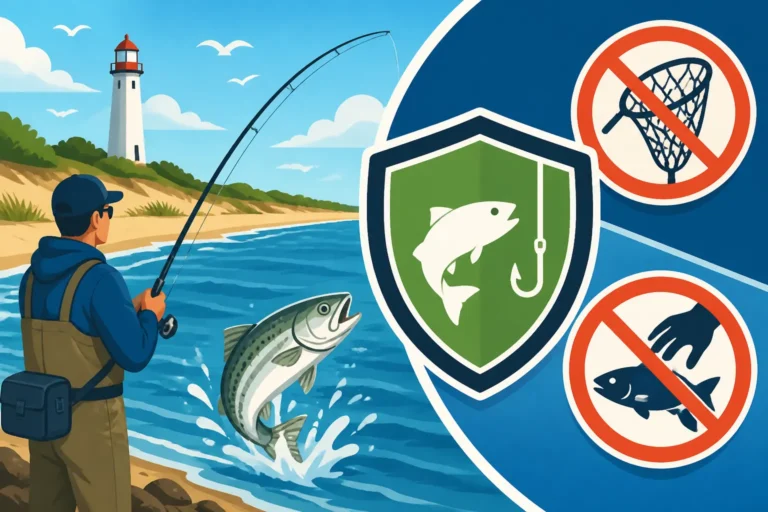
While some sections of the Musconetcong allow for keeping trout, many anglers, especially fly fishermen, choose to practice catch and release, particularly for larger or wilder fish. If you plan to release fish, it's vital to do so responsibly to maximize their survival rate. Minimize the time the fish is out of the water; ideally, keep it submerged while unhooking. Handle the fish gently with wet hands, avoiding squeezing or touching its gills. Use needle-nose pliers or forceps to remove the hook quickly.
If the fish is deeply hooked, it's sometimes best to cut the line as close to the hook as possible rather than tearing the fish's delicate internal organs. When releasing, hold the fish upright in the water, facing upstream, until it regains its strength and can swim away on its own. Never toss or drop a fish back into the water. These practices are especially important for species like brown trout and brook trout, which may represent natural reproduction in the river. You can learn more about Catch and Release Rules in New Jersey through the state's guides.
Leaving No Trace
One of the fundamental principles of outdoor ethics is to "leave no trace." This means packing out everything you pack in, and perhaps even picking up any litter you find left behind by others. Fishing lines, bait containers, snack wrappers, and discarded hooks can be harmful to wildlife and detract from the natural beauty of the river. Always dispose of your trash properly.
Additionally, be mindful of your impact on the riverbank and surrounding vegetation. Stick to established paths whenever possible, and avoid trampling delicate plants. If you're fishing in more remote areas, be aware of private property boundaries and always seek permission before accessing private land. Respecting the environment around the river ensures that its pristine character is preserved for all.
Reporting Violations
Unfortunately, not everyone adheres to responsible angling practices. If you witness poaching, pollution, or other environmental violations on the Musconetcong River, it's important to report it to the proper authorities. The New Jersey Division of Fish and Wildlife's Conservation Police Officers are responsible for enforcing fishing regulations and protecting the state's natural resources.
Knowing How to Report a Fishing Violation in New Jersey is a crucial part of being a good steward. Gather as much information as possible, such as the date, time, location, a description of the individuals or vehicles involved, and the nature of the violation, and then contact the NJDEP hotline or local Conservation Police office. Your actions can help protect the Musconetcong River and its fish populations for everyone to enjoy.
Disclaimer
Please note that fishing regulations, stocking schedules, and access points can change. Always consult the most current New Jersey Fish and Wildlife Digest or their official website before planning your fishing trip to the Musconetcong River. This guide is for informational purposes only and should not replace official state resources.