How to Find New Jersey’s Best Fishing Spots Using the State Stocking Map
Ever feel like you’re playing a constant guessing game when it comes to finding the best fishing spots in New Jersey? It's a common frustration. You spend hours researching, packing gear, only to arrive at a seemingly perfect spot that yields nothing but frustration. What if there was a powerful, free tool right at your fingertips that could give you a real edge? This comprehensive guide is going to peel back the layers on one of the most underutilized resources for New Jersey anglers: the state's fish stocking map, and show you exactly how to use it to consistently find productive waters.
Understanding the New Jersey Fish and Wildlife Stocking Map
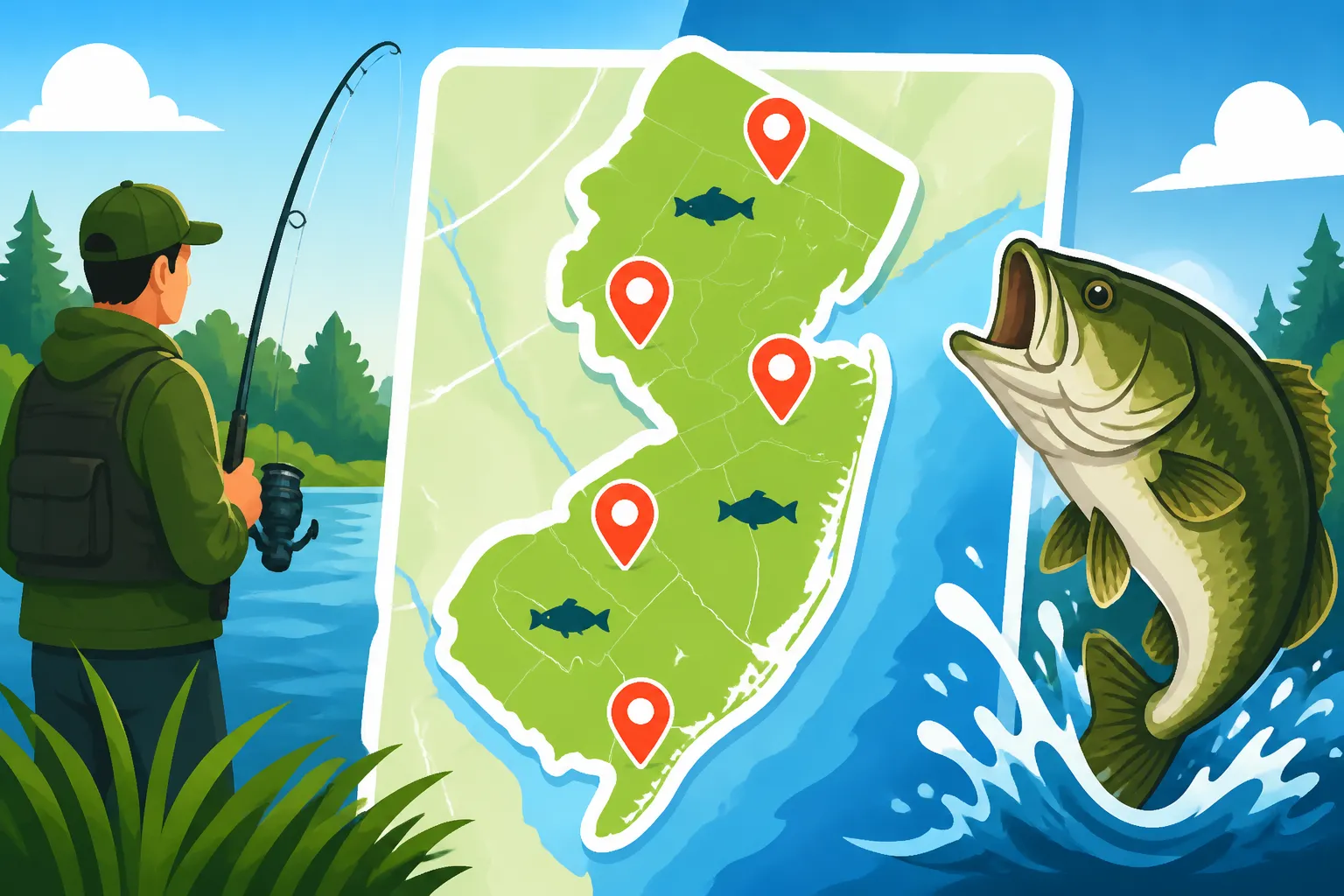
Let's be honest, trying to figure out where the fish are biting can feel like solving a complex puzzle. But the New Jersey Division of Fish and Wildlife actually provides an incredibly detailed, frequently updated resource that many anglers overlook. This isn't just a list of places; it's an interactive map that shows you exactly where fish have been stocked, which species, and when. While it's most renowned for trout stockings, the insights it offers extend far beyond that, painting a picture of healthy, accessible waterways throughout the state.
Navigating the Online Portal for Stocking Information
The first step is to know where to find this goldmine of information. You'll want to head straight to the official New Jersey Department of Environmental Protection (NJDEP) Fish and Wildlife website. They maintain an interactive map, usually found under their "Freshwater Fishing" or "Trout Stocking" sections. Don't be intimidated by the official government website feel; it's surprisingly user-friendly once you get the hang of it. You can filter by county, water body type (lake, pond, river, stream), and even the species of fish stocked. This digital resource is constantly updated, sometimes even daily during peak stocking seasons, which is crucial for staying on top of the freshest opportunities.
When you access the map, you'll typically see various symbols or colors indicating different stocking events. Clicking on a specific pin or highlighted water body will usually bring up a pop-up box with all the relevant details: the exact date of the stocking, the species (e.g., Rainbow Trout, Brown Trout, Brook Trout), and sometimes even the quantity of fish released. This level of detail is invaluable for planning your trips. Think of it as your personal fishing intelligence report, telling you exactly where the state biologists have been working to improve angling opportunities. It's truly a game-changer compared to just showing up at a random spot hoping for the best.
Deciphering the Map's Legends and Symbols
Once you've navigated to the map, it might look a little overwhelming at first glance, but fear not! Every interactive map comes with a legend, and the New Jersey Fish and Wildlife stocking map is no exception. These legends are your key to understanding what you're looking at. Typically, different colors or icons will represent different species of fish, or perhaps indicate whether a stocking event is recent or historical. For instance, a blue dot might mean Rainbow Trout, while a green dot signifies Brown Trout, or a simple fish icon might show a general stocking location.
Pay close attention to the specific names of the water bodies listed. The map doesn't just say "Pequest River"; it will often pinpoint specific access points or stretches of the river that received the fish. This precision helps you narrow down your physical location on the bank, especially in longer rivers or larger lakes. For example, knowing that a specific section of the Musconetcong River was stocked can help you focus your efforts. Also, understand that while streams are often stocked in their entirety or at key bridges, larger lakes like Lake Hopatcong or Round Valley Reservoir might have multiple stocking points, so zoom in and explore the details. Taking a few moments to understand these symbols and names will save you a lot of guesswork and driving around once you're out in the field.
Decoding the Stocking Schedule for Prime Opportunities
The real power of the stocking map lies in its ability to inform your timing. Fish, especially stocked trout, are often most active and catchable shortly after they're introduced into a new environment. Knowing when a particular water body was stocked can literally make or break your fishing day. It allows you to target those periods of peak activity, rather than fishing depleted waters weeks after the last stocking.
Timing Your Trip with Recent Stockings
When you see a fresh stocking date on the map, mark your calendar! For species like trout, the first few days, or even the first week, after a stocking event often provide the best action. These fish are typically eager to feed after their journey and are still adjusting to their new surroundings, making them more susceptible to common baits and lures. This is particularly true during the spring trout season, which kicks off with the highly anticipated Opening Day. The state makes a monumental effort to stock thousands of fish, and being there within a few days of a stocking means you're often fishing in a target-rich environment.
However, be realistic: popular spots can get crowded, especially right after a major stocking. If you prefer a bit more solitude, consider visiting a few days later, or targeting smaller, less accessible waters that might not draw as big a crowd. The map often distinguishes between major waterways and smaller, sometimes forgotten, New Jersey State Park Ponds for family fishing that still receive regular stockings. The longer you wait, the more these fish can spread out, become wary, or unfortunately, be caught. Also, be mindful of any New Jersey Trout Season Preseason Closure Explained which dictates when certain waters are closed to fishing prior to opening day to ensure a successful initial stocking.
Species-Specific Insights from the Data
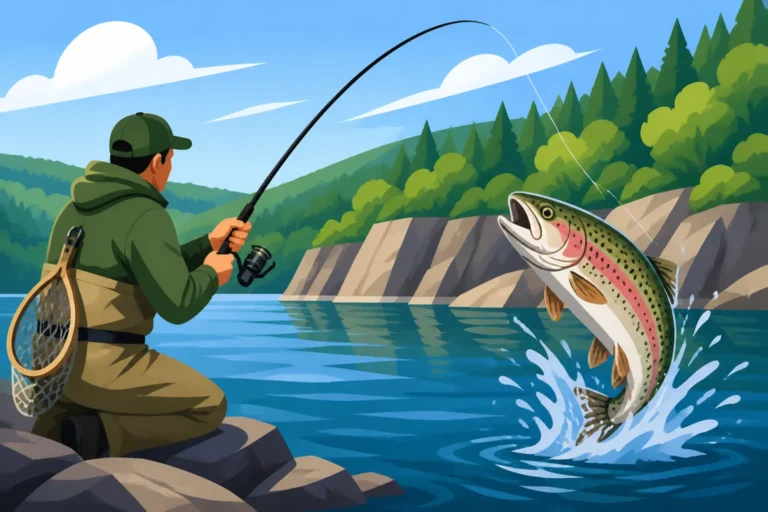
While the stocking map is heavily associated with trout, it offers a window into the types of species supported by various waters. New Jersey primarily stocks Rainbow Trout, Brown Trout, and Brook Trout. Each has slightly different behaviors and preferred habitats, so knowing which species was stocked can help you refine your approach. For example, Rainbows are often more aggressive and readily take a wider variety of baits, while Browns can be a bit more cautious and might hold in deeper cover. Learning to distinguish between these species will definitely elevate your angling game, and you can learn more about their unique traits in our guide to New Jersey Rainbow Trout vs Brown Trout vs Brook Trout.
It's also worth noting that while the map doesn't show stockings of other species like bass or panfish, the very act of stocking trout in a particular lake or river implies a certain level of water quality and ecological health. These waters are often managed for public angling and are generally good bets for other freshwater species as well. So, even if you’re not solely after trout, a regularly stocked water body is often a vibrant ecosystem worth exploring for other catches.
Beyond Trout: Using Stocking Data for a Broader Catch
Don't let the primary focus on trout stocking make you think this map is only useful for one species. A well-stocked water body is often a sign of a healthy, productive ecosystem, which can hold a variety of fish. Understanding where and when stockings occur can indirectly lead you to prime spots for other popular New Jersey freshwater species.
Identifying General Productive Waters
Think about it: for the state to invest resources in stocking a lake or river, it needs to be a suitable habitat. This means good water quality, sufficient depth, appropriate cover, and a healthy forage base. These are the very same conditions that attract and sustain other desirable freshwater fish like largemouth bass, smallmouth bass, pickerel, perch, and crappie. If a water body consistently appears on the stocking map year after year, it's likely a well-maintained and productive fishery overall.
Consider places like Lake Hopatcong, the state's largest lake, which while primarily known for its bass and hybrid striped bass, also sees some trout stockings in its feeder streams. Or Round Valley Reservoir, famous for its trophy lake trout, also gets consistent trout stockings. These waters are managed for angling success, and the stocking map is essentially highlighting them as places the state wants anglers to visit. So, even if you're not planning to cast for a trout, these locations are excellent starting points for finding other species. Our guide to New Jersey's Best Freshwater Lakes for Fishing often overlaps with regularly stocked waters for this very reason.
Leveraging Stocking Areas for Predator Fishing
Here’s a tip for the opportunistic angler: where there are newly introduced fish, there are often predators. When the state releases thousands of trout, these fresh arrivals become an enticing food source for larger, resident predator fish. Largemouth and smallmouth bass, pickerel, and even larger brown trout (which are themselves predators) will often key in on these easy meals. Fishing around newly stocked areas with larger lures or live bait can sometimes yield impressive catches of these opportunistic feeders.
Imagine a scenario where the Pequest River is heavily stocked with trout. While many anglers will be targeting those trout directly, someone casting a larger swimbait or a spinnerbait designed for bass could intercept a hefty largemouth that's moved in to capitalize on the abundance. This strategy can be particularly effective in streams and rivers where trout are stocked in specific pools or bends. By knowing where the "food" is, you can often predict where the "eaters" will be. Just remember to always check current New Jersey Daily Bag Limits by Species for whatever you're targeting!
| Species Stocked | Typical Stocking Season | General Fishing Notes |
|---|---|---|
| Rainbow Trout | Spring & Fall | Aggressive, readily bite after stocking, good for bait/lures. |
| Brown Trout | Spring & Fall | More wary, can grow large, good sportfish, often found near cover. |
| Brook Trout | Spring | Native to NJ, often in colder, pristine streams, smaller average size. |
| Hybrid Striped Bass | Periodically in large lakes | Excellent fighting fish, often found schooling in open water. |
| Walleye | Periodically in specific lakes | Nocturnal feeders, require specific techniques, sought after for table fare. |
Maximizing Your Fishing Trip with Stocking Map Data
Having the knowledge from the stocking map is just the first step. The real art is integrating that data with other crucial angling factors to craft a truly successful fishing expedition. It’s about putting all the pieces of the puzzle together for the best possible outcome.
Combining Stocking Data with Environmental Factors
Fish behavior, even that of recently stocked fish, is heavily influenced by environmental conditions. Water temperature, oxygen levels, current flow in rivers, and even barometric pressure all play a role. A fresh stocking on a cold, rainy day might mean slower action than a stocking on a warm, sunny afternoon. Always cross-reference the stocking map with a good weather forecast and, if possible, local water conditions. For river fishing, understanding recent rainfall and its impact on water levels and clarity is vital. Clear, stable water often allows fish to see your presentation better, while muddy, fast-moving water might require heavier baits or brighter colors.
Even the moon phase can sometimes play a role, with some anglers swearing by certain phases for increased activity. The point is, don't just go because a spot was stocked yesterday. Take a moment to consider how the fish might be reacting to their environment. For instance, if a lake was just stocked with trout but the water temperatures are soaring, those trout might be stressed and less likely to bite, or seeking deeper, cooler water. Conversely, a fresh fall stocking combined with crisp, cool weather can make for an absolutely fantastic day on the water.
Planning a Successful Trip: Resources and Tools
Once you've identified your target water and ideal timing using the stocking map, it's time to gather your gear and finalize your plans. Always double-check the current New Jersey Freshwater Fishing Regulations Every Angler Should Know and any specific rules for the water body you intend to visit. For instance, some lakes might have special motor restrictions or bait prohibitions. The Reading the New Jersey Fish and Wildlife Digest is an indispensable tool for this, providing all the rules and regulations in one place. You'll also want to make sure your New Jersey Fishing License Guide for 2026 is current and valid. If you're planning to specifically target trout in stocked waters, remember to check the New Jersey Trout Stamp Requirements Explained as it's often an additional requirement.
Think about contacting local bait and tackle shops near your chosen fishing spot. These folks are often invaluable sources of real-time, hyper-local information. They know what's been biting, what baits are working best, and can give you tips on specific access points or techniques. If you're new to an area or want to maximize your chances, consider booking a guide. Platforms like FishingBooker can connect you with experienced local guides who know these stocked waters inside and out. They can provide not just the gear but also invaluable insights into presentation and fish behavior, helping you land that trophy catch. Using a guide found through FishingBooker, for example, can turn a good day into a truly memorable one. They often track stocking reports themselves and combine that with their vast experience. Whether you're heading to the Delaware River or a smaller local pond, local knowledge is king. FishingBooker makes it easy to find and book these experts.
Don't forget the essentials: pack plenty of water, snacks, sunscreen, and appropriate clothing. Always leave your fishing spot cleaner than you found it, packing out all trash and respecting the natural environment. By integrating the power of the New Jersey stocking map with careful planning and smart angling practices, you'll dramatically increase your chances of a successful and enjoyable day on the water. Happy fishing!
Disclaimer
Please remember that fishing regulations, stocking schedules, and local conditions can change. Always consult the most current New Jersey Department of Environmental Protection (NJDEP) Fish and Wildlife official website or publications for the latest and most accurate information before planning any fishing trip. This guide is for informational purposes only and should not be considered a substitute for official regulations or professional advice.