How to Chum for Bluefish in New Jersey Waters
There’s nothing quite like the thrill of a bluefish blitz along the Jersey Shore, is there? But sometimes, those elusive choppers need a little extra persuasion to come within casting distance, especially when they're not actively feeding on the surface. If you’ve ever found yourself wishing you could draw those powerful fish right to your boat or beach spot, this guide is for you. We’re going to dive deep into the art and science of chumming for bluefish in New Jersey waters, covering everything from what chum to use to how to deploy it effectively and ethically.
Understanding Bluefish Behavior and the Power of Chum
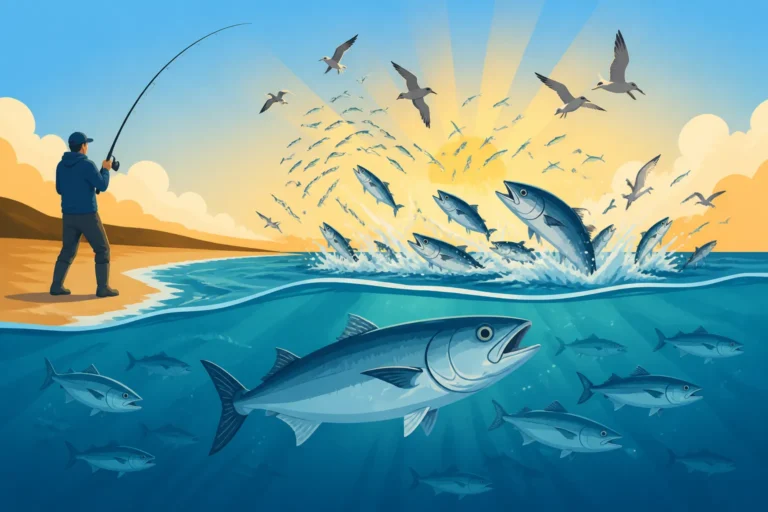
Bluefish are apex predators in our New Jersey coastal waters, known for their voracious appetites and aggressive feeding habits. They are truly magnificent, if sometimes maddening, fish to target. What makes them so exciting is their tendency to feed in schools, often creating those infamous "bluefish blitzes" where they thrash the water, tearing through baitfish with incredible ferocity. But outside of those chaotic surface feeds, they can be spread out, making them harder to find and entice. That's where chumming comes in—it’s like ringing the dinner bell underwater, sending out a scent trail that these keen-nosed predators just can’t resist.
Why Bluefish Respond So Strongly to Chum
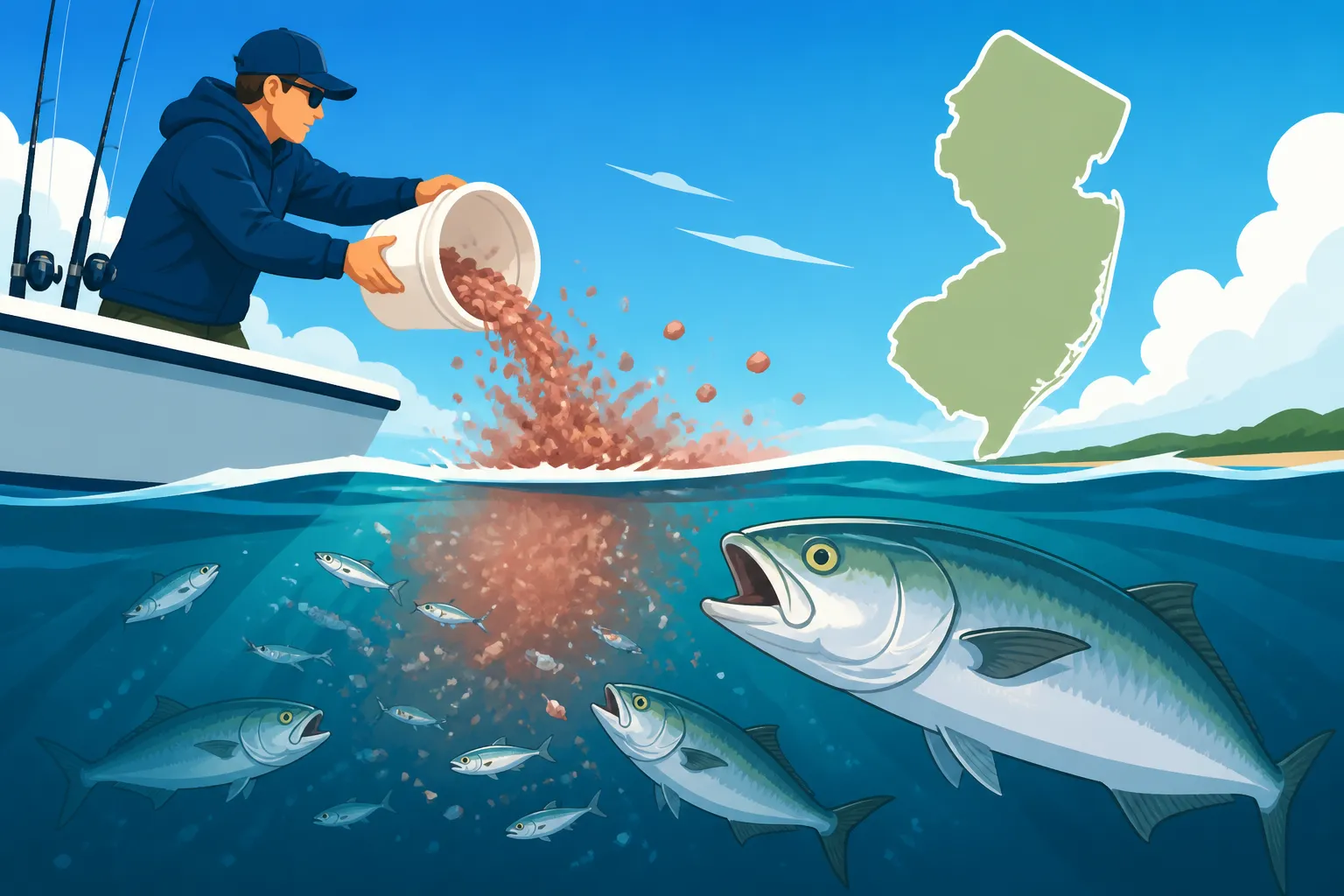
Bluefish possess an incredibly acute sense of smell, far more developed than many anglers realize. They use this sense to track down schools of baitfish, even in murky water or low light conditions. When you deploy chum, you're essentially creating a concentrated scent corridor in the water column that mimics a massive school of injured or dying baitfish. This potent scent, often coupled with small bits of edible material, triggers their predatory instincts. They follow the scent trail upcurrent, getting closer and closer to your boat or shore setup, driven by that primal urge to feed. It’s an incredibly effective way to turn a slow fishing day into an exciting one, especially when you know the Best Time of Year to Fish for Bluefish.
Think of it this way: imagine walking past a bakery with the smell of fresh bread wafting out. Even if you weren't thinking about eating, that smell might just pull you in. For bluefish, it's that intense, irresistible signal that a meal is at hand, and their aggressive nature means they'll quickly investigate and usually, attack.
The Role of Current and Tide in Chumming Success
Chumming is entirely dependent on the movement of water. Without a good current, your carefully prepared chum will just sit in a stagnant cloud, attracting little more than maybe a few curious crabs or slow-moving bottom feeders. In New Jersey, understanding the tide is absolutely crucial for effective chumming, particularly in our bays, inlets, and even offshore. A steady, predictable current allows your chum to disperse naturally and create a long, inviting scent trail.
Whether you're fishing from a boat in Barnegat Bay or casting from the jetties at Manasquan Inlet, knowing if the tide is rising or falling, and how strong that flow is, dictates where you position your boat or cast your line. You want your chum to flow away from you, ideally creating a trail that bluefish can intercept as they cruise upcurrent. If you're drifting, you might deploy chum off the bow to drift back under the boat. If anchored, you'll want to place your chum bag on the upcurrent side, allowing the scent to wash back past your fishing lines. Neglecting the current is one of the biggest mistakes new chumming enthusiasts make, often leading to wasted chum and frustration. Knowing How to Fish a Falling Tide or a rising tide effectively will dramatically increase your hook-up rates when chumming.
Essential Chum Types for New Jersey Bluefish
When it comes to bluefish, you need a chum that’s oily, pungent, and gets their attention fast. There are several popular options available to New Jersey anglers, each with its own benefits and drawbacks. The key is to create a consistent, irresistible scent slick in the water.
Fresh or Frozen Bunker (Menhaden)
Hands down, fresh or frozen bunker, also known as menhaden, is the king of bluefish chum in New Jersey. These oily baitfish are a primary food source for bluefish, and their strong scent is a surefire attractant. You can often buy frozen blocks of ground bunker from local tackle shops, which are incredibly convenient. However, if you can get your hands on fresh bunker, either by snagging them yourself or buying them whole, you'll have even better results.
To prepare fresh bunker for chumming, you'll want to chop them into small, manageable pieces. Some anglers even use a meat grinder to create a super-fine, potent chum. The goal is to create a mix of tiny particles and oily juices that will slowly disperse in the water. For an even more intense effect, mix some of the chopped bunker with its own blood and guts. This potent concoction is usually more than enough to get bluefish interested. Many anglers swear by this method, often stocking up on blocks from shops like Fisherman's Supply or using the grinder method from their own catch. If you’re preparing your own, understanding the Best Way to Cut Bunker for Chum can make a huge difference in its effectiveness and ease of deployment.
Pre-Made Chum Blocks and Commercial Mixes
For those who prefer a less hands-on approach or simply want convenience, there are numerous pre-made chum blocks and commercial mixes available. These are typically made from ground fish, often bunker or other oily species, sometimes mixed with fish oils, oats, or bread crumbs to create a cloudier, more dispersed chum. You can find these at most tackle shops, and they're also readily available through online retailers like Amazon. They come frozen and are usually designed to slowly melt and release their scent when placed in a chum bag.
While commercial blocks are super easy to use, their effectiveness can sometimes vary compared to fresh, homemade bunker chum. Read reviews and ask local tackle shop owners for recommendations on brands that work best in your specific area. Some anglers like to enhance these blocks by adding extra fish oil or even a few handfuls of chopped fresh baitfish to give it an extra kick. They're a great starting point, especially for beginners or those fishing from party boats where space and time for preparation might be limited.
Alternative Chumming Ingredients and DIY Solutions
If bunker isn't readily available or you're looking to experiment, there are other ingredients that can be used for bluefish chum, particularly if you’re trying to create a cloudy, oily slick. Chopped mackerel, pilchards, or even sardines can work, though they might not have the same magnetic pull as bunker. Some anglers also use a blend of oatmeal, bread crumbs, and fish oil (like menhaden oil, which you can buy in jugs) to create a more dispersed, cloud-like chum that can attract smaller baitfish, which in turn draws in the bluefish.
A common DIY method involves blending oily fish scraps (from your cleaned catch), old bait, and even some inexpensive cat food (the tuna or salmon varieties) with a bit of water to create a potent sludge. Freeze this mixture into old milk jugs or plastic containers, then cut away the plastic when you're ready to deploy. This can be a cost-effective way to produce a lot of chum, especially if you have access to fish carcasses. Just remember, the messier and smellier, the better when it comes to attracting bluefish! Always ensure you're using legal and responsible methods for chum disposal and ingredient sourcing.
| Chum Type | Pros | Cons | Ideal Scenario |
|---|---|---|---|
| Freshly Ground Bunker | Extremely potent scent, highly attractive to bluefish | Messy, requires preparation, sourcing fresh bunker can be a challenge | Serious anglers, when targeting large schools, boat fishing |
| Frozen Bunker Blocks | Convenient, readily available, effective | Less potent than fresh, can be expensive for heavy chumming | Most common, easy boat or shore use, good for general fishing |
| Commercial Chum Mixes | Easy to use, less mess, consistent formula | Variable effectiveness, may need enhancement, less natural scent | Beginners, party boat trips, quick setups |
| DIY Fish Scraps & Oils | Cost-effective, customizable, uses waste | Very messy, requires planning, scent can be inconsistent | Budget-conscious anglers, those with ample fish scraps |
Essential Gear for Effective Bluefish Chumming
Chumming isn't just about the chum itself; you need the right tools to deploy it effectively and manage the glorious mess that comes with it. Having the proper gear makes the process smoother, more efficient, and ultimately, more successful.
Chum Bags and Dispensers
The most crucial piece of gear is a good chum bag. These are typically mesh bags, often made of durable nylon or heavy-duty netting, designed to hold your chum and allow the scent and small particles to slowly leach out into the water. For frozen blocks, a simpler mesh bag that slowly dissolves the block works fine. For ground or chopped chum, you might prefer a bag with a finer mesh to control the dispersion, or a heavier-duty burlap sack for larger, chunkier pieces. Many anglers prefer sturdy mesh bags with a drawstring closure that can be securely tied to the boat cleat or a robust stake on the beach. You can find a wide variety of these bags on Amazon, often in multi-packs, making it easy to have spares.
Beyond simple bags, some advanced chum dispensers exist. These might include plastic containers with small holes that allow for a controlled drip, or even specialized buckets with weighted bottoms that can be lowered to a specific depth. For boat fishing, a sturdy, weighted chum dispenser that can be deployed off the transom is ideal, especially if you're drifting. This ensures your chum trail is directly in line with where your lines are deployed.
Buckets, Knives, and Cleaning Supplies
Chumming can be a wonderfully messy affair, and being prepared for it is part of the game. You'll need at least one, and preferably two, large, sturdy buckets. One bucket is for holding your prepared chum, and the other is for mixing, cutting, or simply rinsing tools. A sharp, durable fillet knife is essential for chopping fresh bunker or other baitfish. Make sure it’s a dedicated "chum knife" because it will get extremely smelly!
Beyond preparation, cleaning supplies are paramount. Think about bringing a dedicated scrub brush, some strong boat soap (if on a boat), and plenty of fresh water for rinsing down surfaces. Even if you're fishing from shore, a large trash bag for all your chum-related waste is a must. Nobody wants to leave a stinky mess behind. Having these items on hand saves you from scrubbing fish guts off your boat deck with a toothbrush or leaving a greasy film on the beach for others to contend with.
Anchoring Systems and Line Management
When chumming from a boat, maintaining your position relative to the chum slick is absolutely critical. This means a reliable anchoring system is non-negotiable. Depending on the bottom composition and current strength, you might need a substantial anchor, like a Danforth or a grapple anchor, with plenty of chain and rode. The goal is to set your anchor well upstream of your desired fishing spot, allowing the boat to settle back directly into the chum slick.
For shore-based chumming, especially if you're deploying a chum bucket from a jetty or a beach, you might need a heavy-duty rope or chain to secure your chum bag, ensuring it doesn't get swept away by strong currents or waves. Some surf anglers even use a small, heavy anchor to keep a floating chum dispenser in place beyond the breakers. Proper line management for your fishing rods is also important; you want your baits or lures to drift naturally through the chum slick, not tangle with the chum line or other anglers' lines.
Strategic Deployment: Setting Up Your Chumming Operation
Deploying chum isn't just about tossing it in the water; it's a strategic operation that requires careful planning to maximize your chances of success. From where you set up to how you manage the flow, every detail contributes to drawing in those hungry bluefish.
Identifying the Best Spot and Positioning
Choosing the right spot is paramount. Whether you’re on a boat, a pier, or a jetty, you need to consider the current, depth, and potential holding areas for bluefish. For boat anglers in New Jersey, looking for structure like reefs, wrecks, or channel edges, especially those exposed to a good current, is often key. Areas where baitfish congregate are also prime locations. In bays like Barnegat Bay or Raritan Bay, focusing on deeper channels or points where current is funneled can be productive.
Once you’ve identified your spot, proper positioning is crucial. If you're on a boat, you want to anchor upstream from where you intend to fish, allowing your boat to drift back over the targeted area. This lets the chum slick drift under your boat and your baits, rather than off to the side. For shore anglers, think about how the current will carry the chum from your deployment point. From a jetty, place the chum bag on the upcurrent side, allowing the scent to flow past your casting zone. This helps create a defined path for the bluefish to follow. Remember to always consider New Jersey Fishing Season Dates and Closures to ensure you're fishing legally and responsibly.
Controlling the Chum Flow for Maximum Attraction
The goal of chumming is not to feed the fish, but to attract them. This means controlling the flow of chum is vital. You don’t want to dump a huge amount of chum at once, as this can satiate the fish before they even get to your hook, or simply waste your valuable chum. Instead, aim for a steady, consistent drip or a slow, small stream of particles.
For frozen blocks, a simple mesh bag will slowly melt and release chum at a manageable rate. For ground or chopped chum, you might need to periodically squeeze the bag or scoop out small amounts and toss them into the water. The idea is to create a continuous, tantalizing trail that draws fish closer, making them eager to bite, but never fully satisfied. Too much chum can also attract undesirable species like skates or dogfish, which can quickly become a nuisance. It's a delicate balance; you want enough scent to pull them in, but not so much that they fill up on freebies.
Integrating Your Baits and Lures with the Chum Slick
Once your chum slick is established, the next step is to present your baits or lures naturally within that scent trail. This is where the magic happens! Your offerings should appear to be part of the chum. For bait fishing, use chunks of the same baitfish that are in your chum (like bunker chunks or fillets). Hook them lightly, allowing them to drift naturally with the current, just like the free offerings. Often, a simple fish-finder rig or a lightly weighted live-lining setup works best.
If you're using lures, choose ones that mimic the baitfish you're chumming with, both in size and color. Metal jigs, soft plastics, or even swimming plugs can be effective if cast into the chum slick and retrieved to simulate a wounded baitfish. The bluefish will be in an excited feeding state, and anything that looks like an easy meal passing through their olfactory corridor will likely get attacked. The Best Lure Color for Bluefish can vary, but generally, silver, white, or chartreuse can be highly effective, especially when paired with a good chum slick. The synergy between your chum and your presentation is what truly seals the deal.
Chumming Techniques and Strategies for Bluefish
Chumming isn't a one-size-fits-all operation. Different situations call for different techniques, and adapting your strategy to the conditions will lead to more success. From boat fishing to shore-based tactics, there's a bluefish chumming approach for nearly every angler in New Jersey.
Chumming from a Boat: Drifting vs. Anchoring
The decision to drift or anchor largely depends on the current, wind, and the specific area you’re targeting.
Anchoring: If you're fishing a precise piece of structure, a channel edge, or a known bluefish hotspot, anchoring might be your best bet. Set your anchor well upcurrent of the target zone, allowing your boat to settle back. Deploy your chum bag off the stern or side closest to the current flow. This creates a continuous slick that flows under your boat and past your baits. Anchoring is excellent for focusing your efforts on a small, productive area, especially when the New Jersey Bluefish Size and Behavior indicates they might be holding tight to structure. This method is common for anglers targeting wrecks and reefs.
Drifting: If bluefish are scattered or you're covering a larger area, drifting can be incredibly effective. As your boat drifts with the current, deploy your chum bag off the bow or stern, depending on how your boat orientates in the wind and current. The goal is to let the chum slick fan out behind or beneath your boat as you move. This allows you to prospect different areas and potentially intercept moving schools of bluefish. Keep your baits at varying depths as you drift, covering more of the water column. You might even consider using a sea anchor (drogue) to slow your drift, making it easier to maintain a consistent chum slick and keep your baits in the strike zone longer. This is particularly popular for fluke, but works for bluefish too. Many charter boats described in a New Jersey Party Boat Fishing Guide will employ a form of drifting and chumming, especially when covering large expanses of open water.
Shore-Based Chumming: Jetties, Piers, and Beaches
Chumming isn't just for boats! Shore anglers can also use chum effectively to draw bluefish within casting range, though it requires a slightly different approach.
Jetties and Piers: These structures often have good current flow, making them excellent spots for shore-based chumming. Secure a chum bag (a smaller mesh bag or a weighted plastic dispenser with holes works well) to a rope and lower it into the water on the upcurrent side of the jetty or pier. Let it hang just above the bottom or midway through the water column, allowing the current to carry the scent trail past your casting zone. You can also periodically toss small handfuls of chopped bait or soaked bread crumbs into the water, following the current. Be mindful of other anglers and avoid creating a nuisance.
Beaches: Chumming from the beach requires more effort, but it can be done. One method is to use a chum log or a weighted chum container attached to a strong line. Cast it out beyond the breakers with a surf rod or kayak, secure the line to a sand spike, and let the current do its work. Another simpler, though less effective, method is to periodically cast small pieces of cut bait or handfuls of bunker meal into the surf zone. The goal is to create a localized scent plume that bluefish cruising the troughs and sandbars will encounter. Pair this with a good How to Rig for Surf Fishing in New Jersey setup, and you're in business. Keep the offerings small, you're looking for an attraction, not a buffet.
Maximizing Your Chances: Bait Presentation and Timing
Once the chum is flowing and the bluefish are showing interest, your bait presentation becomes critical. Use fresh, lively bait whenever possible. Small bunker, spearing, or even mackerel strips are all excellent choices. Hook them in a way that allows for natural movement and minimizes bait theft from smaller fish. If you’re using cut bait, match the size of your bait pieces to the consistency of your chum.
Timing is also key. Bluefish are often most active during dawn and dusk, or during specific tide cycles. Pay attention to when the bites occur, and concentrate your efforts during those windows. If the bluefish are hitting the chum slick aggressively, you might even find success with artificials, casting into the action. But generally, a natural bait presentation, allowed to drift seamlessly with your chum, will outfish artificials when the fish are concentrated on the slick. Don't be afraid to experiment with different depths; bluefish can sometimes hold deeper below the chum slick, especially if the sun is high.
Safety and Environmental Responsibility While Chumming
Chumming, while effective, comes with responsibilities. As anglers, we have a duty to ensure our activities are safe for ourselves and others, and that we minimize our impact on the marine environment. This means adhering to regulations, managing waste, and respecting fellow fishermen.
Adhering to New Jersey Fishing Regulations and Ethics
Always consult the latest New Jersey Fish and Wildlife Digest to ensure you are compliant with all local fishing regulations. While chumming itself is generally permitted, specific rules about baitfish harvesting (like snagging your own bunker) or species-specific regulations for the fish you catch (like bag and size limits for bluefish) are important. For saltwater anglers, remember that New Jersey Saltwater Registry Explained is a critical component of legal fishing in our coastal waters, even if you’re just chumming.
Beyond regulations, ethical considerations are important. Don't chum in crowded areas where it might interfere with other anglers who aren't chumming, or where it might draw large predators too close to swimmers or recreational areas. Be a good neighbor on the water. If fishing from a party boat, always check with the captain about their chumming policy, as many have their own established methods or restrictions.
Managing Waste and Avoiding Over-Chumming
Chumming can be messy, but it doesn't have to be dirty. All chumming waste, including empty bait bags, leftover chum, and any packaging, must be properly disposed of. Bring plenty of trash bags and ensure nothing goes overboard except your chum itself. Leaving behind a greasy, stinky mess on a dock or beach reflects poorly on all anglers. Many New Jersey state parks and municipal fishing areas have strict rules about litter, and you could face fines.
Over-chumming is another common mistake. Not only does it waste valuable chum and potentially overfeed the fish, but it can also attract unwanted species like sharks, stingrays, or even scavenging birds in excessive numbers. This can create a nuisance for you and other boaters or shore users. The goal is a consistent, tantalizing trail, not a buffet. A little goes a long way, and it’s better to under-chum and slowly increase than to dump too much at once.
Respecting Other Anglers and Wildlife
When you’re chumming, you’re creating an attractive zone. Be mindful of where your chum slick is drifting and how it might affect other anglers' lines or their ability to fish without interference. If someone else is already established in a spot, try to give them ample space. The ocean is vast, and there are plenty of places for everyone.
Also, be aware of marine wildlife. While bluefish are the target, your chum can attract other species. Avoid intentionally chumming for protected species or drawing in large marine mammals that could be harmed by fishing gear. Always handle any bycatch with care, ensuring a quick and safe release. Bluefish are famously toothy, and if you’re trying to land and release a fish caught in the chum slick, exercise extreme caution. They’re called choppers for a reason!
Remember, our goal is to enjoy the incredible fishing New Jersey has to offer while preserving it for future generations. Responsible chumming is a part of that commitment.
Disclaimer
The information provided in this guide is for general informational purposes only. Fishing regulations in New Jersey can change frequently. Always consult the most current New Jersey Fish and Wildlife regulations before heading out on the water. Fishing inherently carries risks, and anglers should always prioritize safety and good judgment.