How Many Weeks Does New Jersey Stock Trout After Opening Day?
It can feel like a real puzzle trying to time your trout fishing trips perfectly in New Jersey, especially when you're wondering how long those beautiful, feisty fish will be readily available after the initial flurry of Opening Day. Many anglers get frustrated, thinking if they miss the first week, they've missed the boat entirely. This guide is here to clear up exactly how New Jersey's trout stocking program works after that big opening weekend, helping you understand the schedule so you can plan your angling adventures with confidence and keep those lines tight for weeks to come.
Understanding New Jersey's Trout Stocking Strategy
New Jersey's trout stocking program is a pretty impressive undertaking, designed to spread the joy of trout fishing across the state for as long as possible. It's not just a one-and-done event; it's a carefully orchestrated plan that starts well before Opening Day and continues for several weeks into the spring. This strategy aims to ensure that both novice and experienced anglers have ample opportunities to hook into some fresh trout, whether they prefer rivers, streams, or lakes. The New Jersey Division of Fish and Wildlife (NJDEP Fish & Wildlife) manages this entire process, balancing fish health, distribution, and angler access.
The Pre-Season Stocking Foundation
Before we even get to Opening Day, there's a significant "pre-season" stocking effort that sets the stage. This is when hatchery trucks hit the roads, delivering thousands of trout to various waterways across the state. These fish have time to acclimate to their new environments before the crowds descend. It's crucial to understand that many New Jersey rivers and streams are closed before Opening Day to allow these trout to settle in and to ensure a fair start for everyone. You can learn more about this by checking out the guide on the New Jersey Trout Season Preseason Closure Explained. However, it's worth noting that some lakes and ponds often remain open during this pre-season closure, offering early opportunities, a topic covered in depth by Trout Stocked Lakes Stay Open During New Jersey's Preseason Closure. This initial stocking lays the groundwork for the main event, populating popular spots and distributing fish widely.
Opening Day and Beyond: The In-Season Replenishment
Once the official New Jersey Spring Trout Stocking Start Date arrives, usually in early April, the real fun begins. But here's the kicker: the stocking doesn't stop after that initial rush! The state understands that a single stocking wouldn't sustain the fishery for long, especially with the sheer number of anglers eager to participate. That's why they embark on a rigorous schedule of "in-season" stocking.
Typically, New Jersey continues to stock trout for seven consecutive weeks after Opening Day. This means that if Opening Day is the first Saturday in April, you can expect weekly deliveries of fresh trout well into May, often concluding around Memorial Day weekend. These weekly stockings are vital because they replenish waters that have been fished hard, ensuring new opportunities for anglers who might not make it out on the very first day or who prefer less crowded fishing experiences later in the season. These continuous stockings distribute Rainbow, Brown, and Brook trout, ensuring a diverse catch. Each week, new fish are introduced, keeping the excitement alive and offering a fresh challenge.
Why Continuous Stocking Matters for Anglers
The practice of stocking trout for several weeks after Opening Day isn't just about putting more fish in the water; it's a strategic move that significantly benefits the angling community in several ways. It broadens access, manages fishing pressure, and extends the window of opportunity for everyone to enjoy the sport. Without this sustained effort, many prime fishing spots would be depleted quickly, leading to frustration and a much shorter, less rewarding trout season.
Spreading Out the Pressure and Opportunity
Imagine if all the trout were stocked in just one go right before Opening Day. The waterways would be absolutely swamped for the first week, then quickly fished out, leaving little for those who can't make it out immediately. The seven-week stocking schedule helps alleviate this intense initial pressure. By regularly replenishing the fish population, it gives anglers who work weekends, have family commitments, or just prefer a more relaxed outing later in the season a real chance to experience good fishing. It also encourages people to return to their favorite spots, knowing that fresh fish have been added. This means less elbow-to-elbow combat and more enjoyable time on the water, whether you're at the Musconetcong River or a local pond.
Maximizing the Spring Fishing Window
Spring in New Jersey is a beautiful but often fleeting time for trout fishing, with comfortable temperatures before the summer heat makes trout fishing more challenging in many streams. The multi-week stocking program capitalizes on this prime window. It ensures that throughout the entire spring, from early April well into May, there's a strong likelihood of encountering actively feeding trout. This extended period is fantastic for families looking for a fun outdoor activity, for beginners honing their skills, and for seasoned anglers testing different New Jersey Trout Fishing Techniques. Knowing that new fish are arriving regularly also empowers anglers to try different locations over the course of the season, exploring various rivers and lakes without worrying that they've missed their chance. You might even use this extended window to teach a new angler about New Jersey Trout Stamp Requirements Explained before they head out on their first solo trip.
How to Stay Informed About Stocking Schedules
For any dedicated trout angler in New Jersey, staying on top of the stocking schedule is almost as important as having the right bait. The state provides several excellent resources that allow you to track where and when trout are being released. This information is invaluable for planning your trips, avoiding overly crowded spots if that's your preference, or hitting a newly stocked stream when the fish are fresh and eager. Getting this information can genuinely make or break a fishing day, ensuring you're not casting into empty waters.
Official NJDEP Fish & Wildlife Resources
The most accurate and up-to-date information always comes directly from the New Jersey Division of Fish and Wildlife. Their website is a treasure trove of details, featuring a comprehensive stocking calendar. This calendar typically lists the specific waterways, the dates of stocking, and sometimes even the species or number of fish stocked. It's often updated weekly during the in-season stocking period, so checking it regularly is a smart move.
Another fantastic resource is the NJDEP Fish & Wildlife's Trout Stocking Hotline. This automated phone line provides the very latest stocking information, usually updated weekly after the trucks have completed their routes. It's a quick and easy way to get real-time updates while you're on the go. Many veteran anglers swear by it, calling it a vital tool in their fishing arsenal. Before you head out, especially if you're targeting a specific stream, a quick call can save you a wasted trip.
Leveraging Local Knowledge and Retailers
While the official sources are paramount, don't underestimate the power of local knowledge. Your local bait and tackle shops are often the first to know about recent stockings, sometimes even before the official updates hit the website. These shop owners and staff are usually avid anglers themselves, and they hear directly from the truck drivers or from other anglers out on the water. They can offer insights into which baits are currently working best (like those ever-popular Best Bait for Opening Day Trout recommendations), specific stretches of a river that were just stocked, or even current water conditions.
Beyond tackle shops, online fishing forums and local social media groups dedicated to New Jersey fishing can be great places to get tips and hear about recent catches, indirectly confirming stocking activity. Just remember to take forum chatter with a grain of salt and always verify critical information with official sources. And while you're preparing, remember that reliable gear is key. You can find a fantastic selection of fishing maps, specialized trout lures, or even a new pair of waders on Amazon to enhance your spring fishing adventures.
To give you a quick overview of what to expect, here's a general breakdown of the New Jersey spring trout season.
| Stocking Phase | Timing | Typical Number of Weeks | Key Characteristics |
|---|---|---|---|
| Pre-Season | Weeks leading up to Opening Day | 2-3 weeks | High numbers of fish, some waters closed, fish settling in. |
| Opening Day | First Saturday in April (approx.) | 1 day | Massive angler turnout, initial harvest pressure. |
| In-Season | Weekly, immediately after Opening Day | 7 weeks | Regular replenishment, spreads out anglers, fresh fish. |
| Total Spring | Pre-Season + In-Season | ~9-10 weeks | Extended opportunities, diverse species (Rainbow, Brown, Brook). |
This table illustrates the ongoing effort to provide fishing opportunities. Each of those seven weeks post-Opening Day is a fresh chance to enjoy the sport. And remember, the state stocks a significant number of fish, as detailed in articles like How Many Trout Are Stocked Each Year in New Jersey?, ensuring there are plenty to go around.
Beyond the Stocking Dates: Maximizing Your Trout Season
Knowing the stocking schedule is undoubtedly a huge advantage, but successful trout fishing throughout the spring season involves more than just showing up on stocking day. Understanding trout behavior, local regulations, and having the right approach can significantly increase your success, especially as the season progresses and fish become more acclimated or pressured. This holistic approach ensures you get the most out of every trip.
Adapting to Trout Behavior After Stocking
Freshly stocked trout can be quite eager to bite, often reacting aggressively to a wide range of baits and lures. This is especially true for fish that have spent their lives in a hatchery and are suddenly in a new, larger environment. However, as the weeks go on and fish get caught or become accustomed to their surroundings, their behavior changes. They might become warier, seek out natural cover, and start feeding more selectively on available insects or forage.
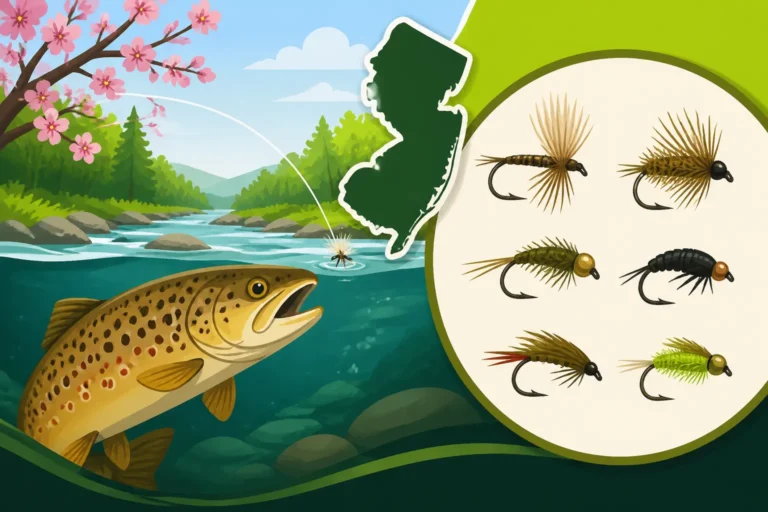
This is where adapting your techniques becomes vital. If early in the season, a simple PowerBait or a spinner might do the trick, later on, you might need to switch to smaller, more natural-looking lures, or even try fly fishing with imitations of local insect hatches. Understanding What Do Stocked Trout Eat? can guide your bait selection. Fishing slower, exploring deeper pools, or targeting shaded areas can also be highly effective for those more seasoned fish. Don't be afraid to experiment with different presentations and locations as the weeks progress. Sometimes, a subtle change in retrieve or a different color lure purchased from Amazon can make all the difference.
Navigating Regulations and Seasons
While the stocking schedule gives you a timeframe, always remember that specific regulations, bag limits, and size restrictions apply to trout fishing in New Jersey. These rules are put in place to manage the fishery sustainably and ensure everyone has a fair shot. It’s absolutely essential to consult the official New Jersey Freshwater Fishing Regulations Every Angler Should Know before heading out.
Regulations can vary not only by species but sometimes by specific bodies of water. For example, some "Trophy Trout Lakes" or "Holdover Trout Streams" might have different rules than general waters. The best way to stay current is to regularly consult the Reading the New Jersey Fish and Wildlife Digest, which is published annually and contains all the most up-to-date information. Missing a rule could lead to fines or penalties, which nobody wants when they're trying to enjoy a peaceful day of fishing. Always have a copy of the digest with you, either physically or digitally on your phone, to refer to when needed.
Planning Your Extended Trout Season Adventures
With New Jersey's consistent stocking efforts, your spring trout season isn't confined to just Opening Day. You have a solid two months of prime fishing opportunities, especially if you're strategic about your timing and location. This extended period allows for diverse experiences, from the excitement of a freshly stocked stream to the challenge of enticing holdover trout in lesser-fished areas. Making the most of this involves a bit of homework and flexibility, but the rewards are well worth the effort.
Embracing Mid-Week Stockings
While Opening Day is a huge event, the real secret to enjoying a less crowded experience often lies in targeting those mid-week stockings. After the initial weekend rush, many anglers return to their daily routines. The NJDEP Fish & Wildlife stocking trucks, however, keep rolling on weekdays. If your schedule allows, hitting a stream on a Tuesday or Wednesday, a day or two after it's been replenished, can offer a wonderfully peaceful and productive outing. The fish are often still quite active, and you'll share the water with far fewer people. This is especially true for streams that might not be as famous as the Pequest or Musconetcong rivers but still receive generous stockings. Planning a few of these mid-week trips can significantly extend your personal trout season. You might even discover some hidden gems that become your go-to spots.
Exploring Diverse Waterways
New Jersey stocks a vast array of waterways, from wide rivers like the South Branch of the Raritan to smaller brooks and numerous lakes and ponds, including many Best New Jersey State Park Ponds for Family Fishing. Don't limit yourself to just one or two familiar spots. Each type of water body offers a slightly different fishing experience and can hold trout in different ways. Rivers and streams, with their currents and natural structure, require a different approach than the calmer, deeper waters of lakes and reservoirs. As the season progresses, trout in larger, deeper bodies of water may move to cooler depths, requiring different tactics, perhaps even some specialized deeper-diving lures you found on Amazon.
By exploring different locations throughout the seven-week stocking period, you not only increase your chances of finding actively feeding fish but also get to experience the diverse beauty of New Jersey's landscapes. Check the stocking lists each week and pick a new spot or revisit an old favorite that just got a fresh batch of fish. Remember to always be prepared with the necessary gear, whether it's for wading a stream or fishing from shore at a pond.
Disclaimer
Please note that fishing regulations, stocking schedules, and other related information can change. While every effort has been made to provide accurate and up-to-date information, it is the angler's responsibility to consult the official New Jersey Department of Environmental Protection (NJDEP) Fish & Wildlife website or their official publications for the most current rules and schedules before engaging in any fishing activities.