How to Catch Tautog in Early Spring
Oh, early spring tautog fishing in New Jersey – it’s a whole different beast compared to the glorious fall run, isn't it? The water's still got that chill, and our beloved "white chin" can be notoriously finicky, making what feels like a perfectly good day out on the water surprisingly frustrating. But don't you worry, because if you're determined to get a jump on the tautog season and actually put some fish in the cooler before everyone else, this guide is going to break down exactly how to conquer those early spring challenges and land some respectable tog.
Understanding Early Spring Tautog Behavior in New Jersey
When those first warm days of spring hit, our minds naturally turn to fishing, and for many of us, that means tautog. But it's important to remember that while the air might be warming up, the ocean and bay waters still hold onto that winter chill for quite some time. This dramatic difference in temperature truly dictates how and where tautog behave, making early spring a unique puzzle to solve. Understanding their post-winter sluggishness is key to successful angling.
Water Temperature and Tautog Movement
Tautog are very sensitive to water temperature. Unlike some other species that actively migrate, tautog primarily move vertically or horizontally to find their preferred temperature zones. In early spring, usually March and April, water temperatures across much of the New Jersey coast might hover in the low 40s to low 50s Fahrenheit. At these temperatures, tautog are generally not very active. They’re still often holding in deeper, more thermally stable environments where the temperature fluctuates less. This means you’re typically looking at offshore wrecks, deeper rock piles, and artificial reefs in waters that might be 40 to 80 feet deep, sometimes even deeper depending on the specific location and the progression of spring.
As the days get longer and the sun starts to truly warm the shallower bay waters and inshore rock piles, you might find some pioneering tog starting to move in. However, the bulk of the population often lags behind this initial push. For the serious early spring angler, this means focusing on those offshore structures first. You need to keep a close eye on local water temperature charts and reports. Even a one or two-degree rise can make a significant difference in their activity levels. Remember, these fish aren't going to chase a bait aggressively; you need to present it right in their living room. You'll also want to keep track of the specific timeframes for when you can target these fish by checking the official New Jersey Tautog Season Dates and other New Jersey Fishing Season Dates and Closures to ensure you're compliant with regulations.
Post-Winter Metabolism and Subtle Bites
Imagine waking up from a long, cold winter's nap. You're probably not in the mood to run a marathon, right? That's pretty much how a tautog feels in early spring. Their metabolism is still quite slow from the colder months, which directly translates to less aggressive feeding behavior. They’re not going to slam your bait like they might during the fall run when they’re packing on weight for winter. Instead, you'll encounter much more subtle bites, often described as light taps or gentle nudges. This is arguably the biggest challenge for early spring tautog fishing.
Many new anglers, or even seasoned ones accustomed to more aggressive strikes, will miss these tentative bites entirely. They'll feel a slight pressure, wait for a stronger pull, and then reel in an empty hook, the bait long gone. This sluggish metabolism also means they’re less likely to move far to grab a meal, emphasizing the need for precise bait presentation directly in front of their faces. You need to be hyper-focused, sensitive, and ready to react at the slightest indication of a bite. It’s a game of patience and finesse, not brute force, and it demands your undivided attention on the rod tip. Missing those subtle cues is a common frustration, but it's part of the early spring tog challenge.
Essential Gear for Early Spring Tautog
Having the right tackle for tautog fishing is always crucial, but it becomes absolutely non-negotiable in the early spring when bites are at their most delicate. You need gear that can handle the tough structure tautog inhabit, yet still be sensitive enough to detect those barely-there takes. Skimping on quality here will only lead to missed fish and frustration, especially when the conditions are already challenging.
Rods and Reels for Early Spring Tog
For tautog, whether from a boat, pier, or jetty, a stiff, fast-action rod is paramount. You need a rod with enough backbone to pull a tog away from structure immediately after the bite, but a sensitive tip to feel those light taps. A rod rated for 15-30 lb or 20-40 lb line with a length between 6.5 and 7.5 feet is generally ideal. Fiberglass or composite rods are popular for their durability and sensitivity. The sensitivity of the rod tip is your direct connection to the fish, especially when they're mouthing the bait cautiously.
When it comes to reels, conventional reels are overwhelmingly favored by seasoned tautog anglers for their power and direct feel. A reel in the 2500-4000 size range, like a Penn Squall or a Shimano Torium, spooled with braided line, offers the brute strength to winch fish out of heavy cover. The direct contact with braid (which we’ll get to in a moment) combined with the conventional reel's gearing provides an unmatched ability to detect those subtle early spring bites. That said, some anglers prefer stout spinning gear, especially for lighter sinker applications or shore fishing. If choosing a spinning reel, opt for a heavy-duty model in the 5000-8000 size range. You can often find a great selection of high-quality conventional and spinning reels suitable for tautog on Amazon.
Terminal Tackle: Line, Leaders, Hooks, and Sinkers
Your terminal tackle is where the rubber meets the road, or rather, where your bait meets the tautog's mouth.
- Main Line: Braided line is almost universally preferred for tautog fishing because of its incredible sensitivity and zero stretch. A 30 to 50 lb test braid is common. That lack of stretch transmits even the most delicate tap directly to your rod tip, which is vital when fish are shy.
- Leader Material: Because braid is highly visible and has no abrasion resistance, you’ll need a fluorocarbon leader. Fluorocarbon is less visible underwater and much more abrasion-resistant, which is essential when fishing around sharp rocks and wrecks. A 30 to 50 lb test fluorocarbon leader, typically 2-4 feet long, should be tied to your braid with a strong knot like an FG knot or an Albright knot.
- Hooks: This is a crucial choice. Many anglers swear by octopus-style or bait-holder J-hooks in sizes 1/0 to 4/0, depending on your bait and target fish size. These hooks allow for a quick, upward hookset. However, circle hooks (in similar sizes) are gaining popularity, especially for those prioritizing fish survival and cleaner hooksets. When using circle hooks, resist the urge to "set" the hook; instead, just reel steadily as the fish pulls away, and the hook will typically find the corner of its mouth. You'll want to choose your hook size based on the size of your crab or clam bait.
- Sinkers: Tautog fishing often requires significant weight to keep your bait pinned to the bottom in current and to get it down to deep structure. Bank sinkers or flatter coin-style sinkers (which tend to snag less) ranging from 3 to 10 ounces are common. The exact weight will depend on the depth, current, and wind conditions. It's always smart to have a range of sinker sizes on hand. Many anglers prefer specific bait cutting knives, which you can easily purchase on Amazon, along with a variety of hooks and sinkers.
Mastering Early Spring Tautog Techniques
Tautog fishing, especially in the early spring, is less about casting far and more about precision, patience, and feeling the subtle nuances of the bite. It’s a hands-on experience that requires constant attention and a willingness to adapt.
Bait Presentation and "Feeling the Tap"
This is where the rubber meets the road for early spring tog. Because their metabolism is slow, they are not going to aggressively chase down your bait. You need to put it right in front of them and keep it there. The most common rig for tautog is a simple dropper loop rig or a slip-sinker rig. With a dropper loop, you’ll have one or two snelled hooks coming off the main leader, with a sinker on the bottom. The slip-sinker rig has the sinker sliding above a swivel, to which your leader and hook are attached. This latter rig can offer a slightly more natural bait presentation.
Once your bait is on the bottom, the key is to keep it still but responsive. Many anglers will gently lift and drop their rod tip a few inches, allowing the sinker to tap the structure, which sometimes attracts attention. But the real skill comes in feeling the bite. In early spring, it won't be a jarring strike. You'll feel a series of light taps or bumps – often described as a "tick-tick-tick." These are the tautog picking at the bait. Resist the urge to yank immediately! Let them work at it for a moment, letting them get the bait fully in their mouth. It’s a nerve-wracking waiting game, but essential. Think of it like a game of tug-of-war where the fish is testing the line, and you need to let them commit before you pull.
The Hookset and Fight
Once you’ve felt those initial taps and you detect a more sustained pressure or a slightly heavier pull, that’s your cue. For J-hooks, it’s a quick, sharp upward snap of the rod. Don't be shy; you need to drive that hook home into their tough, bony mouths. With circle hooks, the technique is different: simply begin reeling steadily and smoothly. The fish will move away, and the hook is designed to rotate and find the corner of its mouth on its own. A forceful hookset with a circle hook often pulls the bait right out of their mouth.
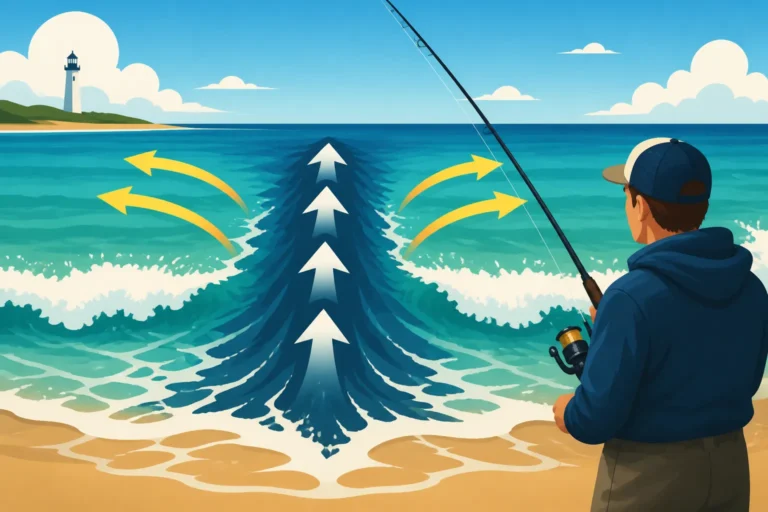
The fight itself is also critical, especially if you're fishing in the notorious structure tautog love. As soon as you set the hook, start reeling hard and fast to get the fish away from the rocks, wrecks, or pilings it calls home. Tautog are incredibly powerful for their size and will try to dive back into cover to break you off. Keep your rod tip high, maintain constant pressure, and try to winch them up quickly. This aggressive initial retrieve is often called "horsing" the fish, and it’s a necessary tactic to prevent snags and break-offs. You might be targeting offshore wrecks, so understanding How to Fish for Tautog Around Structure is invaluable. Also, paying attention to the tides can significantly improve your chances; learning How to Read Tide Charts for Better Fishing in New Jersey will help you pinpoint optimal feeding windows.
Best Bait for Early Spring Tautog
Choosing the right bait can make or break your early spring tautog trip. These fish are primarily crustaceans and mollusk eaters, and in the cold water, they become even pickier.
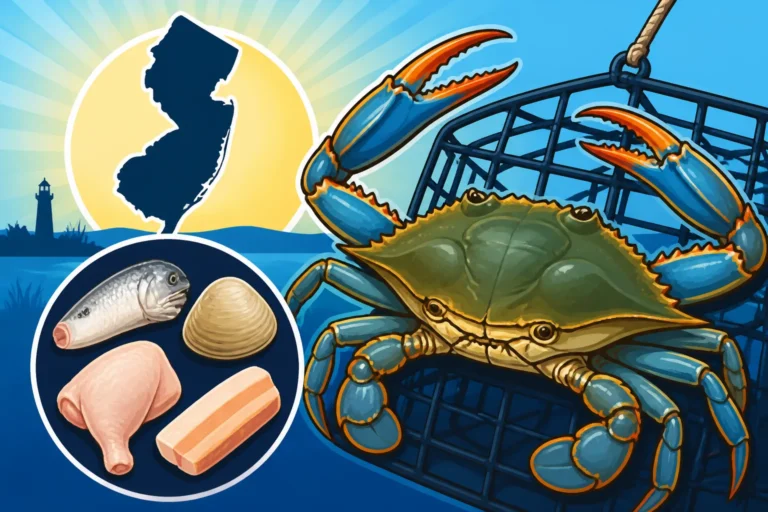
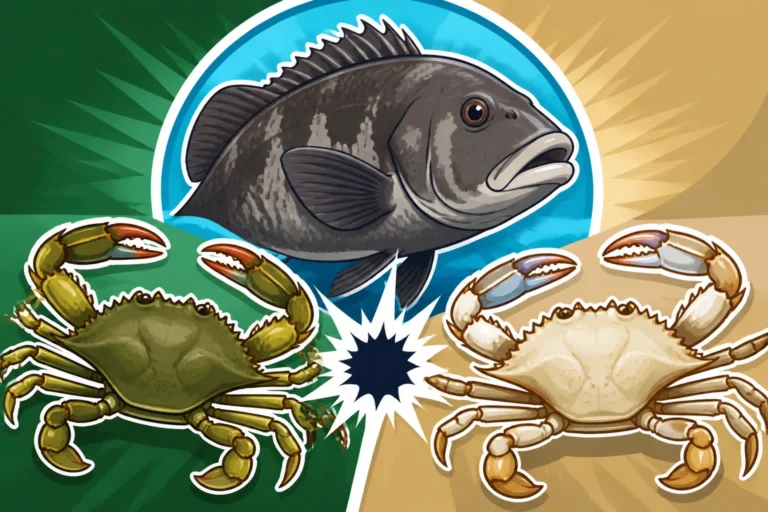
- Green Crabs: These are the undisputed king of tautog baits in New Jersey. They're readily available at most tackle shops. For early spring, smaller crabs, or quartered larger crabs, are often more effective because of the fish's sluggish metabolism. Presenting a smaller, more manageable piece of bait can entice a bite more easily than a large, intimidating offering. Hook them through a leg socket or corner of the shell, making sure the hook point is exposed.
- White Legger Crabs: While more expensive and sometimes harder to find, white leggers (Asian Shore Crabs) are also excellent bait, often considered even more potent than green crabs, especially for larger fish. They are smaller, so you often use them whole or halved.
- Fiddler Crabs: These tiny crabs are fantastic, particularly for smaller tog or when the bite is extremely slow. Their small size makes them easy for sluggish fish to pick up. They are seasonal and often found later in spring.
- Clams: Fresh clams, such as surf clams or skimmer clams, can also be effective, especially when fished on a bare jig. However, clams are notoriously soft and easily stolen by smaller bait fish, requiring constant re-baiting. They are often best used as a secondary option or when crabs are scarce.
Always aim for the freshest bait you can find. A dying or stale crab is far less appealing to a cold-water tautog. For a deeper dive into bait specifics, check out our guide on Best Bait for Tautog: Green Crab or White Leg Crab?.
Location, Location, Location: Finding Tautog in Spring
Finding tautog is largely about finding structure. They are ambush predators that live in and around rocks, wrecks, reefs, and pilings, where they can find food and shelter. In early spring, however, the specific type and depth of that structure become even more critical.
Rocky Bottoms, Wrecks, and Reefs
For boat anglers, the primary targets in early spring will be deeper offshore structures. These areas maintain more stable temperatures and provide the cover tautog rely on.
- Artificial Reefs: New Jersey has an excellent network of artificial reef sites, like those off Sandy Hook, Barnegat, and Cape May. These reefs are meticulously charted and provide abundant habitat for tautog and other species. In early spring, look for the deeper sections of these reefs, where the water temperature is more consistent. You'll often find tog congregating around the largest pieces of structure or near deeper ledges. For more information on these invaluable fishing grounds, consult our New Jersey Artificial Reef Fishing Guide.
- Wrecks: Historical shipwrecks scattered along the New Jersey coast are prime tautog territory. Like artificial reefs, they provide complex habitat and food sources. Again, prioritize deeper wrecks in early spring, as they’re more likely to hold larger, less active fish. Using good sonar is essential for identifying these structures and positioning your boat correctly to anchor directly over them or drift carefully.
- Natural Rock Piles and Ledges: Beyond charted wrecks and reefs, there are countless natural rock piles and ledges, especially in the northern parts of the state’s waters. These can be trickier to find without good local knowledge or advanced electronics, but they can be incredibly productive. These areas often get less fishing pressure, too.
When fishing these locations, careful anchoring is paramount. You need to position your boat so that your bait drifts down directly onto or just alongside the structure. This often means anchoring up-current of the structure. If you're on a party boat, the captain will do this for you, and it can be a great way to learn the ropes. Consider exploring our New Jersey Party Boat Fishing Guide to find a good trip that targets tog. Many party boats also clarify What's Included on a New Jersey Party Boat Trip so you can come prepared.
Piers, Jetties, and Bridges for Shore-Based Anglers
If you don’t have a boat, don’t despair! Shore-based anglers can also find tautog in early spring, though it might require a bit more legwork and local knowledge.
- Jetties and Rock Walls: Many of New Jersey's jetties and rock walls, particularly those at inlets and river mouths, hold tautog year-round. In early spring, look for deeper sections of these structures that offer protection from cold currents and benefit from any slight temperature increases. The Manasquan Inlet, Barnegat Inlet, and Point Pleasant Canal are examples of places where shore anglers can find tog. When fishing jetties, be mindful of casting into strong currents, as this can make holding bottom difficult. Early morning or late evening often yields better results.
- Bridge Pilings: Bridge pilings, especially those in deeper bays or tidal rivers, offer vertical structure that tautog love. The pilings themselves are often encrusted with mussels and barnacles, providing a natural food source. Look for bridges that span deeper channels or have good current flow.
- Deepwater Docks and Piers: While less common for tautog, some private or public docks and piers that extend into deeper water and are built on rocky or rubble bottoms can hold tog. This is often more effective as spring progresses and water temperatures rise. Always be respectful of private property and adhere to local fishing regulations.
No matter where you choose to fish, a valid New Jersey fishing license is required for freshwater, and even for saltwater, while not a license, the New Jersey Saltwater Registry Explained is a must. Remember, conservation police regularly perform New Jersey Conservation Police and License Checks, so it's best to be prepared. For more details on finding accessible shore fishing spots, take a look at our Best New Jersey Piers and Jetties for Shore Fishing guide.
Disclaimer
Fishing conditions and regulations in New Jersey can change. Always consult the latest New Jersey Fish and Wildlife Digest or their official website for the most up-to-date rules, regulations, and season dates before heading out on your fishing trip. This guide is for informational purposes only and does not constitute legal advice.