Basic Fishing Setup Cost
It's no secret that getting into a new hobby can feel like staring into a black hole of expenses, and fishing in New Jersey is no different. Many aspiring anglers wonder if they need to drop a small fortune just to cast a line, which can be a real barrier to getting started. This guide aims to pull back the curtain on the basic fishing setup cost, helping you understand what essential gear you'll need and how to budget smart, whether you're dreaming of freshwater bass or saltwater fluke.
Understanding the Essentials: What You Really Need to Start
When you first think about fishing, you might picture reels, rods, tackle boxes overflowing with shiny lures, and all sorts of fancy gadgets. It's easy to get overwhelmed by the sheer volume of options out there, and marketing can make you feel like you need the latest and greatest everything. But the truth is, you don't. Getting started, especially here in New Jersey's diverse waters, really only requires a few fundamental pieces of equipment.
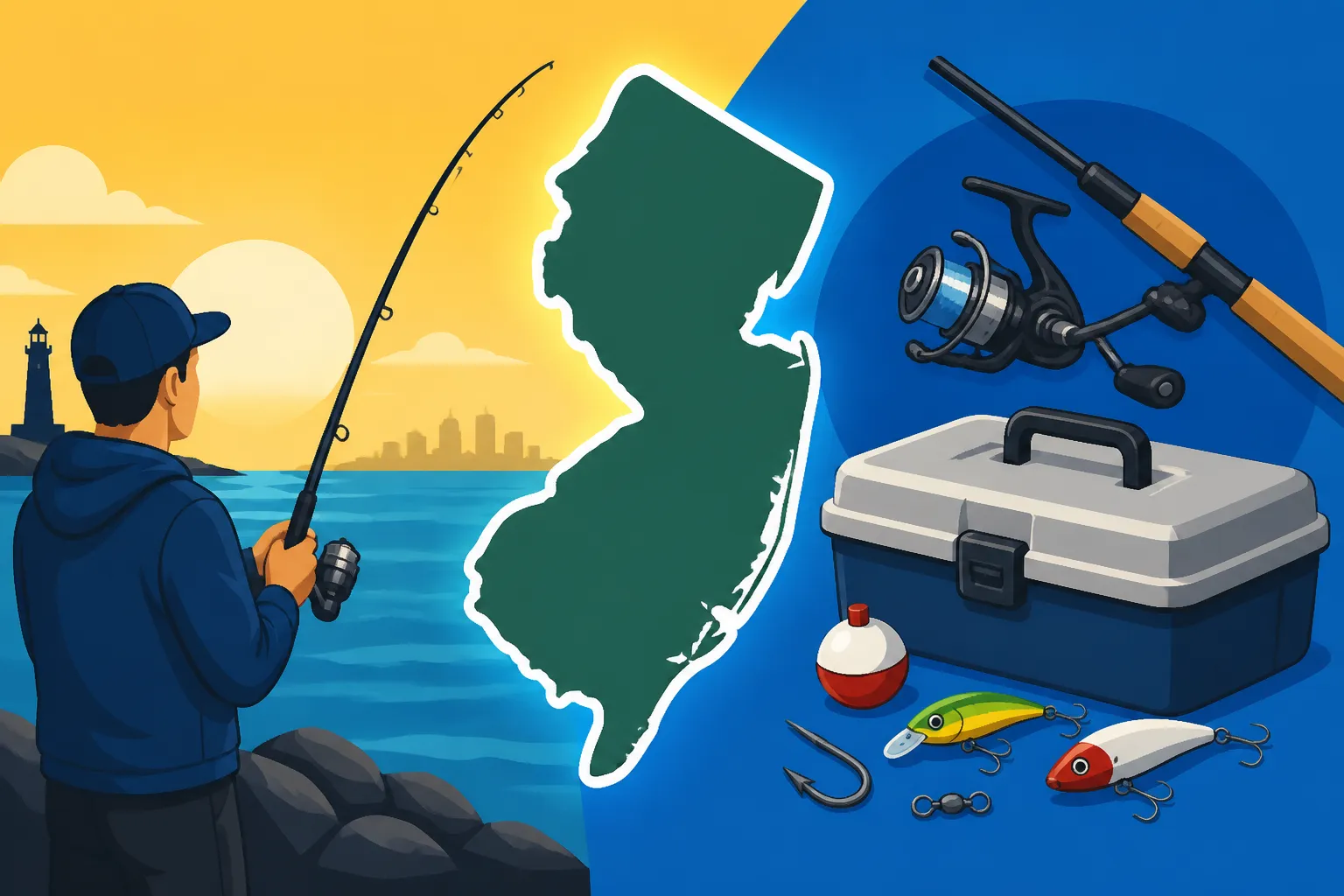
For a true beginner, the goal is often just to feel that first tug on the line, not necessarily to land a trophy fish on day one. With that in mind, the most crucial items are a functional rod and reel combo, appropriate fishing line, a few basic terminal tackle pieces (hooks, sinkers, swivels), and some bait or a simple lure. Anything beyond that, while potentially helpful, can be considered an upgrade for later. Think about it like learning to drive; you don't start in a race car, you start in something reliable that gets the job done.
The Rod and Reel Combo: Your First Big Decision
Choosing your first rod and reel can feel daunting. There are spinning combos, baitcasting combos, surf rods, ultralight rods – the list goes on. For simplicity and versatility, especially for beginners in New Jersey, a medium-action spinning rod and reel combo is often the most recommended starting point. This type of setup is forgiving for casting, easy to learn, and can handle a wide variety of fish in both freshwater ponds and calmer saltwater bays.
The cost for a decent, entry-level spinning combo can range quite a bit, but you can definitely find reliable options that won't break the bank. You’ll want something sturdy enough to withstand the learning curve – those accidental drops and tangles – but sensitive enough to feel a bite. Brands like Penn, Daiwa, or Shimano often offer excellent beginner-friendly combos that balance durability with affordability. Many of these combos come pre-spooled with line, which is a nice little bonus when you're just starting out and trying to manage costs. You can often find a good selection by searching online retailers like Amazon, or by visiting your local tackle shop.
Fishing Line: The Unsung Hero
It's easy to overlook the importance of fishing line, but it's the critical link between you and the fish. For most basic setups, monofilament line is a fantastic choice for beginners. It's affordable, easy to tie knots with, and has a bit of stretch, which can be forgiving when a fish makes a sudden run. The pound test (strength) you choose will depend on what you're targeting. For general freshwater fishing in New Jersey for bass or panfish, 6-10 lb test is usually sufficient. For light saltwater action in the bays for fluke or small blues, you might jump up to 12-20 lb test.
While some combos come with pre-spooled line, it’s often a basic variety. Investing a little extra in a spool of quality monofilament can save you a lot of frustration from breaks and tangles. Braided line, while popular with more experienced anglers for its strength and sensitivity, can be trickier to manage for newcomers and is generally a higher price point, so it's best to stick with mono for your initial setup.
Terminal Tackle: The Bits and Bobs
"Terminal tackle" is the catch-all term for everything you attach to the end of your fishing line: hooks, sinkers, swivels, and leaders. This is where you can truly start small and build up as you gain experience.
- Hooks: A variety pack of basic J-hooks in different sizes (e.g., sizes 4, 2, 1, 1/0, 2/0) will serve you well for most freshwater species and smaller saltwater fish. Circle hooks are also gaining popularity, especially for bait fishing, as they tend to hook fish in the corner of the mouth, making for easier release and less harm to the fish. Make sure to check New Jersey's New Jersey Freshwater Fishing Regulations Every Angler Should Know and How Bag and Size Limits Work in New Jersey as some regulations might specify hook types for certain species, like the New Jersey Striped Bass Slot Limit Explained which often requires circle hooks when bait fishing.
- Sinkers: A small assortment of split shot sinkers and perhaps a few pyramid or egg sinkers will cover most of your needs. Split shots are great for freshwater bobber fishing, while pyramid sinkers hold well in current for saltwater.
- Swivels: Barrel swivels help prevent line twist, which is particularly annoying. A pack of small, appropriately sized swivels can make a big difference in reducing tangles.
- Leaders: While not strictly necessary for every situation, a short piece of heavier monofilament or fluorocarbon leader material can be a good idea, especially in saltwater or when targeting toothy fish. It protects your main line from abrasions and sharp teeth.
These items are relatively inexpensive, and you can buy small packs or assortments for just a few dollars each. Many starter kits often include a basic selection, which can be a convenient way to get a little bit of everything.
Breaking Down the Costs: Freshwater vs. Saltwater
The specific type of fishing you plan to do will significantly influence your initial outlay. New Jersey offers incredible opportunities for both freshwater and saltwater angling, and while some gear can cross over, often you'll need slightly different setups.
Freshwater Fishing: Ponds, Lakes, and Rivers
If your heart is set on catching largemouth bass, panfish, or trout in one of New Jersey's many beautiful lakes, ponds, or rivers, your entry cost will generally be lower. Freshwater gear tends to be lighter, and the forces exerted by the fish are typically less severe than what you'd encounter in the ocean.
A basic freshwater setup would include:
- Rod and Reel Combo: A 6-7 foot medium-light to medium power spinning combo is perfect. This will handle everything from bluegill to a decent-sized largemouth bass. You can find these starting at a very accessible price point, often designed specifically for beginner anglers. Look for combos that are balanced and feel comfortable in your hands.
- Line: 6-10 lb monofilament is ideal. A fresh spool usually isn't a huge expense.
- Hooks & Sinkers: A small selection of freshwater-specific hooks (bait holder, Aberdeen) and split shot sinkers.
- Bait: Live bait like worms or minnows, or a few simple lures such as small spinners, jigs, or soft plastic worms. You can grab a few of these at very reasonable prices.
- Basic Tackle Box/Bag: Something simple to keep your hooks, sinkers, and lures organized. A small, inexpensive plastic box is perfectly adequate.
| Item | Low End (Entry-Level) | Mid-Range (Good Value) |
|---|---|---|
| Rod & Reel Combo | Modest investment | Moderate investment |
| Fishing Line | Minimal cost | Small cost |
| Hooks, Sinkers, Swivels | Few dollars | A bit more for variety |
| Basic Lures/Bait | Low cost | Moderate cost |
| Small Tackle Box | Minimal cost | Low cost |
| Pliers/Clippers | Few dollars | Small cost |
| Total Estimate | Very affordable to start | Still very accessible |
Remember, you don't need to buy a dozen different lures to start. Pick a few versatile options that are known to work in New Jersey's freshwater, like a simple jig head with a soft plastic tail, or a classic inline spinner. This keeps your Best New Jersey Fishing Gear for Beginners list short and sweet.
Saltwater Fishing: Bays, Inlets, and Offshore
Venturing into New Jersey's saltwater requires a slightly more robust setup due to the corrosive nature of saltwater and the larger, stronger fish you might encounter. Whether you're planning to fish the calm waters of Barnegat Bay for fluke or try your hand at surf fishing along the Jersey Shore, your gear will need to be tougher.
A basic saltwater setup might include:
- Rod and Reel Combo: A 7-9 foot medium-heavy spinning combo is a good all-around choice. This will give you the power to cast heavier lures or bait rigs and handle species like fluke, bluefish, and smaller striped bass. Look for combos designed for saltwater use, often with corrosion-resistant components. These will generally start at a slightly higher price point than freshwater combos.
- Line: 15-30 lb monofilament or a heavier braided line (if you're comfortable with it and have a bit more budget) with a monofilament or fluorocarbon leader. Heavier line is crucial when dealing with stronger currents and bigger fish.
- Hooks & Sinkers: Larger, saltwater-specific hooks (e.g., octopus, baitholder in sizes 2/0 to 5/0) and heavier sinkers (pyramid, bank, or Sputnik sinkers for surf fishing) are necessary. You’ll definitely want to learn How to Tie a Fluke Rig if fluke fishing is on your agenda.
- Bait/Lures: Live bait like spearing, Gulp! artificial baits, or a few basic lures like bucktail jigs or metals for casting. The Best Bait for Fluke Fishing can vary, but these are solid starting points.
- Tackle Bag/Box: A more robust, water-resistant tackle bag or box is a good investment to protect your gear from the elements.
While the initial cost for saltwater gear might be a bit higher, especially if you're looking at Best Rod Length for Jersey Shore Surf Fishing setups, it's still manageable. Many anglers find great deals on reputable brands through online retailers like Amazon, or by checking out end-of-season sales at local shops.
Beyond the Basics: Licenses, Bait, and Smart Add-ons
Once you have your core rod, reel, line, and terminal tackle, there are a few other absolute necessities and some smart additions that will enhance your fishing experience without breaking the bank.
The All-Important License and Registry
This is non-negotiable, folks! Fishing without the proper permits in New Jersey is a quick way to land a fine, and trust me, that's a cost you definitely want to avoid.
- Freshwater Fishing License: If you're fishing in freshwater, you'll need a New Jersey freshwater fishing license. The cost varies by residency status and age, but it's a relatively small annual fee. Be sure to check your specific requirements; for example, if you plan to target trout, you'll also need a New Jersey Trout Stamp Requirements Explained. Kids often have different rules, so it's good to know Do Kids Need a Fishing License in New Jersey?. You can find a complete rundown in our New Jersey Fishing License Guide for 2026.
- Saltwater Registry: For saltwater fishing, New Jersey requires anglers to register with the Marine Fisheries Registry. The good news? The New Jersey Saltwater Registry Is Free to Join. While it's free, it's mandatory, and easy to complete online. Our guide on the New Jersey Saltwater Registry Explained walks you through the process.
Always carry proof of your license or registration. A digital copy on your phone is usually fine, but a printed copy never hurts, especially if your phone decides to die mid-trip!
Bait and Lures: Your Fish-Catching Arsenal
The right bait or lure can make all the difference, and this is an area where you can start very simple.
- Live Bait: For freshwater, a tub of nightcrawlers or a dozen fathead minnows from a local bait shop is incredibly effective and usually very affordable. For saltwater, bloodworms, sandworms, or small bunker are common and effective. The cost of live bait will vary daily and seasonally, but it's generally a recurring small expense per trip.
- Artificial Lures: For beginners, a few versatile lures are better than a tackle box full of specialized ones.
- Freshwater: A few small spinnerbaits, soft plastic worms (especially stick baits), or simple jigs are excellent choices.
- Saltwater: Bucktail jigs for fluke, metal spoons for bluefish, or a few soft plastics with jig heads can be very effective. If you're targeting striped bass, our guide on the Best Lures for Striped Bass Fishing offers some great starting points.
You don't need a huge collection to start. In fact, too many choices can sometimes be paralyzing. Stick with proven options and expand your collection as you learn what works in the waters you fish most often.
Essential Accessories: Small Investments, Big Impact
A few inexpensive accessories can greatly improve your fishing comfort and efficiency.
- Pliers/Forceps: Essential for removing hooks safely from fish, especially those with sharp teeth, and for cutting line. You can find basic fishing pliers for just a few dollars, or a slightly more robust, corrosion-resistant pair for saltwater.
- Line Clippers: Small scissors or nail clippers designed for fishing line make quick, clean cuts.
- Measuring Device: A tape measure or ruler is vital for ensuring your catch meets New Jersey's New Jersey Fluke Size and Bag Limits Explained and other size regulations. You can get a cheap one from almost any hardware store or find dedicated fish rulers at tackle shops.
- Cooler/Bucket: To keep your bait fresh and your catch (if keeping) cold. A simple 5-gallon bucket from a home improvement store can double as a bait bucket and a place to put your catch on ice.
- Sun Protection: Hat, sunglasses, and sunscreen are crucial for any day out on the water, whether it's summer or winter. These are investments in your health!
Smart Saving Strategies for Your New Jersey Fishing Budget
It's entirely possible to get started fishing in New Jersey without emptying your wallet. Here are some savvy ways to keep those initial costs down and get you on the water faster.
Start with Used Gear or Starter Kits
Just like buying a first car, you don't need a brand new, top-of-the-line model for your first fishing setup.
- Check Online Marketplaces: Local Facebook Marketplace groups, Craigslist, or even dedicated fishing forums often have anglers selling gently used gear. You can find some fantastic deals on quality rods and reels that have plenty of life left in them. Just be sure to inspect them thoroughly for damage or corrosion, especially if it's saltwater gear.
- Garage Sales and Flea Markets: Keep an eye out at local sales. You might stumble upon a hidden gem!
- Beginner Combos: Many tackle manufacturers, and even large retailers like Amazon, offer specific "beginner" or "starter" combos that bundle a decent rod, reel, and sometimes even a small tackle kit. These are designed to be cost-effective entry points and often provide great value.
Prioritize Versatility
Instead of buying separate setups for every potential species or fishing scenario, aim for versatility. A medium-action spinning combo that can handle 8-12 lb test line is a great example. It's robust enough for a variety of freshwater species like bass, pickerel, and panfish, and can even do double duty for lighter saltwater bay fishing for snapper bluefish or smaller fluke. As you gain experience, you'll naturally discover what specialized gear you might want to invest in later.
DIY Bait and Lures (When Possible)
While you'll probably buy live bait, you can save money on artificials. Soft plastic lures, for instance, are relatively inexpensive. You can also learn to tie some basic rigs yourself rather than buying pre-tied ones, which can be a bit more costly. Learning How to Tie a Fluke Rig yourself is a great way to save money and customize your setup.
Share the Cost (or the Gear!)
If you have friends or family who already fish, ask if you can borrow some gear for your first outing. Or, if you're planning a group trip, consider splitting the cost of a communal tackle box with basic supplies. Many fishing trips, especially on party boats, often include rod rentals and even bait, though you'll still need your New Jersey Saltwater Registry Program Requirements. This is a great way to try out the hobby without a significant initial investment.
Take Advantage of Free Fishing Days
New Jersey offers New Jersey Free Fishing Days Explained throughout the year where you can fish without a license. These are fantastic opportunities to try out fishing with minimal upfront commitment. All you'll need is your basic gear! It's a perfect way to test the waters, so to speak, and see if fishing truly hooks you before you commit to purchasing your annual license.
Conclusion: Getting Started is More Accessible Than You Think
Hopefully, this breakdown helps demystify the cost of getting into fishing in New Jersey. The initial investment really doesn't have to be a major hurdle. With a sensible approach, focusing on essential gear, and taking advantage of smart saving strategies, you can easily put together a basic setup that will get you out on the water and catching fish. The most important thing is simply to start. Don't let the perceived expense prevent you from experiencing the joy and relaxation that fishing offers. Get your license, grab a basic combo, and explore the incredible fishing opportunities right here in our beautiful state.
Disclaimer
This article is for general informational purposes only and does not constitute professional advice. Laws, prices and regulations vary by location and change over time. Consult a qualified professional for guidance on your specific situation.