Average Size of a Muskie Caught in New Jersey Lakes
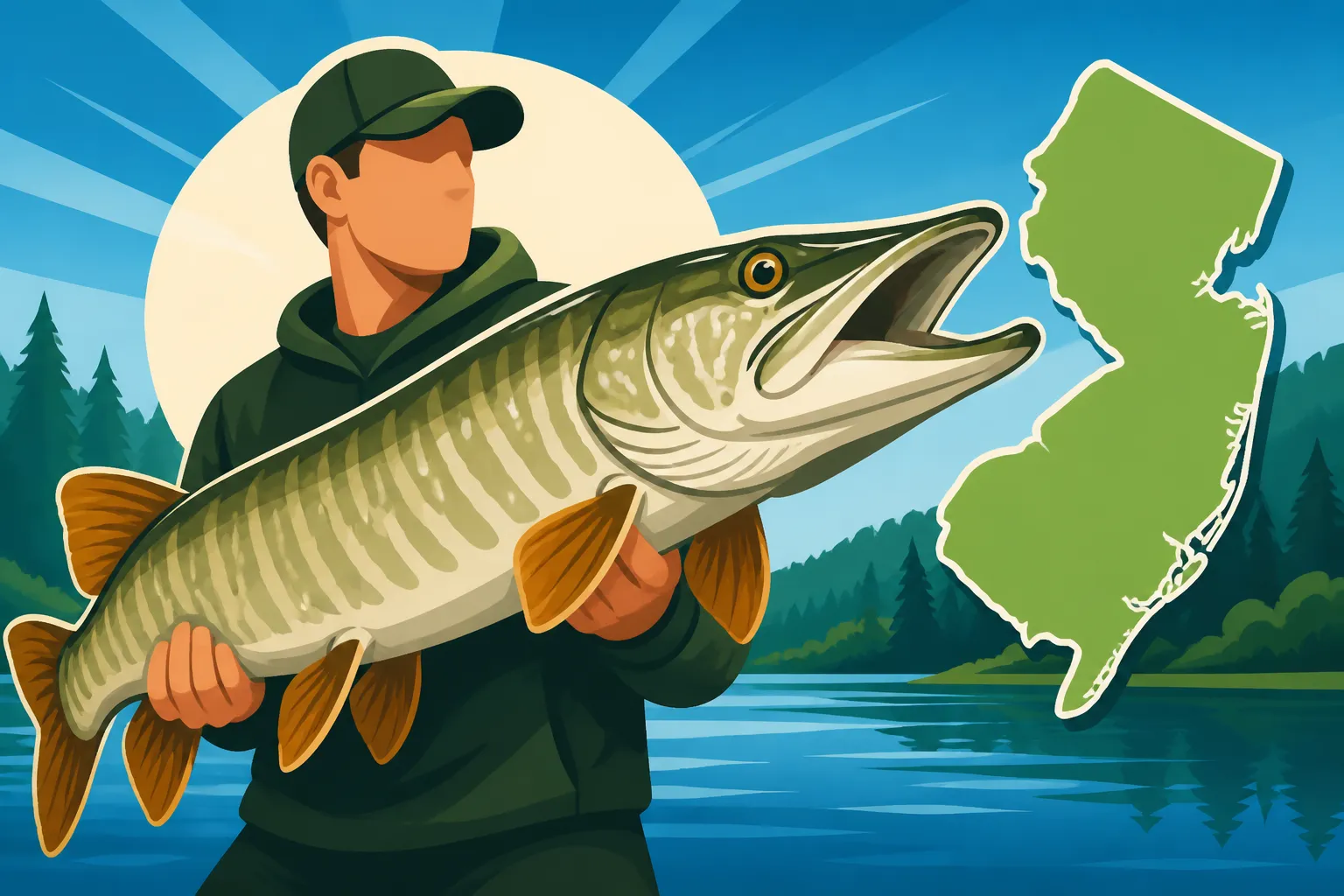
If you're an angler in New Jersey, you've likely heard the whispers, seen the photos, or perhaps even dreamt about hooking into one of our freshwater giants: the mighty Muskie. These elusive predators are the apex of many local lake ecosystems, and figuring out what size fish you can realistically expect to encounter is a common question. This guide will dive deep into the world of New Jersey Muskie, helping you understand their growth, the factors that influence their size, and what constitutes an "average" versus a "trophy" catch in our unique waters.
The Majestic Muskie in New Jersey Waters
For many freshwater anglers, the Muskie represents the pinnacle of fishing achievement. They are often called "the fish of 10,000 casts" for a reason – they demand patience, dedication, and the right approach. In New Jersey, we're lucky enough to have populations of these magnificent fish in several key lakes and reservoirs. It's a truly special experience to encounter one, whether it's a modest catch or a true behemoth.
These fish are not just big; they are powerful, cunning, and have a unique allure that draws anglers back again and again. Their torpedo-shaped bodies, sharp teeth, and incredible fighting spirit make them unforgettable. Understanding what makes them tick, especially concerning their size, is key to appreciating this incredible fishery.
Understanding Muskie Growth and Lifespan
Muskellunge, or Muskie as they are affectionately known, are relatively slow-growing fish, but they have the potential to reach impressive sizes and live for many years. Their growth rate is influenced by a complex cocktail of factors: genetics, the abundance of their prey, water temperature, and the overall health of their habitat. In a nutrient-rich lake with a plentiful supply of baitfish, a Muskie can pack on size more quickly than in a less productive system. This is a common pattern across all fish species; a well-fed fish is a fast-growing fish.
When we talk about lifespan, Muskie can live for a surprising number of years, sometimes well over a decade. This extended lifespan allows them to mature and reach those truly jaw-dropping sizes that become the stuff of legend among anglers. Protecting these older, larger fish through careful handling and catch-and-release practices is paramount to maintaining a healthy fishery and ensuring future generations of anglers have a shot at these giants. Every time a large Muskie is safely released, it gets another chance to grow even bigger, contributing to the overall health of the population.
General Size Expectations for New Jersey Muskie
So, what can you actually expect when targeting Muskie in New Jersey? While "average" can be a tricky word, most dedicated Muskie anglers in our state will tell you that a fish anywhere from roughly 30 to 45 inches is a solid, respectable catch. These are fish that have grown for several years, demonstrating their predatory prowess. They are thick, strong, and put up an incredible fight, providing a thrilling experience for anyone who hooks into one.
It's important to set realistic expectations. While pictures of monster Muskie often dominate social media, encountering one of these truly enormous fish is rare and requires immense luck and skill. However, even a smaller Muskie is a fantastic achievement, validating all the time and effort spent on the water. The good news is, New Jersey has dedicated New Jersey Muskellunge Waters where these fish are stocked and managed, giving you a legitimate shot at connecting with one of these freshwater titans. Don't underestimate the challenge or the reward of any Muskie, big or small.
Factors Influencing Muskie Size in New Jersey Lakes
Muskie don't just magically grow to impressive lengths and weights; their environment plays a critical role. Understanding these ecological factors can give you a better appreciation for the specific challenges and opportunities within New Jersey's Muskie fishery. It's a delicate balance that fishery biologists work hard to maintain, and anglers play a part in it too through responsible practices.
From the abundance of food to the quality of the water, every element in a Muskie's world contributes to its potential size. These are wild animals, after all, and their growth is a direct reflection of the resources available to them. Learning about these factors not only makes you a more knowledgeable angler but also a better steward of our aquatic resources.
Habitat and Forage Availability
Just like any predator, a Muskie needs a healthy larder to grow large. The lakes and reservoirs in New Jersey that hold Muskie are typically chosen because they have robust populations of baitfish – often referred to as "forage." These can include various species like suckers, alewives, shad, perch, and even smaller panfish like sunfish and crappie. If a Muskie has a steady, abundant supply of these protein-rich meals, it can allocate more energy to growth rather than expending excessive energy hunting.
Furthermore, the quality and structure of the habitat matter immensely. Muskie prefer lakes with plenty of submerged vegetation, rocky points, deep drop-offs, and fallen timber. These features provide ambush points for hunting and cover for resting. A healthy, complex habitat supports a diverse forage base and offers the Muskie the optimal conditions to thrive and grow. Lakes with ample cool, oxygenated water, particularly in summer, also contribute to the well-being of these cold-water predators. When you’re thinking about What Is the Best Bait Fish for Freshwater Predator Species?, remember that it’s often the same species that Muskie naturally prey upon.
Management and Stocking Programs
New Jersey's Muskie fishery isn't solely reliant on natural reproduction; it's heavily supported by active management and stocking programs by the state's Division of Fish and Wildlife. These programs are designed to enhance populations in suitable waters, ensuring there are fish for anglers to pursue. When we release fingerlings or juvenile Muskie into these lakes, the goal is to introduce healthy fish that will grow to a respectable size, eventually creating a self-sustaining sport fishery, or at least one that can be maintained through regular stocking.
The success of these stocking efforts directly impacts the average size of Muskie caught. If the stocked fish thrive, they contribute to a larger pool of mature, sizeable Muskie. Biologists carefully monitor these populations, studying growth rates and survival to fine-tune their stocking strategies. This ensures that the waters are not overstocked, which could lead to stunted growth due to competition for food, nor understocked, which would result in too few fish for anglers. It’s a continuous effort to create and maintain a balanced ecosystem where these incredible fish can reach their full potential.
The Thrill of the Catch: Average vs. Trophy Muskie
Every Muskie caught is a trophy in its own right. The sheer effort, persistence, and often cold, wet hours put into pursuing these fish mean that even a "smaller" Muskie is a monumental achievement. But there's no denying the allure of the true giants, the fish that push the tape measure well beyond the average. New Jersey has the potential for both, and understanding the distinction helps appreciate each individual catch.
Whether you're celebrating a first-time encounter with a Muskie or patiently pursuing that fish of a lifetime, the experience is what truly matters. It's about the connection with nature, the challenge, and the thrill of the chase. And let's be honest, every Muskie encounter leaves you wanting more.
What "Average" Truly Means on the Water
When you talk to most seasoned Muskie anglers in New Jersey, an "average" Muskie typically falls into the 30 to 45-inch range. These fish are usually quite healthy, with a good girth, and provide an exhilarating fight. They're often strong enough to make multiple powerful runs, head shakes, and even aerial displays that get your heart pounding. For many, catching a Muskie of this size is a perfectly satisfying outcome after a day or two (or several!) on the water.
It's also worth remembering that "average" doesn't mean "easy." Even a 30-inch Muskie is a formidable predator, demanding heavy-duty tackle and a thoughtful approach. The goal for many anglers is simply to catch a Muskie, regardless of its exact dimensions. Focusing on responsible catch-and-release techniques for all fish, especially those that are still growing, is crucial for improving the overall quality and size structure of our Muskie populations. Every released fish is an investment in the future of the fishery, providing more opportunities for everyone to experience the thrill of the catch. For more on their growth potential, you might be interested in how big muskie get.
Chasing the New Jersey Muskie State Record and Beyond
While the average Muskie offers a fantastic challenge, there's a different level of dedication reserved for those chasing truly monstrous fish – the "trophy" Muskie. These are the fish that break the 50-inch mark, pushing into extraordinary lengths and weights. Catching a fish of this caliber is a rare event, often the culmination of decades of fishing experience, meticulous preparation, and a healthy dose of luck.
New Jersey holds its own impressive What Is the New Jersey Muskie State Record?, a testament to the potential of our waters. Anglers who consistently target these larger fish often employ specific strategies, such as focusing on prime feeding windows, using exceptionally large baits, and spending countless hours in known big-fish haunts. They know that every cast could be the cast, and the anticipation alone is a huge part of the thrill. Gear becomes even more critical when pursuing these giants; you need heavy-duty rods, reels with robust drag systems, and strong, reliable line to withstand the brute force of a record-class Muskie. Many serious anglers will source their specialized gear, from oversized lures to custom rods, from reputable online retailers like Amazon, ensuring they have the very best for the challenge ahead.
Gear and Techniques for Targeting New Jersey Muskie
Catching a Muskie, no matter its size, requires specialized gear and techniques. You simply can't go after these toothy critters with your typical bass setup. Muskie fishing is a commitment, and that commitment extends to the tackle you choose. It's about being prepared for a fish that fights dirty, has a mouth full of razor-sharp teeth, and will test every component of your setup.
Having the right tools for the job not only increases your chances of landing one of these elusive predators but also ensures the safety of both the angler and the fish. Muskie are powerful, and wrestling a big one on inadequate gear can lead to broken lines, lost fish, and potentially, harm to an exhausted Muskie. Investing in quality Muskie-specific gear is a crucial step for anyone serious about pursuing them in New Jersey.
Essential Rods, Reels, and Lines
When you're gearing up for Muskie in New Jersey, think heavy-duty. These aren't dainty fish, and your tackle shouldn't be either. You'll want a heavy or extra-heavy action casting rod, typically between 8 and 9.5 feet long. The length provides leverage for casting large baits and controlling powerful fish. Pair that with a robust baitcasting reel designed for large lures and strong braided line, usually 65 to 100-pound test. The heavy braid is essential for handling big fish and preventing break-offs on sharp teeth or abrasive structure.
Don't forget the leader! Muskie have incredibly sharp teeth, and fluorocarbon or steel leaders are non-negotiable to prevent bite-offs. A heavy fluorocarbon leader (around 100-150 lb test) offers a good compromise between stealth and abrasion resistance, while solid wire leaders are often preferred for toothy fish, especially when using larger baits. You can find a fantastic selection of these specialized rods, reels, and lines by searching for "muskie fishing tackle" on Amazon, making it easy to assemble your formidable arsenal.
Lures, Baits, and Strategies
Muskie are opportunistic predators, but they respond well to large, aggressive presentations. Swimbait, jerkbaits, bucktail spinners, and soft plastics ranging from 6 to 14 inches (or even larger!) are common choices. Bucktails, in particular, are extremely popular for their flash and vibration, often triggering aggressive strikes. Other effective lures include large crankbaits, gliders, and topwater baits for those exhilarating surface strikes. For a deeper dive into bait selection, check out Best Lures for Muskie Fishing.
In terms of strategy, casting and retrieving repeatedly over prime habitat is fundamental. The "figure-eight" maneuver at the boat, where you sweep your lure in an "8" pattern next to the boat before lifting it out of the water, is a crucial technique that often triggers strikes from following Muskie. Trolling large crankbaits or bucktails is another effective method, especially for covering vast areas of water and targeting suspended fish. Many anglers find a lot of success exploring a wide range of lure options and specialized Muskie tools through online platforms like Amazon, where they can compare brands and read reviews to fine-tune their approach.
No matter the technique, persistence is key. Muskie fishing is a marathon, not a sprint. You might make hundreds, even thousands, of casts between bites, but that moment when a giant Muskie explodes on your lure makes every single cast worth it.
Here's a quick comparison of what you might consider "average" versus "trophy" Muskie expectations in New Jersey:
| Characteristic | Average New Jersey Muskie | Trophy New Jersey Muskie |
|---|---|---|
| Length | 30 to 45 inches | 45 inches and above |
| Weight | 5 to 20 pounds | 20 pounds and higher |
| Age | 4-8 years | 8+ years |
| Rarity | Challenging but attainable | Extremely rare |
| Fight | Strong, powerful runs | Brutal, endurance-testing |
| Gear | Heavy Casting, 65-80lb Braid | Extra-Heavy, 80-100lb Braid |
In the end, chasing Muskie in New Jersey is an adventure. Whether you land a respectable 35-inch fish or are lucky enough to encounter a true leviathan, each experience is a testament to the incredible freshwater fishing opportunities our state provides. Keep learning, keep casting, and most importantly, keep enjoying every moment on the water.
Disclaimer
This article is for general informational purposes only and does not constitute professional advice. Laws, prices and regulations vary by location and change over time. Consult a qualified professional for guidance on your specific situation.