How to Fish Clear Water Lakes Like Round Valley Reservoir
Round Valley Reservoir clear water fishing strategies help anglers catch wary fish using stealth, fluorocarbon lines, and deep water tactics.
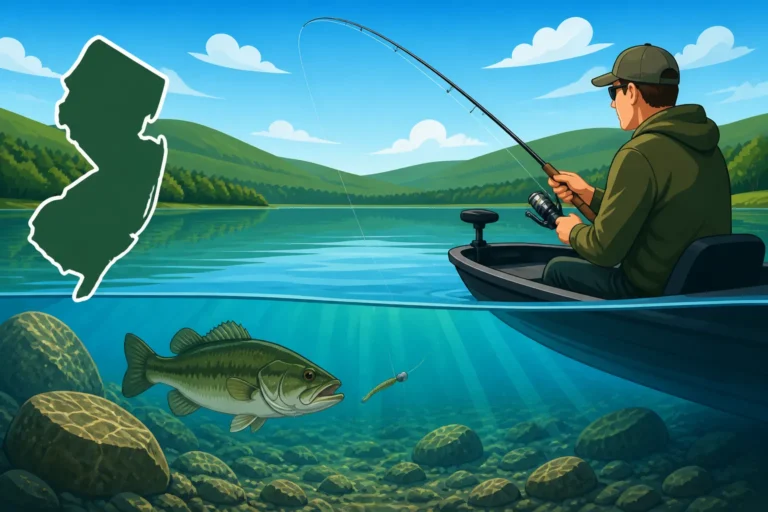
Round Valley Reservoir clear water fishing strategies help anglers catch wary fish using stealth, fluorocarbon lines, and deep water tactics.
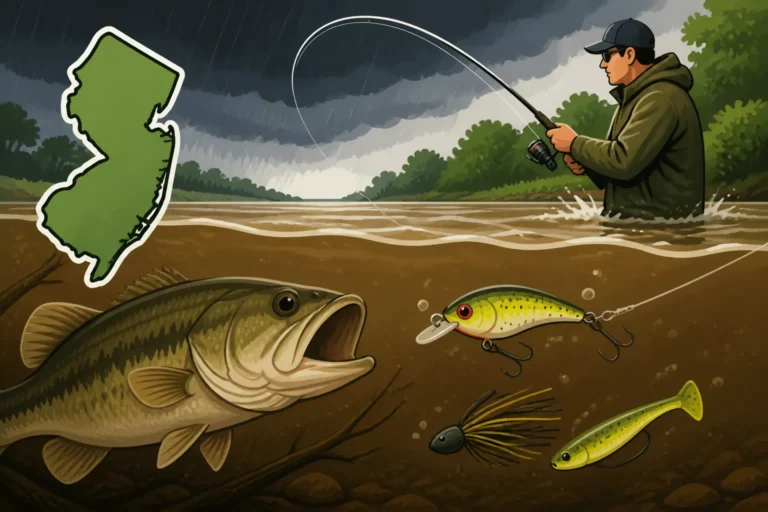
Muddy water after heavy rain reduces fish visibility, requiring anglers to use vibrations and scents near feeder creeks.
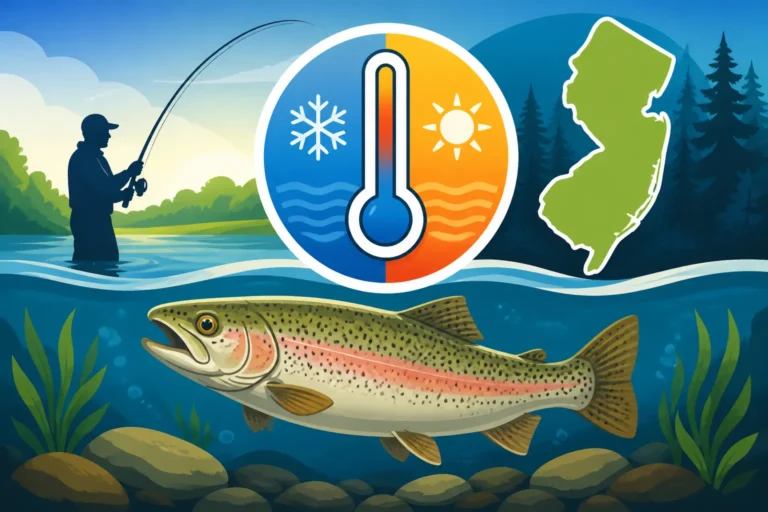
Water temperature ranges for New Jersey trout streams and lakes dictate fish metabolism, oxygen needs, and feeding behavior.
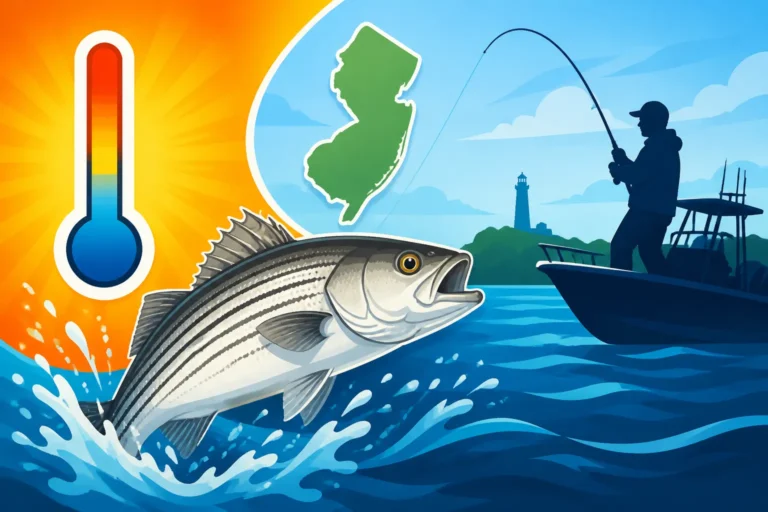
New Jersey striped bass behavior and migration patterns depend heavily on water temperatures ranging between 55 and 68 degrees.
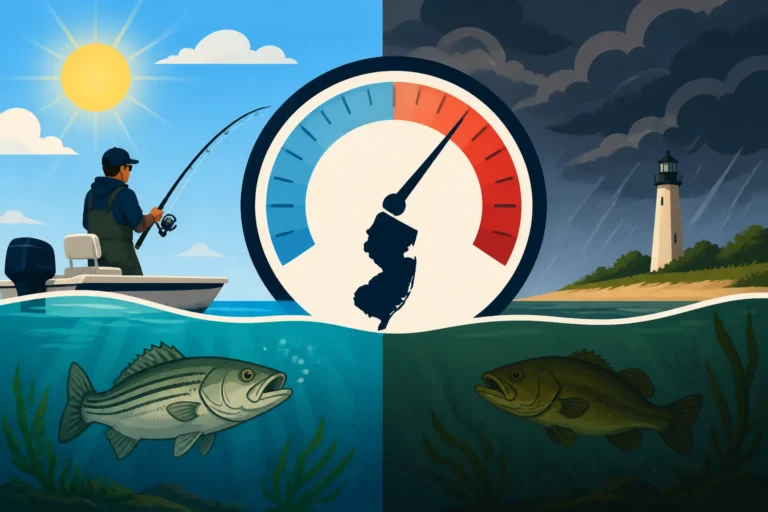
Barometric pressure changes and swim bladder compression in New Jersey waters influence fish behavior and feeding patterns.

Barometric pressure changes before storms trigger fish feeding frenzies, while post-storm shifts affect post-rain fishing success.
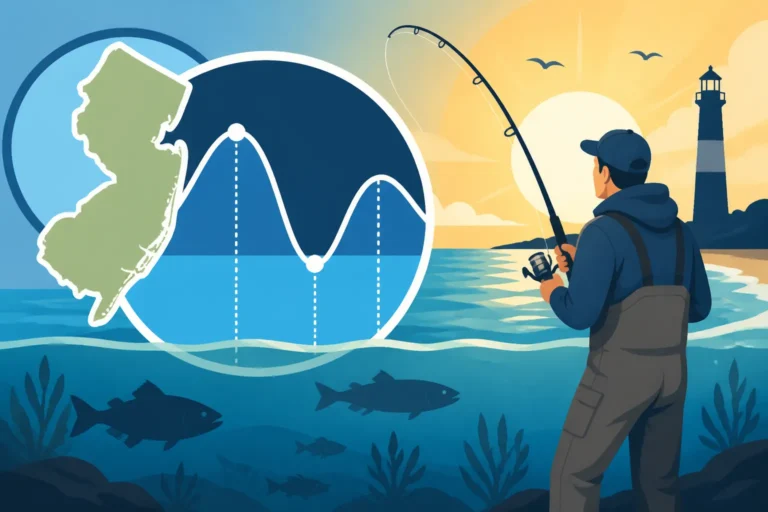
New Jersey tide charts explain flood tides, ebb tides, and slack water phases so anglers plan productive fishing trips.

New Jersey inlet tides dictate fishing success by moving baitfish and striped bass through coastal waterways during specific tidal phases.

Jetty fishing safety rules explain how anglers manage slippery moss, sharp barnacles, ocean surges, tides, and hidden drop-offs.

Sunrise and sunset hours on New Jersey beaches provide optimal low light conditions for catching striped bass and bluefish.