Best Time to Fish New Jersey’s Backwaters at Low Tide
Oh, the age-old angler's lament: "Low tide? Might as well stay home!" Many of us have been there, watching the water recede from New Jersey's back bays and estuaries, assuming the fish have packed their bags and headed for deeper pastures. But I'm here to tell you, my friend, that thinking couldn't be further from the truth! This guide is all about unlocking the hidden potential of fishing New Jersey's backwaters during low tide, revealing why this often-overlooked period can actually be some of the most productive fishing you'll experience, and how to make the most of it.
Understanding New Jersey's Backwaters and Tides
Before we dive into the nitty-gritty of low tide strategies, let's make sure we're all on the same page about what "backwaters" actually entails here in New Jersey, and how our legendary tides influence them. It's not just about ocean beaches; our state is blessed with an intricate network of waterways that are absolutely teeming with life.
What Exactly Are Backwaters in New Jersey?
When I talk about New Jersey's backwaters, I'm referring to those protected, often shallower bodies of water tucked behind the barrier islands or extending inland from our main bays. Think of places like the vast expanse of Barnegat Bay, the sprawling marshes of Great Bay and the Mullica River system, or the countless creeks, guts, and small tidal rivers that wind their way through our coastal plains. These areas are characterized by their often murky, nutrient-rich waters, abundant seagrass beds, oyster shells, and varying depths. They're nurseries for countless species, a buffet for larger predators, and a sanctuary from the relentless surf of the open ocean.
These aren't just stagnant ponds; they're dynamic ecosystems constantly shaped by the push and pull of the ocean. This connection to the sea, even if indirect, is what makes them so vibrant and productive. Understanding the geography of these areas, from Toms River to the smaller feeder creeks around Cape May, is key to visualizing how fish move and behave.
The Rhythmic Dance of the Tides
Our tides along the Jersey Shore are a powerful force, dictating not just boat traffic but the very pulse of the fishing. The ocean's gravitational pull creates a constant rise and fall of water, typically happening twice a day – two high tides and two low tides within roughly a 24-hour cycle. In the backwaters, this tidal exchange is often amplified or delayed compared to the open coast. The incoming tide brings in cooler, cleaner ocean water and often baitfish, while the outgoing tide pulls water, nutrients, and bait out from the shallower reaches.
Many anglers instinctively prefer a rising or high tide, believing it offers more water and thus more fish. And while high tide certainly has its advantages, like allowing boats into shallower areas, it also disperses fish more widely. The beauty of the backwaters is that these tidal movements create very specific opportunities, especially when the water level drops.
Decoding the Tide Chart for Backwaters
You wouldn't head out on a road trip without a map, right? Well, fishing the backwaters without a tide chart is just as nonsensical! It's your essential guide. Tide charts provide predicted times for high and low water for specific locations. However, don't just look up "Atlantic City" if you're planning to fish a creek off Great Bay. Tidal currents and times can vary significantly even within a few miles of each other, especially as you move further inland into the narrower channels of the backwaters.
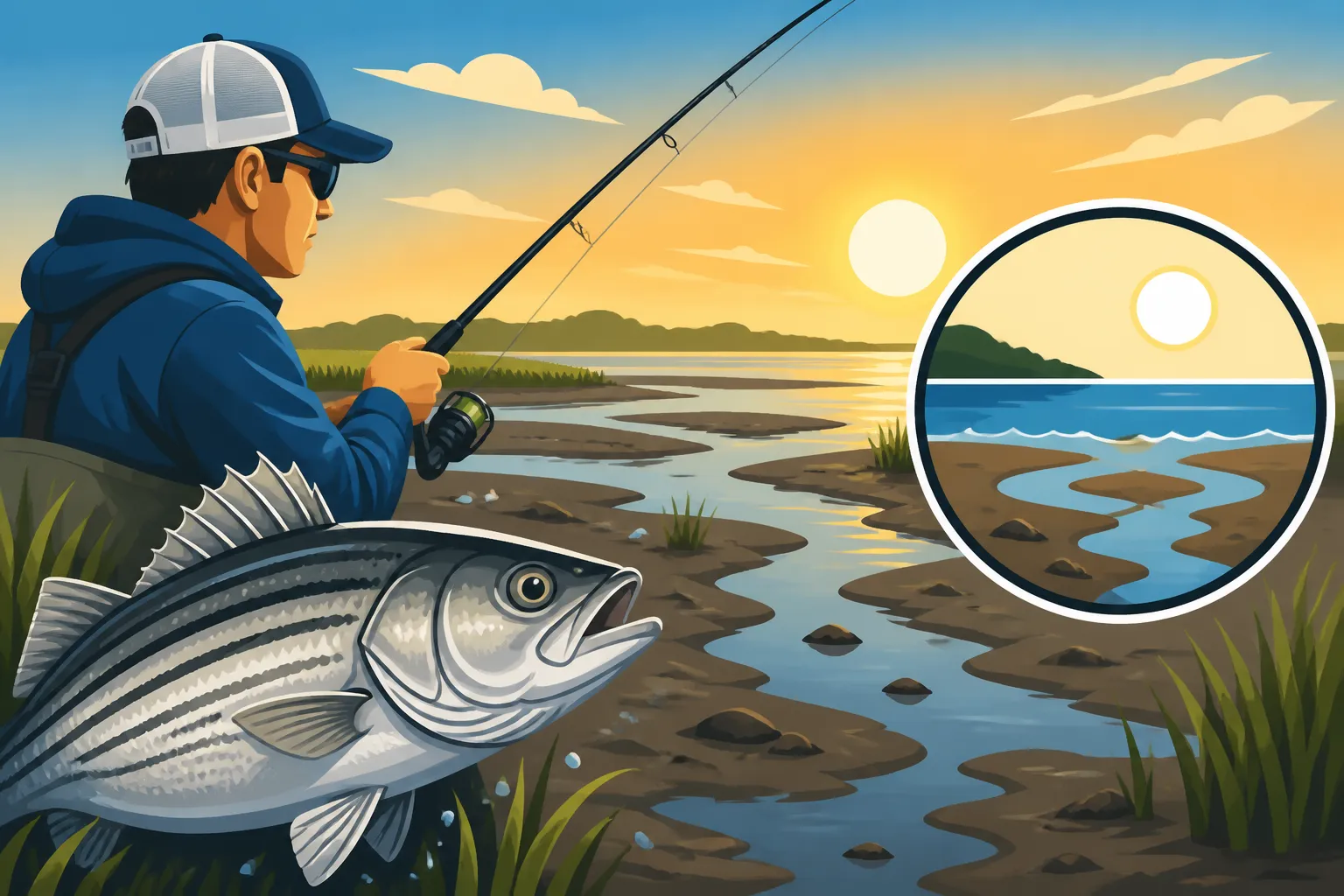
Pay attention to the height of the tide as well. A "negative" low tide, where the water drops significantly below average, can expose vast mud flats and truly concentrate fish. Many excellent apps and websites provide localized tide information, but it's crucial to understand that these are predictions. Wind direction and strength can also heavily influence actual water levels in the backwaters, either pushing water in or holding it out. Learning How to Read Tide Charts for Better Fishing in New Jersey is a game-changer for any angler, especially in these intricate systems.
The Unsung Advantages of Low Tide Fishing
If you've ever dismissed low tide as a "bad time to fish," prepare to have your mind changed. For those of us who know its secrets, low tide in the backwaters offers some truly unique and often overlooked advantages that can lead to some of the most exciting fishing of the year.
Concentrated Fish and Bait
This is the golden rule of low tide backwater fishing: as the water recedes, fish have fewer places to hide, and their food sources become more exposed and concentrated. Imagine a giant bathtub slowly draining – all the toys (fish and baitfish) are going to end up in the deeper parts or around any remaining structure. Smaller baitfish like peanut bunker, spearing, and mullet, which might be spread out over acres of shallow marsh at high tide, are now forced into the main channels, guts, and potholes.
This concentration of bait naturally attracts predators like striped bass, bluefish, and fluke. They know these pinch points are easy ambush spots. You might see frantic baitfish activity, indicating that bigger fish are actively feeding. This makes targeting them significantly easier, as you're not casting into an endless expanse of water hoping to hit a scattered fish. It's like finding a buffet line for predators!
Identifying Productive Structure
At high tide, so much of the productive bottom structure in the backwaters is hidden from view. You might motor over a submerged oyster bed or a hidden creek mouth without ever knowing it's there. But at low tide, the entire landscape changes. Sandbars, oyster reefs, mussel beds, submerged rocks, old pilings, and even subtle depth changes become visible or at least more defined. This is your chance to scout!
These revealed structures aren't just interesting to look at; they're prime fish-holding spots. Oyster beds provide cover and food for baitfish and crabs, which in turn attract larger game fish. Deep holes and cuts in sandbars offer refuge as the water drains. Identifying these features at low tide gives you invaluable information for planning your attack when the water returns, or even for targeting them directly during the low-water period. Take notes, snap photos, or drop a pin on your GPS. This scouting will pay dividends for future trips.
Easier Access to Prime Spots
This advantage applies primarily to shore anglers, wade fishermen, and kayakers. At high tide, vast marsh flats might be impassable, forcing you to stay on main docks or piers. But at low tide, those very flats can become walkable, opening up access to creek mouths, marsh edges, and secluded pockets that are otherwise unreachable. Imagine being able to walk out to the edge of a deep channel that's usually only accessible by boat!
For those with lighter craft like kayaks or canoes, low tide can make navigating shallow areas easier, allowing you to paddle into extremely skinny water where bigger boats can't go. Just be mindful of getting stranded! However, for bank anglers, it means you can often get closer to the productive areas where fish are now concentrated. This also means you can often spot fish, especially fluke or even striped bass, holding in depressions or along channel edges, giving you a sight-fishing advantage. Where to Fish From Shore Along the Jersey Shore often involves leveraging these low tide access points.
Strategies and Gear for Low Tide Success
Now that you're convinced low tide isn't the enemy, let's talk about how to actually catch some fish! Success at this stage of the tide often requires a slightly different approach than fishing at high tide, focusing on precision, stealth, and understanding fish behavior.
Presenting Baits and Lures Effectively
The key to low tide backwater fishing is presenting your bait or lure right in the fish's face, or at least in the high-traffic areas. Since fish are more concentrated, they might be more aggressive, but they also have less room to evade your presentation.
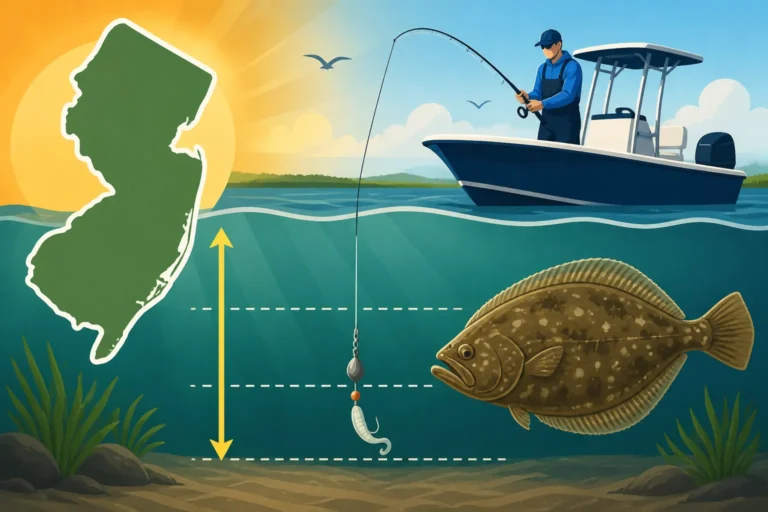
- Jigging and Dropping: For fluke and striped bass, bucktail jigs are absolutely deadly. Work them along channel edges, near exposed oyster beds, or into deep holes. Tipping your jig with a strip of Gulp! or a spearing can increase its appeal. For fishing structure like bridge pilings or dock supports, a simple jig-and-soft-plastic combination or even a weighted bait rig with some clam or crab can be effective. The goal is to get your offering down to where the fish are holding without getting snagged.
- Live Bait: If you can net some local baitfish like peanut bunker or mullet, they are dynamite during low tide. Present them on a simple rig with a small weight to keep them in the strike zone. Fish don't have to work hard to find a distressed baitfish struggling in a confined area.
- Artificials: Soft plastics, especially paddle tails or jerk shads rigged on jig heads, are versatile for targeting striped bass and bluefish. Work them slowly with a twitch-and-pause retrieve near any visible structure or along current seams. Small topwater poppers can also be exciting if you spot fish busting on concentrated bait. For gear, a good selection of soft plastics can be found on Amazon, offering various sizes and colors to match the prevalent bait.
When the water is low, fish can be spooky. Make long casts, keep your shadows off the water, and approach quietly. Remember, you're invading their last refuge.
Essential Gear for Low Tide Anglers
Your gear setup will depend on whether you're fishing from shore, wading, or using a small boat.
- Rods and Reels: For most backwater low tide fishing, a medium-light to medium power spinning rod (7-8 feet) paired with a 2500-4000 series spinning reel spooled with 10-20 lb braided line is a versatile choice. This setup offers enough backbone for larger fish but is light enough for sensitive presentations. A fluorocarbon leader of 20-30 lb test is recommended for abrasion resistance and stealth.
- Waders: If you're serious about accessing those prime low tide spots from shore, a good pair of chest waders is indispensable. They allow you to safely walk out onto flats or into shallow channels. Make sure they fit well and consider wading boots with good grip, as mud can be incredibly slick. You can find reliable waders on Amazon, often at a reasonable price point.
- Tackle Bag/Backpack: Keep your gear minimal and mobile. A small tackle bag or backpack with essential jigs, soft plastics, extra leaders, a set of pliers, and a cutting tool is perfect. Avoid lugging a huge tackle box that will hinder your mobility.
- Net/Fish Gripper: Especially when wading, a sturdy net or fish gripper is crucial for safely landing and releasing fish. This is particularly true if you’re fishing for species like New Jersey Striped Bass Slot Limit Explained which often require careful handling for release.
A decent pair of polarized sunglasses will help you spot structure and fish in the clearer, shallower water conditions that often accompany low tide.
Target Species and Their Low Tide Habits
Different species react to low tide in their own unique ways, but generally, the concentration factor benefits anglers targeting predatory fish.
- Striped Bass: Our beloved stripers love low tide in the backwaters. They'll often school up in deeper channels, at the mouths of creeks, or along sharp drop-offs, waiting to ambush baitfish being flushed out. Look for nervous bait or subtle swirls that indicate their presence. Early morning or late evening low tides can be particularly productive as the fish move out of their deeper holding patterns to feed. Understanding When Do Striped Bass Migrate Through New Jersey? can also help you predict when these fish will be most abundant in the backwaters.
- Fluke (Summer Flounder): Fluke are ambush predators, and low tide provides perfect ambush conditions. They'll bury themselves in the sand or mud at the bottom of channels, at the edges of oyster beds, or near any structure, waiting for baitfish to drift by. Drifting a bucktail or a Gulp! shrimp along these deep edges can be incredibly effective. Pay close attention to subtle bites, as fluke can be surprisingly gentle. New Jersey fluke fishing techniques are often perfected during these low water periods.
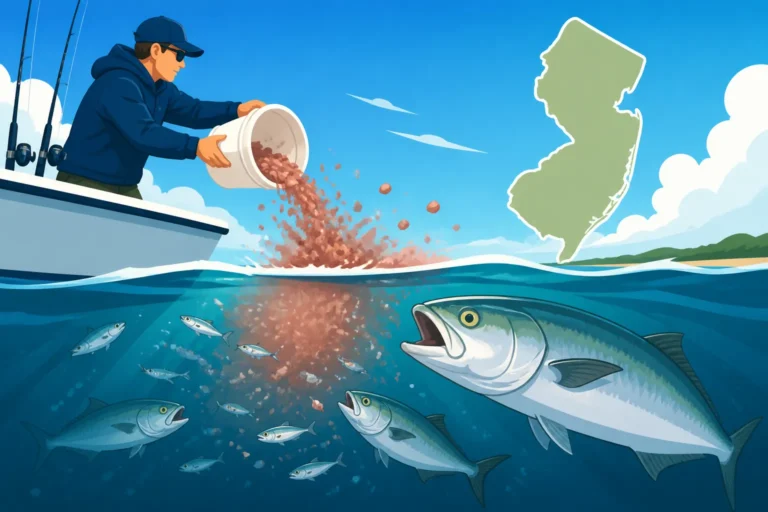
- Bluefish: The choppers are also opportunists and will move into constricted areas at low tide to feed. They can be aggressive, often busting on bait schools. If you see surface activity, throw a fast-moving lure like a metal spoon or a popper. Be sure to use a heavier leader or wire bite leader if you're specifically targeting blues, as their teeth can make short work of monofilament.
- Speckled Trout (Weakfish): While not as abundant as they once were, weakfish can still be found in our backwaters, and they too will concentrate in deeper holes during low tide. They prefer soft plastics or small jigs worked slowly. Best Time to Catch Weakfish in New Jersey often coincides with these predictable feeding patterns.
| Tide Stage | General Fish Behavior (Backwaters) | Recommended Techniques | Best Species to Target |
|---|---|---|---|
| Low Tide | Fish and bait concentrated in deeper channels, holes, and around exposed structure. Less area to hide. | Jigging (bucktails, soft plastics), live bait (peanut bunker, mullet), small topwaters if actively feeding. | Striped Bass, Fluke, Bluefish, Weakfish |
| Incoming Tide | Fish begin to move into shallower areas, exploring newly submerged structure. Bait flows in from the ocean. | Drifting baits, casting to marsh edges, targeting creek mouths. | Striped Bass, Fluke, Bluefish |
| High Tide | Fish dispersed over wider areas, hiding in submerged grass flats, deeper marsh areas. | Trolling, fan casting, exploring hard-to-reach spots. | Largemouth Bass (tidal creeks), Pickerel, various panfish, also Stripers and Fluke |
| Outgoing Tide | Fish move out of shallows, following bait towards deeper channels. Prime feeding time. | Fishing outflows, channel edges, current seams with bait or lures. | Striped Bass, Fluke, Bluefish, Eels |
Safety, Conservation, and Respecting the Environment
Fishing New Jersey's backwaters at low tide is incredibly rewarding, but it also comes with its own set of considerations. Being mindful of your surroundings, practicing responsible angling, and respecting the delicate ecosystem is paramount.
Navigating Mud Flats and Shifting Channels
One of the biggest hazards for land-based anglers at low tide is getting stuck in the mud. New Jersey's backwaters are famous for their soft, silty bottoms. What looks like firm sand might be ankle-deep (or worse!) mud. Always test the ground ahead of you with a wading staff or your rod tip. Stick to established paths or areas you know are firm. If you're wading, move slowly and deliberately. If you do find yourself sinking, try to spread your weight out and slowly work your legs free – don't panic.
For boaters, navigating during low tide can be tricky. Channels become narrower and shallower, and sandbars or oyster reefs that were safely submerged at high tide become navigational hazards. Always consult your charts, go slow, and pay attention to your depth finder. Consider anchoring outside a tricky area and wading in if conditions allow. Many boats get stuck on unexpected shoals during a dropping tide.
Practicing Responsible Catch and Release
Low tide often means fish are stressed due to higher water temperatures in shallower areas, reduced oxygen levels, and increased crowding. If you're practicing catch and release, it's even more critical to handle fish with care. Minimize their time out of the water, use wet hands when handling, and ensure they are revived properly before release. Circle hooks are a fantastic tool, especially when bait fishing, as they significantly reduce gut hooking. Learn more about New Jersey catch and release rules and make them a part of your routine.
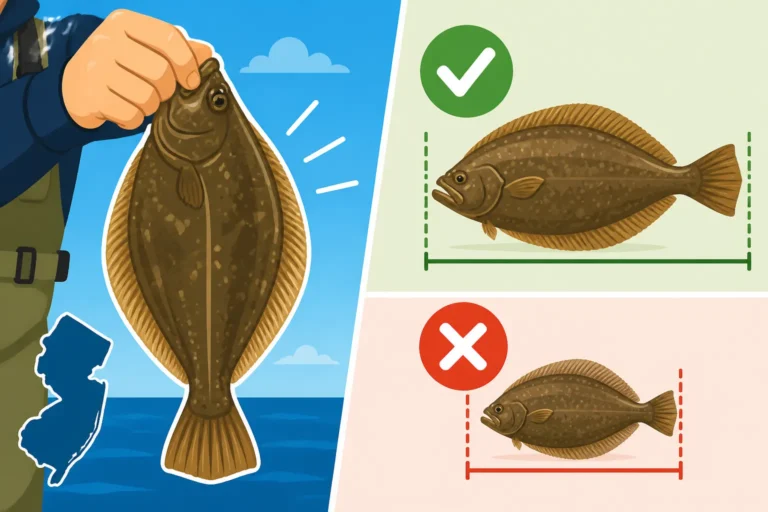
It's also a good idea to be aware of the specific regulations for the species you're targeting. New Jersey Daily Bag Limits by Species can change, so always check the latest digest before heading out. Overharvesting during concentrated low tide conditions can negatively impact local fish populations.
Respecting Private Property and Wildlife
Many of New Jersey's backwaters are bordered by private property. Always be respectful of landowners and their boundaries. Access points might be public, but the land directly adjacent may not be. If you're walking along marsh edges, be aware of nesting birds or other wildlife. The backwaters are a vital habitat, and minimizing your disturbance helps protect these sensitive environments.
Additionally, remember that other users, like clam diggers, crabbers, or kayakers, may be out enjoying the low tide as well. Be courteous and share the space. A little common sense and respect go a long way in ensuring these beautiful fishing grounds remain accessible and productive for everyone.
Embrace the low tide, my friends. It's not a time to pack up your gear, but a golden opportunity to witness the hidden life of New Jersey's backwaters and perhaps catch the fish of a lifetime.
Disclaimer
This article is for general informational purposes only and does not constitute professional advice. Laws, prices and regulations vary by location and change over time. Consult a qualified professional for guidance on your specific situation.