How to Layer Clothing for Late-Fall Surf Fishing
There’s nothing quite like the raw energy of late-fall surf fishing in New Jersey. The solitude, the crashing waves, and the incredible opportunities for big striped bass or tautog make it truly special. But let’s be real: the weather can be downright brutal, and showing up unprepared for the cold can quickly turn an epic outing into a miserable, short-lived ordeal. This comprehensive guide will walk you through the essential principles of layering your clothing so you can stay warm, comfortable, and focused on the fishing, even when the thermometer dips and the wind howls off the Atlantic.
Understanding the Late-Fall New Jersey Surf Environment
Late fall along the New Jersey coast isn't just "chilly"—it's a dynamic, often unforgiving environment that requires smart preparation. The air temperature might feel one way when you step out of your car, but once you're on the open beach, exposed to the elements, everything changes. The ocean itself, while perhaps a bit warmer than the air initially, will quickly leach warmth from you if you get wet.
The Chill of Coastal Winds and Water
One of the biggest factors that gets overlooked is the wind. Even if the air temperature is, say, 45 degrees Fahrenheit, a steady 15-20 mph breeze can make it feel like 30 degrees or colder, thanks to the wind chill factor. This effect is amplified when that wind is carrying damp sea spray, which is almost always the case when you're casting into a good surf. You're not just dealing with cold air; you're dealing with cold, wet air that penetrates exposed skin and quickly wicks away body heat. Remember, the goal isn't just to be warm, but to stay warm throughout your entire session, which could be hours.
Then there's the water itself. Even if you're not planning on wading, a rogue wave, a slip on a jetty, or even just reeling in a fish can get you soaked. And when that happens in cold weather, your clothing needs to be designed to handle it. Cotton, for instance, becomes a thermal liability when wet, losing all its insulating properties and actually drawing heat away from your body. You need materials that perform even when damp, because getting completely soaked is always a possibility when you're New Jersey Surf Fishing Techniques.
Unexpected Cold Snaps and Weather Swings
Another common frustration for late-fall anglers in New Jersey is the unpredictable nature of the weather. One day might feel crisp and clear, the next could bring a sudden drop in temperature, rain, or even an early season snow flurry. The forecast might say 50 degrees and sunny, but then a cold front pushes through, the clouds roll in, and suddenly it's 35 degrees with a biting northwest wind. Being stuck miles from your car, shivering, is no fun for anyone. This means your layering strategy needs to be flexible enough to adapt to these rapid changes. You want to be able to shed a layer if you're working up a sweat from casting, and then easily put it back on when the sun ducks behind the clouds or the wind picks up. It's about preparedness, not just for the average conditions, but for the worst-case scenario on any given day.
The Art of Layering: Principles for Warmth and Flexibility
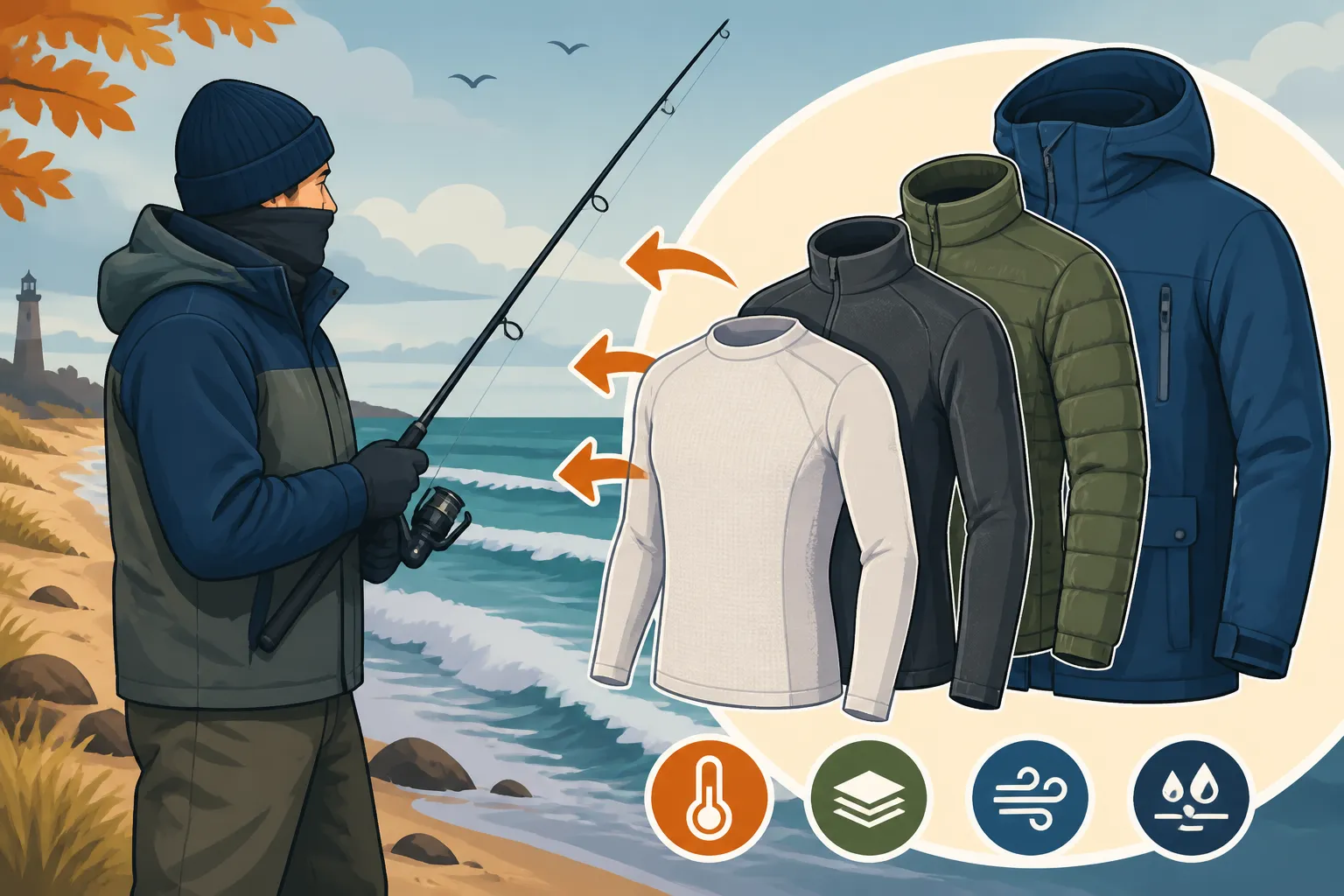
Layering isn't just about piling on clothes; it's a strategic approach to maintaining your body's core temperature while allowing for adjustments based on your activity level and the changing weather. Each layer serves a distinct purpose, working together to trap warmth, manage moisture, and protect you from the outside world.
The Base Layer: Your Second Skin
Think of your base layer as your personal climate control system. Its primary job is to wick moisture—sweat—away from your skin. When you're actively casting, walking the beach, or fighting a strong fish, your body generates heat, and with it, sweat. If that sweat stays on your skin, it cools rapidly and makes you feel clammy and cold, even with other layers on.
For a late-fall surf fishing trip in New Jersey, you absolutely want a good quality synthetic material like polyester or polypropylene, or natural fibers like merino wool. Merino wool is a fantastic choice because it's soft, warm even when damp, and naturally odor-resistant, which is a nice bonus if you're out for a long day. Avoid cotton at all costs for your base layer. A long-sleeve top and matching bottoms are ideal. You can find excellent options for these types of base layers, even specialized fishing ones, on platforms like Amazon. They come in various thicknesses, often labeled as lightweight, midweight, or heavy. For late fall, a midweight is usually a good starting point, and you can always adjust your other layers accordingly.
The Mid-Layer: Insulation Against the Cold
The mid-layer is your primary source of insulation. Its job is to trap warm air close to your body, creating a thermal barrier against the cold. The key here is loft—the fluffiness of the material, which creates tiny air pockets.
Fleece is a classic and highly effective mid-layer material. It's relatively lightweight, warm, and dries fairly quickly. You'll want a quality fleece jacket or pullover, perhaps a 200-weight or 300-weight for colder days. Another excellent option is a puffy jacket filled with synthetic insulation (like Primaloft) or down. Down is incredibly warm for its weight, but it loses its insulating properties if it gets wet, so it's often best used under a waterproof outer shell. Synthetic insulation, on the other hand, performs better in damp conditions. A good mid-layer should allow for freedom of movement, especially across the shoulders and arms, so you can cast without feeling restricted. You might even consider having a couple of different mid-layer options, like a lighter fleece for milder days and a heavier synthetic puffy for when the temperatures really drop.
The Outer Layer: Your Shield Against the Elements
This is arguably the most critical layer for surf fishing, as it's your frontline defense against wind, rain, and ocean spray. Your outer layer, or shell, needs to be both waterproof and windproof to keep those elements from penetrating to your inner layers. Equally important, it needs to be breathable. If it's not breathable, the sweat and moisture from your body will condense on the inside of the shell, making your inner layers damp and ultimately defeating the purpose of your wicking base layer.
Look for a quality fishing-specific jacket and bib pants made from materials like Gore-Tex, eVent, or other proprietary waterproof/breathable fabrics. These often have sealed seams, adjustable cuffs, and hoods designed to keep water out. The bib pants are crucial because they extend high up your torso, preventing cold drafts or splashes from getting in where your jacket and pants meet. For a wide selection of waterproof and breathable outer shells, many anglers turn to retailers such as Amazon, where you can compare different brands and features. Don't skimp on this layer; it’s an investment that will make or break your comfort on a brutal late-fall day. Remember, the outer layer is not typically designed for warmth itself, but rather to protect the insulating mid-layers.
Essential Gear for Head, Hands, and Feet
It’s easy to focus on your torso, but if your extremities aren't properly protected, you'll still be miserable. Your head, hands, and feet are major points of heat loss, and keeping them warm is paramount for overall comfort and even safety.
Keeping Your Head and Neck Warm
Your head can account for a significant amount of heat loss, so a warm hat is non-negotiable. A fleece beanie or a wool hat that covers your ears is a must. On really brutal days, especially with a cold wind, consider a balaclava or a neck gaiter (often called a "buff" by anglers). These can be pulled up over your nose and mouth to protect your face from windburn and help warm the air you breathe. When the wind is whipping off the ocean, that cold air on your face can be surprisingly draining, so having full coverage makes a huge difference. Sometimes, wearing a baseball cap under your beanie can even add a little extra wind protection for your forehead, especially if your beanie is thin.
Protecting Your Hands from the Chill
Cold, numb hands make tying knots, baiting hooks, and even holding your rod a nightmare. You need gloves, but they need to allow for dexterity. Many anglers opt for fingerless gloves made of fleece or neoprene, which offer some warmth while leaving your fingertips free for intricate tasks. For truly frigid conditions, especially if you anticipate getting wet, waterproof gloves or mittens are a lifesaver. Some anglers prefer a pair of thinner, tight-fitting gloves that they can wear under a larger, waterproof pair. You can temporarily remove the outer pair for quick tasks, then immediately put them back on. Neoprene gloves are particularly popular for their ability to insulate even when wet, often found on sites like Amazon. Having a spare pair in your bag is also a wise move, just in case your primary pair gets soaked.
Waterproof Footwear and Warm Socks Are Non-Negotiable
Cold, wet feet are a fast track to misery. For surf fishing, waterproof boots are essential. Many anglers rely on knee-high rubber boots or insulated wading boots. If you're using chest waders, make sure they are insulated and have good quality booties. The key is to keep your feet completely dry and protected from both standing water and splashes.
Inside those boots, your sock choice is critical. Forget cotton socks; they’ll hold moisture and chill your feet. Instead, invest in high-quality wool or synthetic blend socks. Merino wool socks are fantastic because they provide excellent insulation, wick moisture, and remain warm even if they get a little damp. You might even consider wearing two pairs: a thin wicking liner sock underneath a thicker wool sock. This combination helps move moisture away from your skin and adds an extra layer of trapped air for warmth. Make sure your boots aren't so tight that they constrict blood flow, as this will actually make your feet colder. Having dry, warm feet will make a profound difference in your comfort level and how long you can stay out fishing.
Practical Tips and Common Mistakes to Avoid
Even with the best gear, a few practical tips can elevate your late-fall surf fishing experience from merely tolerable to genuinely enjoyable. It’s often the little things that make the biggest difference when battling the elements.
Dressing for the Drive vs. Dressing for the Beach
Here's a common mistake: getting fully bundled up in your driveway, only to start sweating profusely in your car on the way to the beach. You arrive already damp, and that trapped moisture quickly turns into a cold chill once you hit the open air. Instead, dress in your base and maybe a lighter mid-layer for the drive. Keep your heavier outer layers, insulated jacket, and bibs in a separate bag. Once you arrive at your fishing spot, step out, get a feel for the actual conditions, and then put on your final layers. This simple trick prevents you from overheating before you even make your first cast.
Another consideration: remember you'll be exerting yourself while carrying gear, walking on sand, and casting. You don't want to overdress to the point of overheating during activity, only to then freeze when you're standing still, waiting for a bite. The beauty of layering is the ability to adjust. If you start to feel warm, consider unzipping your jacket or removing a mid-layer for a few minutes to regulate your temperature before you start sweating excessively. It's a delicate balance, but one you'll master with practice and by listening to your body.
Don't Forget the Spare Gear Bag
This might sound like overkill, but a small dry bag or backpack with spare essential items can be a game-changer. Imagine you accidentally step into a deeper pool of water than expected, or a huge wave washes over the jetty and soaks your gloves. Without spares, your trip might be over.
My personal spare bag often contains:
- A clean, dry pair of wool or synthetic socks.
- An extra hat or balaclava.
- A spare pair of waterproof gloves.
- A small towel.
- Maybe even an emergency hand warmer packet.
Having these backups gives you peace of mind and the ability to quickly recover from an unexpected drenching. Even if it's just a small splash that makes one glove feel damp, swapping it out for a dry one can instantly restore your comfort. You can keep this bag in your vehicle, or if you're staying close to your fishing spot, stash it somewhere easily accessible. It’s about being prepared for anything the Jersey Shore can throw at you during the late fall. Remember to always check the latest New Jersey Fishing Season Dates and Closures and local conditions before heading out, and perhaps check out resources on Best Time of Day to Surf Fish to align your layering with prime fishing hours. For specifics on rods, consider Best Rod Length for Jersey Shore Surf Fishing, and if you're wondering about terminal tackle, What Pound Test Line for Surf Fishing might be helpful. If you're fishing near structure, understanding How to Fish Around Jetties Safely is also key, and How to Rig a Sinker for Surf Fishing in Windy Conditions is directly relevant to late-fall conditions. And of course, having the right Best Bait for Surf Fishing in New Jersey is just as important as being comfortable while using it. Knowing How to Cast Farther When Surf Fishing can also help you reach those fall striper schools. Also, familiarizing yourself with How to Read a Rip Current for Safer Surf Fishing is always a good safety practice.
| Layer Type | Purpose | Recommended Materials | What to Avoid | Key Feature for Fishing |
|---|---|---|---|---|
| Base Layer | Wicks moisture away from skin | Merino wool, Synthetic (polyester, polypropylene) | Cotton | Quick-drying, comfortable against skin |
| Mid-Layer | Insulates, traps warm air | Fleece (200-300 weight), Synthetic insulated jackets | Cotton, Bulky knits | Warmth-to-weight ratio, easy to move |
| Outer Layer | Protects from wind, rain, and spray | Gore-Tex, eVent, other waterproof/breathable membranes | Non-waterproof fabrics | Waterproof, windproof, breathable |
| Headwear | Prevents heat loss from head, protects face | Fleece beanie, wool hat, balaclava, neck gaiter | Thin cotton hats | Covers ears, protects face from wind |
| Handwear | Keeps hands warm and functional | Neoprene, fleece, waterproof insulated gloves | Thin cotton gloves | Dexterity, warmth even when wet (neoprene) |
| Footwear | Keeps feet dry and warm | Insulated waterproof boots/waders, wool/synthetic socks | Cotton socks, non-waterproof shoes | Fully waterproof, good insulation |
Disclaimer
This article is for general informational purposes only and does not constitute professional advice. Laws, prices and regulations vary by location and change over time. Consult a qualified professional for guidance on your specific situation.