Fluke vs Summer Flounder: Is There a Difference?
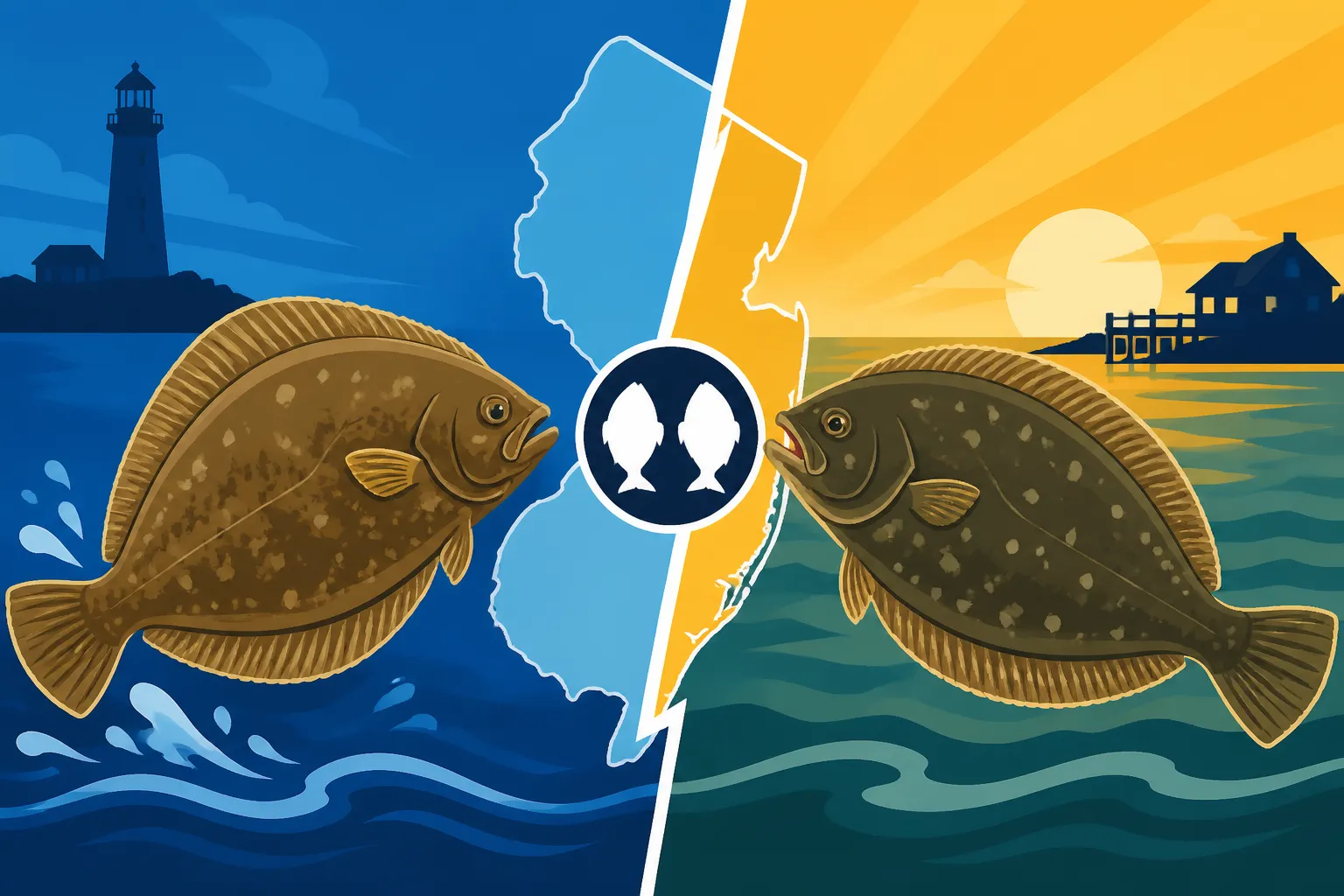
It's a question that has probably sparked more good-natured debates on docks and fishing boats across the Jersey Shore than any other: "Is it a fluke or a summer flounder?" You've heard it, I've heard it, and every new angler to our beautiful state eventually bumps up against this linguistic curiosity. The truth is, while the terms are often used interchangeably, there's a simple scientific answer that clarifies the whole thing, and understanding it can actually make you a more confident angler, especially when regulations are involved. This guide will dive deep into the identity of this popular New Jersey gamefish, explain why the name confusion exists, and help you easily identify your next catch.
The Great Debate: Fluke or Summer Flounder?
If you've spent any time at all around New Jersey anglers, you've probably heard people talking about "fluke fishing" or heading out for "flounder." The terms get tossed around so casually that it's easy to assume they're two different fish, or perhaps closely related but distinct species. But here's the straight scoop: they're not. It's a classic case of regional terminology causing a little bit of a head-scratcher for those not in the know.
A Matter of Semantics and Regional Dialect
Think of it like soda versus pop, or hero versus sub. These are different words for the exact same thing, depending on where you are. In New Jersey, and indeed much of the Mid-Atlantic and Northeast, the common colloquial term for Paralichthys dentatus is "fluke." It's the name that rolls off the tongue, the one you hear in bait shops from Cape May up to Sandy Hook, and the one most of us grew up using.
This regional preference is deeply ingrained in our fishing culture. When a buddy asks if you want to go fluking, you instantly know what he means. When the tackle shop puts out their "fluke rigs," you grab one without a second thought. It's part of the local fishing vernacular, a cherished tradition in its own right, and it’s perfectly understandable why it persists.
The Scientific Standpoint: Paralichthys dentatus
From a biological and regulatory perspective, there is only one species we're talking about: the summer flounder, scientifically known as Paralichthys dentatus. This is the official name recognized by fisheries management councils, scientific researchers, and state wildlife agencies like the New Jersey Division of Fish and Wildlife. So, when you look up regulations, they will always refer to "summer flounder," not "fluke."
This scientific name is important because it provides clarity and consistency across state lines and for data collection. While we all love our local terms, imagine trying to set migratory patterns or population estimates if every region called the same fish something different. The scientific name, along with the common name "summer flounder," ensures everyone is on the same page when it comes to conservation and management efforts for this highly popular species.
A Deep Dive into Paralichthys dentatus
Now that we've cleared up the name game, let's get to know our friend, the summer flounder (or fluke, if you prefer!). This fish is one of the most sought-after game fish in New Jersey's coastal waters, and for good reason. They're fun to catch, put up a decent fight, and are absolutely delicious on the dinner table. But beyond their culinary appeal, they're fascinating creatures with some very distinct characteristics.
Key Identifying Characteristics
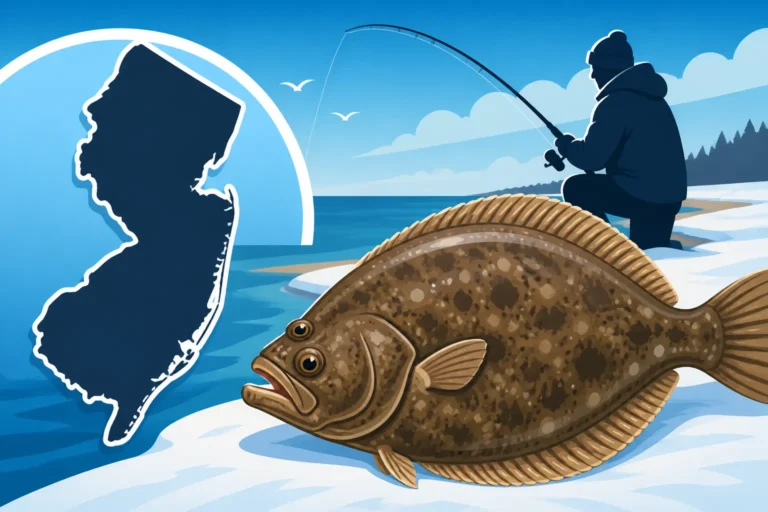
When you pull a summer flounder out of the water, there are a few tell-tale signs that scream "fluke!" The most famous characteristic, and the easiest way to differentiate them from other flounder species, is their eye placement. Summer flounder are "left-eyed" fish, meaning that as they mature and flatten out, both of their eyes migrate to the left side of their head. This is a crucial detail for identification.
Beyond eye placement, their coloration is another giveaway. Summer flounder have a remarkably chameleon-like ability to change their color to match their surroundings. This makes them perfectly camouflaged on sandy, muddy, or pebbly bottoms. They typically have a mottled brown, grey, or olive pattern on their eyed side, helping them blend seamlessly into the seafloor. What truly sets them apart, however, are the five to fourteen distinct, dark, ocellated (eye-like) spots scattered across their body, often forming three prominent spots in a triangular pattern on their mid-back. This is key for telling them apart from other flatfish.
Habitat and Migration Patterns
Summer flounder are creatures of the coast, preferring sandy or muddy bottoms in bays, estuaries, and nearshore ocean waters. In New Jersey, you'll find them in abundance in places like Barnegat Bay, Raritan Bay, and the inshore ocean reefs and wrecks. They love to lie partially buried in the sand, waiting to ambush unsuspecting baitfish or crustaceans.
Their name, "summer flounder," hints at their seasonal presence. They begin migrating into New Jersey's warmer inshore waters in late spring, typically around May, and stick around through the summer and into the fall. As water temperatures drop in late autumn, usually around October or November, they begin their offshore migration to deeper, warmer waters to spawn. Understanding New Jersey Fluke Season Dates for 2026 is essential for timing your fishing trips effectively. This migratory pattern is critical for their life cycle and for anglers who eagerly anticipate their arrival each year. If you're wondering Where Do Fluke Go in Winter?, they head to the warmer, deeper continental shelf waters.
Why the Confusion Matters (and When It Doesn't)
While it's totally fine to call them "fluke" in everyday conversation with fellow anglers, there are specific situations where understanding the official "summer flounder" designation becomes quite important. This often boils down to regulations and ensuring you're compliant with the rules designed to protect our fisheries.
Regulatory Implications
The most significant area where the distinction truly matters is when discussing fishing regulations. New Jersey's Division of Fish and Wildlife, along with federal agencies, uses the term "summer flounder" exclusively in all official documents related to seasons, size limits, and bag limits. When you consult the New Jersey Fish and Wildlife Digest – which, by the way, is your bible for all things fishing regulations – you won't find the word "fluke" anywhere in the legal descriptions.
This means that to ensure you're fishing legally and responsibly, you need to understand that when the digest says "summer flounder," it's talking about the fish you call "fluke." Familiarizing yourself with details like the New Jersey Fluke Size and Bag Limits Explained is paramount. Misunderstanding this simple linguistic difference could lead to confusion about what you can or cannot keep, potentially resulting in violations. Always refer to the official regulations for "summer flounder" to stay on the right side of the law.
Angler Communication and Culture
Outside of official regulations, the interchangeability of "fluke" and "summer flounder" is pretty much a non-issue in the New Jersey fishing community. Most anglers, bait shop owners, and charter captains use "fluke" because it's the cultural norm. When you walk into a shop and ask for fluke rigs, nobody bats an eye. If a report says the "fluke bite is hot," you know exactly what they mean.
This shared understanding is part of the charm of fishing here. It’s a testament to the local heritage and how certain names become entrenched over generations. So, feel free to use "fluke" when chatting with your fishing buddies or sharing stories. Just remember, when it comes to checking the rules or discussing fish with someone from outside the region, being aware of the "summer flounder" name will help ensure clear communication and avoid any potential misunderstandings.
Distinguishing Your Catch: A Practical Guide
Okay, so we know scientifically it's a summer flounder, but colloquially, it's fluke. The real trick for new anglers is often how to reliably identify one when it comes flopping onto the deck or beach. There are several key visual cues that make this species stand out from other flatfish you might encounter in New Jersey waters. Master these, and you'll never be in doubt!
"Eyes on the Left": The Golden Rule
This is, hands down, the easiest and most important identifying feature of a summer flounder. As mentioned earlier, all summer flounder are "left-eyed." This means that when you hold the fish with its dark, eyed-side facing up, its mouth will be pointing to your left. Both eyes will be on that same left side of its head. This isn't just a quirk; it's a defining characteristic of this particular flatfish family (the "lefteye flounders").
If you catch a flatfish with its eyes on the right side of its head, it is absolutely not a summer flounder (fluke). This simple rule is your first and most reliable diagnostic tool. It’s critical, especially when you’re trying to determine if your catch is a legal keeper, as size and bag limits apply specifically to summer flounder. For a comprehensive visual aid, check out the How Do You Identify a Legal Size Fluke? guide.
Spotting the Spots: Three Prominent Features
While eye placement tells you it's a left-eyed flounder, the spots confirm it's a summer flounder. Look closely at the eyed side of the fish. Summer flounder have five to fourteen distinct, round, dark spots, often surrounded by a lighter ring, resembling miniature eyes (hence "ocellated"). Critically, there are three larger, more prominent dark spots arranged in a triangular pattern on the mid-line of their body, roughly along where the lateral line would be.
These three prominent spots are a strong indicator. Other flatfish might have spots, but they won't typically exhibit this specific pattern or intensity. Sometimes, the overall coloration can vary widely depending on the bottom they were caught over, making the spots even more crucial for positive identification. Always check for these three larger spots, in addition to the eye placement, to confirm your catch.
Mouth and Teeth: A Predator's Arsenal
Take a look inside the mouth of a summer flounder, and you'll immediately see it's a formidable predator. Unlike some other more docile bottom feeders, summer flounder have a relatively large mouth filled with numerous sharp, conical teeth. These teeth are designed for grabbing and holding onto prey like baitfish (such as spearing, bunker, and sand eels) and squid. Their jaws are also quite strong, allowing them to engulf surprisingly large prey items.
This aggressive feeding style is why they respond so well to active presentations like jigging and drifting with live or artificial baits. If the flatfish you've caught has a tiny, almost toothless mouth, it's probably not a summer flounder. This characteristic, along with eye placement and spots, paints a complete picture of the species. Understanding What Does a Fluke Eat? can also help you understand their predatory nature.
Other Flatfish in New Jersey Waters (and How They Differ)
While summer flounder (fluke) are the stars of New Jersey's flatfish scene, they're not the only bottom dwellers you'll encounter. Sometimes, anglers can get confused, especially if they're new to the local waters. Knowing the other common flatfish and how to distinguish them is key, particularly since regulations for different species can vary dramatically.
Winter Flounder (Blackback Flounder)
The winter flounder (Pseudopleuronectes americanus), often called "blackback" in some areas, is perhaps the most commonly confused flatfish with the summer flounder. However, once you know what to look for, they are quite easy to tell apart. The first and most critical difference is their eye placement: winter flounder are "right-eyed." This means when you hold the fish with its dark, eyed-side facing up, its mouth will be pointing to your right, and both eyes will be on that right side of its head.
Beyond eye placement, winter flounder generally have a much smaller mouth compared to summer flounder, and their teeth are far less prominent, reflecting their diet of marine worms, small crustaceans, and mollusks rather than active fish. Their coloration also tends to be darker and more uniform – typically a dark olive-brown to almost black on their eyed side, without the distinct ocellated spots found on summer flounder. They also have a thicker, more robust body compared to the summer flounder's thinner profile. As their name suggests, winter flounder are typically found in shallower, inshore waters during the colder months, moving offshore during the summer.
Windowpane Flounder
The windowpane flounder (Scophthalmus aquosus) is another left-eyed flatfish you might encounter in New Jersey, but it's rarely mistaken for a summer flounder once seen. Its most distinguishing characteristic is its incredibly thin, almost translucent body, which gives it its evocative name. You can often see through parts of its body, especially around the fins.
Unlike the more elongated oval shape of a summer flounder, the windowpane flounder tends to have a much rounder, almost disc-like body shape. Its coloration is typically a very light tan or grayish-brown, and while it may have some faint spots, they are nowhere near as distinct or organized as the prominent ocellated spots of the summer flounder. Its mouth is also smaller and less armed than that of a summer flounder. Windowpane flounder are not typically targeted by anglers for sport or food due to their small size and bony nature, so they are almost always released if caught accidentally.
Here's a quick comparison table to help you keep them straight:
| Feature | Summer Flounder (Fluke) | Winter Flounder (Blackback) | Windowpane Flounder |
|---|---|---|---|
| Eye Placement | Left-eyed (Mouth points left when eyed-side is up) | Right-eyed (Mouth points right when eyed-side is up) | Left-eyed (Mouth points left when eyed-side is up) |
| Distinct Spots | 5-14 distinct dark, ocellated spots; 3 prominent in triangle | Generally uniform dark coloration, no prominent ocellated spots | Faint, scattered spots; often mottled, not distinct |
| Mouth/Teeth | Large mouth, sharp conical teeth (predatory) | Small mouth, very small teeth (bottom feeder) | Medium mouth, small teeth |
| Body Shape | Elongated oval, relatively thin but robust | Thicker, more robust body, oval | Very thin, almost circular/disc-like |
| Coloration | Mottled brown/grey/olive; excellent camouflage | Dark olive-brown to almost black | Light tan to grayish-brown; often translucent in areas |
| Typical Habitat | Sandy/muddy bottoms in bays, estuaries, nearshore ocean | Muddy/sandy bottoms, inshore in colder months | Sandy/muddy bottoms, usually shallower coastal waters |
The Angler's Perspective: Fishing for Fluke/Summer Flounder
Now that you're an expert in identifying summer flounder (fluke!), let's talk about the fun part: catching them! These fish are a blast to target, whether you're drifting in a bay or jigging on an ocean wreck. Their aggressive nature and willingness to strike a variety of baits make them a favorite for many New Jersey anglers.
Best Techniques and Baits
When it comes to catching summer flounder, active fishing is usually the most productive approach. They are ambush predators, so presenting your bait in a way that mimics their natural prey is key. The most popular and effective technique by far is drift fishing. This involves allowing your boat to drift with the tide or wind over areas where fluke are known to congregate, such as channel edges, shoals, or structure. As your bait or lure bounces along the bottom, it triggers their predatory instincts.
For terminal tackle, a traditional two-hook fluke rig (often called a "fluke killer" or "fluke snatcher") is a staple. It typically features a sinker at the bottom, with two snelled hooks branching off above it. You can find these pre-tied at most tackle shops or on Amazon. As for bait, nothing beats fresh squid strips, especially paired with a live minnow (like a spearing or killie). However, artificial baits have become incredibly popular and effective. Soft plastics like Berkley Gulp! grubs, swimming mullets, or minnows, especially in white, chartreuse, or pink, are absolute fluke magnets. Many anglers swear by Gulp Bait vs Live Bait for Fluke Fishing debates, but both can be deadly. Another highly effective method is bucktailing, which involves jigging a bucktail jig, often tipped with a piece of Gulp! or squid, along the bottom. This technique is particularly deadly in areas with strong current or around structure. To learn more about specific setups, consult How to Fish for Fluke in New Jersey and Best Bait for Fluke Fishing.
Prime Times and Locations
Timing and location are everything when targeting summer flounder. Generally, the season in New Jersey kicks off in late spring, usually around May, as these fish migrate into our warmer waters. The bite tends to heat up through the summer months, peaking in July and August, and continuing strong into the fall before they move offshore. Always check the current New Jersey Fishing Season Dates and Closures to know when the season is open.
Fluke love structure and current. In the bays and estuaries, look for them along channel edges, oyster beds, around docks, and bridges. Good tidal movement is often crucial, as it concentrates baitfish and brings your presentation directly to the fluke's ambush points. Out in the ocean, they'll congregate around reefs, wrecks, and rocky patches. The best time of day can vary, but often, the hours around a tide change (either the top or bottom of the tide) can be very productive, as this is when the current is moving bait around most actively. When fishing from a boat, paying attention to your depth finder is key, as fluke will often hold to specific depths depending on bait presence and structure. Understanding Best Depth to Drift for Fluke in New Jersey Bays can drastically improve your success.
When planning your trips, remember that a little research goes a long way. Check local fishing reports, chat with bait shop employees, and study tide charts. New Jersey offers a fantastic variety of spots for summer flounder, from the bustling back bays to the tranquil ocean reefs. With the right knowledge and a bit of patience, you're well on your way to a successful day of fluking!
Disclaimer
This article is for general informational purposes only and does not constitute professional advice. Laws, prices and regulations vary by location and change over time. Consult a qualified professional for guidance on your specific situation.