New Jersey Stocked Trout vs Wild Trout Streams
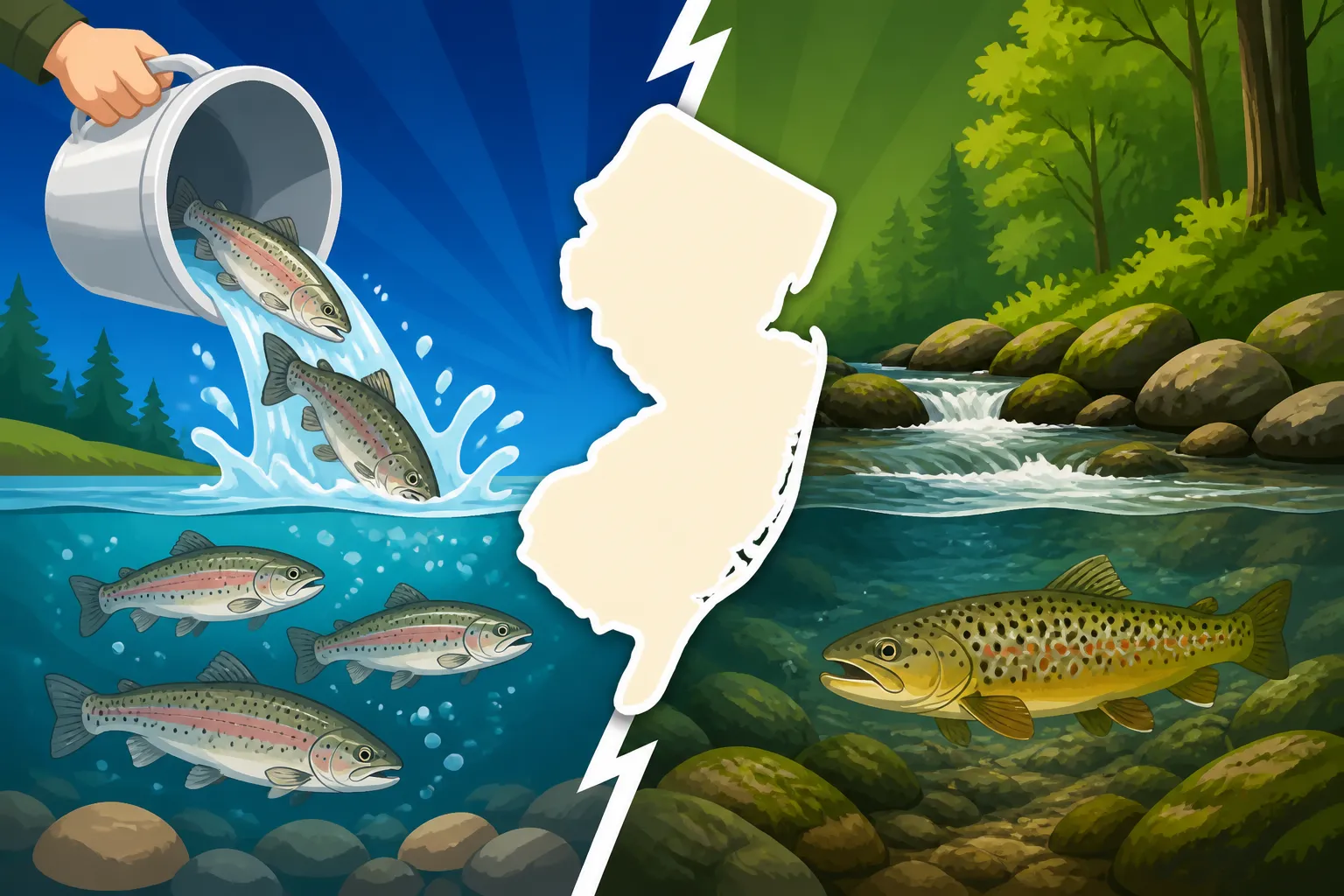
One of the most common questions new and even seasoned anglers in New Jersey grapple with is the fundamental difference between fishing for stocked trout and pursuing elusive wild trout in their native streams. It can be incredibly frustrating to hit the water, expecting one type of experience, only to find yourself unprepared for the other. This comprehensive guide aims to unravel these distinctions, helping you understand where to find each type of trout, how to identify them, and the unique approaches required for a successful and fulfilling day on the water.
Understanding New Jersey's Trout Program
New Jersey, with its diverse landscapes ranging from the Highlands to the Pine Barrens, offers a varied trout fishing experience. A significant part of this experience is shaped by the state's robust trout stocking program, which aims to provide ample fishing opportunities for a broad public. Understanding the state's management philosophy is key to appreciating both stocked and wild trout populations.
The Purpose of Stocking
The primary goal behind New Jersey's extensive trout stocking program is to create a put-and-take fishery, making trout fishing accessible and enjoyable for a vast number of residents and visitors. Many streams and lakes across the state, especially in the central and southern regions, simply do not possess the cold, clean water or suitable habitat conditions necessary to support self-sustaining wild trout populations year-round. These waters warm up too much in the summer, or their flow rates are inconsistent, making natural reproduction and survival a significant challenge for trout.
By stocking these waters, the Division of Fish and Wildlife ensures that anglers have plenty of opportunities to catch trout, particularly during the popular spring and fall seasons. This program helps distribute fishing pressure, reducing the impact on sensitive wild trout fisheries, and provides a rewarding experience for beginners and families, fostering a love for the sport without requiring advanced knowledge of trout ecology or sophisticated techniques.
Trout Species Stocked in New Jersey
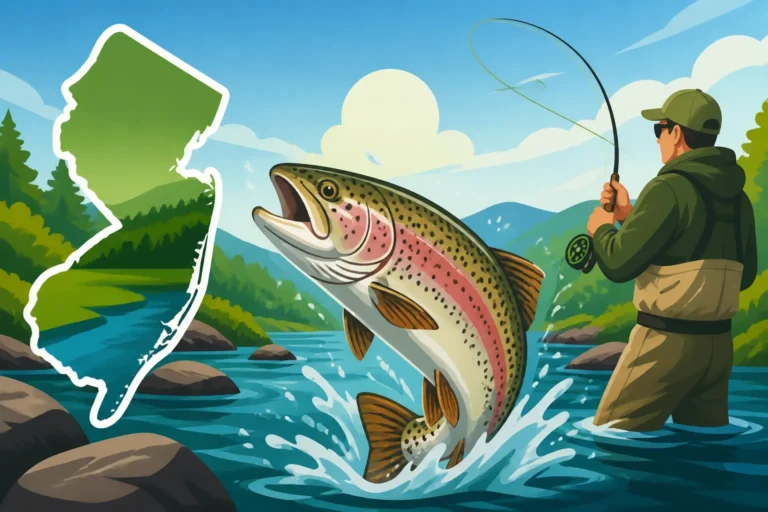
When you're fishing a stocked stream in New Jersey, you're primarily going to encounter three species of trout. The vast majority are Rainbow Trout, which are known for their strong fighting ability and willingness to strike a variety of baits and lures. They adapt well to hatchery environments and stocking conditions, making them ideal for the state's program. Brown Trout are also stocked, albeit in lesser numbers. These fish are often a bit more wary and can grow to impressive sizes, offering a greater challenge. They are also a bit more tolerant of slightly warmer water conditions than brook trout.
Lastly, Brook Trout are sometimes stocked, though less frequently than rainbows and browns, especially in waters designated as "trophy trout" or "holdover" areas. Brook trout are actually native to New Jersey, but their populations are primarily found in pristine, cold-water streams that support wild, naturally reproducing populations. New Jersey Rainbow Trout vs Brown Trout vs Brook Trout delves deeper into the characteristics of each. The state strategically chooses species based on the specific water body's characteristics and the intended fishing experience.
The Role of the New Jersey Fish and Wildlife Digest
For any angler in New Jersey, the New Jersey Fish and Wildlife Digest is your bible. It's the definitive guide to all fishing regulations, seasons, and stocking schedules. You absolutely need to consult this annually, as rules can and do change. The Digest clearly outlines which waters are stocked, the specific dates for spring and fall stockings, and any special regulations that apply to certain areas, such as Trout Conservation Areas or fly-fishing-only stretches.
Ignoring the Digest means you could inadvertently violate regulations regarding How Bag and Size Limits Work in New Jersey or New Jersey Trout Season Preseason Closure Explained, leading to penalties. It's available both online and often in print at tackle shops. Think of it as your essential roadmap to understanding where and when to target trout, whether they're fresh from the hatchery or born wild in the stream. New Jersey Fish and Wildlife Digest: Where to Find the Current Rules can help you find the latest information.
Characteristics of Stocked Trout and Their Habitats
Understanding the typical appearance and behavior of stocked trout, as well as the types of water they inhabit, can greatly improve your success rate and manage your expectations when heading out to a designated trout stream.
Appearance and Behavior of Stocked Trout
Stocked trout often have a distinctive look that sets them apart from their wild counterparts. They tend to be more uniform in size, often falling within a narrow range determined by hatchery rearing practices. Their fins, especially the dorsal and pectoral fins, might appear slightly worn or rounded due to rubbing against other fish in crowded hatchery raceways. The vibrant colors that wild trout display are often muted in stocked fish; their skin might appear duller or less patterned. You might even notice slight abrasions or a faint scar where they were handled during the stocking process.
In terms of behavior, newly stocked trout can be surprisingly naive. Having been raised in a controlled environment where food is readily available, they might strike at almost any offering, from power bait to corn, and are generally less wary of human presence. However, as they acclimate to the wild, some can become more cautious, especially if they've survived for a few weeks or more, developing a bit more "street smarts." This initial naivety is precisely what makes them a popular target for new anglers and a fun challenge for those looking to hone their quick-strike skills.
Typical Stocked Trout Waters
New Jersey's stocked trout waters are varied, but they share common characteristics: they are typically easily accessible and often have a decent flow or sufficient depth to support trout temporarily. These can range from small, meandering streams and rivers like the Musconetcong or Pequest, to larger lakes and reservoirs such as Lake Hopatcong or Round Valley Reservoir. Many state and county park ponds are also heavily stocked to provide family-friendly fishing opportunities.
The key here is accessibility. State agencies want to make sure the fish they stock can be easily reached by the public. You'll often find these spots well-marked, with clear paths to the water, and sometimes even designated parking areas. While these waters may not always be pristine, they are monitored to ensure water quality is sufficient for the stocked fish to survive for a reasonable period. New Jersey State Park Ponds Stocked With Trout is a good resource for finding these locations.
Seasonal Stocking Schedules and Their Impact
The stocking schedule is paramount for targeting stocked trout. New Jersey's trout season traditionally kicks off with a highly anticipated opening day in early April, preceded by several weeks of intense stocking activity. New Jersey Spring Trout Stocking Start Date marks the beginning of this exciting period. Trout are released in numerous waves throughout the spring, ensuring a continuous supply of fish for anglers. There's also a smaller, but still significant, fall stocking program that rejuvenates many waters as temperatures drop.
This seasonal influx dramatically impacts fishing success. Immediately after a stocking event, fishing can be phenomenal, with anglers often catching their limit quickly. However, fishing pressure can also be intense, especially on opening day. Over time, as fish are caught or disperse, the bite can slow down. Knowing when a stream was last stocked can give you a significant advantage. This information is regularly updated on the state's website and in the annual Digest, making it a critical piece of intel for planning your trip.
Identifying Wild Trout and Their Native Streams
While stocked trout offer abundant opportunities, there's a special allure to catching a truly wild trout, a fish that has lived its entire life surviving and reproducing in its natural environment. These encounters are often more challenging but profoundly rewarding.
Physical Traits of Wild Trout
Wild trout possess distinct physical characteristics that reflect their arduous lives in natural streams. Their colors are typically more vibrant, iridescent, and deeply patterned, providing camouflage against the varied stream bottom. Their fins are usually perfectly formed, sharp, and undamaged, a testament to their agility and lack of confinement. They often appear leaner and more streamlined, a result of constantly fighting currents and actively hunting for food.
You might notice darker spots, bolder parrmarks (vertical bars on their sides, particularly common on juvenile fish), and a richer, more defined lateral line. These fish have honed their survival instincts, making them masters of their environment. Landing a wild brook trout, with its stunning vermiculation and bright red spots, is truly a sight to behold and a badge of honor for any angler. Are There Wild Brook Trout in New Jersey? explores this native species further.
Key Indicators of Wild Trout Streams
Finding wild trout streams requires a different approach than finding stocked waters. These streams are usually smaller, often tucked away in less accessible areas, and characterized by pristine, cold, and highly oxygenated water. Think of remote headwater streams in the Kittatinny Mountains or parts of the Highlands. The surrounding environment is typically forested, providing ample shade to keep water temperatures low year-round. You'll often find a healthy insect population, indicating a robust food web, and a mix of riffles, runs, and deep pools created by natural features like fallen trees and large rocks.
Crucially, wild trout streams often have gravel bottoms necessary for spawning, providing ideal habitat for eggs and fry. They are less disturbed by human activity and show fewer signs of erosion or pollution. These waters are typically not on the state's stocking list, as their self-sustaining populations are valued and protected. Looking for areas designated as "Tier 1" or "Category One" streams by the state for water quality is a good starting point, as these designations often indicate high-quality habitat suitable for wild trout.
Challenging Conditions of Wild Trout Habitats
Fishing wild trout streams presents a unique set of challenges that can test an angler's skill and patience. The streams are often narrower, overgrown with vegetation, and may require significant bushwhacking to access prime spots. The water is usually crystal clear, making stealth absolutely essential. Any sudden movement, shadow, or heavy footstep can spook fish. Casting lanes are often tight, demanding precise roll casts or bow-and-arrow casts under low-hanging branches.
Furthermore, wild trout are incredibly wary. They've survived predators and natural pressures their entire lives, so they are not easily fooled. They are highly attuned to their environment and can discern natural food from artificial presentations with remarkable precision. The fish populations might also be less dense than in stocked waters, meaning you might work harder for fewer bites. This inherent difficulty is part of the appeal, however, as each wild trout landed feels like a true accomplishment.
The Angler's Approach: Fishing Strategies for Each
Approaching stocked versus wild trout requires a fundamental shift in mindset and technique. What works brilliantly for one might yield nothing for the other. It's about adapting your strategy to the fish and their environment.
Tactics for Stocked Trout Success
When it comes to stocked trout, especially right after a fresh release, simplicity often reigns supreme. These fish are accustomed to pellets and are less discerning. PowerBait, scented dough baits, corn, or even live worms are incredibly effective. You can fish these on the bottom with a small sinker or suspend them under a bobber. For lures, small inline spinners like a Rooster Tail or Panther Martin, or tiny spoons, can trigger aggressive strikes. Bright, flashy colors often work well, especially in slightly turbid water.
Focus your efforts on easily accessible areas like deeper pools, bends in the river, or just below riffles where the current slows down. These are often the same spots where the stocking trucks drop the fish, and where they tend to congregate. A basic spinning rod and reel combo, loaded with 4-6 lb test monofilament, is usually more than sufficient. Remember, success with stocked trout often hinges on finding recently stocked areas and presenting familiar, easy-to-grab food items. Best Bait for Opening Day Trout offers more specific recommendations for these eager eaters.
Subtlety and Skill for Wild Trout
Fishing for wild trout is an entirely different ballgame, requiring finesse, stealth, and a keen understanding of trout behavior. Fly fishing is often the preferred method, allowing for delicate presentations of artificial flies that mimic the insects wild trout feed on naturally. Matching the hatch – using a fly that resembles the insects currently emerging or prevalent in the stream – is crucial. Small dry flies, nymphs, and emergers are the go-to choices.
If spin fishing, switch to ultra-light gear with thin fluorocarbon leaders (2-4 lb test) and tiny, subtle lures like micro jigs, small unweighted worms, or natural-colored inline spinners. Stealth is paramount: approach the stream quietly, stay low, and make your first cast count. Cast upstream and allow your offering to drift naturally downstream without drag. Focus on presenting your bait or fly perfectly, making it look as natural as possible. Target holding lies like undercut banks, behind large rocks, or in the seams of currents where fish can rest and ambush food. This is where How to Fly Fish for Trout in New Jersey Streams can be an invaluable guide.
Gear Considerations for Both Environments
Your gear selection can make or break your day, whether you're chasing hatchery heroes or wild wonders. For stocked trout, versatility and durability are key. A medium-light action spinning rod, around 6 to 7 feet long, paired with a reliable spinning reel, will handle most situations. Keep an assortment of baits (PowerBait, worms, corn) and a few bright spinners or spoons on hand. Don't forget a stringer or cooler if you plan to keep your catch within New Jersey Freshwater Fishing Regulations Every Angler Should Know. You can find solid beginner combos and bait selections on platforms like Amazon, making it easy to get started without breaking the bank.
For wild trout, the focus shifts to sensitivity and precision. A light-action fly rod (3-5 weight, 7-9 feet) with a matching reel and floating line is ideal for most New Jersey wild trout streams. Carry a selection of flies in various patterns and sizes, a good quality leader and tippet material, and perhaps a pair of waders if you plan on getting into the water. If spin fishing for wild trout, an ultra-light spinning rod (5-6 feet) with a fast action tip, coupled with a small, smooth reel, will give you the sensitivity needed to detect subtle bites. Again, for specific items like delicate leaders or specialized fly patterns, online retailers like Amazon offer a vast selection.
Here's a quick comparison of the two experiences:
| Feature | Stocked Trout Fishing | Wild Trout Fishing |
|---|---|---|
| Primary Goal | Catching fish for sport and sustenance (put-and-take) | Experiencing nature, skill-based challenge, conservation |
| Fish Appearance | Uniform size, worn fins, muted colors | Vibrant, unique patterns, perfect fins, lean physique |
| Behavior | Less wary, aggressive strikes, accustomed to pellet food | Extremely cautious, sensitive to disturbance, natural forage |
| Typical Habitat | Accessible rivers, streams, lakes, ponds; good flow | Pristine, cold, oxygenated headwaters; remote, dense cover |
| Best Techniques | Bait (PowerBait, worms), spinners, spoons, bobber setups | Fly fishing (dry flies, nymphs), ultra-light spin fishing |
| Gear | Medium-light spinning rod, 4-6lb mono, general baits | Light fly rod (3-5wt) or ultra-light spinning, thin leader, specific flies |
| Difficulty | Easier, high catch rate, good for beginners | Challenging, requires stealth and finesse, fewer bites |
| Regulation Focus | Bag limits, specific season dates, general rules | Special regulations (e.g., C&R only), artificial lures only, specific seasons |
Conservation and the Future of Trout Fishing in NJ
No matter which type of trout fishing you prefer, the health and sustainability of New Jersey's trout resources depend heavily on responsible angling practices and ongoing conservation efforts. We all play a part in ensuring these precious fisheries thrive for generations to come.
The Importance of Catch and Release
While New Jersey's stocking program is designed for a certain amount of harvest, responsible catch and release practices are still incredibly important, especially for wild trout and even for "holdover" stocked trout that survive beyond their initial release. Many wild trout streams are designated as "Trout Conservation Areas" or "Wild Trout Streams," where catch and release is mandatory or strongly encouraged, often with artificial lures or flies only.
Proper catch and release techniques minimize stress and injury to the fish, significantly increasing their chances of survival. This means using barbless hooks, minimizing handling, keeping the fish in the water as much as possible, and reviving them gently before release. Even on stocked waters, releasing some fish helps maintain the population and ensures others can enjoy the sport. Understanding Catch and Release Rules in New Jersey is crucial for all anglers.
Habitat Preservation Efforts
The existence of wild trout in New Jersey is a testament to the presence of healthy, unspoiled waterways. Protecting these habitats is a continuous effort that goes far beyond just fishing regulations. It involves preserving riparian buffers (the vegetated areas along stream banks) to provide shade and reduce erosion, managing land use in watersheds to prevent pollution, and advocating for clean water initiatives. Organizations and state agencies work tirelessly to monitor water quality, restore degraded stream sections, and protect critical spawning grounds.
As anglers, we can contribute by being mindful of our impact on stream banks, properly disposing of trash, and supporting conservation organizations. Every piece of litter removed, every erosion point reported, helps maintain the delicate balance required for wild trout to thrive. Healthy habitats don't just benefit trout; they support a whole ecosystem, including other fish and wildlife, and provide clean drinking water for communities.
Supporting New Jersey's Trout Resources
Ultimately, the future of trout fishing in New Jersey rests on a collective commitment to its resources. One of the most direct ways anglers contribute is by purchasing a fishing license and a trout stamp. The fees generated from New Jersey Trout Stamp Requirements Explained and licenses directly fund the state's trout stocking program, hatchery operations, habitat restoration projects, and research into fish populations. Without these funds, the state would simply not be able to maintain the quality and quantity of fishing opportunities we currently enjoy.
Beyond financial contributions, becoming an educated and ethical angler is paramount. This means knowing the regulations, respecting private property, reporting violations, and sharing your knowledge with others, especially new anglers. Participating in stream cleanups, volunteering with conservation groups, or even just teaching a child to fish responsibly, all contribute to a vibrant and sustainable trout fishing culture in New Jersey.
Disclaimer
This article is for general informational purposes only and does not constitute professional advice. Laws, prices and regulations vary by location and change over time. Consult a qualified professional for guidance on your specific situation.