New Jersey Blue Claw Crab Guide
There’s something undeniably exciting about the thought of catching your own dinner, especially when it involves the feisty and delicious blue claw crabs that call New Jersey’s waters home. Many people feel a little intimidated by crabbing, wondering if they need special licenses, what gear to use, or even if they're allowed to keep their catch. This comprehensive guide will walk you through everything you need to know about successfully crabbing for blue claws in New Jersey, from identification and prime locations to regulations and effective techniques, helping you confidently fill your bushel basket.
The Allure of New Jersey's Blue Claw Crabs
New Jersey's coastal waters, particularly its expansive bays and estuaries, are renowned for their abundant blue claw crab populations. For generations, these crustaceans have been a cornerstone of local culture, providing both a cherished recreational pastime and a culinary delight. There’s a certain thrill that comes with pulling up a trap or net, not knowing what you'll find, and then the satisfaction of a fresh crab boil with friends and family.
Why Blue Claws Are So Popular Here
The popularity of blue claw crabbing in New Jersey isn't just a fleeting trend; it's deeply rooted in the state's maritime heritage. These crabs are relatively easy to catch, making them accessible to seasoned anglers and complete beginners alike. Unlike fishing for certain finicky fish species, crabbing often yields results, providing an almost instant gratification that keeps people coming back year after year. The sheer abundance in places like Barnegat Bay and Great Egg Harbor Bay ensures that most recreational crabbers can go home with a respectable haul, making the effort feel truly worthwhile.
Beyond the sport, the culinary appeal of blue claw crabs is undeniable. Their sweet, succulent meat is a delicacy, whether steamed whole, picked for crab cakes, or used in a hearty soup. Many New Jersey families have traditional recipes passed down through generations, turning crabbing into a beloved family tradition that celebrates both the bounty of the bay and togetherness. It's more than just catching food; it's about the experience, the fresh air, and creating lasting memories.
Identifying Your Catch: Blue Claw vs. Other Crabs
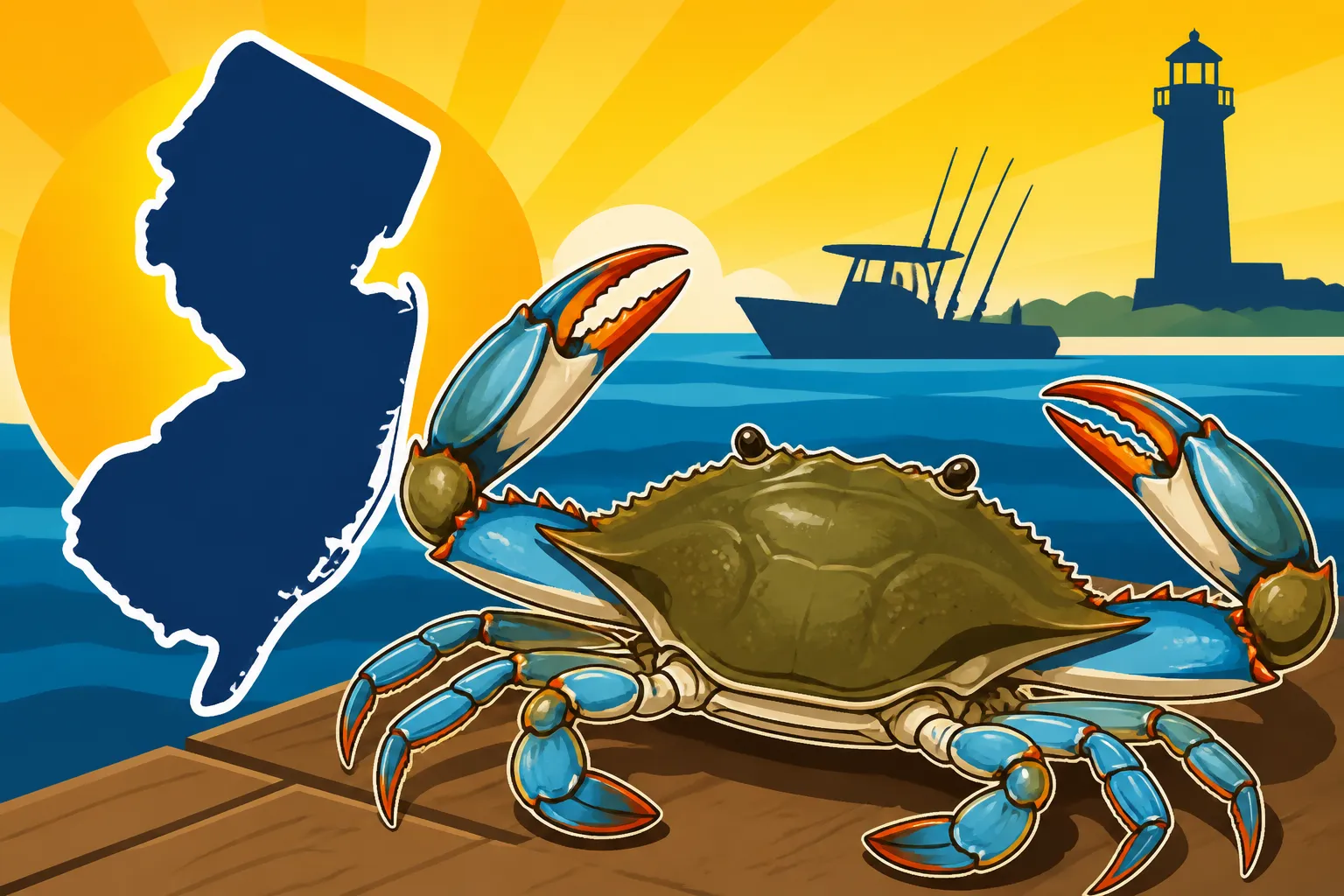
Before you even think about dropping a line, it’s crucial to know what you’re looking for. The Atlantic blue crab, often simply called the "blue claw" in New Jersey, is quite distinctive. Its scientific name, Callinectes sapidus, actually means "savory beautiful swimmer," and for good reason! These crabs are easily identified by their striking blue claws and legs, which contrast beautifully with a greenish-brown carapace (shell). The males, often called "Jimmies," typically have brighter blue claws and a T-shaped abdomen flap, while the females, or "Sooks," have reddish-tipped claws and a broader, rounder, inverted U-shaped abdomen flap. When a female is carrying eggs, she's known as a "Sponge Crab," and it's illegal to keep her.
You might encounter other crab species in New Jersey waters, but none are quite like the blue claw. For instance, you might see green crabs, which are smaller and have a mottled green shell, or even spider crabs, with their long legs and spiny bodies. Neither of these offers the same delectable meat quality or fighting spirit as the blue claw. Knowing the visual cues, especially the distinctive blue color of the claws and the shape of the apron on the underside, is key to correctly identifying your target and adhering to regulations. A quick glance can save you from mistakenly keeping a non-target species or, worse, a protected female.
Where to Find Blue Claw Crabs in New Jersey
New Jersey’s intricate network of bays, estuaries, and tidal creeks provides the perfect nursery and feeding grounds for blue claw crabs. These brackish water environments offer a mix of fresh and saltwater, abundant food sources, and protective bottom structures where crabs thrive. Understanding their preferred habitats is the first step to successful crabbing.
Prime Habitats: Bays, Estuaries, and Tidal Creeks
Blue claw crabs are masters of their environment, preferring shallow, calm waters with muddy or sandy bottoms. This is where they find plenty of sustenance, from small fish and clams to marine worms and decaying organic matter. Large, expansive bodies of water like Barnegat Bay Fishing Guide and Great Egg Harbor Bay Fishing Guide are legendary for their crabbing opportunities. These bays are relatively shallow, especially in their backwater creeks and coves, which allows the water to warm up quickly in spring and summer, stimulating crab activity.
Estuaries and tidal creeks, which act as transitional zones between freshwater rivers and the open ocean, are particularly productive. Look for areas with lush Spartina grass beds or submerged aquatic vegetation; these provide both shelter and foraging grounds for the crabs. Soft bottoms are preferred because crabs often burrow into the mud to hide from predators or to molt. Targeting these specific habitats, rather than just any random spot on the water, will significantly increase your chances of a successful outing. Crabs are creatures of habit, and knowing their preferred hangouts is half the battle.
Best Spots for Shore-Based Crabbing
You don't need a boat to enjoy fantastic crabbing in New Jersey. Many excellent spots are accessible right from the shore. Docks, piers, and bulkheads are fantastic starting points, especially those that extend into slightly deeper water within bays or tidal creeks. These structures often provide shelter for crabs and concentrate baitfish, making them natural attractors. Public access points in towns along the Jersey Shore, many state parks, and wildlife management areas frequently offer suitable crabbing opportunities. Just be sure to check local rules and signage before you set up shop.
Calm bay beaches, particularly those near marshy areas or tidal guts, can also be productive. When the tide is incoming, crabs often move closer to shore to feed in these protected areas. The key is to look for areas with less boat traffic and a healthy amount of aquatic vegetation or soft bottom. Even small bridges crossing tidal creeks can be prime spots, as the pilings provide structure and the water flow can bring in food. When choosing a shore spot, consider ease of access, safety, and the presence of tell-tale crab habitat features. Remember, even a small stretch of marshy shoreline can hold a surprising number of blue claws if the conditions are right.
When is the Best Time to Go Crabbing in New Jersey?
Timing is everything when it comes to crabbing. Just like fishing, understanding the seasonal patterns, daily tides, and even weather conditions can dramatically influence your success. Blue claw crabs are highly sensitive to water temperature and tidal movements, which dictate their activity levels and where they can be found.
New Jersey Blue Claw Crab Season Timing
The blue claw crab season in New Jersey generally kicks off in late spring, usually around May, once the bay waters begin to warm up consistently. However, the peak crabbing action typically occurs throughout the warm summer months of July, August, and early September. This is when the crabs are most active, feeding heavily, and abundant in the shallower bay and estuarine waters. As the water temperatures drop in the fall, usually by late October, the crabs become less active and begin to burrow into the mud for the winter, making them harder to catch.
While you might catch some crabs earlier or later in the year, hitting the prime summer months will offer the best chances for a substantial catch. Think about those long, hot summer days when the water is warm enough for swimming – that's often when the crabs are really moving. For a more detailed look at the seasonal patterns, you can refer to resources like Best Time to Catch Blue Claw Crabs in New Jersey. Planning your trip during these peak windows can turn a meager catch into a memorable feast.
Tides, Time of Day, and Weather for Crabbing Success
Beyond the season, daily factors like tides and time of day play a huge role. Most experienced crabbers will tell you that the best crabbing occurs around the changing tides, particularly during the hour leading up to and the hour following slack tide (when the water is neither coming in nor going out). During a strong incoming or outgoing tide, crabs use the current to move, but they also feed actively as bait is washed past them. The slack tide provides a brief window of less current, making it easier for crabs to locate your bait.
Generally, early mornings and late afternoons/evenings are often considered ideal. Crabs can be more active during these cooler parts of the day, especially in the sweltering heat of mid-summer when they might retreat to deeper, cooler water during midday. As for weather, sunny, calm days are usually preferred for the comfort of the crabber, but a slight overcast or even light drizzle won't deter the crabs. What will deter them is heavy rain that significantly freshens the bay water, or strong winds that churn up the bottom and make it difficult for crabs to find bait. Pay attention to local tide charts and plan your crabbing adventure accordingly for optimal results.
Essential Gear and Bait for New Jersey Crabbing
You don't need a boatload of expensive equipment to go crabbing, which is part of its charm. However, having the right basic gear and, crucially, the most enticing bait will significantly improve your chances of success. Thinking ahead about your setup means less frustration and more crabs in your basket.
Crabbing Gear: Traps, Lines, and Other Tools
The beauty of recreational crabbing is its simplicity. For dock or bulkhead crabbing, a simple hand line is often all you need. This consists of a weighted line with a sturdy clip or net bag for your bait. When you feel a tug, slowly pull the line in and scoop up the crab with a long-handled dip net just as it comes to the surface. Many local tackle shops and even online retailers like Amazon offer inexpensive hand-lining kits. For those looking for a more hands-off approach, collapsible crab traps, often called "trot line traps" or "box traps," are very popular. These fold flat for easy transport and spring open when deployed. You bait them, toss them out, and periodically check them.
For serious crabbers, particularly those with access to a boat, a trot line can be incredibly effective. This method involves a long line (hundreds of feet) laid along the bottom with baited snoods attached at intervals. You slowly motor along, picking up the line, and net the crabs as they rise to the surface. Regardless of your chosen method, essential tools include a crab measuring gauge to ensure your catch meets legal size limits, a bushel basket or cooler to hold your crabs (keep them cool and shaded!), and a pair of sturdy gloves to protect your hands from those powerful blue claws. Some people also find a small bait knife useful for cutting bait. For finding quality gear, I've often seen a great selection of beginner-friendly traps and lines available on Amazon, which can be super convenient.
The Best Bait to Attract Blue Claws
The secret to attracting blue claws lies in their keen sense of smell. They are scavengers and meat-eaters, so smelly, oily baits work wonders. Without a doubt, the undisputed champion of blue claw crab bait in New Jersey is the humble chicken neck. It's cheap, readily available, and its tough skin keeps it on the line or in the trap for a long time while its odor disperses through the water. You can buy bags of chicken necks at most supermarkets.
Other excellent choices include bunker (menhaden), especially if you can get it fresh and oily, or even fish racks and carcasses from a local fish market. The stinkier, the better! Some crabbers swear by clam bellies or even razor clams. Whatever you choose, make sure it’s securely fastened to your line or within your trap. For chicken necks, a simple knot or a bait clip works. For fish, a mesh bait bag or zip-tying it to the trap can prevent crabs from tearing it apart too quickly. The goal is to keep the bait accessible enough for crabs to find but secure enough that they can't just run off with it. For more insights on this, check out Best Bait for Crabbing. Experimentation can be fun, but chicken necks are always a safe bet.
New Jersey Crabbing Regulations You Must Know
Crabbing in New Jersey is generally quite accessible, but it's not a free-for-all. To ensure the sustainability of the blue crab population and the enjoyment of future generations of crabbers, the state has implemented specific regulations regarding size limits, bag limits, and the handling of certain crabs. Ignoring these rules can lead to penalties, so it's always best to be informed.
Size Limits and Bag Limits for Blue Claw Crabs
New Jersey has strict rules on what size blue claw crabs you can legally keep. The minimum size for keeping a hard-shell blue crab is 4.5 inches, measured from tip to tip of the spike points (lateral spines) on the carapace. For soft-shell crabs or shedder crabs, the minimum size is 3.5 inches. This size limit is crucial; crabs below this size are juveniles and need more time to grow and reproduce. You might be surprised at how many smaller crabs you pull up, but resisting the urge to keep them is vital for conservation. You can find detailed information on these specific measurements and what constitutes a legal catch in Full-Grown Size of a New Jersey Blue Claw Crab and What Is the Size Limit for Blue Claw Crabs?.
Perhaps even more critical are the rules regarding female crabs. In New Jersey, it is illegal to keep any female blue crab that is "sponge" (meaning she is carrying an egg mass, typically found under her abdomen, often yellow, orange, or black). This regulation is paramount for protecting the reproductive future of the species. Many crabbers also voluntarily release all females, regardless of whether they are "sponge" or not, as a personal conservation measure. Knowing these rules, especially the visual cues for a "sponge" female, is non-negotiable for responsible crabbing. For more specific details, consult Is It Legal to Keep Female Blue Claw Crabs in New Jersey?.
New Jersey also has a daily bag limit for recreational crabbers. Currently, individuals are allowed to keep one bushel of blue claw crabs per day. A bushel is a fairly large volume, so for most recreational crabbers, this limit is generous and rarely reached. However, it's good to be aware of, especially if you're crabbing with a larger group. These limits are in place to ensure fair distribution of the resource and prevent overharvesting by recreational means.
Here's a quick reference table for the key blue claw crab regulations in New Jersey:
| Category | Regulation | Notes |
|---|---|---|
| Minimum Size | Hard-shell crabs: 4.5 inches (spike tip to spike tip) | Measured across the widest part of the carapace. |
| Soft-shell crabs: 3.5 inches (spike tip to spike tip) | ||
| Female Crabs | Illegal to keep "sponge" crabs (females carrying external egg mass). | Egg mass is usually yellow, orange, or black under the apron. |
| Many crabbers voluntarily release all female crabs. | ||
| Daily Bag Limit | One bushel per person per day for recreational crabbing. | A bushel is a volume measurement, usually about 35-40 lbs of crabs. |
| Methods Allowed | Hand lines, dip nets, manually operated trot lines (up to 150 ft), collapsible traps, and crab pots. | Check specific restrictions for crab pots (tags, escape vents). |
| Licensing | No recreational fishing license or specific crabbing license is generally required for hand lines/traps. | Always verify current regulations and check for commercial crabbing rules. |
| Saltwater Registry | Recreational crabbers are not required to register with the New Jersey Saltwater Registry Program Requirements if crabbing with hand lines, dip nets, or bait traps. This contrasts with recreational saltwater fishing, which often requires registration. The New Jersey Saltwater Registry Explained and The New Jersey Saltwater Registry Is Free to Join apply specifically to finfish. |
Licensing, Permits, and Other Legal Considerations
This is where many people get confused! Fortunately, for recreational blue claw crabbing in New Jersey using methods like hand lines, dip nets, or collapsible traps, you generally do not need a specific fishing license or crabbing permit. This makes it one of the most accessible outdoor activities in the state. So, if you're just heading out to a local dock with some chicken necks and a net, you likely won't need to worry about a license. This is a common question, and Do You Need a License to Crab in New Jersey? confirms this general rule.
However, there are a few important nuances. While a standard recreational fishing license isn't required for crabbing, if you plan to use crab pots (the heavier, more permanent traps with buoys), there are typically more stringent rules, including requiring a special pot license or tags, and specific escape vents. These are usually geared more towards commercial or high-volume recreational crabbing. Additionally, while the New Jersey Saltwater Registry Explained is critical for recreational saltwater fishing, it generally does not apply to crabbing activities done with hand lines, dip nets, or bait traps. Always double-check the latest regulations from the New Jersey Division of Fish and Wildlife before heading out, as rules can change. They publish a yearly digest that is an invaluable resource.
Crabbing Techniques for Beginners and Experienced Anglers
Whether you're new to the crabbing scene or a seasoned veteran looking to refine your approach, there are several effective techniques you can employ. The best method often depends on your chosen location, the equipment you have available, and how actively you want to participate in the catch.
Hand-lining and Dip-netting from Docks and Bulkheads
This is arguably the simplest and most family-friendly method for crabbing, perfect for a relaxed afternoon with the kids. All you need is a sturdy hand line (often just a piece of string or fishing line wrapped around a small piece of wood or plastic) with your bait securely tied to one end, and a long-handled dip net. To execute this, simply tie your chicken neck or other bait to the end of the line and slowly lower it to the bottom near a dock piling, bulkhead, or marshy edge. Let it sit for a few minutes.
You’ll feel a gentle tug or a slight weight on the line when a crab grabs the bait. The key here is patience and a slow, steady hand. Don't yank! Gently, and I mean gently, pull the line upwards. As the crab gets closer to the surface, it will often hold onto its meal. Have your dip net ready, and just as the crab surfaces, quickly and smoothly scoop it up from underneath. This technique requires a bit of finesse, but once you get the hang of it, it's incredibly satisfying. How to Trap Blue Claw Crabs From a Dock offers more insights into this fundamental technique. It's a method that provides immediate feedback and excitement, especially for younger crabbers.
Using Crab Traps and Trot Lines Effectively
For those seeking a more passive or large-volume approach, deploying crab traps or a trot line can be incredibly productive. Collapsible crab traps (like the popular "box traps" or "star traps") are easy to use. Simply bait the trap by securing your chicken neck or bunker inside, tie a line to the trap with a buoy on the other end, and toss it into a promising area of the bay or tidal creek. These traps will sink to the bottom. You can deploy several of these traps spaced out and check them every 15-30 minutes. When you pull them up, the crabs that have entered will be contained. Be sure to have your measuring gauge and gloves ready.
Trot lines, as mentioned earlier, are for more serious crabbers, often requiring a small boat. This method involves stretching a long, heavy line along the bottom of the bay, typically in areas known for high crab concentrations. Baited snoods (short lines with bait attached) are tied to the main line at regular intervals. The boat moves slowly along the trot line, raising sections of it to the surface as crabs cling to the bait. A netter on board then scoops up the crabs before they let go. This method is incredibly efficient but requires more equipment and coordination. Regardless of the trap method, remember to mark your lines clearly with buoys and your contact information if required by law, especially if leaving them unattended. Ethical crabbing also means not over-crabbing and being mindful of other waterway users.
Disclaimer
This article is for general informational purposes only and does not constitute professional advice. Laws, prices and regulations vary by location and change over time. Consult a qualified professional for guidance on your specific situation.