Where Was New Jersey’s Record Largemouth Bass Caught?
Every New Jersey angler dreams of landing that fish – the one that pulls like a freight train, fights with everything it's got, and ultimately earns a place in the record books. It's a fantasy for most of us, a truly monumental achievement for a lucky few. But when we talk about New Jersey's truly legendary largemouth bass, a fish that has held the state record for decades, there's always a question that pops up: "Where exactly did that monster come from?" It's a question rooted in curiosity, and perhaps a touch of hope that our next cast might just land us in the same hallowed waters. This guide will not only reveal the storied location but also delve into what made it possible and how you might chase your own personal best in similar New Jersey waters.
The Legendary Home of New Jersey's Record Largemouth Bass
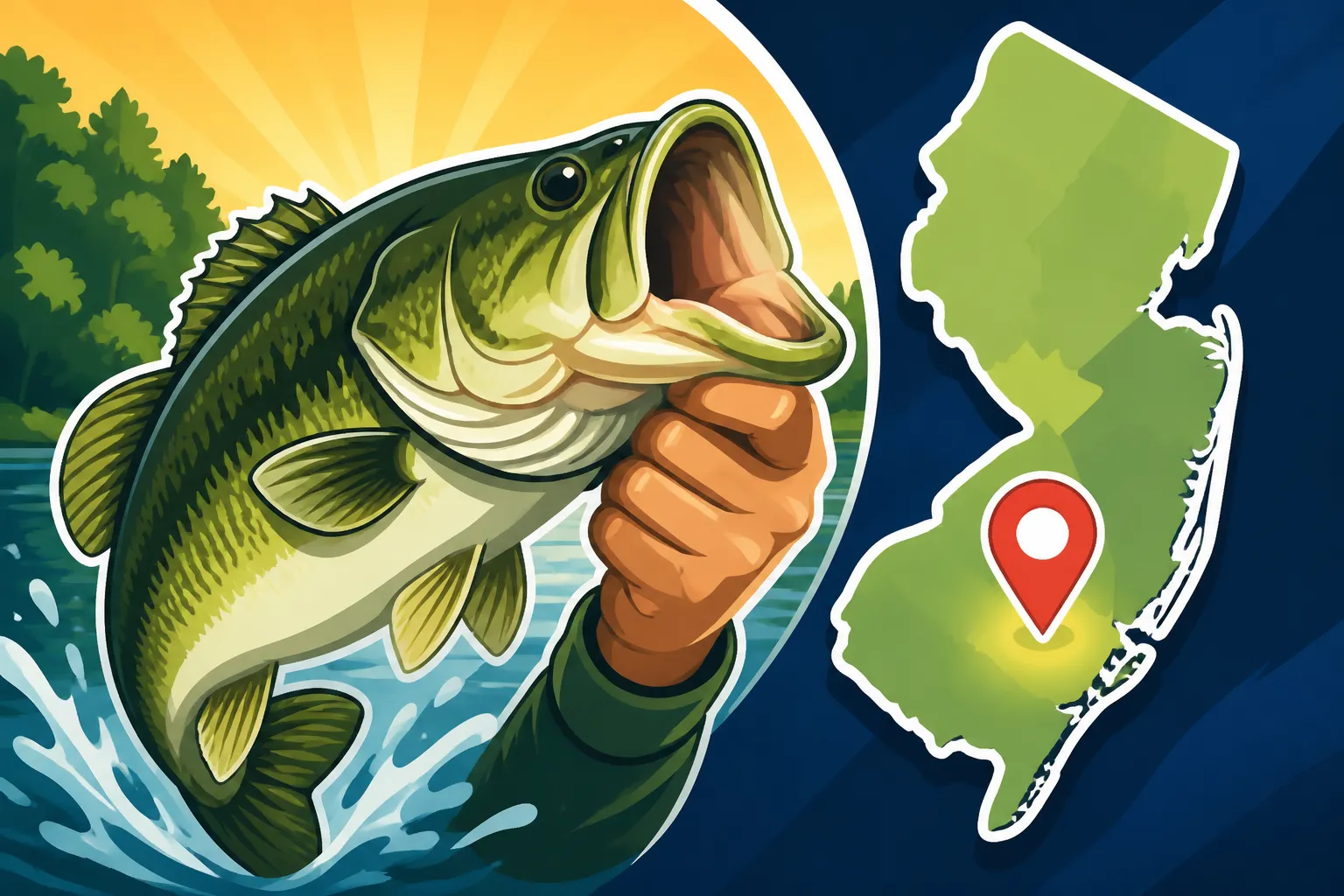
For decades, the answer to the question "Where was New Jersey's record largemouth bass caught?" has been singular and consistent: Menantico Sand Wash Pond. This isn't some vast, sprawling reservoir or a heavily trafficked lake. Instead, it's a unique and somewhat unassuming body of water nestled in Cumberland County, in the southern part of the state. Its very name, "Sand Wash Pond," hints at its origins and what makes it such a special place for trophy bass.
On a remarkable day in May 1980, angler Robert Eisele etched his name into New Jersey's fishing history when he pulled a colossal largemouth bass weighing an astounding 10 pounds, 14 ounces from Menantico Sand Wash Pond. This fish wasn't just big; it was a leviathan that defied expectations for a state often overshadowed by other regions for its bass fishing prowess. The catch instantly cemented Menantico's place in the annals of New Jersey fishing lore, proving that our state holds true giants within its waters. The story of this monumental fish is a testament to the potential hidden within New Jersey's diverse aquatic ecosystems. For more on the specifics, you can read about the New Jersey Largemouth Bass State Record and how Menantico Sand Wash Pond: Where New Jersey's Record Bass Was Caught became famous.
A Deep Dive into Menantico's Unique Ecology
Menantico Sand Wash Pond isn't your typical glacial lake or man-made impoundment. Its "sand wash" designation refers to its history as a sand mining operation, which left behind a series of deep, clear pits. These pits, over time, filled with water and developed into a complex and incredibly fertile aquatic environment. Imagine sections that drop off dramatically, interspersed with shallower flats, submerged timber, and varying bottom compositions – all the ingredients a largemouth bass needs to thrive and grow to incredible sizes.
The water clarity in Menantico can be exceptional in parts, allowing sunlight to penetrate deep and support lush aquatic vegetation. This vegetation, in turn, provides vital cover for juvenile fish, crustaceans, and insects, forming the base of a robust food chain. The irregular bottom contours and steep drop-offs create perfect ambush points for predatory bass. These deep pockets also offer thermal refuge for fish during both the scorching summer heat and the frigid winter months, allowing bass to conserve energy and grow consistently throughout the year. It's this unique combination of depth, structure, and a rich forage base that transformed a former industrial site into a trophy bass haven.
The Story of a Legendary Catch
The day Robert Eisele caught his record bass from Menantico Sand Wash Pond is a story whispered among local anglers. While the exact moment might be shrouded in a bit of mystique, the general details paint a picture of persistence and luck converging. He wasn't necessarily targeting a record that day; rather, he was fishing this productive water body like countless others before him. The bait used, a live shiner, was simple yet effective, a testament to the power of natural presentations for big, wary bass. The fight itself would have been epic, with a bass of that size testing every ounce of his tackle and skill.
What truly makes this catch resonate is its enduring nature. Decades have passed, and that 10-pound, 14-ounce largemouth remains the benchmark. It speaks to the health and potential of Menantico at that time, and the quality of the angler who was prepared to capitalize on a once-in-a-lifetime opportunity. It also sparks endless debate and speculation among anglers about How Old Was New Jersey's Record Largemouth Bass? and what conditions truly aligned to produce such a magnificent specimen.
Why Menantico Sand Wash Pond Grew a Giant
The question isn't just where the record bass was caught, but why Menantico Sand Wash Pond was able to produce such a monumental fish. Several key environmental and ecological factors converged in this particular body of water to create an ideal environment for largemouth bass to not just survive, but to truly thrive and reach extraordinary sizes. Understanding these factors can help us identify other potential trophy bass waters across New Jersey.
The Role of Structure and Depth
Former sand pits like Menantico often offer a unique advantage: extreme depth combined with varied underwater topography. While many natural lakes in New Jersey might be relatively shallow, sand pits can plunge to significant depths, providing thermal stratification and stable environments year-round. These deep areas serve as crucial refuges for large bass during periods of extreme temperature, keeping them from expending too much energy.
Furthermore, the process of sand mining leaves behind a wealth of underwater structure. We're talking about ledges, humps, sharp drop-offs, and often, remnant debris like submerged timber, pipes, or even old equipment. These features are absolute magnets for largemouth bass, offering prime ambush points, cover from predators, and areas to escape bright sunlight. A bass doesn't just need food; it needs a home range with security and strategic hunting grounds, and Menantico's complex underwater landscape provides this in spades. You can often find maps or sonar data that highlight these hidden treasures, which are critical for Largemouth Bass Fishing in New Jersey.
Abundant Forage, Healthy Bass
A big bass is, quite simply, a well-fed bass. The ability of Menantico Sand Wash Pond to grow a 10-pound, 14-ounce fish points directly to an incredibly rich and stable forage base. Largemouth bass are opportunistic predators, and their diet can include everything from smaller fish like shiners, sunfish, and yellow perch, to crayfish, frogs, and even ducklings or small mammals if the opportunity arises.
In a healthy ecosystem like Menantico, there would have been an abundance of these food sources. The clear water supporting ample vegetation would have sheltered prolific populations of panfish, providing an endless buffet for growing bass. A stable population of what largemouth bass eat means less competition for food, allowing individual bass to consume more and convert that energy into growth. This consistent availability of high-protein forage over many years is arguably the most critical factor in developing truly giant bass.
Fishing Menantico Today: Tips for Your Own Trophy Hunt
While the record-breaking catch happened decades ago, Menantico Sand Wash Pond remains a popular and challenging destination for New Jersey anglers hoping to land a trophy largemouth. It's not a secret spot by any means, but it still demands respect and a thoughtful approach to unlock its potential.
Navigating Access and Regulations
Menantico Sand Wash Pond is part of the Menantico Ponds Wildlife Management Area (WMA), which means public access is generally available. However, "available" doesn't always mean easy. These WMAs are managed primarily for wildlife, and while fishing is permitted, facilities might be minimal. You'll likely encounter gravel roads, designated parking areas, and footpaths leading to various pond access points. It’s always a good idea to check the New Jersey Division of Fish and Wildlife website for the most current information regarding access points, parking, and specific regulations before you go. Remember to abide by all state fishing laws, including those regarding bag and size limits, and always carry your valid New Jersey fishing license. For all the regulatory details, make sure you're Reading the New Jersey Fish and Wildlife Digest before your trip, and understand the general New Jersey Freshwater Fishing Regulations Every Angler Should Know.
Because it's a WMA, electric motors are typically permitted, but gas motors might be restricted or prohibited entirely to maintain the tranquil environment and protect water quality. This makes it an excellent spot for kayak anglers, canoes, or small Jon boats with electric trolling motors. Bank access can be challenging in some areas due to dense vegetation or steep banks, so scouting the area beforehand is highly recommended.
Tactics for Targeting Menantico's Bass
Given Menantico's characteristics – deep water, clear sections, and abundant structure – a variety of techniques can be effective.
- Deep Diving Crankbaits and Jigs: If you're targeting those deep ledges and drop-offs, big crankbaits that can reach 15-20 feet or more, as well as heavy football jigs or traditional skirted jigs, are excellent choices. Work them slowly along the bottom contours, paying close attention to any changes in depth or feel.
- Soft Plastics: Carolina rigs, Texas rigs, and drop-shot rigs with large worms, creature baits, or senkos are incredibly effective for probing cover and tempting finicky bass in clearer water. Focus on areas with submerged timber, brush piles, or along the edges of weed lines. You can easily find a vast selection of these on Amazon to match local forage.
- Topwater Baits: During low light conditions (dawn, dusk) or on overcast days, especially in warmer months, don't overlook topwater lures like frogs, poppers, or walk-the-dog baits fished over weed mats or along emergent vegetation. The explosive strike of a big bass on the surface is an unforgettable experience. This can be especially productive when How to Catch Largemouth Bass in Early Spring as they move into shallower water.
- Seasonal Considerations: Your approach should change with the seasons. In spring, focus on shallower spawning flats and emergent vegetation. In summer, the bass will retreat to deeper, cooler water or dense cover during the day. Fall can see bass aggressively feeding in transition areas, while winter demands slower presentations in the deepest holes. For summer, specifically, consider Best Lures for Largemouth Bass in Summer Heat.
Table: New Jersey's Record Largemouth Bass Details
| Feature | Detail |
|---|---|
| Species | Largemouth Bass |
| Weight | 10 pounds, 14 ounces |
| Location Caught | Menantico Sand Wash Pond, Cumberland County |
| Angler | Robert Eisele |
| Date Caught | May 1980 |
| Bait/Lure | Live Shiner |
| Current Status | Still the New Jersey State Record |
Beyond Menantico: Where Else to Find Big Bass in New Jersey
While Menantico holds the record, it's certainly not the only place in New Jersey where you can catch a truly big largemouth bass. The state is dotted with numerous lakes, reservoirs, and even ponds that consistently produce impressive specimens. The key is to look for similar characteristics that made Menantico so successful.
Spotting Potential Trophy Waters
When you're scouting for your next trophy bass adventure, keep these factors in mind:
- Diverse Structure: Look for lakes with a mix of depths, submerged timber, rock piles, ledges, and healthy weed beds. These provide bass with ambush points and cover.
- Abundant Forage: While hard to assess visually, lakes known for healthy panfish populations (perch, sunfish) and good populations of baitfish (shiners) are excellent indicators of a strong food web capable of supporting larger predators.
- Water Quality and Clarity: Generally, good water quality is essential. While not all trophy lakes are crystal clear, a healthy water body with good oxygen levels is crucial for sustained bass growth.
- Lower Fishing Pressure (Sometimes): While popular lakes can hold big fish, waters with slightly less pressure often allow bass to grow larger and older without being caught repeatedly.
- Management: Lakes that are actively managed by the state for fisheries enhancement, including stocking programs and habitat improvement, can also be prime candidates.
Sometimes, the best spots are the ones less traveled, or those that might not look like much on the surface but hide deep, fertile secrets. Consider the overall health of the ecosystem, which is often reflected in the general New Jersey Freshwater Fishing Regulations Every Angler Should Know.
Top Contenders for Your Next Personal Best
New Jersey has several other excellent fisheries that are renowned for producing big largemouth bass. These aren't just places to catch fish; they're places where you have a genuine shot at a true lunker.
- Lake Hopatcong: As New Jersey's largest lake, Lake Hopatcong is an obvious choice. It's known for its incredible bass fishing, with plenty of deep water, submerged structure, docks, and weed lines. It holds a robust population of largemouths, and many anglers have pulled out fish pushing or even exceeding the 8-pound mark. If you're looking for Best Lakes for Largemouth Bass in New Jersey, Hopatcong is almost always at the top of the list.
- Assunpink Lake: Located in Monmouth County, Assunpink is another popular choice. It's a relatively shallow impoundment with extensive weed beds and standing timber, creating fantastic habitat for largemouth bass. It's a prime spot for flipping and pitching jigs and soft plastics into heavy cover.
- Round Valley Reservoir: While famous for its cold-water species like lake trout, Round Valley also holds a population of largemouth bass, particularly in its shallower arms. The clear water can make them challenging, but big fish are present.
- Union Lake: Down in Cumberland County, not far from Menantico, Union Lake is a large, diverse body of water known for its bass and catfish. It offers a mix of deep and shallow areas, along with plenty of cover, making it a productive largemouth fishery.
- Prospertown Lake: This smaller lake in Ocean County is known for its excellent bass fishing, especially during the spring. It features plenty of shoreline cover and submerged structure.
When you're gearing up for a trip to any of these locations, ensure you have the right tackle. A good quality baitcasting reel and a sturdy rod are essential for pulling big bass out of heavy cover, and you can find a huge selection of reliable brands and models to suit your needs on Amazon. Don't forget a variety of lures, from chatterbaits to crankbaits, to match the conditions and the mood of the fish. Chasing trophy bass is a challenging but incredibly rewarding pursuit, and New Jersey offers plenty of opportunities for anglers willing to put in the time and effort.
Disclaimer
This article is for general informational purposes only and does not constitute professional advice. Laws, prices and regulations vary by location and change over time. Consult a qualified professional for guidance on your specific situation.