How Big Do Stocked Trout Get?
It's a common dream for many New Jersey anglers, especially those new to the sport or just getting back into it: picturing a massive, colorful trout pulling hard on your line in one of our beautiful, well-maintained lakes or rivers. We all hope for that lunker, but often, there's a disconnect between the fish we envision and the fish we actually encounter, particularly when it comes to stocked trout. This guide is here to bridge that gap, giving you a realistic understanding of just how big New Jersey's stocked trout typically are when they hit the water, and what their potential for growth truly is once they're swimming freely.
Understanding New Jersey's Stocked Trout Program
First, let's clear up what "stocked trout" actually means in the Garden State. New Jersey's Division of Fish and Wildlife runs an incredible trout stocking program, pouring thousands upon thousands of fish into our freshwater bodies each year. This isn't just a random act; it's a carefully planned effort to enhance fishing opportunities for everyone, from seasoned fly anglers to families with kids fishing for the very first time.
The primary goal of stocking isn't necessarily to create a population of self-sustaining, record-breaking trout in every waterbody. Instead, it's about providing a "put-and-take" fishery, especially during the spring. This means the fish are stocked at a catchable size, ready for anglers to target almost immediately. It’s about the experience, the excitement, and ensuring there are plenty of fish for everyone to enjoy. While some stocked trout might survive and grow, the bulk are intended to be caught relatively quickly. Understanding this fundamental purpose helps set realistic expectations about their size. You can find more details about the program and How Many Trout Are Stocked Each Year in New Jersey?.
Why Stocking Programs Are So Important to Anglers
Think about it: without these stocking programs, many of our smaller ponds and stream sections, especially those that get a lot of fishing pressure or don't have the ideal conditions for trout to reproduce naturally, would be pretty barren. New Jersey's landscape, with its varied water temperatures and stream flows, means that wild trout populations are confined to specific, pristine cold-water habitats. The stocking program opens up trout fishing to so many more people across the state, making it accessible even in more suburban areas. It creates those exciting traditions, like "Opening Day," when families gather, eager to cast their lines into freshly stocked waters. It's a fantastic way to introduce new generations to fishing without the frustration of empty creels.
The Different Trout Species Stocked in New Jersey
When we talk about stocked trout in New Jersey, we're primarily referring to three species: Rainbow Trout, Brown Trout, and Brook Trout. Each has slightly different characteristics and growth rates, which can impact their eventual size.
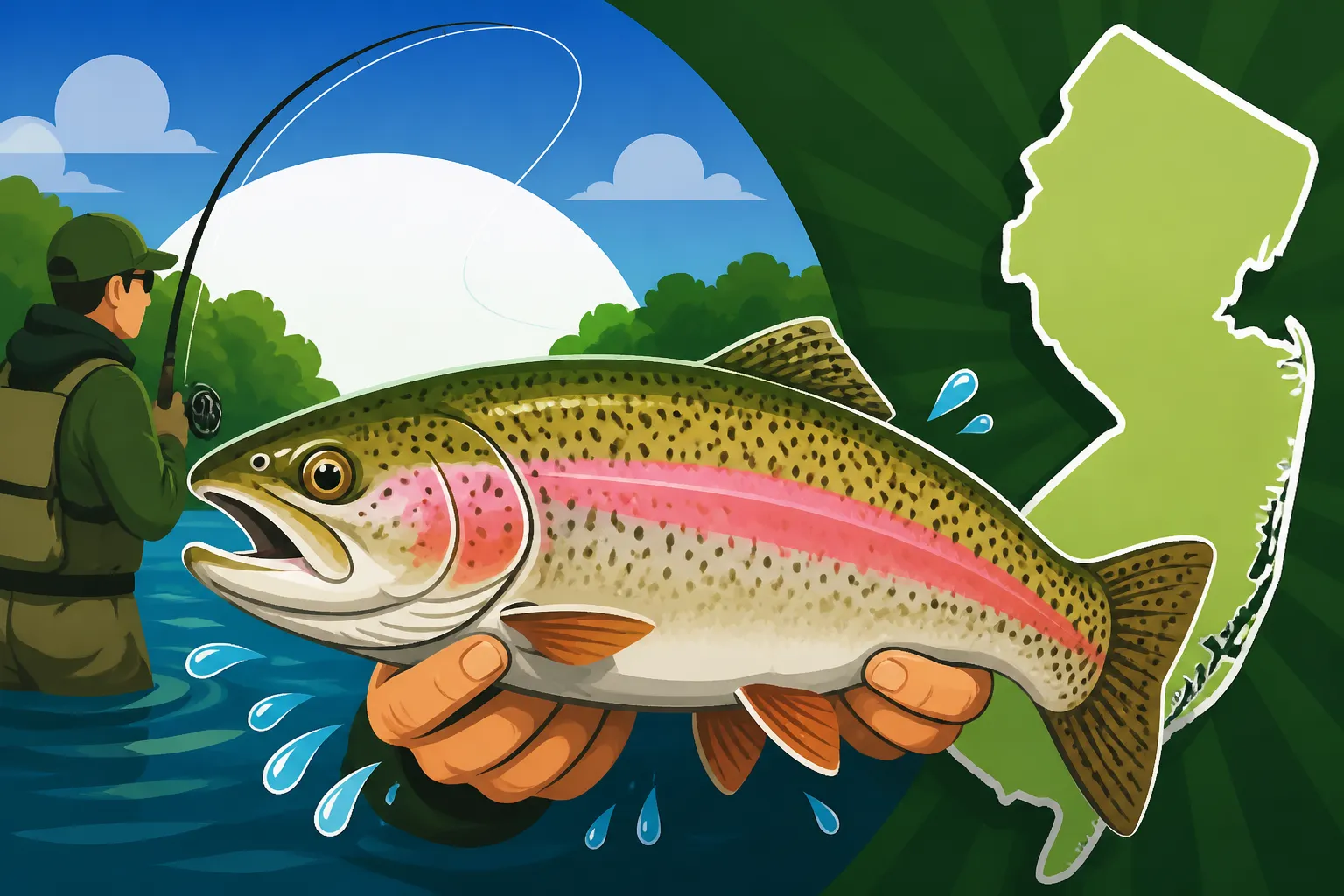
- Rainbow Trout: These are by far the most common trout stocked in New Jersey. They're known for their vibrant colors, often with a pink or red stripe along their sides, and their eagerness to bite. They're typically hardy and grow relatively quickly in hatchery environments.
- Brown Trout: Brown trout are a bit more elusive and can be a bit pickier about what they eat. They're known for their beautiful golden-brown coloring with dark spots, sometimes ringed with lighter halos. While fewer browns are stocked compared to rainbows, they have a reputation for growing larger and living longer, especially in suitable habitats.
- Brook Trout: New Jersey also stocks a smaller number of brook trout. These are actually char, not true trout, but they're cherished for their stunning markings – iridescent spots, white-edged fins, and a worm-like pattern on their backs. Brook trout tend to be smaller overall than rainbows or browns, and a significant portion of New Jersey's brook trout population is actually wild, found in cold, pristine headwater streams. However, some are stocked for specific programs or areas. If you're wondering about the nuances, our guide on New Jersey Rainbow Trout vs Brown Trout vs Brook Trout offers a deep dive.
The Typical Size of Trout When Stocked in New Jersey
So, let's get down to the brass tacks. What size fish are you actually likely to encounter when the stocking trucks pull up? The truth is, it varies a bit depending on the species and the specific stocking event, but there's a general range that holds true for most of New Jersey's stocked trout.
Average Stocking Sizes for Spring and Fall
For the vast majority of trout stocked for the popular spring season, you're looking at fish that are considered "catchable size." This usually means they are between 9 and 11 inches long. These are healthy, robust fish, perfect for a frying pan or for a fun fight on light tackle. They're typically uniform in size because they come from hatcheries where their growth is controlled.
However, the stocking program isn't just about these average-sized fish. New Jersey also stocks some larger "bonus broodstock" trout. These are often older, larger fish that have been used for breeding purposes at the hatcheries. They're true lunkers, often ranging from 15 to over 20 inches, and sometimes weighing several pounds. These bigger fish are mixed in with the smaller ones to add an extra layer of excitement for anglers, offering that chance at a real trophy. They're definitely not the norm, but they are out there!
For the fall stocking season, which focuses more on specific "Trophy Trout Lakes" and certain streams, the fish tend to be a bit larger on average than the general spring stockings. Fall-stocked trout often start around 10-12 inches, with a good number of larger fish included to provide a different kind of fishing experience through the cooler months. Our article New Jersey Trout Season: Spring vs Fall explains these differences in more detail.
Why Trout Are Stocked at These Specific Sizes
There are a few very practical reasons why the state chooses to stock trout at these particular sizes:
- Survival in the hatchery: Hatchery managers need to raise thousands of fish efficiently. Raising fish to a uniform, medium size is cost-effective and ensures good health before release. If they waited for every fish to become a giant, the program would be far more expensive and logistically challenging.
- Angler success: As mentioned, the "put-and-take" model thrives on immediate angler success. Fish that are too small are harder to catch and might not provide a satisfying experience. Fish that are too large, especially if stocked in massive numbers, could be difficult to manage and potentially overwhelm the food resources in some smaller water bodies.
- Transport and handling: Transporting thousands of fish, often over long distances in specialized trucks, requires them to be of a manageable size. Extremely large fish are harder to handle, require more space, and are more prone to stress during transport.
Here's a quick comparison of typical stocked sizes:
| Species | Spring Stocking (Typical) | Fall Stocking (Typical) | Bonus Broodstock (Potential) |
|---|---|---|---|
| Rainbow Trout | 9-11 inches | 10-12 inches | 15-22+ inches |
| Brown Trout | 9-11 inches | 10-14 inches | 18-25+ inches |
| Brook Trout | 8-10 inches | 9-11 inches | 12-16+ inches |
(Note: These are general ranges, and actual sizes can vary slightly year to year based on hatchery production.)
Growth Potential After Stocking: Can They Get Bigger?
Now for the intriguing part: once these fish are released into our lakes and rivers, do they just stay that size? Can they grow into those legendary lunkers that make for great fishing tales? The answer is yes, some certainly can, but it's not a guarantee for every stocked fish.
The Phenomenon of "Holdover" Trout
The term "holdover" trout refers to those lucky fish that survive past the initial heavy fishing pressure immediately after stocking. These are the ones that adapt to their new environment, find food sources, and manage to evade predators (including us anglers!). These holdovers are the ones that have the potential to put on significant size.
In nutrient-rich lakes and rivers with ample food, good water quality, and cooler temperatures that support trout year-round, holdover trout can indeed grow. They'll transition from their hatchery diet to natural forage like insects, minnows, and crustaceans. This natural diet can fuel impressive growth. Some waters in New Jersey are particularly known for their holdover potential, turning a 10-inch stocked fish into a 14-inch, 16-inch, or even larger specimen over several months or years. Our article on Trout Survival Through Summer in New Jersey Lakes delves into the conditions that help these fish thrive.
Factors Influencing Growth in the Wild
Several critical factors determine whether a stocked trout will grow significantly in its new home:
- Food Availability: This is paramount. If a lake or stream has a plentiful supply of aquatic insects, minnows, crayfish, or other small organisms, trout will have the fuel to grow. Waters with a healthy ecosystem are better for producing larger holdovers.
- Water Temperature: Trout are cold-water fish. Prolonged periods of warm water (above 70 degrees Fahrenheit) can stress them, slow their growth, and even be lethal. This is why many stocked streams struggle to hold trout through the summer, while deeper lakes or spring-fed rivers offer better conditions.
- Predation: From ospreys and eagles to otters and larger fish, stocked trout face numerous predators. The more effectively they can hide and avoid becoming dinner, the longer they survive and the more opportunity they have to grow.
- Angling Pressure: Let's be honest, we're a pretty big factor! Heavily fished areas mean less chance for a trout to become a holdover. Waters that are harder to access or have more restrictive regulations (like catch-and-release only sections) often produce larger holdovers simply because the fish aren't removed as quickly.
- Species Specifics: As mentioned, brown trout tend to have a higher potential for larger size and longer lifespans than rainbows, especially in waters that aren't too warm in the summer. Brook trout, while beautiful, generally don't reach the same trophy sizes as the other two.
So, while most stocked trout are caught within weeks of their release, don't discount the possibility of finding a true "lunker" that started its life in a hatchery truck!
Maximizing Your Chances: Finding and Catching Larger Stocked Trout
Okay, so you know stocked trout generally start at a catchable size, but some can indeed get much bigger. How do you, as an angler, tilt the odds in your favor to find and catch those impressive holdovers or those bonus broodstock lunkers? It comes down to strategy, timing, and knowing your waters.
Targeting "Trophy Trout Lakes" and Specific Streams
New Jersey designates certain bodies of water as "Trophy Trout Lakes" or "Quality Trout Sections." These areas often receive larger average stockings, including more of those broodstock fish, and sometimes have special regulations (like different size limits or bait restrictions) designed to encourage fish to grow larger. Places like Round Valley Reservoir, Merrill Creek Reservoir, or some of the larger trout streams are known for producing bigger fish, not just fresh stock. Our New Jersey Trout Fishing Techniques guide can help you refine your approach for these bigger fish.
Beyond the official designations, look for waters with:
- Deep sections: Providing thermal refuge in summer.
- Abundant natural forage: Crayfish, shiners, large aquatic insects.
- Less pressure: Harder to reach spots often hold bigger fish.
You might even consider researching when New Jersey Spring Trout Stocking Start Date occurs and fishing a few weeks later in less pressured areas, giving the fish a chance to acclimate and start feeding naturally.
Best Baits and Lures for Bigger Trout
While smaller stocked trout will readily hit corn, power bait, or worms, those larger holdovers can become a bit more discerning. They've likely seen (and ignored) many of the standard offerings. To tempt a bigger trout, consider:
- Larger Artificial Lures: Spinners, small spoons, or minnow-imitating crankbaits (like Rapalas or Yo-Zuris) can entice aggressive strikes from bigger fish looking for a substantial meal. You can find a huge variety of these on Amazon, making it easy to experiment without breaking the bank.
- Live Bait: Shiners, fathead minnows, or even larger earthworms (nightcrawlers) are excellent natural options for bigger trout. They look and act like natural prey.
- Flies: If you're into fly fishing, streamers that imitate baitfish or crayfish, or larger nymphs, can be very effective for holdovers. If you're looking for New Jersey Trout Stamp Requirements Explained, make sure you're up to date before hitting the water.
Remember, presentation is key. Larger trout are often warier, so a stealthy approach and a natural presentation of your bait or lure will increase your chances.
Patience and Persistence: The Angler's Virtues
Catching large stocked trout, especially holdovers, often requires more patience than simply reeling in a freshly stocked fish on Opening Day. You might need to explore different sections of a waterbody, try various depths, and switch up your baits or lures until you find what's working.
Consider fishing during off-peak hours (early morning, late evening) or on weekdays when there's less pressure. These times often find bigger fish more willing to move and feed. Pay attention to structure – submerged logs, rock piles, ledges, or deep pools are classic hiding spots for larger trout. Bringing a good quality fishing guide or map, easily found on Amazon, can help you identify these key areas.
And don't forget the importance of proper handling, especially if you plan to release a trophy. Using a net, keeping the fish in the water as much as possible, and quickly removing the hook can help ensure that majestic holdover lives to fight another day, perhaps growing even larger! Our guide What Do Stocked Trout Eat? can give you more insight into what these fish are foraging on, which can inform your bait selection. Always make sure to check the Reading the New Jersey Fish and Wildlife Digest for specific regulations on size and bag limits for trout in the waters you plan to fish.
Conclusion: Realistic Expectations and Rewarding Experiences
So, to wrap it all up: how big do stocked trout get in New Jersey? The vast majority of trout initially stocked in New Jersey waters are between 9 and 11 inches, providing a consistent "catchable" size for immediate angling pleasure. However, don't let that fool you! The program also includes larger "broodstock" fish, some reaching over 20 inches, which add that thrilling possibility of a true trophy.
More importantly, a percentage of these stocked fish become "holdovers," surviving past the initial fishing pressure and adapting to their new environment. Given the right conditions—ample food, cool water, and less pressure—these holdovers can grow considerably, turning a 10-inch fish into a legitimate lunker over time. It's these resilient, naturally-feeding fish that challenge anglers and provide some of the most rewarding catches.
Whether you're after a stringer full of pan-sized rainbows for dinner or patiently pursuing that elusive, massive brown trout that's learned to survive, New Jersey's stocked trout program offers diverse and exciting opportunities. Just remember that the size of your catch is often a blend of hatchery production, environmental factors, and a good dose of angler skill and persistence. So grab your rod and reel (maybe even some new tackle from Amazon), hit the waters, and enjoy the chase!
Disclaimer
This article is for general informational purposes only and does not constitute professional advice. Laws, prices and regulations vary by location and change over time. Consult a qualified professional for guidance on your specific situation.