Why Have Winter Flounder Numbers Dropped in New Jersey?
It's a really tough pill to swallow when a fish species that was once a staple of our New Jersey waters seems to be slowly fading away. Many of us who grew up fishing the bays and estuaries have vivid memories of bountiful winter flounder catches, but those days feel increasingly distant. If you've been wondering what's happening to our beloved "mud dabbers" and why their numbers have plummeted, you're not alone. This guide aims to shed light on the complex factors contributing to the decline of winter flounder populations in New Jersey, offering a clear, realistic look at the situation.
The Disappearing Act: A Look at Winter Flounder's Decline
For generations of New Jersey anglers, the arrival of winter flounder in the shallow, muddy bays was a highly anticipated event. These delicious flatfish were a sign of spring, bringing joy and a full cooler to many a family outing. But as the years have passed, that excitement has been tempered by a stark reality: winter flounder are getting harder and harder to find. It's not just a bad season here or there; it's a noticeable, long-term trend that has many of us scratching our heads and wondering if we'll ever see a true resurgence.
A Historical Perspective of Abundance
Think back to the stories your grandparents told, or maybe even your own memories from childhood. Winter flounder, often simply called "flounder" before the rise of summer flounder (fluke) as the primary target, were incredibly abundant. They thrived in the colder waters of our bays and estuaries, hugging the bottom, blending in with the mud, and providing a fantastic fishery. Anglers would drop a simple clam or bloodworm bait, and it wasn't long before a school of these tasty fish would be biting. Places like Barnegat Bay, Great Bay, and the Navesink River were synonymous with excellent winter flounder fishing. These fish were a reliable catch, a true cornerstone of New Jersey's inshore angling scene. They were resilient, seemingly endless, and provided countless meals and cherished memories. The sheer volume of fish meant that even a novice angler could expect a decent haul, making it a perfect target for family trips and introducing kids to the joys of fishing.
The Current Reality: Fewer Fish, Tougher Seasons
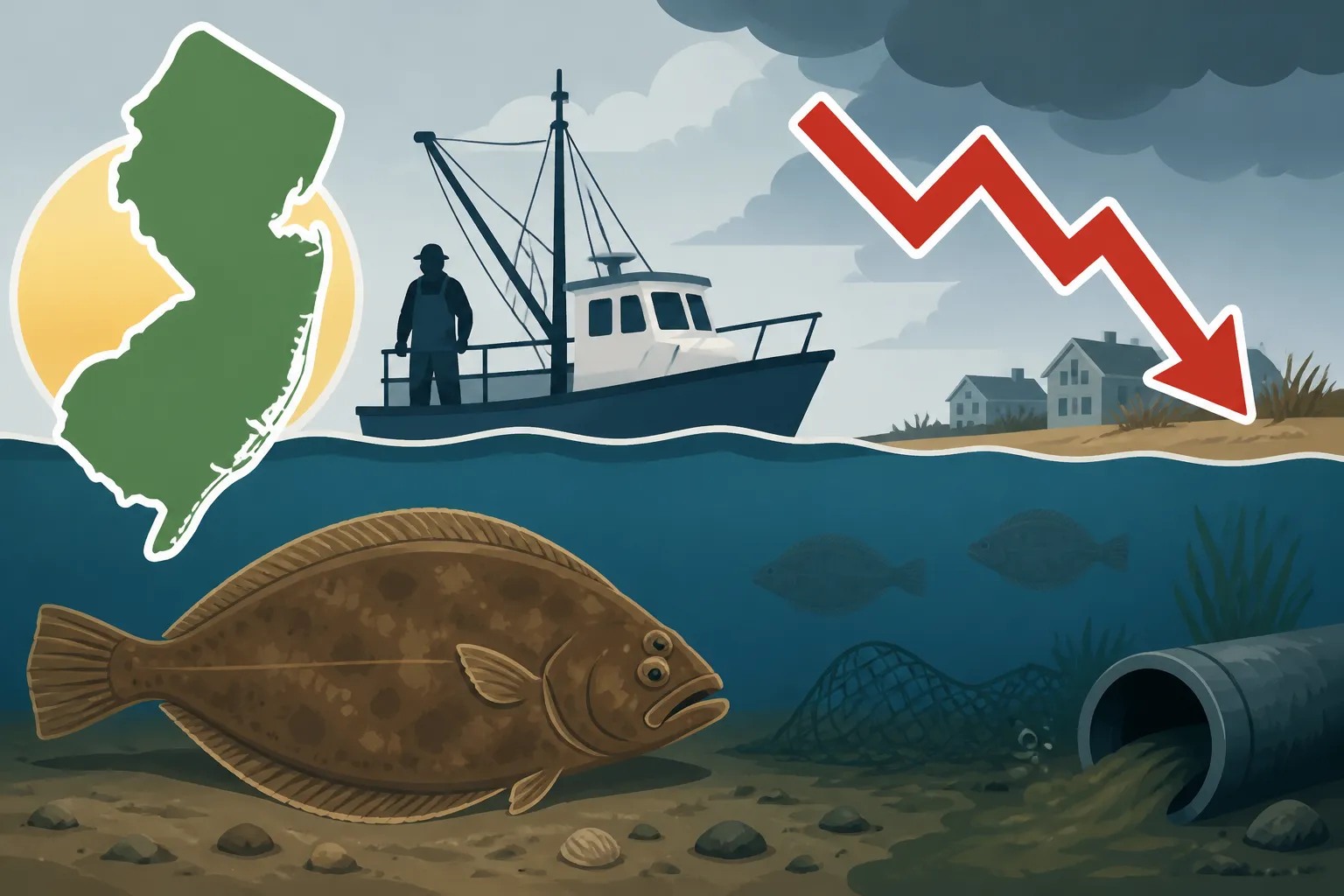
Fast forward to today, and the picture is vastly different. While you can still catch winter flounder in New Jersey, the effort required to find them, and the numbers you bring home, have drastically diminished. Many anglers report fishing all day for just a handful of keepers, or even none at all. Seasons are shorter, bag limits are stricter, and size limits have increased, reflecting the dire state of the stock. It's a frustrating experience to return to once-productive spots only to find them devoid of life. This decline isn't anecdotal; scientific assessments confirm that winter flounder populations across their range, including in New Jersey, are at historically low levels. It’s disheartening for those of us who remember the glory days, and it's a concern for the ecological health of our coastal waters. The reduced opportunities also mean a loss of tradition for many families and a significant blow to the local bait and tackle shops that once thrived on the winter flounder season. For more details on current rules, check out New Jersey Fishing Season Dates and Closures and New Jersey Winter Flounder Guide.
Unraveling the Causes: Why Winter Flounder Are Struggling
The decline of winter flounder isn't due to a single culprit, but rather a complex interplay of environmental changes, historical pressures, and ongoing challenges. It's a microcosm of the larger issues facing many marine and estuarine species, and understanding these factors is crucial to appreciating the uphill battle winter flounder face.
Habitat Loss and Degradation: A Place to Live and Spawn
Winter flounder rely heavily on healthy estuarine and coastal habitats, particularly shallow, muddy bottoms in bays and tidal rivers for feeding, protection from predators, and most importantly, spawning. Unfortunately, these critical habitats have been under immense pressure for decades. Coastal development, dredging for navigation channels, and shoreline hardening projects have all contributed to the physical destruction or alteration of crucial nursery grounds. Imagine a fish trying to survive when its childhood home is constantly being torn down or paved over.
Beyond physical destruction, pollution has played a significant role. Runoff from impervious surfaces, agricultural lands, and even improperly treated wastewater introduces sediments, chemicals, and excess nutrients into our waters. This leads to degraded water quality, less oxygen in the bottom waters (hypoxia), and reduced availability of the benthic invertebrates that winter flounder feed upon. A dirty or disrupted ecosystem simply can't support the same robust populations it once did. These vital nursery areas are also critical for many other species, not just flounder, highlighting the broader ecological impact.
Climate Change and Warming Waters: Shifting Ecological Balance
Perhaps one of the most insidious and far-reaching threats to winter flounder is climate change. Winter flounder, true to their name, prefer colder water. As the waters off the New Jersey coast, and particularly within our shallow bays, steadily warm, these fish are literally being squeezed out of their preferred habitat. Warmer temperatures can stress fish, reduce their growth rates, and make them more susceptible to disease. It also affects their spawning success, as specific temperature ranges are critical for egg development and larval survival.
This warming trend also impacts the entire food web. The smaller organisms that winter flounder feed on might shift their distribution or decline, leading to food scarcity. Furthermore, warmer waters can encourage the expansion of species that compete with winter flounder for food or even prey upon them, adding another layer of pressure. It's a massive, ecosystem-wide shift that a cold-water-adapted species like the winter flounder is ill-equipped to handle, pushing them northward or into deeper, cooler waters, away from their traditional New Jersey haunts. Understanding these dynamics is key to How New Jersey Sets Its Fishing Regulations Each Year.
Predation and Competition: A Crowded Ocean
In a healthy ecosystem, predation and competition are natural forces. However, when a species is already stressed, an increase in these pressures can be devastating. As ocean temperatures rise, some of the winter flounder's natural predators, such as striped bass and bluefish, may spend more time in New Jersey's inshore waters, overlapping with flounder populations more frequently. While these are also popular game fish, increased predation pressure on a dwindling stock is a concern.
Additionally, other species might be thriving in the warmer waters and outcompeting winter flounder for food resources. For instance, the summer flounder (fluke), which prefers warmer temperatures, has seen its population fair much better. While they aren't direct competitors in every sense, shifts in dominance can impact resource availability. It's a delicate balance, and when one element is out of whack, the entire system feels the ripple effect. Considering these ecological shifts is why understanding New Jersey Fluke Size and Bag Limits Explained is important, as management often tries to balance multiple fisheries.
Past Overfishing: A Legacy of Exploitation
It's important to acknowledge that human activity, particularly in the past, played a significant role in the initial decline of winter flounder. Historically, both commercial and recreational fishing pressure on winter flounder was intense. Before stricter regulations were implemented, these fish were caught in large numbers, often without a full understanding of their population dynamics or vulnerability. This sustained exploitation, especially on mature, spawning fish, severely reduced the breeding stock.
While current regulations are much more conservative, designed to protect the remaining fish, the legacy of past overfishing means that the population is starting from a much lower baseline. It takes a very long time for a depleted fish stock to rebuild, especially when facing multiple other environmental challenges simultaneously. So, while current fishing practices are generally more sustainable, the species is still recovering from decades of intense pressure, compounded by everything else.
Bycatch Issues: Unintended Consequences of Other Fisheries
Another significant factor contributing to the decline of winter flounder is bycatch. This refers to the unintentional capture of non-target species in fishing gear meant for other fish. Even with regulations and gear modifications, winter flounder can be caught in nets and trawls targeting other species, particularly during commercial operations for things like scallops, shrimp, or other groundfish. When these flounder are brought up, they might be discarded if they are undersized, out of season, or if the vessel doesn't have a permit to land them.
The stress and injury from being caught and then released often lead to high mortality rates, even if they aren't kept. This "cryptic" mortality, where fish die after release and aren't counted in catch statistics, can significantly impact a population's ability to rebound. Efforts are being made to develop more selective fishing gear, but it remains a persistent challenge for species like winter flounder that share habitats with other commercially valuable fish. This also underscores why measures like New Jersey Saltwater Registry Explained and Why Does New Jersey Require Saltwater Registration Separately From a License? are in place, to help track and manage fishing effort.
What's Being Done and How Anglers Can Help
While the picture for winter flounder can seem bleak, it's not without hope. A lot of dedicated people are working on understanding and mitigating these issues, and recreational anglers have a crucial role to play in conservation.
Management Efforts and Conservation Initiatives
State and federal fisheries management agencies regularly conduct stock assessments to monitor winter flounder populations. Based on these assessments, regulations are adjusted to try and ensure the long-term health of the species. This includes setting specific seasons, daily bag limits, and minimum size limits, all designed to reduce fishing pressure and allow more fish to reach maturity and spawn. You can often find these regulations detailed in the Reading the New Jersey Fish and Wildlife Digest.
Beyond direct fishing regulations, there are also ongoing habitat restoration projects. These initiatives aim to restore vital estuarine habitats by removing old structures, planting native marsh grasses, and improving water flow to historical spawning and nursery areas. Research is also continuously being conducted to better understand the winter flounder's life cycle, habitat needs, and responses to environmental changes, which is vital for effective long-term management strategies.
Angler's Role: Responsible Fishing and Advocacy
As anglers, we're on the front lines, observing changes in our waters firsthand. Our actions, collectively, can make a significant difference. One of the most impactful things you can do is practice responsible catch and release, especially with winter flounder. If you're targeting other species and catch a flounder, handle it carefully and release it quickly. Minimizing stress and injury is key to its survival. Using appropriate tackle, like circle hooks when bait fishing (where legal and appropriate), can also reduce gut-hooking. You can find a good selection of quality, environmentally conscious tackle on platforms like Amazon.
Beyond individual actions, becoming an advocate for healthy marine environments is powerful. Support conservation organizations, participate in local clean-ups, and stay informed about policy decisions affecting our coastal habitats. If you notice signs of pollution or habitat destruction, report it to the appropriate authorities. Even something as simple as educating fellow anglers about the importance of conservation can create a ripple effect. Consider picking up a copy of a local fishing guide or conservation book from Amazon to deepen your understanding and share knowledge. Furthermore, ensuring you understand New Jersey catch and release rules is a fundamental part of responsible angling.
Here's a quick overview of the major factors at play:
| Factor | Impact on Winter Flounder Population | Type of Pressure |
|---|---|---|
| Habitat Loss/Degradation | Loss of spawning & nursery grounds, poor water quality | Environmental, Anthropogenic (development, pollution) |
| Climate Change/Warming | Physiological stress, reduced spawning, food shifts | Environmental |
| Predation/Competition | Increased pressure from other species | Ecological |
| Past Overfishing | Depleted breeding stock, slow recovery | Anthropogenic (historical fishing pressure) |
| Bycatch | Unintentional mortality from other fisheries | Anthropogenic (current fishing practices) |
Looking Ahead: The Future of Winter Flounder in New Jersey
It’s easy to feel a sense of melancholy when thinking about the state of winter flounder in New Jersey. The combination of historical overfishing, widespread habitat degradation, and the relentless march of climate change presents a formidable challenge. There's no single, easy fix, and the recovery of the species will require sustained effort, scientific understanding, and a commitment from all stakeholders.
Challenges and Hope on the Horizon
The biggest challenge is undoubtedly the compounding effect of these various pressures. Even if we manage to significantly reduce bycatch and restore some habitats, the warming ocean is a force that is incredibly difficult to counteract on a local scale. Winter flounder are an indicator species, meaning their struggle reflects the broader health of our inshore marine environment. Their plight underscores the urgent need for comprehensive environmental protection and climate action.
However, there is always hope. Fisheries management has shown that with strong regulations and angler compliance, some species can rebound. Habitat restoration projects, though often localized, can create vital pockets of healthy ecosystems that can support populations. Increased public awareness and advocacy can drive policy changes and inspire more widespread conservation efforts. The dedication of conservationists, scientists, and responsible anglers who continue to fish for them and advocate for their future is a powerful force. While we may not return to the days of limitless catches, a future where winter flounder once again thrive in our bays is a goal worth fighting for. Many of the issues discussed here also affect other species, like those highlighted in New Jersey Black Sea Bass Season and Limits, showing the interconnectedness of our aquatic ecosystems.
Disclaimer
This article is for general informational purposes only and does not constitute professional advice. Laws, prices and regulations vary by location and change over time. Consult a qualified professional for guidance on your specific situation.