New Jersey’s Barnegat Bay Fishing Guide
Barnegat Bay, with its vast expanse and intricate network of channels, creeks, and flats, can feel like a whole world of its own when you're trying to figure out where the fish are biting. It's a truly amazing fishery, but its sheer size and diverse ecosystems can make it daunting for even seasoned anglers to pinpoint the best spots or techniques. This comprehensive guide is here to break down everything you need to know, from the types of fish you'll find to the best ways to catch them, making your next Barnegat Bay fishing adventure a successful and enjoyable one.
Understanding Barnegat Bay's Unique Ecosystem
When you first look at a map of Barnegat Bay, you see this massive body of water, seemingly endless. But to fish it effectively, you need to understand that it's far more complex than just an open bay. It's a dynamic estuary, stretching approximately 30 miles long and ranging from about 1 to 4 miles wide, making it a critical nursery ground and feeding area for countless species.
Geography and Waterways Defining the Bay
Barnegat Bay is characterized by its relatively shallow average depth, often less than 10 feet, though it boasts deeper channels, particularly near its primary oceanic connection, the Barnegat Inlet. This inlet, located near Barnegat Light on Long Beach Island, is the lifeblood of the bay, facilitating the exchange of nutrient-rich ocean water and the migration of fish. Smaller tidal guts and creeks, like Oyster Creek, Forked River, and the Metedeconk River, feed into the bay, bringing freshwater influence and creating a mosaic of brackish environments. This constant ebb and flow of tides, particularly strong around the inlet and main channels, plays a huge role in how fish move and feed, and learning to read these currents is a key skill for any successful angler. The northern reaches, closer to areas like Mantoloking and Brick, tend to be shallower with more freshwater input, while the central and southern parts, near Island Beach State Park and Barnegat Light, are more directly influenced by the ocean.
Habitat Diversity and Its Impact on Fishing
What makes Barnegat Bay such a productive fishery is its incredible diversity of habitats. You've got vast, shallow mud and sand flats that warm up quickly in the spring, drawing in baitfish and the predators that follow them. There are extensive seagrass beds, particularly in the shallower reaches, which act as crucial nurseries for juvenile fish and provide ambush points for larger game. Oyster beds, often found in slightly deeper channels or historical locations, are biological hotspots, filtering water and providing structure that attracts a wide array of marine life. And let's not forget the marsh grass islands and shorelines, especially along the western side of the bay, which offer shelter and feeding opportunities during different tidal stages. Each of these habitats attracts different species at different times of the year and tide, meaning that a good understanding of the bay's structure will vastly improve your chances of success. Knowing the depth, bottom structure, and presence of grass or oyster shell in a particular area will give you a significant advantage in figuring out which species to target and what techniques to use.
Prime Fish Species You'll Encounter in Barnegat Bay
Barnegat Bay is a veritable smorgasbord for anglers, offering a wide variety of species throughout the year. While some are resident, many are migratory, moving in and out of the bay with the seasons and water temperatures. Targeting the right fish at the right time is half the battle, and understanding their habits will make you a much more effective angler.
Striped Bass: The Bay's Premier Gamefish
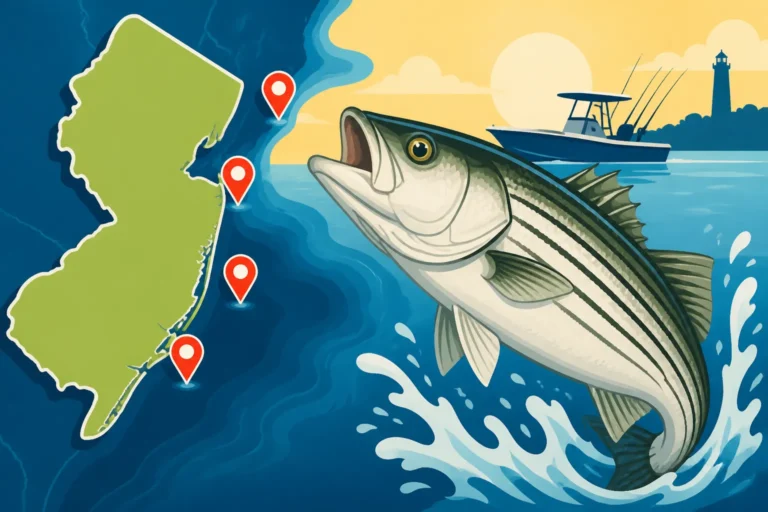
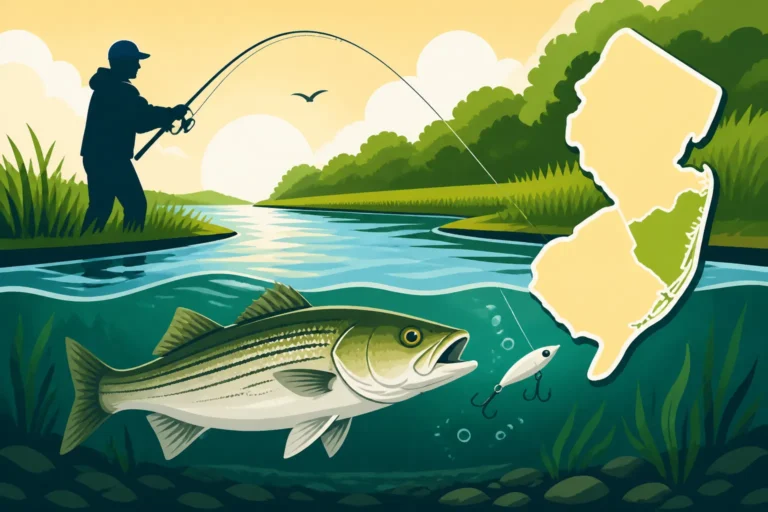
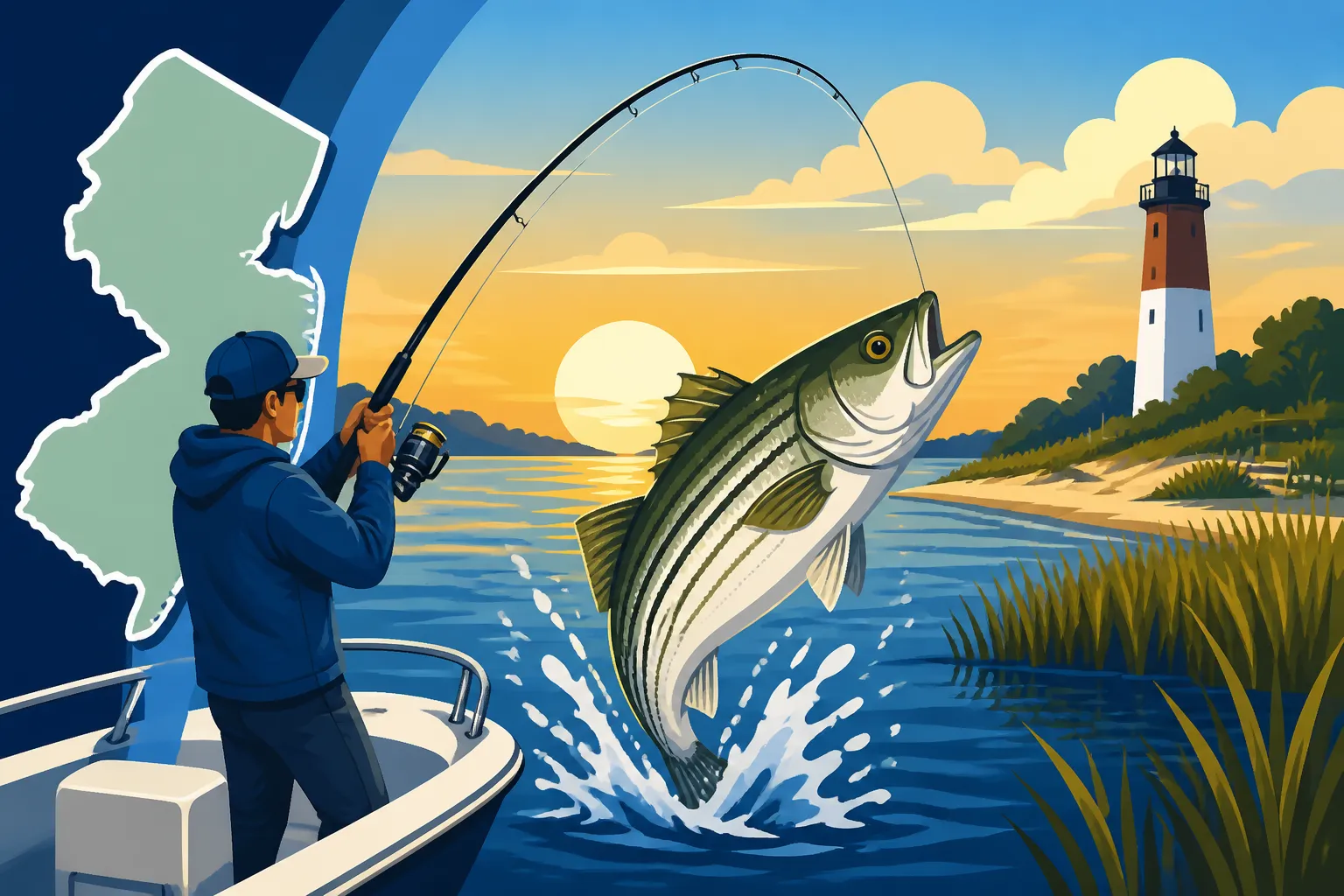
Ah, the striped bass. For many, this is the crown jewel of Barnegat Bay fishing. The bay serves as an important nursery and feeding ground for stripers, especially during their spring and fall migrations. In the spring, as water temperatures rise, juvenile stripers become very active in the shallower flats and marshy areas, feasting on grass shrimp and small baitfish. Larger migratory fish move through the bay and especially around Barnegat Inlet, often chasing bunker or spearing. Fall is when the bay truly shines for stripers, as the "fall run" brings massive schools of fish feeding heavily before their winter migration south. You can catch them casting artificial lures like poppers, swim shads, or bucktails, especially around structure such as bridge pilings, sod banks, or the deeper channels. Live lining peanut bunker or eels is also incredibly effective, particularly for larger fish. Remember to always be aware of the New Jersey Striped Bass Slot Limit Explained as regulations are strictly enforced to protect this prized species.
Fluke (Summer Flounder): Drifting for Dinner
Fluke, or summer flounder as they're officially known, are another incredibly popular target in Barnegat Bay, and for good reason—they're delicious! These flatfish love to lie on the bottom, camouflaged, waiting to ambush unsuspecting baitfish. Their season typically runs from late spring through early fall, with peak fishing often occurring in the warmer summer months. You'll find them in a variety of locations, from shallow flats and channel edges to the deeper parts of the Barnegat Inlet. Drifting is the most common and effective technique, allowing your bait or lure to cover a lot of ground. Standard fluke rigs, often baited with a strip of Gulp! or natural bait like spearing, squid, or a live minnow, are deadly. The key is to keep your bait close to the bottom and give it some action with gentle lifts and drops of your rod. Check out New Jersey Fluke Size and Bag Limits Explained to ensure you're compliant with current regulations.
Bluefish: The Choppers of the Bay
If you're looking for an adrenaline rush, bluefish are your answer. Known for their voracious appetites and aggressive strikes, these "choppers" will hit just about anything that moves, often in spectacular surface blitzes. While sometimes considered a nuisance by fluke anglers due to their habit of cutting lines, bluefish are a blast to catch on appropriate tackle. They typically show up in the bay as the water warms in late spring and stay through the fall, often following schools of bunker. You'll find them throughout the bay, but the deeper channels and the Barnegat Inlet are prime hunting grounds. Poppers, metal spoons, and fast-retrieved lures are excellent choices. They fight hard and can make for exciting action, particularly when they're in a feeding frenzy. For more specific local information, you can always look into the Barnegat Bay Bluefish and Fluke Spots guide.
Other Notable Catches and Crabbing Opportunities
Beyond the big three, Barnegat Bay offers a delightful mix of other species. You might encounter weakfish, known for their iridescent "sea trout" appearance and delicate bite, often found in deeper channels or around structures, especially during the warmer months. Tautog, or blackfish, are resident species that prefer rocky bottom, pilings, and oyster beds, though they are less prevalent in the soft-bottomed bay than in the ocean. Don't be surprised to catch sea bass or even a small shark or ray, especially closer to the inlet.
But fishing isn't the only aquatic pursuit here! Barnegat Bay is renowned for its excellent crabbing. Blue claw crabs are abundant, and recreational crabbing is a popular family activity. You can catch them using simple hand lines with bait (chicken necks are classic!), crab traps, or trotlines. It’s a fantastic way to enjoy the bay, and a successful crabbing trip often means a delicious fresh seafood dinner. Just be sure to know the New Jersey Crabbing License Requirements and local regulations regarding size and limits for blue claws.
Essential Fishing Techniques for Barnegat Bay
Fishing Barnegat Bay isn't a one-size-fits-all endeavor. The vastness of the bay and the variety of species mean that different techniques are more effective for different situations. Mastering a few key methods will greatly enhance your success.
Drifting and Jigging for Fluke: The Art of the Slow Presentation
When it comes to fluke, patience and presentation are paramount. Drifting is the technique of choice, allowing your boat to be carried by the wind and current, covering large areas of bottom while keeping your bait or lure in the strike zone. The ideal drift speed is crucial; too fast, and your bait might lift off the bottom or spook fish; too slow, and you won't cover enough ground. Often, anglers will deploy a drift sock or sea anchor to slow their drift if the wind is strong. As you drift, it’s important to impart action to your offering. This can be done through a subtle "lift and drop" motion of your rod tip, imitating a wounded baitfish or shrimp. Bucktail jigs, tipped with Gulp! or natural baits like spearing, squid, or a strip of fresh fish belly, are incredibly effective. Vary the weight of your bucktail or sinker to ensure you're always making contact with the bottom. When you feel that subtle tap, resist the urge to immediately set the hook. Instead, drop your rod tip slightly, giving the fluke a moment to fully engulf the bait, then sweep-set the hook. For an even deeper dive into this technique, check out How to Drift Fish for Fluke.
Casting and Trolling for Striped Bass & Bluefish: Covering Water and Making a Splash
For active predators like striped bass and bluefish, covering water and creating a commotion can be key. When these fish are actively feeding, especially during a bluefish blitz or a stripers' fall run, casting is an exhilarating method. Topwater poppers and walk-the-dog style lures can create explosive strikes, particularly in low light conditions or when fish are feeding on the surface. Soft plastic swim shads, rigged on jig heads, are incredibly versatile and can be fished at various depths, imitating baitfish like bunker or spearing. Metal spoons are also excellent for bluefish and stripers, especially when casting into strong currents or when fish are holding deeper.
Trolling is another highly effective method, particularly for locating scattered schools of fish or when targeting larger, deeper-holding stripers. Umbrella rigs, Mojo rigs, or single swimming plugs can be trolled behind the boat at varying speeds and depths. Pay close attention to your electronics to identify bait schools or structure, and adjust your trolling pattern accordingly. The key with both casting and trolling is to match the hatch – use lures that resemble the baitfish currently present in the bay, whether that's bunker, spearing, or silversides. You can learn more about this by reading How to Fish for Striped Bass in New Jersey.
Crabbing and Clamming: Fun for the Whole Family
Barnegat Bay isn't just for rod-and-reel fishing; it's also a prime spot for recreational crabbing and clamming, offering a fantastic way to enjoy the bay with friends and family. Crabbing is incredibly popular, and it's relatively easy to get started. Chicken necks are the classic bait for blue claw crabs, tied to a hand line and tossed into the water from a dock, bulkhead, or shallow boat. You simply wait for a tug, slowly pull the line in, and scoop up the crab with a net. Collapsible crab traps, baited with fish racks or chicken, are also very effective, especially when left for a while in productive areas like creeks or marsh edges.
Clamming, particularly for hard clams (quahogs), is another rewarding activity. Many of the shallow sandy or muddy flats in the bay, especially during low tide, are perfect for wading and raking for clams. A clam rake and a bushel basket are all you really need. It's a bit of work, but the reward of fresh clams for chowder or on the half-shell is well worth it. Always check local regulations for size limits, bag limits, and any water quality advisories before crabbing or clamming, as these can change to ensure public safety and resource sustainability. The bay's natural bounty is a gift, and knowing how to harvest it responsibly is part of the tradition.
Navigating the Bay: Access Points and Boating Considerations
Getting out on Barnegat Bay can be an adventure in itself, whether you're bringing your own boat, renting a kayak, or simply looking for a spot to cast from shore. Understanding your options and the bay's specific navigational challenges is crucial for a safe and productive trip.
Public Boat Ramps, Marinas, and Their Services
For those with their own boats, Barnegat Bay offers numerous public boat ramps and private marinas that provide excellent access. Along the western shore, towns like Forked River, Waretown, Barnegat, and Tuckerton all have public ramps that can accommodate trailers, often with ample parking. These ramps put you directly into prime bay fishing grounds, with easy access to channels and flats. On the eastern side, particularly along Long Beach Island, you'll find marinas in towns like Beach Haven, Surf City, and Barnegat Light, offering slips, fuel, bait, and tackle shops. These spots are fantastic for launching boats that need deeper water or for those looking to fish near the Barnegat Inlet. Many private marinas also offer seasonal or transient slips, as well as repair services, which can be a lifesaver if you run into any mechanical issues while exploring the bay. Some also have charter boat services available, which can be a great way to experience the bay with a local expert.
Kayaking and Small Boat Fishing: Exploring the Shallows
Barnegat Bay's shallow nature makes it a fantastic destination for kayaking and small boat fishing. Kayaks, canoes, and small jon boats can access areas that larger vessels simply cannot, allowing you to explore tucked-away creeks, shallow marsh edges, and expansive flats where larger fish often cruise undetected. Launching a kayak is much simpler, often requiring just a small patch of shoreline, and many towns along the bay have designated kayak launches or accessible shorelines. The ability to silently paddle into calm, skinny water opens up opportunities for sight-fishing for striped bass or targeting fluke in areas with minimal boat traffic.
However, paddling the bay also comes with its challenges. Wind can pick up quickly, turning a calm paddle into a strenuous workout, and strong currents, especially near the inlet or major channels, demand respect. Always check the weather and tide forecast before heading out, wear your personal flotation device, and consider carrying a marine radio or fully charged cell phone. For those looking to explore specific areas, Island Beach State Park offers multiple access points ideal for launching small craft, though some require a permit. Understanding the bay's numerous shallow spots and sandbars is also critical; a good map or GPS with depth contours is invaluable to avoid getting stranded.
Shore Fishing Opportunities: Piers, Jetties, and Beaches
Not everyone has a boat, and that's perfectly fine because Barnegat Bay offers some fantastic shore fishing opportunities. Throughout the towns bordering the bay, you'll find various public piers and bulkheads where you can cast a line. These spots often provide access to slightly deeper water or areas with structure, attracting fish. Places like the Mantoloking Bridge walkway, various community docks, or even the small fishing pier at Island Beach State Park are popular for targeting anything from blowfish and crabs to small stripers and fluke.
Jetties, especially those lining the Barnegat Inlet, are prime locations for more serious shore anglers. The rocks provide cover for bait and ambush points for predators like striped bass and bluefish. Just remember that fishing from jetties can be dangerous due to slippery rocks and strong currents, so wear appropriate footwear and exercise caution. Island Beach State Park Fishing Access is another phenomenal location, particularly for surf fishing on the ocean side, but also offers bay access for shore-bound anglers who know where to look. Even simply casting from the many public beaches or waterfront parks can yield surprising results, especially during the spring and fall runs. Remember, a simple spinning rod, some bait, and a bit of local knowledge can go a long way when fishing from the shore.
Seasonal Fishing Breakdown for Barnegat Bay
Barnegat Bay is a year-round fishery, but what you catch and how you catch it changes dramatically with the seasons. Understanding these patterns is key to maximizing your success and making sure you’re targeting the right species at the right time.
Spring Fishing: Awakening Waters and Migratory Arrivals
As the ice retreats and water temperatures slowly climb in early spring, Barnegat Bay truly comes to life. This is a time of awakening, when resident fish become more active and migratory species begin their northward journey. Early spring sees the arrival of winter flounder in the bay, though their numbers have been in decline. As the water warms further, often into the 50s and 60s, baitfish like spearing and grass shrimp become abundant in the shallower areas and marsh creeks. This in turn draws in juvenile striped bass, which are often found cruising the sod banks and flats, eager to snatch up small soft plastics or bloodworms. This is a great time to target schoolie stripers, offering fast action on light tackle. Larger migratory stripers will also begin to show up, particularly around the Barnegat Inlet and main channels, often chasing the first schools of bunker. It’s a dynamic time, full of anticipation, and offers some of the first exciting fishing opportunities of the year. Don't forget to check the New Jersey Fishing Season Dates and Closures to stay informed about open seasons.
Summer Fishing: Peak Activity and Diverse Catches
Summer is arguably the busiest time on Barnegat Bay, both for anglers and recreational boaters. The warm waters bring in a wide array of species, and the longer days mean more time on the water. Fluke fishing is at its peak, with anglers drifting the channels and flats, patiently working their bucktails and bait for that prized dinner. Bluefish are abundant and aggressive, often creating exciting surface blitzes as they corral schools of baitfish. Weakfish, though sometimes elusive, can also be targeted in deeper pockets and around structure, especially during low-light conditions. Crabbing becomes a popular family activity, with blue claws plentiful in many parts of the bay.
However, summer fishing also presents its challenges. The increased boat traffic can sometimes scatter fish, and the warmer water temperatures can make some species, like striped bass, less active during the heat of the day. Anglers often adapt by fishing early mornings, late evenings, or even at night for stripers. It's also a time when you might encounter species like blowfish, kingfish, or even small sharks and rays, adding to the variety of your catch. The key to summer success often lies in finding cooler water, either in deeper channels or areas with good current flow, and fishing during cooler parts of the day.
Fall Run: Striped Bass Spectacle and Farewell to Summer Species
If spring is the awakening, then fall is the grand finale on Barnegat Bay, especially for striped bass and bluefish. As the days shorten and water temperatures begin to drop, often into the 60s and 50s, baitfish like bunker, mullet, and spearing begin their migration out of the bay and along the coast. This triggers the famous "fall run," a period of intense feeding activity as striped bass and bluefish gorge themselves in preparation for their winter migration. Huge schools of stripers and blues can be found crashing baitfish, often close to shore or in the main channels, providing incredible light-tackle action.
Anglers flock to the Barnegat Inlet, Island Beach State Park, and the deeper sections of the bay to partake in this spectacular event. Casting big poppers, swim shads, and metal jigs can yield numerous catches, and live baiting with eels or bunker can entice larger fish. While the focus is often on stripers and blues, you can still catch respectable fluke in early fall, particularly near the inlet, as they too begin their offshore migration. It's a bittersweet time, as the fishing is often at its best, but it signals the approaching end of the open-water season. For current conditions and the best spots during this period, sometimes a charter guide found on FishingBooker can offer up-to-the-minute intel.
Winter Fishing: A Quieter, Challenging Pursuit
Winter brings a quieter, more challenging dimension to Barnegat Bay fishing. As water temperatures plummet, many species move offshore or into deeper, warmer pockets, or become largely inactive. Open-water fishing becomes much slower, primarily limited to targeting tautog around structures near the inlet, or perhaps some holdover striped bass in deep channels, though these are often catch-and-release only.
However, if the bay freezes over, particularly in its shallower northern reaches, ice fishing becomes an option. Anglers brave the cold for yellow perch, white perch, and sometimes even crappie or pickerel. Safety is paramount during ice fishing; always ensure the ice is thick enough (at least 4 inches for foot travel) and be aware of changing conditions. For the most part, winter is a time for maintenance, preparation, and dreaming of the next spring, but for the dedicated few, there are still opportunities to be found.
Regulations and Conservation in Barnegat Bay
Fishing in Barnegat Bay isn't just about catching fish; it's also about being a responsible steward of the environment and understanding the rules that protect these vital resources. New Jersey has specific regulations designed to ensure sustainable fishing for generations to come.
State-Specific Rules: The New Jersey Fish & Wildlife Digest
Navigating fishing regulations can sometimes feel like trying to decipher a foreign language, but it's absolutely essential for any angler in Barnegat Bay. The New Jersey Division of Fish and Wildlife publishes an annual Marine Issue of the Fish & Wildlife Digest, which is your go-to source for all current rules regarding saltwater fishing. This digest outlines everything from species-specific size and bag limits to season dates and any gear restrictions. For instance, specific regulations exist for species like striped bass, fluke, bluefish, and black sea bass, often changing from year to year based on stock assessments and management goals.
It's not just about minimum size; some species, like striped bass, have slot limits, meaning you can only keep fish within a certain size range, while others might have maximum size limits. It's your responsibility to know these rules before you cast a line. Ignorance is no excuse, and conservation officers patrol the bay regularly. You can find digital copies of the digest online, or pick up a physical copy at bait and tackle shops throughout New Jersey. Understanding these rules is a critical part of being a respectful and legal angler. You can also explore specific topics like New Jersey Freshwater Fishing Regulations Every Angler Should Know if you venture into the bay's tributaries.
Saltwater Registry: A Simple but Crucial Step
Beyond individual licenses (which are required for freshwater fishing but not typically for saltwater from shore or private boats in NJ), New Jersey has a mandatory saltwater angler registry program. This program, known as the New Jersey Saltwater Registry Explained, replaced the federal registry for anglers fishing in state marine waters. It's crucial because it helps the state collect vital data on recreational fishing effort, which is used to manage fish stocks and secure federal funding for fisheries conservation.
The good news is that registering is quick, easy, and free. You can do it online through the NJ Fish and Wildlife website. While most charter boats and party boats cover their passengers under a blanket registry, if you're fishing from your own boat, a friend's boat, or from shore, you need to be individually registered. It's a small step that makes a big difference in the long-term health of our marine resources. Failing to register can result in a fine, so it's best to take a few minutes to complete this simple requirement before your trip.
Environmental Concerns and Responsible Angling
Barnegat Bay is a precious natural resource, and its health directly impacts the quality of its fishing. Anglers have a vital role to play in its conservation. This means adhering to regulations, practicing catch and release properly for species you don't intend to keep, and minimizing your impact on the ecosystem. Pollution from stormwater runoff, nutrient loading, and habitat degradation have all been historical challenges for the bay. Local organizations and state agencies are continuously working to improve water quality and restore critical habitats like oyster reefs and seagrass beds.
As an angler, you can contribute by always properly disposing of trash, avoiding spilling fuel or oil, and reporting any suspicious environmental activity. If you're clamming or crabbing, be aware of any temporary closures or advisories due to water quality. When fishing, be mindful of sensitive habitats; for example, avoid running your boat motor through shallow seagrass beds, which can damage them. Practicing "leave no trace" principles ensures that the beauty and productivity of Barnegat Bay remain for future generations of anglers. It’s not just about the fish we catch today, but the fish we leave for tomorrow.
Gear Up: Recommended Tackle and Bait for Barnegat Bay
Walking into a tackle shop with the sheer volume of rods, reels, lures, and baits can be overwhelming. But for Barnegat Bay, you can get by with a relatively straightforward setup that covers most of your bases. Matching your gear to your target species and technique will not only make fishing more effective but also more enjoyable.
Rods, Reels, and Line: Versatile Setups for Bay Anglers
For the typical Barnegat Bay angler, versatility is key. A medium to medium-heavy spinning rod, around 6.5 to 7.5 feet in length, is a fantastic all-around choice. This rod will be light enough for casting smaller lures to schoolie stripers and bluefish, yet powerful enough to handle a decent fluke or a larger striped bass. Pair this with a reliable spinning reel in the 3000-5000 size range, capable of holding 150-200 yards of line. For line, braided line in the 15-30 lb test range is highly recommended. Braid offers superior sensitivity, allowing you to feel even the most subtle bites, and its lack of stretch provides better hook sets. Always tie a fluorocarbon leader (20-40 lb test) to your braid for abrasion resistance and reduced visibility, as the bay can often be clear. If you're specifically targeting larger stripers or doing a lot of trolling, a heavier conventional setup might be beneficial, but for most bay fishing, a good spinning combo will serve you well. For beginners, finding a good starter setup can be confusing, but checking a guide like Best New Jersey Fishing Gear for Beginners can point you in the right direction.
Artificial Lures: Mimicking the Bay's Bounty
Artificial lures are incredibly effective in Barnegat Bay, offering a variety of presentations to mimic the bay's natural baitfish.
- Bucktail Jigs: These are absolute staples for fluke fishing. Available in various weights (from 1/2 oz to 2 oz, depending on depth and current) and colors, they imitate various baitfish and crustaceans. Tipping them with a strip of Gulp! or natural bait enhances their effectiveness.
- Soft Plastic Swim Shads: Imitating bunker, spearing, or other baitfish, these are deadly for striped bass and bluefish. Sizes from 4 to 7 inches, often rigged on a jig head, are common. Chartreuse, white, and bunker patterns are popular colors.
- Topwater Poppers and Walk-the-Dog Lures: For explosive surface strikes from stripers and bluefish, especially during low light or when fish are feeding aggressively. Classic colors include white, chrome, and blue/silver.
- Metal Spoons: Effective for casting long distances, especially into the wind, and for reaching deeper-holding bluefish and stripers. Sizes and colors vary, but silver or chrome are always good choices.
Having a selection of these lures in your tackle box will prepare you for most situations you'll encounter in the bay.
Live and Cut Baits: The Irresistible Scent
Sometimes, nothing beats the real thing. Natural baits often have a scent and texture that artificials can't fully replicate, making them irresistible to many species.
- Live Minnows (Spearing, Killies): Excellent for fluke and small striped bass. They can be drifted under a bobber or fished on a standard bottom rig.
- Live Eels: A top choice for targeting large, nocturnal striped bass, particularly around structure.
- Shedder Crabs (Soft Shell Crabs): A delicacy for striped bass and weakfish, though often hard to come by.
- Clams: Great for drum fish (though less common in the bay itself) and also used for chumming.
- Squid: A versatile bait, cut into strips for fluke or used whole for larger predators.
- Bunker (Menhaden): Arguably the most important baitfish in the bay. Live bunker are phenomenal for large stripers and bluefish. Chunked bunker, cut into pieces, is also very effective for enticing a strike from these fish.
Having a good selection of both artificial and natural baits will ensure you're ready for whatever Barnegat Bay throws your way. Always try to match your bait choice to the predominant forage in the bay at that time, and don't be afraid to experiment!
Hiring a Guide or Charter for Barnegat Bay
For many anglers, especially those new to the area or looking to target specific species, hiring a local guide or charter captain on Barnegat Bay can be a game-changer. Their expertise and specialized equipment can turn a confusing day on the water into a highly successful and educational experience.
Benefits of a Local Guide: Unlocking Bay Secrets
Barnegat Bay is vast and constantly changing. Channels shift, sandbars move, and fish patterns vary with the tides, seasons, and bait movements. This is where a local guide truly shines. These captains spend countless hours on the water, developing an intimate knowledge of the bay's every nuance. They know exactly where the fish are holding based on current conditions, what baits and lures are working best, and how to safely navigate the bay's often-tricky waters. For someone unfamiliar with the area, a guide can save you valuable time (and frustration) by taking you directly to the productive spots.
Beyond just finding fish, a good guide will also offer invaluable instruction. They can teach you proper casting techniques, how to rig different baits, interpret your electronics, and understand fish behavior. It's like getting a master class in Barnegat Bay fishing. This level of local knowledge and hands-on teaching is particularly beneficial for beginners or those wanting to hone their skills for a specific species like fluke or striped bass. You can often find highly-rated local guides through platforms like FishingBooker, which makes it easy to compare offerings and read reviews.
Choosing a Charter: Party Boat vs. Private Experience
When deciding on a guided trip, you typically have two main options: a party boat (also known as a head boat) or a private charter. Each offers a distinct experience.
- Party Boats: These are generally larger vessels that take many anglers out at once on a per-person fare. They are usually more budget-friendly and are a great option for individuals or small groups who don't mind sharing the rail. Party boats often focus on a specific type of fishing, like fluke drifting or wreck fishing (though less common directly in the bay). They typically provide bait and often tackle for rent. While you might not get individualized attention from the crew, it's a social atmosphere, and you can still learn a lot by observing other anglers and talking to the deckhands. Belmar and Point Pleasant, just north of the bay, have several well-known party boat fleets that venture into nearby ocean waters.
- Private Charters: A private charter offers a more exclusive and customizable experience. You book the entire boat for your group (typically 1-6 people). This allows you to dictate the target species, duration of the trip, and receive personalized instruction from the captain and mate. Private charters are ideal for families, corporate outings, or serious anglers who want a tailored experience. While more expensive upfront, the cost per person can become comparable to a party boat for a full group. Private charters also offer more flexibility, allowing the captain to move between spots quickly or adjust plans based on the fishing conditions. Many private charters operate directly out of marinas along Barnegat Bay. If you’re considering a private trip, a platform like FishingBooker can help you find reputable captains operating out of Barnegat Light, Forked River, or other bay towns, making the process of finding the right fit for your group much simpler. Regardless of your choice, a charter can significantly increase your chances of a memorable and productive day on the water. For more information, you can always consult a general New Jersey Charter Fishing Guide.
Barnegat Bay's Seasonal Species and Common Techniques
Here's a quick reference table to help you plan your Barnegat Bay fishing trips throughout the year. Remember, these are general guidelines, and local conditions can always influence the bite!
| Season | Primary Target Species | Secondary Species (Potential) | Common Techniques | Key Considerations |
|---|---|---|---|---|
| Spring | Striped Bass (schoolie), Winter Flounder (early) | Weakfish, Bluefish (late spring) | Light tackle casting (soft plastics), Bait fishing (bloodworms, grass shrimp), Drifting (fluke rigs) | Warming waters, migratory fish entering, focus on shallow flats & creeks |
| Summer | Fluke (Summer Flounder), Bluefish | Striped Bass (early/late), Weakfish, Crabs, Blowfish | Drifting (bucktails, Gulp!, live bait), Casting (poppers, swim shads), Crabbing (chicken necks) | Heavy boat traffic, focus on deeper channels & early/late day bites, crabbing |
| Fall | Striped Bass, Bluefish | Fluke (early fall) | Casting (large swim shads, poppers, metal jigs), Live bait (bunker, eels) | Famous "Fall Run," intense feeding activity, fish congregating near inlet & main channels |
| Winter | Tautog (near inlet), Yellow Perch (ice fishing) | Holdover Striped Bass (catch & release) | Jigging (green crabs for tautog), Ice fishing (jigs for perch) | Very slow open-water fishing, ice fishing requires extreme caution, focus on deep spots |
Disclaimer
The information provided in this guide is for general informational purposes only and is subject to change. Fishing regulations, season dates, and size/bag limits are set by the New Jersey Department of Environmental Protection, Division of Fish and Wildlife, and can change frequently. Always consult the most current New Jersey Fish & Wildlife Digest or the official NJDEP website before engaging in any fishing activity to ensure compliance with all state and federal laws. Fishing inherently carries risks; always prioritize safety and wear appropriate personal flotation devices when on the water.