Where to Surf Fish for Striped Bass in New Jersey
There’s nothing quite like the thrill of standing on a New Jersey beach, casting into the churning surf, hoping for that telltale tug of a monster striped bass. But if you've spent countless hours without so much as a nibble, or found yourself in a crowded spot wondering where the fish actually are, you know the frustration. This guide is all about cutting through the guesswork, helping you pinpoint the prime locations and understand the nuances of surf fishing for striped bass along the beautiful, dynamic Jersey Shore.
The Allure of Surf Fishing for Striped Bass
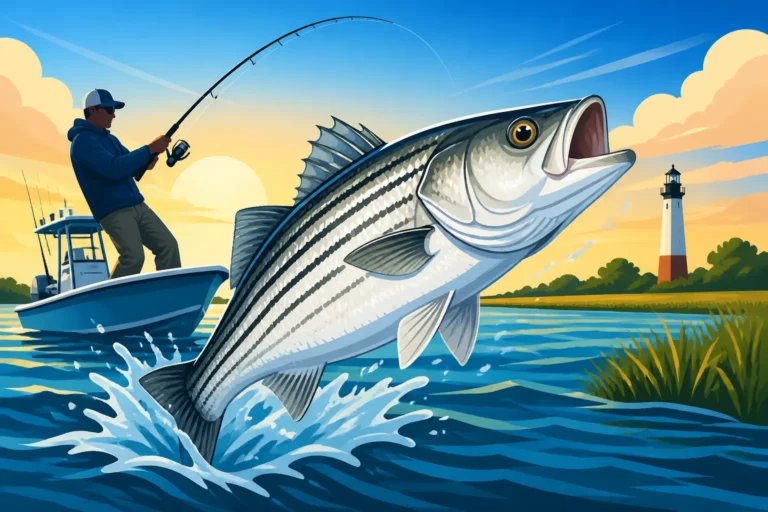
Surf fishing for striped bass in New Jersey isn't just a pastime; it's a deep-rooted tradition, a challenge, and an incredible way to connect with the raw power of the ocean. The feeling of a big striper hitting your line in the breaking waves, the spray on your face, the salt in the air – it’s an experience that keeps anglers coming back year after year. These powerful fish, known for their aggressive strikes and strong fights, are a bucket-list catch for many, and the New Jersey coastline offers some of the best opportunities on the East Coast.
Many anglers find themselves drawn to surf fishing because of its accessibility. You don't need a boat, you don't need expensive electronics, just a good rod, reel, some tackle, and the determination to hit the beach. However, "accessible" doesn't always mean "easy." Knowing where to go and when can make all the difference between a memorable day of bending rods and a disheartening blank.
Prime Striped Bass Surf Fishing Locations in New Jersey
New Jersey's coastline, from Sandy Hook down to Cape May, is peppered with incredible spots for surf fishing. Each area has its own unique characteristics, tidal flows, and structures that attract striped bass. Understanding these differences is key to maximizing your success.
Northern Jersey Shore Hotspots
The northern part of the Jersey Shore, particularly from Sandy Hook to Manasquan Inlet, sees a strong push of migratory striped bass during the spring and fall runs. These areas are characterized by long sandy beaches, but also critical inlets, jetties, and natural structures that funnel baitfish and provide ambush points for stripers.
- Sandy Hook: This long, sandy peninsula is a striped bass haven, especially during the spring and fall migrations. The Hook offers a diverse range of environments, from the calmer bay-side beaches (which can be excellent for early season fish) to the more exposed oceanfront. The northern tip, near the historic lighthouse, is renowned for its currents and structure, attracting baitfish and, consequently, large stripers. Access is generally good, though some areas may require a walk or a specific fishing permit depending on the season and time of day. For those looking for easy access, there are numerous parking lots with paths to the beach. Remember that while Sandy Hook itself is vast, understanding the specific spots that hold fish means paying attention to subtle features like sloughs, troughs, and outflows. You might find our guide on Sandy Hook Bay Fishing Access Without a Boat helpful for exploring this area.
- Monmouth Beach to Deal: This stretch of coastline features a series of jetties that extend into the ocean, providing excellent structure for striped bass. Jetties disrupt the surf, create currents, and offer shelter for baitfish, making them prime feeding grounds. Anglers often target the ends of these jetties or fish the wash where bait is churned up. Just be mindful of slippery rocks and strong currents when fishing near jetties. The public beaches here, like those in Long Branch and Asbury Park, also offer good opportunities, particularly around dawn and dusk.
- Manasquan Inlet: A hugely popular spot, Manasquan Inlet offers some of the most consistent striped bass action, especially when the fish are staging for migration or feeding on schools of bait pushing through. Both the north and south jetties are prime locations, as are the beaches immediately adjacent to the inlet. The strong currents can make fishing challenging but also incredibly rewarding. This area is often crowded, so arriving early is always a good idea. Knowing the local conditions, like how to read a tide chart, is particularly important here to fish safely and effectively.
Central and Southern Jersey Shore Surf Fishing
As you move south, the character of the coastline changes, but the opportunities for striped bass surf fishing remain abundant, with some iconic locations.
- Island Beach State Park: A true gem of the Jersey Shore, Island Beach State Park is arguably one of the best surf fishing destinations for striped bass in the entire state. This undeveloped barrier island offers miles of pristine beach, natural dunes, and abundant baitfish. The sheer length of the park means you can often find solitude, even during peak season. Anglers can access many areas by foot, or with a 4×4 vehicle permit, allowing them to drive directly onto the beach (highly recommended for covering ground). The park’s various cuts, sloughs, and sandbars constantly shift, creating dynamic feeding zones for stripers. It’s not uncommon for anglers to catch multiple fish here, especially during the fall run. Check out Island Beach State Park Surf Fishing Permit Cost if you plan on driving on the beach.
- Long Beach Island (LBI): This 18-mile-long island is another legendary surf fishing destination. LBI offers numerous public access points along its entire length. From Barnegat Light in the north to Holgate and the Old Inlet in the south, there are endless stretches of beach to explore. The Barnegat Light jetty is a major draw, similar to Manasquan, offering excellent deep water access and structure. Further south, the shifting sandbars and deeper sloughs along the mid-island beaches can hold plenty of fish. Different areas of LBI excel at different times, so exploring is key. Our Long Beach Island Surf Fishing Guide delves deeper into this fantastic area.
- Cape May Area (Cape May Point to Wildwood): The southernmost tip of New Jersey, particularly around Cape May Point, is a crucial stopping point for migratory stripers. The confluence of the Atlantic Ocean and the Delaware Bay creates unique currents and baitfish concentrations. Beaches in this area, including those stretching into Wildwood and Stone Harbor, can be highly productive, especially during the late fall and early winter run. Many local anglers prefer this region for its colder water temperatures that can hold stripers later into the season. The Delaware Bay side itself, while not strictly "surf" fishing in the traditional ocean sense, offers incredible opportunities for striped bass from shore, especially in areas with deeper channels and structure.
| Location | Key Features | Best Seasons | Typical Bait/Lures | Access & Crowds |
|---|---|---|---|---|
| Sandy Hook | Long peninsula, bay-side & ocean-side access, strong currents, natural structure | Spring, Fall | Bunker, Clams, Plugs, Poppers | Good access, can be crowded, some permit areas |
| Monmouth Beach Jetties | Jetty structure, turbulent water, baitfish congregation | Spring, Fall | Bunker, Clams, Plugs, Bucktails | Moderate access, can be very crowded near jetties |
| Manasquan Inlet | Deep water, strong currents, jetties, major migration route | Spring, Fall (peak) | Live Bait, Plugs, Jigs, Poppers | Excellent access, heavily crowded, especially on weekends |
| Island Beach State Park | Pristine natural beaches, shifting sandbars, vast area, 4×4 access | Spring, Fall (prime), Summer | Bunker, Clams, Plugs, Metal Lures | Excellent access, less crowded with 4×4, permits needed for driving |
| Long Beach Island | 18 miles of varied beach, Barnegat Light jetty, diverse structure | Spring, Fall | Bunker, Clams, Plugs, Poppers, Tins | Good access, varied crowds depending on exact spot |
| Cape May Point | Confluence of ocean/bay, late fall migration, cold water refuge | Late Fall, Early Winter | Live Eels, Plugs, Bucktails | Good access, can be quiet, especially off-season |
Understanding Striped Bass Behavior Near the Shore
To consistently catch striped bass from the surf, you need to think like a striper. These fish are opportunistic predators, constantly on the move, searching for an easy meal. Their behavior is heavily influenced by tides, moon phases, water temperature, bait availability, and even the weather.
The Influence of Tides and Currents
Tides are perhaps the single most important factor for surf fishing success. Striped bass use tidal currents to their advantage, conserving energy while waiting for baitfish to be swept past them.
- Moving Water is Key: Generally, moving water, whether it's an incoming or outgoing tide, is more productive than slack tide. As the tide moves, it stirs up the bottom, dislodges crabs and worms, and pushes schools of baitfish, making them vulnerable.
- Incoming Tide: An incoming tide often pushes baitfish closer to shore, especially into troughs and sloughs. This can be a prime time to target stripers feeding in shallower water, particularly around structure.
- Outgoing Tide: An outgoing tide can be excellent for fishing inlets, cuts, and mouths of estuaries where baitfish are swept out into the ocean. Stripers will stage in these areas, waiting for an easy meal. The "cut" or "wash" formed by an outgoing tide is a classic striper ambush point.
- Rip Currents: Keep an eye out for rip currents, not just for safety, but because they can be phenomenal fishing spots. Rips create a channel of deeper water that pulls baitfish offshore, and guess what? Striped bass will often patrol the edges of these currents, picking off disoriented prey. Learning How to Read a Rip Current for Safer Surf Fishing can greatly enhance your fishing strategy.
Baitfish Migration and Predation Patterns
Striped bass are voracious eaters, and their presence in the surf is almost always tied to the availability of their primary food sources.
- Bunker (Menhaden): Arguably the most important baitfish for large migratory stripers, bunker schools are a magnet. When bunker are close to shore, particularly during the spring and fall runs, you can bet stripers are nearby. Observing bird activity (diving gulls, terns) or actual bunker schools on the surface is a huge indicator.
- Sand Eels (Sand Launce): These slender baitfish are a major food source, especially in the spring and cooler months. Their presence often dictates where the stripers will be. Small, slender lures that mimic sand eels can be deadly.
- Other Baitfish: Spearing, mullet, and even small crabs and worms contribute to the striper diet. Different baits will be prevalent at different times of the year and in different locations.
Knowing When Do Striped Bass Migrate Through New Jersey? and understanding their patterns will guide your fishing efforts. The spring run sees fish moving north, often staying closer to shore, while the fall run can be more dispersed but often involves larger schools of bass chasing bunker south.
Key Considerations for Productive Surf Fishing
Beyond just knowing where to go, there are several practical considerations that can turn a slow day into a productive one.
The Right Time of Day and Season
Timing is everything in surf fishing, almost as much as location.
- Dawn and Dusk: These low-light conditions are almost universally the best times to target striped bass from the surf. Stripers are visually oriented predators, and the dim light gives them an advantage over their prey. The reduced boat traffic and fewer beachgoers also contribute to a more natural environment for the fish.
- Night Fishing: Don't overlook the power of night fishing for striped bass. Larger, more cautious fish often move into shallower water under the cover of darkness. This is especially true when fishing areas with heavy pressure during the day. Plugs, eels, and large chunk baits are often most effective after the sun goes down. If you're serious about landing a big one, consider learning How to Catch Striped Bass From the Beach at Night.
- Overcast or Stormy Weather: While safety is paramount, an overcast day or the period before a major storm can trigger a feeding frenzy. The reduced light penetration and stirred-up water can make stripers more aggressive. Always prioritize safety and never fish in severe weather or during lightning.
- Seasonal Peaks: The absolute best times for surf fishing stripers in New Jersey are the spring (roughly April to early June) and the fall (September through December). During these migratory periods, vast schools of stripers move along the coast. Our guide on the Best Time of Year to Fish for Striped Bass in New Jersey provides a detailed breakdown.
Gear Essentials for the Jersey Shore Surf
Having the right equipment won't guarantee fish, but it certainly increases your odds and makes the experience more enjoyable.
- Rod and Reel: For surf fishing, you'll want a sturdy rod, typically 9 to 11 feet long, capable of casting heavy lures or bait long distances. Pair this with a robust spinning reel, sized 5000 to 8000, spooled with 30-50 lb braided line. This setup provides the power needed to cast through the wind and handle strong fish in the waves. Check out the Best Rod Length for Jersey Shore Surf Fishing for more specifics.
- Terminal Tackle: Your tackle box should include an assortment of plugs (e.g., poppers, darters, swimmers), metal lures (tins, spoons), bucktail jigs, and a variety of weights (pyramid, Sputnik sinkers) from 2-6 ounces. Don't forget swivels, snap swivels, and a selection of hooks (circle hooks are often required for bait fishing for stripers). For bait fishing, a basic fish finder rig or a high-low rig are common choices.
- Bait: Live or fresh cut bait can be incredibly effective. Fresh bunker, clams, or even live eels (if legal and available) are top choices. If you're going the artificial route, consider what the stripers are likely feeding on – slender lures for sand eels, wider plugs for bunker. Our resource on What Bait Works Best for Striped Bass in the Fall Run? offers some great insights.
- Waders and Boots: Good quality waders are essential for comfort and extending your casting range by allowing you to stand in the wash. Always pair them with comfortable, durable wading boots with good grip.
- Headlamp: For those crucial dawn, dusk, and night excursions, a reliable headlamp is a must-have.
- Surf Bag: A comfortable surf bag allows you to carry your essential lures, leaders, and tools without having to constantly run back to your vehicle.
Before you head out, always make sure you're aware of the current New Jersey Fishing Season Dates and Closures and especially the New Jersey Striped Bass Slot Limit Explained to ensure you're fishing legally and responsibly.
Maximizing Your Chances: Local Knowledge and Resources
While a general guide can point you in the right direction, nothing beats up-to-the-minute local knowledge.
Engaging with the Fishing Community
- Local Bait and Tackle Shops: These are goldmines of information. Shop owners and their staff are often anglers themselves and can provide invaluable insights on where the fish are biting, what bait or lure is working, and current conditions. They'll also tell you about any recent changes in regulations. Be respectful, buy your tackle from them, and they'll likely share their wisdom.
- Online Forums and Social Media Groups: New Jersey has a vibrant online fishing community. Joining local forums or Facebook groups can keep you abreast of fishing reports, bait movements, and general conditions. Just be mindful that not all information online is accurate, and some spots are kept secret for a reason!
- FishingBooker: For those who might want to experience surf fishing with an expert before diving in headfirst, or if you’re traveling and want to hit the ground running, platforms like FishingBooker connect you with local guides. While many guides focus on boat charters, some offer specialized surf fishing experiences, which can be an excellent way to learn the ropes of a new area or technique from a seasoned pro. Exploring options on FishingBooker can be a great first step.
Reading the Beach and Weather
- Beach Structure: The ocean floor isn't flat. Look for signs of structure from the beach:
- Troughs and Sloughs: These are deeper channels running parallel to the beach, often indicated by darker water or where waves break further out before reforming closer to shore. Stripers patrol these areas.
- Sandbars: These shallower areas will have waves breaking directly on them. The water immediately behind a sandbar can be a trough, and the cuts through the sandbar are prime ambush points.
- Inlets and Cuts: As mentioned, these are natural highways for baitfish and offer consistent current flow.
- Weather Patterns: Pay attention to recent storms, wind direction, and air/water temperatures. A strong easterly wind can churn up the surf, making it difficult to fish but sometimes bringing fish closer. Stable weather patterns, especially a few days after a storm, can be highly productive. Water temperature is crucial, with stripers generally preferring temps between 50-65°F. Too cold or too warm, and they'll move on.
Remember, surf fishing for striped bass is a journey, not a destination. There will be days when the fish are elusive, and days when you feel like a seasoned pro. The key is persistence, observation, and a willingness to adapt your strategy. Whether you’re casting from the jetty at Barnegat Light or exploring the vast beaches of Island Beach State Park, the Jersey Shore offers an incredible playground for striper enthusiasts. And for those looking to explore more diverse New Jersey fishing opportunities, consider exploring a service like FishingBooker to broaden your horizons.
Disclaimer
Please note: Fishing regulations, including size and bag limits, seasons, and licensing requirements, can change frequently. Always consult the latest New Jersey Division of Fish and Wildlife regulations before heading out on any fishing trip. The information provided in this guide is for general informational purposes only and does not constitute legal advice or guarantee fishing success.