Manasquan Reservoir Trout Stocking Details
It can be incredibly frustrating to hear whispers of "trout stocking" at your favorite spots, only to arrive with your gear and find you've missed the boat – or worse, that you're in the wrong place entirely within a large body of water. Anglers often struggle to find clear, reliable information on when and where trout are actually being released, especially in expansive locations like the Manasquan Reservoir. This guide is here to cut through that confusion, providing you with all the essential details about trout stocking at Manasquan Reservoir so you can plan your next successful fishing trip with confidence.
Understanding New Jersey's Trout Stocking Program
New Jersey's trout stocking program is a massive undertaking, designed to provide incredible fishing opportunities across the state, particularly in waters where natural reproduction can't sustain a robust population. The Manasquan Reservoir, being a major water body and popular angling destination, is a prime candidate for this initiative. It's not just about dumping fish; it's a carefully managed process to enhance your fishing experience.
Why Stock Trout in Manasquan Reservoir?
The Manasquan Reservoir is an impressive body of water, covering about 770 acres with depths reaching over 40 feet in some areas. While it boasts a healthy population of warm-water species like bass and sunfish, trout thrive in cooler, oxygen-rich waters. The reservoir's depth and structure, particularly near the dam and inflow areas, can support trout, but sustained natural reproduction is challenging due to various environmental factors. That's where stocking comes in. The New Jersey Division of Fish and Wildlife (NJDEP Fish & Wildlife) stocks trout primarily to create a "put-and-take" fishery, ensuring a consistent supply of catchable fish for anglers. This means you don't have to rely solely on the elusive wild trout; there are plenty of feisty, stocked fish waiting to test your skills. It also draws anglers to a beautiful, accessible location.
The Types of Trout Stocked
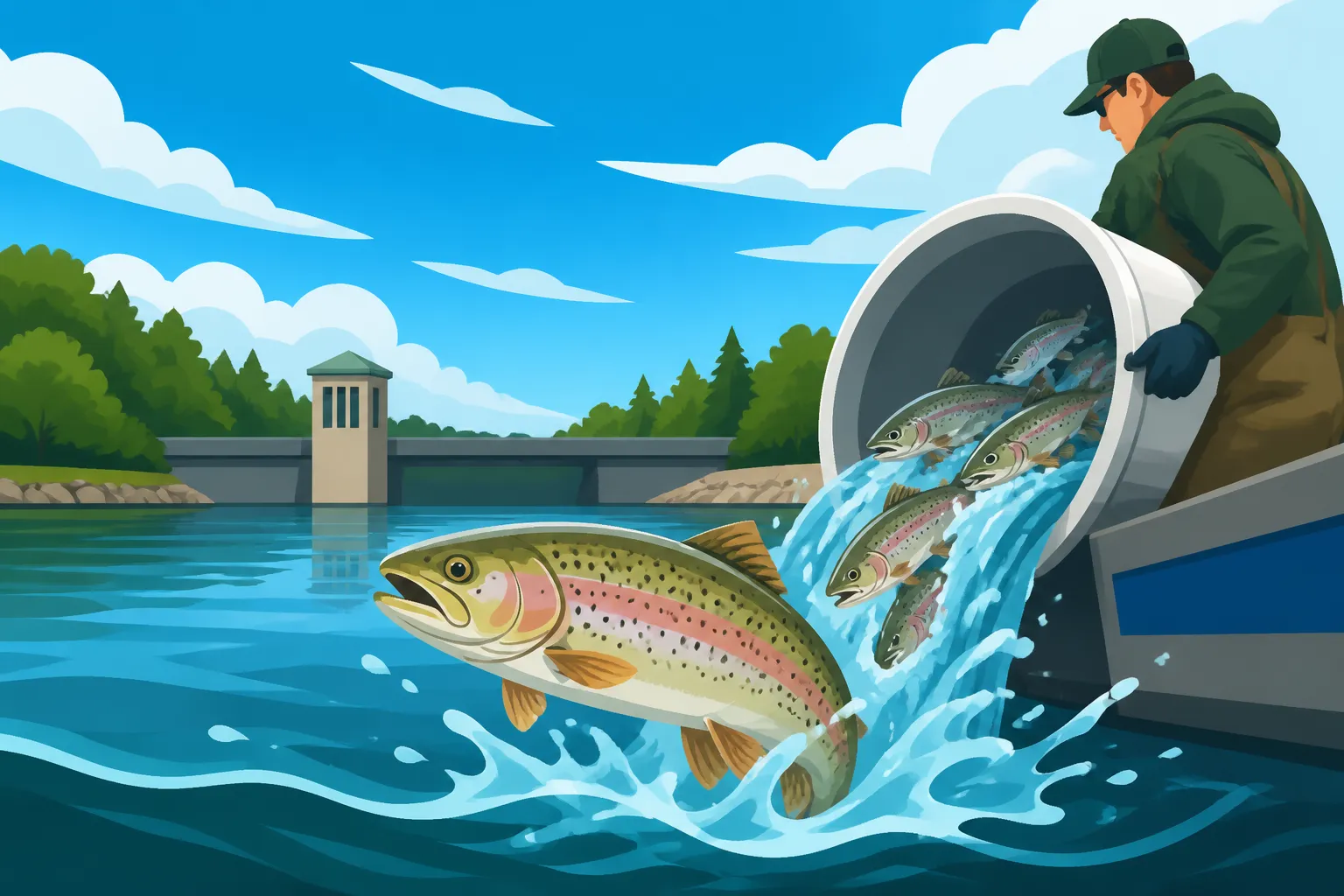
When it comes to the Manasquan Reservoir, you're primarily looking at Rainbow Trout. These are the bread and butter of New Jersey's stocking program. They're hardy, grow relatively quickly, and put up a fantastic fight on the line, making them a favorite among anglers of all skill levels. They're also quite adaptable to a range of water conditions, which is crucial for a large, dynamic body of water like Manasquan. While less common for Manasquan specifically, the state's broader program also includes New Jersey Rainbow Trout vs Brown Trout vs Brook Trout, each with its unique characteristics and preferences. For Manasquan, however, focus your efforts on targeting those vibrant rainbows. They are usually of catchable size right when they are stocked, providing immediate gratification for those who show up shortly after the stocking truck rolls through.
Manasquan Reservoir Trout Stocking Schedule and Locations
Knowing when and where the trout are stocked is half the battle won. The Manasquan Reservoir receives a significant number of trout each year, making it a hotspot for those looking to fill their creel or simply enjoy a day of exciting fishing.
When Does Manasquan Get Stocked?
Generally, Manasquan Reservoir sees two major stocking periods: Spring and Fall.
- Spring Stocking: This is typically the biggest event, coinciding with the broader statewide trout season opening. For 2026, you can expect the first round of spring stocking to begin shortly after the official New Jersey trout season dates and closures are announced, usually in late March or early April. These stockings are often staggered over several weeks, with thousands of fish being released to ensure a prolonged fishing opportunity. The exact dates can shift slightly each year based on weather and water conditions, so always check the official NJDEP Fish & Wildlife website or their social media channels for the most up-to-date information. It’s a bit like waiting for Santa, but for anglers – you know he’s coming, but the exact delivery time is a secret until closer to the date!
- Fall Stocking: To extend the trout fishing season into the cooler months and provide excellent angling when many other species become less active, a substantial fall stocking usually occurs. This typically happens in October, providing a fantastic opportunity to enjoy crisp autumn weather while targeting trout. These fish are often quite active as water temperatures drop, offering some of the best fighting action of the year.
Remember, these are general windows. The NJDEP Fish & Wildlife department maintains a detailed stocking schedule which is usually released publicly a few weeks before the season begins. A quick search on their site, or even a call to a local bait shop that uses FishingBooker for charter information, can often give you the freshest intelligence.
Where Do They Stock in Manasquan?
The Manasquan Reservoir is a large body of water, and trout aren't just sprinkled randomly. Stocking efforts are concentrated in areas that offer good access for anglers and suitable habitat for the fish, at least initially.
- Public Access Points: The most common stocking points are often near easily accessible public areas. The primary boat ramp and the surrounding shoreline near the environmental center are frequent locations. These areas provide ample parking and space for shore anglers, making it convenient for the stocking trucks.
- The Dam Area: The deep waters near the dam often hold cooler temperatures, which trout prefer, especially as the season progresses and surface waters warm. This makes the dam face and nearby shorelines prime locations for initial releases.
- Aeration System Areas: Manasquan Reservoir has an aeration system to maintain water quality. The areas around these systems can create currents and localized oxygen-rich zones that attract baitfish and, consequently, trout. Stocking in proximity to these features makes sense.
- Specific Coves and Inlets: Depending on access, specific coves or points that are easily reached by stocking trucks might also be utilized. While the exact spot isn't always disclosed to prevent overcrowding, looking for areas with easier shore access or distinct features is a good bet.
Because it's such a large reservoir, the trout will disperse over time. But immediately after stocking, focusing on these access points is usually your best bet. Think about it: a truck can't drive into the middle of the lake, so they're released where they can be most easily deployed. This leads to a higher concentration of fish in those areas for the first few days.
How Often is Manasquan Reservoir Stocked?
Manasquan Reservoir receives multiple stockings each year, making it one of the premier trout destinations in the state. While the precise number of fish and individual stocking events can vary annually based on fish availability and program goals, it's safe to say it's a significant effort.
In a typical spring season, the reservoir might see 3-5 separate stockings over several weeks. Each event can involve thousands of fish. For instance, in past years, the reservoir has received well over 10,000 trout during the spring period alone, with additional thousands released in the fall. The specific numbers are usually detailed in the annual stocking schedule published by the NJDEP Fish & Wildlife. This continuous infusion of fish means that even if you miss the very first stocking, there are still ample opportunities throughout the designated trout season. It’s not a one-and-done deal; it’s a sustained effort to keep anglers happy and lines tight! If you're wondering how this compares to other waters, you can often find details on How Many Trout Are Stocked Each Year in New Jersey? for a broader perspective.
Fishing Strategies After Manasquan Reservoir Trout Stocking
Alright, you've got the timing down and a good idea of where they're putting them. Now, how do you actually catch these newly introduced trout? Stocked trout, especially fresh ones, often behave differently than their wild counterparts. They're typically less wary and more aggressive, making them a fantastic target for anglers.
Best Baits and Lures for Freshly Stocked Trout
When trout are first stocked, they're often disoriented and hungry. They've been raised in hatcheries on specific pellet foods, so artificial baits that mimic these or natural forage they'd quickly encounter are highly effective.
- PowerBait and Scented Baits: Without a doubt, Berkley PowerBait (especially in bright colors like chartreuse, rainbow, or neon orange) is a go-to. Mold it into a small ball, just big enough to cover your hook, and float it off the bottom using a small split shot. The scent and vibrant colors are irresistible to recently stocked trout. Similarly, PowerWorms or other scented soft plastics can be deadly.
- Live Bait: Simple and effective. Worms (nightcrawlers or garden worms) fished under a bobber or on the bottom are always a winner. Small shiners or minnows can also be excellent, especially for larger, more aggressive trout. Some anglers even swear by unconventional options, and if you're curious, you can find out Why Are Marshmallows Good Bait for Stocked Trout? – it's more common than you think!
- Spinners and Spoons: Small, flashy inline spinners (like Mepps or Rooster Tail) in silver, gold, or brass finishes with a bit of a feather or bucktail dressing are superb for covering water. Cast them out and retrieve them steadily. Small casting spoons (like Kastmasters or Little Cleos) also work wonders, especially if you're trying to reach deeper water from shore or a boat. These mimic small baitfish, a natural food source for trout.
- Small Stickbaits/Jerkbaits: For a more active presentation, very small suspending or floating stickbaits can be effective, particularly in areas with some current or structure. Work them with a twitch-pause retrieve to entice strikes.
Techniques for Success
Matching your technique to the environment and the trout's behavior will greatly increase your chances.
- Still Fishing (Bait Fishing): This is arguably the most popular and effective method immediately after stocking, especially from shore. Rig your PowerBait or worm with a small hook (size 8-12 is common), a swivel, and a sinker (egg sinker or split shot) to get it to the bottom. For PowerBait, use just enough weight to keep it down, allowing the bait to float a few inches off the bottom. For worms, let them lay naturally. Cast out, set your rod in a holder, and wait for the bite! This is particularly effective near the dam, the environmental center shoreline, or any other easily accessible points.
- Casting and Retrieving (Lure Fishing): If you're more of an active angler, casting and retrieving spinners or spoons is a blast. Make long casts, let your lure sink briefly (especially if the trout are deeper), and retrieve with a steady pace. Experiment with different retrieve speeds and occasional twitches. This technique is excellent for covering more water and locating schools of active fish. On a large body like Manasquan, having a boat or kayak can significantly expand your reach for this method.
- Trolling: While often associated with larger lakes, slow trolling with small stickbaits or spoons can be effective on Manasquan Reservoir, particularly from a kayak or small boat. Use a very slow speed, just enough to give your lure action, and target areas where you've marked fish on your sonar or where you suspect cooler water is available. Remember to check regulations on motors and trolling, as Manasquan has specific rules regarding engine types and sizes.
For a deeper dive into general tactics, consider reading up on New Jersey Trout Fishing Techniques.
Navigating Crowds and Finding Your Own Spot
Let's be realistic: trout stocking days at popular spots like Manasquan Reservoir can draw a crowd. It's a bit like Black Friday for anglers! While the excitement is part of the fun, sometimes you want a bit more elbow room.
- Arrive Early: This is the golden rule. Getting to your chosen spot before sunrise on stocking day or the day after can make all the difference. You'll secure prime real estate and get first crack at the most active fish.
- Explore Less Obvious Access Points: While the main parking lots and obvious shorelines are popular, Manasquan Reservoir has various other access points, including some that might require a bit more walking. Consulting a good map or even exploring with a pair of binoculars can reveal hidden gems where you can escape the immediate crush of anglers.
- Utilize a Kayak or Small Boat: This is perhaps the best way to beat the crowds. If you have access to a kayak or a small electric-motor boat (gas motors are restricted on Manasquan), you can easily reach areas inaccessible to shore anglers. Paddle to quieter coves, fish along deeper ledges, or target submerged structure away from the main hubbub. Just be mindful of the reservoir's specific boating regulations.
- Fish During Off-Peak Hours/Days: Weekday mornings, especially a few days after the initial frenzy, can be much calmer. The trout are still there, but the crowd has thinned, offering a more serene fishing experience.
- Check Local Fishing Reports: Before heading out, check online forums, local bait shop websites, or even a platform like FishingBooker, which sometimes has local guides or captains reporting on conditions. They can often provide insights into where the fishing pressure is heaviest or where the action has been good.
By being a little strategic, you can enjoy the fantastic trout fishing Manasquan Reservoir offers without feeling like you're shoulder-to-shoulder with hundreds of other anglers.
Beyond the Stocking: Regulations and Conservation
Catching trout at Manasquan Reservoir is a thrilling experience, but it's crucial to remember that responsible angling and adherence to regulations ensure these opportunities continue for everyone. The rules are there for a reason, protecting both the fish and the environment.
Manasquan Reservoir Specific Fishing Regulations
While general statewide fishing rules apply, Manasquan Reservoir often has additional regulations specific to its unique status as a drinking water supply and a managed fishery.
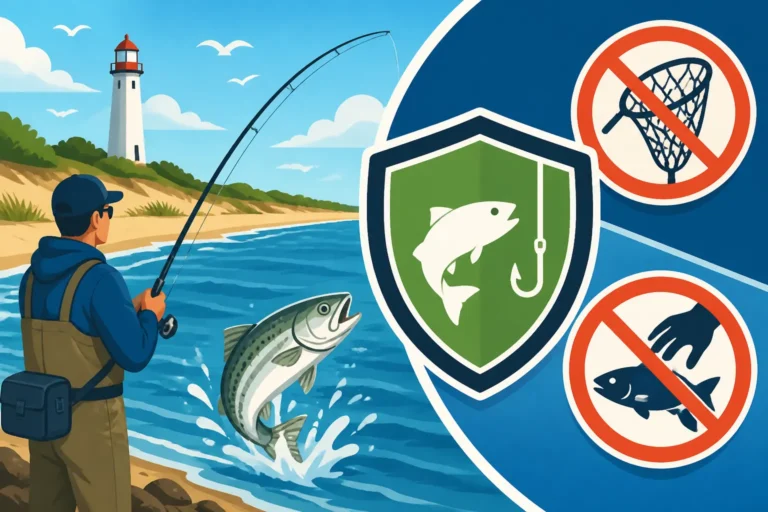
- Fishing License and Trout Stamp: First and foremost, anyone aged 16 to 69 needs a valid New Jersey Fishing License Guide for 2026 to fish in freshwater. If you plan to target or possess trout (which you absolutely will be at Manasquan!), you also need a valid New Jersey Trout Stamp Requirements Explained. Anglers 70 and older are exempt from the license and stamp requirements, but still need to adhere to all other fishing regulations. It's a small investment that goes directly back into conservation and stocking efforts.
- Bag and Size Limits: Like all species in New Jersey, trout have specific daily bag and size limits. These are subject to change annually, so always consult the current New Jersey Fish and Wildlife Digest. Generally, during the spring trout season, there's a daily limit on how many trout you can keep and a minimum size. For example, in past years, it's been a certain number of trout per day with a minimum length. These rules are put in place to manage the fishery and distribute the catch among anglers. Ignoring them can lead to significant Penalties for Fishing Without a License in New Jersey or for exceeding limits.
- Motor Restrictions: Manasquan Reservoir is a drinking water supply, and as such, gas-powered outboard motors are typically prohibited or heavily restricted to protect water quality. Only electric motors are generally allowed for boats, and there might be horsepower limitations even for those. Always verify the current boating regulations with the Manasquan Reservoir Environmental Center or the NJDEP Fish & Wildlife before launching.
- Shore Access Rules: Respect posted signs and designated fishing areas. Many parts of the reservoir's shoreline are accessible, especially around the Environmental Center, but some areas might be restricted due to sensitive habitats or operational infrastructure.
- Catch and Release: While a put-and-take fishery means you can keep your catch, practicing catch and release, especially for larger trout, can help prolong the quality of the fishing throughout the season. If you choose to release, handle the fish gently, minimize its time out of water, and release it in a calm, shaded area.
The Importance of Catch Limits and Responsible Angling
The stocking program at Manasquan Reservoir is an incredible resource for anglers, but its success relies on everyone doing their part. Adhering to bag and size limits isn't just about avoiding a fine; it's about equitable sharing of a public resource. When limits are exceeded, it puts undue pressure on the stocked population and diminishes the experience for others.
Responsible angling also means:
- Leaving No Trace: Pack out everything you pack in, including discarded fishing line, bait containers, and any other trash. Manasquan Reservoir is a beautiful natural area and a critical water source; let's keep it pristine.
- Respecting Other Anglers: Give others space, especially in crowded areas. A friendly nod and a polite distance go a long way in fostering a positive fishing community.
- Reporting Violations: If you witness someone openly violating fishing regulations, it's important to report it to the New Jersey Conservation Police. This isn't "snitching"; it's protecting a shared resource from those who would exploit it.
By following these guidelines, every angler contributes to making Manasquan Reservoir a fantastic and sustainable trout fishing destination for years to come.
Disclaimer: Fishing regulations, stocking schedules, and access policies in New Jersey, particularly for specific bodies of water like Manasquan Reservoir, can change. Always consult the most current New Jersey Fish and Wildlife Digest or the official NJDEP Fish & Wildlife website before heading out on your fishing trip. This guide is for informational purposes only and does not constitute legal advice.