What Bait Works Best for Striped Bass in the Fall Run?
The New Jersey fall run for striped bass is an exhilarating time, but for many anglers, it can also be incredibly frustrating trying to figure out what bait those migratory stripers are actually hungry for on any given day. You hear stories of incredible blitzes and massive fish, only to head out yourself and find them completely lockjawed. It's a classic case of "they were just here!" or "you should have been here yesterday." This guide is here to unravel the mystery of what bait works best for striped bass in the fall run, helping you increase your chances of hooking into those migrating beauties.
Understanding the Fall Run Dynamics in New Jersey
The fall run isn't just a season; it's a phenomenon. As the water temperatures drop along the East Coast, countless schools of baitfish begin their southward migration, and right on their tails are the hungry striped bass, making their own journey down the coast of New Jersey. This creates a feeding frenzy unlike any other time of year.
Why Striped Bass Feed Aggressively in Fall
Striped bass are cold-blooded creatures, and as the autumn chill sets in, their metabolism shifts. They know winter is coming, and they need to pack on as much fat and energy as possible to survive the colder months and prepare for the next spawning season. This biological imperative drives an incredibly aggressive feeding behavior. They become opportunistic predators, often hitting anything that resembles a meal. This is why you see those incredible "blitzes" where acres of water are boiling with bass attacking baitfish from below, and gulls and gannets dive-bombing from above. It's a high-stakes, all-you-can-eat buffet, and they're trying to get their fill. Understanding this aggressive instinct is key to selecting the right bait. You’re not just trying to tempt a leisurely eater; you’re appealing to a primal urge to gorge.
Key Forage Species During the Fall Run
The diet of striped bass during the fall run is largely dictated by what baitfish are migrating through New Jersey waters. Knowing what they're likely feeding on is half the battle. The big three, without a doubt, are bunker (menhaden), mullet, and spearing (silversides). Bunker are oily, fatty fish that provide a huge calorie boost, making them prime targets. Mullet are often seen "mullet jumping" near the surf, signaling their presence. Spearing and sand eels are smaller but abundant, often driving the bass into massive schools close to shore. Other important baitfish can include bay anchovies, peanut bunker (juvenile menhaden), and even smaller crabs or shrimp in the back bays. The key is to observe. Look for birds diving, ripples on the water, or even other anglers using cast nets for bait. This provides invaluable clues to what the bass are currently keyed in on. Knowing When Do Striped Bass Migrate Through New Jersey? can give you an edge in predicting these bait movements.
Top Natural Baits for New Jersey Fall Run Stripers
When it comes to tempting a hungry striper, nothing beats a natural presentation. Live bait and freshly cut bait often outperform artificials, especially when the fish are being finicky or when you're targeting larger, more cautious trophy fish.
Live Bait The Ultimate Attractor
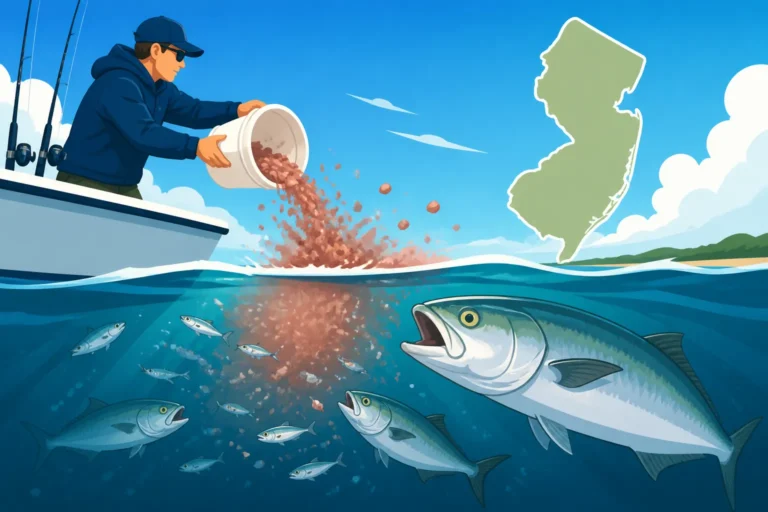
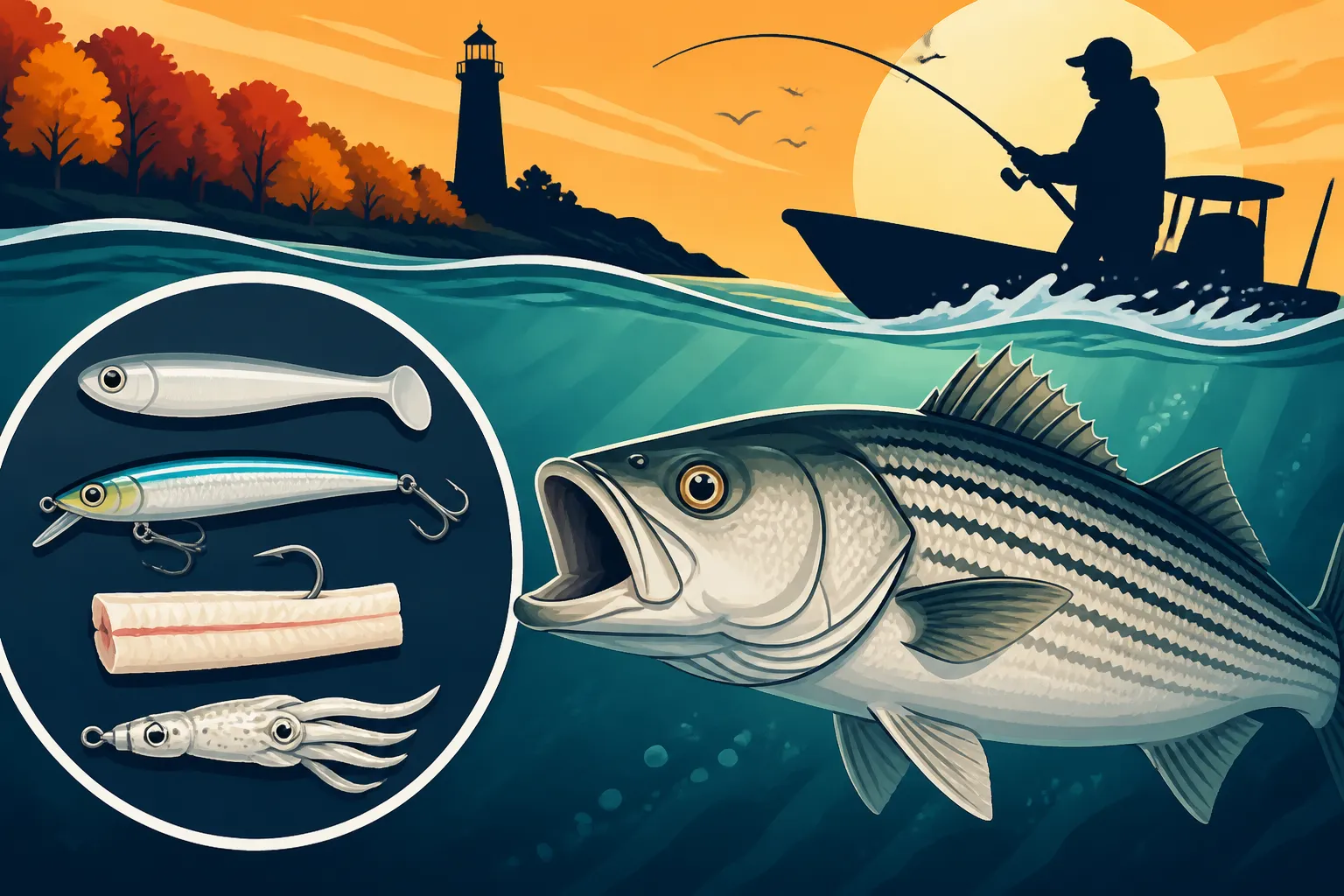
There’s just something about a struggling, live baitfish that a striper cannot resist. The vibrations, the natural scent, the frantic movements – it all screams "easy meal." Live bunker are king. They're big, they're oily, and they're exactly what big stripers want. You can often net them in bays or buy them from bait shops. Rigging them through the nose or dorsal fin on a circle hook with a fish-finder rig allows them to swim naturally. Live mullet are another fantastic option, particularly in the surf, where their energetic swimming can draw attention. Eels, while not technically baitfish, are irresistible to stripers, especially at night or in rocky areas. Their serpentine motion is a powerful trigger. Many anglers swear by a live eel fished near structure or a jetty when targeting truly large fish. You can often find a good selection of specialized hooks for live bait rigging on sites like Amazon, ensuring your presentation is just right. For a deeper dive, check out our guide on How to Rig Live Bait for Striped Bass.
Cut Bait When Freshness Counts
Sometimes, live bait isn't available or practical. That's when cut bait shines. Freshness is absolutely paramount here. A fresh chunk of bunker, mullet, or even mackerel, oozing with natural oils and blood, creates a powerful scent trail that stripers can detect from a distance. The strategy, often called "chunking," involves cutting a baitfish into palm-sized pieces and fishing them on a stout circle hook (often 7/0 to 9/0) with a fish-finder rig. The scent plume is what attracts the fish, making this a great method for both boat and surf anglers, especially when currents are present. Many anglers will also add a small float or cork above the hook to keep the bait just off the bottom, preventing crabs from making a quick meal of it. For surf fishing, casting out a large chunk of fresh bunker and letting it sit can be incredibly effective, particularly if you're patient.
Worms and Clams Overlooked Gems
While not typically associated with the aggressive blitzes of the fall run, bloodworms and clams have a place, especially in calmer back bay settings, inlets, or when fishing docks and bridges. Bloodworms, with their distinctive scent and wiggling action, are irresistible to many species, including stripers, especially smaller "schoolie" bass. They can be particularly effective during slower periods or when you're fishing in areas with less current. Clams, especially fresh ones, also produce a strong scent that can attract stripers. They are messier to work with but can be deadly in the right conditions. Both bloodworms and clams are usually fished on a simple bottom rig with a small hook, allowing the natural scent to disperse. These baits are often more effective when targeting resident stripers rather than the actively migrating schools, but it's always good to have options in your tackle box, which you can easily replenish through retailers like Amazon.
Artificial Baits Matching the Hatch and Beyond
Artificial lures offer versatility, allowing anglers to cover more water and mimic different baitfish behaviors. While natural bait has its place, a well-presented artificial can trigger an aggressive strike, especially during a hot bite.
Plugs and Poppers Surface Excitement
There’s nothing quite like a striper exploding on a topwater plug. Poppers and walking baits create commotion on the surface, mimicking a struggling baitfish or a feeding frenzy. Brands like Super Strike, Gibbs, and Stillwater make excellent plugs that cast well and have a proven track record. When stripers are pushing bait to the surface, a popper worked aggressively can draw strikes from surprisingly large fish. Swimmers, like darters and metal-lipped swimmers, dive just below the surface and imitate baitfish trying to escape. They are incredibly effective, especially when fished at night or during twilight hours around inlets and jetties. Matching the color and size to the predominant baitfish is often key, but sometimes a completely different color can trigger a reaction strike. You can find a vast array of these lures and learn How to Catch Striped Bass From the Beach at Night for specific strategies.
Soft Plastics and Jigs Versatility for All Depths
Soft plastics, particularly paddle tail swim shads and slender soft jerkbaits, are incredibly versatile. Rigged on a jig head, they can be fished at virtually any depth. From shallow retrieves mimicking a fleeing baitfish to bouncing along the bottom, soft plastics offer a lifelike action that stripers find irresistible. Popular options include Scented Gulp! Swimming Mullet or Zoom Super Flukes, often in white, pearl, or chartreuse. Bucktails, simple yet incredibly effective, are a must-have for any striper angler. Their pulsating hair and jigging action can imitate squid, crabs, or baitfish. They are excellent for probing deeper water, working around structure, or fishing in strong currents. Varying your retrieve is crucial with soft plastics and jigs; sometimes a slow, steady retrieve works, other times a sharp twitch and pause. If you want to dive deeper into this technique, consider exploring How to Jig for Striped Bass.
Metal Lures Casting Far and Deep
When the baitfish are small and scattered, or when you need to cast a mile to reach breaking fish, metal lures are your best friend. Spoons like the Kastmaster or similar epoxy jigs are dense, allowing for incredible casting distance. Their erratic, wobbling action on the retrieve or flutter on the fall perfectly imitates a fleeing or injured baitfish. They are particularly effective when targeting schooling stripers that are feeding on sand eels or spearing. Diamond jigs, often tipped with a piece of tube or a teaser, are excellent for vertical jigging from a boat over deeper schools of fish, but can also be cast and retrieved in the surf. The flash and vibration of metal lures can draw strikes even when the fish are not actively blitzing. Stocking up on a variety of sizes and weights from a trusted tackle provider ensures you're ready for any situation.
Tailoring Your Bait Choice to Conditions and Location
The "best" bait isn't static; it changes with where you're fishing, the prevailing conditions, and what the bass are currently eating. Being able to adapt is a hallmark of a successful fall run angler.
Surf Fishing Bait Strategies
Surf fishing during the fall run is an iconic New Jersey experience. When fishing the surf, you’re often dealing with waves, currents, and vast expanses of water. Heavy baits that can cast a long distance are crucial. Metal lures, large plugs, and heavy cut bait on a fish-finder rig are staples. Pay close attention to current conditions: if the water is rough and churned up, stronger scents from cut bait might be more effective. If the water is clearer, a well-presented plug or soft plastic that mimics the local baitfish (like mullet or sand eels) could be deadly. New Jersey Surf Fishing Techniques offers more detailed strategies. Remember to also consider the moon phase and tides, as these greatly influence fish activity in the surf. Investing in a good surf rod and reel that can handle long casts is essential, and you can find great deals on reliable setups through retailers like Amazon.
Back Bay and Inlet Bait Selections
Back bays and inlets offer different challenges and opportunities. Here, you often have calmer waters, deeper channels, and plenty of structure like bridges, docks, and rocky shorelines. Live baits, such as eels, peanut bunker, or even grass shrimp, become incredibly effective. Smaller plugs, soft plastics on lighter jig heads, and even fly fishing setups can also shine. The key here is to target structure and current seams where baitfish congregate and stripers ambush them. Inlet fishing often combines elements of both surf and bay fishing, with strong currents and deep holes. Bucktails and large soft plastics become extremely valuable for probing these areas. When fishing around structures like bridges, especially at night, live eels or large swimming plugs are often the ticket. Learning How to Fish Around Jetties Safely can give you an edge in these productive areas.
Boat Fishing Bait Approaches
From a boat, whether it's a private vessel or a charter, you have the advantage of mobility and the ability to chase down active schools of fish. Trolling with plugs (like Stretch Lures or Mojos) is a common and effective strategy for covering large areas, especially when trying to locate fish. Once a school is found, live-lining bunker or jigging with large soft plastics or diamond jigs can produce consistent action. Keep an eye on your fish finder for bait schools and marks, and always be on the lookout for birds diving or breaking fish on the surface. Being able to present bait directly into a feeding frenzy from a boat is a huge advantage. Often, charter captains will have fresh live bait already netted, saving you the time and effort. Considering the wide range of scenarios, it’s worth reviewing Best Month to Catch Striped Bass in New Jersey to align your efforts with peak migration.
Here's a quick reference table for your bait choices:
| Bait Type | Best Conditions / Location | Pros | Cons | Common Targets |
|---|---|---|---|---|
| Live Bunker | Surf, Boat (chasing schools), Inlets | Highly effective, natural action, attracts big fish | Hard to acquire, requires livewell, expensive | Large stripers |
| Live Mullet | Surf, Inlets, Estuaries | Energetic, great in shallow water | Can be fragile, harder to cast for distance | Medium to large stripers |
| Live Eel | Rocky areas, Inlets, Night fishing, Structure | Irresistible, durable, targets trophy fish | Slippery, can be expensive, tricky to rig | Trophy stripers |
| Cut Bunker | Surf (heavy current), Boat (anchored), Chumming | Strong scent, casts well, attracts fish from afar | Messy, attracts crabs, less visual appeal | All sizes, good for slower bites |
| Bloodworms | Back bays, Docks, Calmer waters | Potent scent, effective for schoolies | Fragile, expensive, not for heavy current | Schoolie stripers, smaller fish |
| Poppers/Plugs | Surface blitzes, Clear water, Dawn/Dusk, Inlets | Exciting strikes, covers water quickly | Less effective in rough water or deep schools | Active, feeding stripers |
| Soft Plastics | All depths, Structure, Finessing finicky fish | Versatile, realistic action, many colors/sizes | Can be chewed up, retrieve dependent | All sizes, versatile |
| Bucktail Jigs | Inlets, Deep water, Strong currents, Surf | Very effective, good feel, durable | Requires proper retrieve, can snag | All sizes, especially large fish |
| Metal Lures | Long casts, Breaking fish, Small baitfish schools | Extreme casting distance, mimics fleeing bait | Less effective on slow days, can be snag-prone | Fast-moving, schooling stripers |
Ultimately, the best bait for striped bass in the fall run isn't a single answer, but rather an adaptable strategy. It's about being observant, having a variety of options, and matching your presentation to what the fish are doing and where they are. Don't be afraid to experiment, and enjoy the incredible fishing that the New Jersey fall run provides!
Disclaimer
Fishing conditions and regulations in New Jersey can change frequently. Always consult the latest New Jersey Fish and Wildlife Digest or their official website for the most current rules, regulations, and advisories before heading out on your fishing trip. This guide is for informational purposes only.