Best Bait for Channel Catfish
Trying to figure out the best bait for channel catfish in New Jersey can feel like a never-ending quest, especially with so many options promising to be "the best." It's frustrating to spend your hard-earned time on the water only to come up empty-handed because your bait isn't quite right. This guide will cut through the noise and help you understand what truly entices these whiskered bottom-dwellers in New Jersey's diverse waterways, saving you time and increasing your chances of a successful catch.
Understanding Channel Catfish Preferences
Before we even talk about specific baits, it's crucial to get inside the head (or perhaps, the snout) of a channel catfish. These aren't your sight-feeding predators; they operate on a whole different level, which means what works for a largemouth bass won't necessarily cut it for a catfish. Understanding their primary senses and natural diet is the foundation for choosing effective bait.
The Catfish's Keen Senses
Channel catfish are renowned for their incredible sense of smell and taste, far superior to most other freshwater fish. They use their barbels, those whisker-like protrusions around their mouths, as highly sensitive chemical detectors to sniff out food even in murky, low-visibility conditions. Imagine trying to find a dropped key in a dark room; you wouldn't use your eyes, you'd feel around. Catfish do something similar with their smell and taste receptors, which are scattered not just on their barbels, but all over their bodies. This means that strong, pungent, and natural odors are incredibly effective at drawing them in from a distance. Their eyesight, on the other hand, is quite poor, especially in stained or turbid water, so flashy lures or vibrant colors often take a backseat to scent and vibration. This is why you'll often find them lurking in deeper, darker holes or areas with dense cover.
Diet in New Jersey Waters
What do these whiskered bottom-feeders naturally forage on when they're not biting your line? In New Jersey's lakes, rivers, and ponds, channel catfish are opportunistic feeders with a varied diet. They'll munch on a range of organisms including small baitfish, crayfish, insects (both larvae and adults), mussels, snails, and even aquatic vegetation. They're scavengers by nature, always on the lookout for an easy meal, which is why dead or decaying bait often works so well. Think about a stretch of the Delaware River after a heavy rain; all sorts of organic matter and stunned prey wash into the deeper pools, and catfish are perfectly equipped to find it. Knowing this helps you understand why "stinky" baits are often touted as the best – they mimic the odors of decaying natural food sources.
Top Natural Baits for New Jersey Channel Catfish
When it comes to reliably hooking channel catfish, going natural is often your best bet. These baits tap into their inherent scavenging instincts and powerful olfactory senses.
Cut Bait
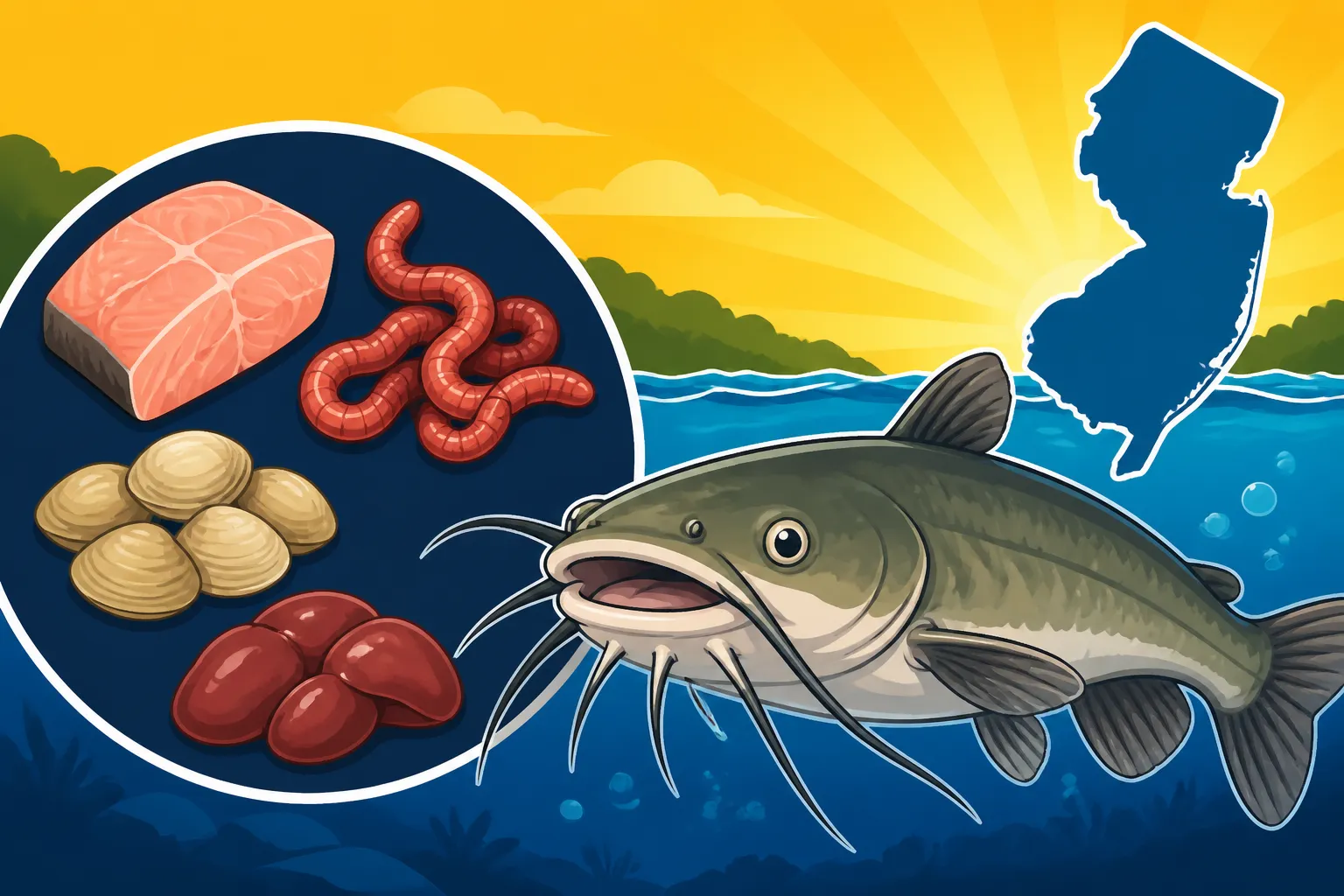
Cut bait is a classic for a reason: it's incredibly effective, especially for larger channel catfish. The key here is using fish that are oily and give off a strong scent as they sit in the water. Freshness really matters when you're talking about cut bait; while catfish are scavengers, a slowly decaying, oily bait is far more attractive than something that's been frozen and thawed multiple times.
Common choices in New Jersey include bunker (also known as menhaden), herring, or even smaller panfish like sunfish or perch, though you should always check the local regulations for using game fish as bait. You can use whole sections of smaller fish, or cut larger fish into strips or chunks, ensuring there's plenty of exposed flesh to release those enticing oils and scents. When you're fishing in a murky tidal river like parts of the Toms River or even the lower stretches of the Delaware River, a good chunk of cut bunker can send out a scent trail that catfish simply can't ignore, drawing them right to your hook. For more details on what fish you can expect to find, check out our New Jersey Freshwater Fish Size Chart 2026.
Live or Dead Minnows and Worms
Sometimes, the simplest baits are the most productive. Live or dead minnows and worms have been catching catfish for generations, and they continue to be staples for good reason.
- Minnows: Small baitfish, whether lively or still, are a natural part of a catfish's diet. A live minnow hooked through the back or lips will flutter and send out vibrations that can attract curious catfish. Dead minnows, especially those that have been slightly bruised or cut, release scents that also prove irresistible. This can be particularly effective in lakes like Lake Hopatcong where minnows are a common forage.
- Worms: Nightcrawlers, earthworms, or even red wigglers are universally appealing. Their natural squirming action and the earthy scent they emit are strong attractants. You can use a single large nightcrawler or several smaller worms threaded onto a hook to create a tempting, wriggling ball. When fishing a local pond for panfish, you might just find a good channel cat lurking below if you're using a juicy worm.
Chicken Liver and Gizzards
For many dedicated catfish anglers, chicken liver is the holy grail. It’s incredibly pungent, soft, and notoriously messy to handle, but its effectiveness is undeniable. The strong, bloody scent it gives off is like a beacon to catfish, especially in warmer water when their metabolism is high and they're actively feeding.
The challenge with chicken liver is keeping it on the hook. Many anglers use a small piece of nylon stocking or a bait holder spring to secure it. You can also let it sit out in the sun for a bit to "toughen up" slightly, making it less prone to flying off during a cast. Chicken gizzards offer a similar, though slightly tougher, option with their own distinct scent. These baits are particularly productive in slow-moving sections of rivers or in deeper holes in reservoirs such as Assunpink Lake, where their scent can disperse naturally without being washed away too quickly.
Prepared and Commercial Baits: When to Use Them
While natural baits are incredibly effective, there's a whole world of prepared and commercial options designed specifically to appeal to a catfish's unique senses. These can offer convenience, consistency, and sometimes, a secret edge.
Stink Baits and Dough Baits
This category is vast, ranging from pre-packaged dips and pastes to manufactured "catfish chunks." These baits are engineered to be incredibly pungent, often mimicking the smell of decaying fish, cheese, or other strong-smelling concoctions. They are usually designed to be fished with a treble hook or a special bait holder that allows the scent to leach out slowly.
One of the biggest advantages of stink baits is their convenience; you can grab a jar and go, without having to worry about keeping live bait fresh or dealing with messy chicken parts. They also have a very concentrated scent that can attract catfish from a surprising distance. Some popular brands offer varieties that cling better to hooks, making them easier to cast. You can find a huge assortment of these baits on platforms like Amazon, offering a diverse range of scents and textures to experiment with. These are great options when you're fishing a popular spot like a local park pond where many anglers might be using similar scents, or when you just want a less messy alternative for a family outing. For a general overview of licenses, you might want to read our New Jersey Fishing License Guide for 2026 before heading out.
Boiled Hot Dogs and Other Household Items
Don't knock it 'til you've tried it! Many seasoned catfish anglers swear by readily available household items that, for whatever reason, catfish absolutely love. The humble hot dog is perhaps the most famous. Cheap, easy to come by, and surprisingly effective, hot dogs can be cut into bite-sized pieces and fished just like any other bait.
To enhance their appeal, many anglers "doctor" their hot dogs. A common trick is to soak them in garlic powder, Kool-Aid (strawberry or cherry are popular), or even a combination of both. The strong scent of garlic, in particular, seems to be a major draw for catfish. Other items include shrimp (cooked or raw, often left to get a little "ripe"), pieces of cheese, or even small strips of soap (though this is more for old-school novelty and not always recommended). These household baits are fantastic for impromptu fishing trips or when you want to save a few bucks on bait. They're particularly appealing for new anglers or kids, as they're much cleaner to handle than chicken liver but still very effective. If you're looking for a basic setup for beginners, consider checking out our guide on Basic Fishing Setup Cost.
Bait Presentation and Strategy for Success
Having the best bait in the world won't matter if you're not presenting it correctly or fishing in the right spots. Catfish are often found on the bottom, so your rig and location choice are just as critical as your bait selection.
Essential Rigs for Catfish
Proper rigging ensures your bait stays where the catfish are and increases your hook-up ratio. Since channel catfish are predominantly bottom feeders, your rigs will generally involve getting your bait down to them effectively.
- Carolina Rig: This is perhaps the most popular and versatile rig for catfish. It consists of a sliding sinker (egg sinker or bullet sinker) above a swivel, followed by a leader (typically 12-24 inches) and then your hook. The sliding sinker allows the catfish to pick up the bait and run without feeling the full weight of the sinker, making it less likely for them to drop the bait. This rig works wonderfully in both still and moderately current situations, giving your bait a natural, free-floating presentation just off the bottom.
- Santee Cooper Rig: A variation of the Carolina rig, the Santee Cooper rig adds a small float or peg float onto the leader, usually a few inches above the hook. This keeps your bait suspended slightly off the bottom, preventing it from getting lost in weeds, mud, or debris. It's particularly effective in areas with soft bottoms or heavy cover, allowing the scent to disperse more freely in the water column while still keeping your bait in the strike zone.
- Basic Bottom Rig (Fish-Finder Rig): Similar to the Carolina rig but often simpler, a fish-finder rig uses a plastic sleeve or metal clip that slides on your main line, to which a sinker (often a pyramid sinker for current) is attached. Below this, you'll tie a swivel, then a leader, and your hook. This setup is excellent for strong currents, such as those found in larger New Jersey rivers, as the heavy sinker holds bottom while the bait can still move naturally with the current on its leader. Always use appropriate weights for your conditions, and consider a medium-heavy rod and reel combo that can handle the pull of a decent-sized channel cat.
Targeting Structure and Depths
Channel catfish aren't just swimming around aimlessly; they gravitate towards specific types of structure and depth. Knowing where to cast dramatically increases your chances.
- Deep Holes and Channels: Catfish often retreat to the deepest parts of lakes and rivers, especially during the day or in colder water. Look for sudden drops, dredged channels, or deep bends in rivers using a fish finder or by observing the topography of the bank. In larger New Jersey waterways like the Delaware River or some of the deeper reservoirs, these deep holes can hold significant numbers of catfish.
- Fallen Trees and Submerged Cover: Any kind of cover provides catfish with shelter from current, predators, and sunlight. Log jams, brush piles, submerged trees, and even old tires or concrete debris can be prime holding areas. When fishing these spots, be prepared for snags but also for solid strikes.
- Current Breaks: In rivers, catfish will often position themselves just out of the main current, behind rocks, sandbars, or bridge pilings. These "current breaks" offer a resting spot where food is swept to them without expending too much energy. This makes spots like the Point Pleasant Canal or other tidal river junctions excellent places to target. Remember to check New Jersey Freshwater Fishing Regulations Every Angler Should Know for specifics on bait use and daily bag limits. For deeper understanding of specific species, check out our New Jersey Catfish Species Guide.
The Waiting Game
Catfishing isn't about constant casting and retrieving. It's often a game of patience and letting your bait do the work. Once you've cast your rig, let it settle. Slack in your line can indicate a bite, but a gentle, steady pull is more common as a catfish mouths or moves off with the bait. Unlike aggressive game fish, a catfish bite can be subtle at first, often feeling like a slight tap or just a heaviness. Resist the urge to yank immediately. Give the fish a moment to fully take the bait before setting the hook with a strong, sweeping motion.
Sometimes, letting your bait sit for 15-30 minutes in a productive spot without disturbance is the key. Their keen sense of smell will eventually lead them to your offering. If nothing happens after a significant period, then it's time to reel in, re-bait (if needed), and try a slightly different spot or depth. This patient approach often yields the best results, especially when fishing with scent-based baits that need time to disperse their attractants. For those wondering about the typical size of channel cats in our waters, you can find more information in our Typical Size of a Channel Catfish in New Jersey Lakes article.
Comparing Popular Catfish Baits
To help you decide which bait to try on your next New Jersey fishing adventure, here's a quick comparison of some of the most effective options:
| Bait Type | Pros | Cons | Best Use Cases |
|---|---|---|---|
| Cut Bait | Strong natural scent, very effective for large cats. | Can be messy, requires fresh fish, not always available. | Murky rivers, deep holes, targeting trophy channel catfish. |
| Chicken Liver | Extremely potent scent, highly attractive to catfish. | Very messy, difficult to keep on hook, perishable. | Warm water, slow currents, when scent is paramount. |
| Nightcrawlers | Readily available, easy to use, natural movement. | Smaller bites, may attract panfish, can be expensive. | All-around general fishing, especially for smaller to medium cats, clear water. |
| Stink Baits | Concentrated scent, convenient, long shelf life. | Can be messy to handle, less "natural" presentation. | Quick trips, areas with high fishing pressure, when convenience is key. |
| Hot Dogs (Garlic) | Cheap, easy to find, surprisingly effective, clean to handle. | Not as potent as natural baits, may require preparation. | Family fishing, budget-friendly options, clear or moderately stained water. |
| Live Minnows | Natural appearance and action, can trigger aggressive bites. | Require aeration/care, sometimes expensive, attracts other species. | Targeting active catfish, clearer water, when a lively presentation is desired. |
When it comes to stocking up, remember that places like Amazon offer a wide range of specialized catfish baits and fishing accessories, from different types of stink baits to bait holders designed to keep those messy options on your hook. Always consider the conditions you'll be fishing in – the water clarity, current, and temperature can all influence a catfish's preferences on any given day.
Choosing the Right Bait for Your New Jersey Catfish Adventure
Ultimately, the "best" bait for channel catfish in New Jersey often comes down to experimentation and personal preference. What works wonders one day in a certain lake might be ignored the next. The most successful anglers are those who observe, adapt, and are willing to try different things.
Start with the basics: some fresh cut bait or a good handful of nightcrawlers is almost always a solid bet. If those aren't producing, try switching to a strong-smelling chicken liver or a trusted commercial stink bait. Don't be afraid to try some of the more unconventional baits like doctored hot dogs. The joy of fishing, especially for a resilient and widespread species like the channel catfish, is in the discovery. You can find these catfish in many of the state's rivers; learn more by exploring our How to Fish New Jersey's Tidal Rivers guide. And remember, a valid New Jersey fishing license is always required, so be sure you understand the rules for New Jersey Conservation Police and License Checks.
Grab your gear, pack a variety of baits, and head out to one of New Jersey's fantastic fishing spots. Whether you're targeting them in a serene state park pond or a bustling tidal river, with the right bait and a bit of patience, you're sure to have a rewarding experience chasing channel catfish.
Disclaimer
This article is for general informational purposes only and does not constitute professional advice. Laws, prices and regulations vary by location and change over time. Consult a qualified professional for guidance on your specific situation.