How to Fish Around Jetties Safely
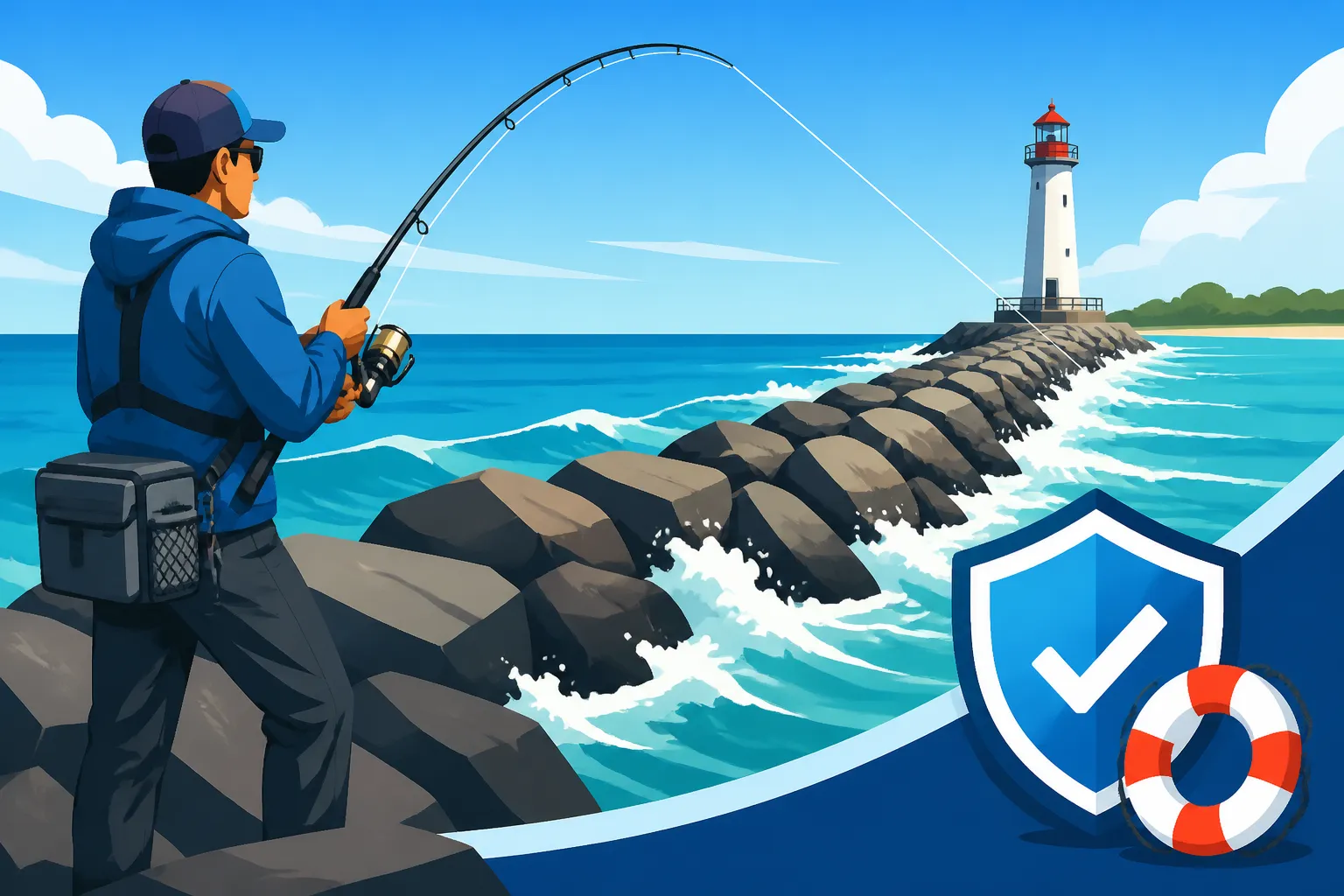
Jetties are undeniably productive fishing spots, magnets for baitfish and predators alike, offering anglers some of the most exciting action along the New Jersey coast. But let's be honest: they can also be incredibly dangerous, a jagged obstacle course designed to test your footing and your nerve. This guide isn't about scaring you away; it's about empowering you with the knowledge and preparation to fish around these powerful structures safely and effectively, so you can enjoy the thrill without the unnecessary risks.
Understanding the Hidden Dangers of Jetties
When you look at a jetty, you see rocks, sometimes big, sometimes small, stretching out into the water. What you might not immediately perceive are the invisible or easily overlooked threats that can turn a great fishing day into a frightening ordeal. A healthy respect for these dangers is the first step toward staying safe.
Slippery Surfaces and Uneven Terrain
The very nature of jetties, built from rough stone and concrete, makes them inherently treacherous. These surfaces are constantly exposed to the elements, leading to a host of slippery conditions. Think about the green, slimy moss that grows on rocks just above the waterline, or the black, greasy-looking algae that thrives in the splash zone. These aren't just minor annoyances; they're like walking on ice, even on a dry day. Barnacles, while not always slippery, create sharp, jagged edges that can slice through skin and gear in an instant if you lose your balance and scrape against them.
Beyond the biological hazards, the rocks themselves are often uneven, shifting, or undercut. A seemingly stable footing can hide a loose rock underneath, ready to give way when you put your weight on it. Tidal changes expose and submerge different sections of the jetty, meaning that a path you walked on the way out might be underwater and slick with growth on your return. Always assume the surface is less stable than it appears, and take every step with caution.
Powerful Waves and Ocean Surge
The ocean's power around jetties is deceptive. What looks like a calm, rolling wave further out can transform into a crashing, explosive force as it meets the jetty rocks. These structures are designed to break waves and prevent erosion, and that means they take a beating. Even on a relatively calm day, a rogue wave, perhaps from a distant boat wake or an unexpected swell, can appear seemingly out of nowhere, washing over the jetty and knocking an unprepared angler off their feet. The constant surge, even without a breaking wave, can create a powerful undertow around the jetty's base, pulling at your legs and destabilizing your stance.
The impact of these waves isn't just about getting wet; it's about being swept into the water, potentially against sharp rocks or into strong currents. It's a humbling reminder that we are at the mercy of the sea. Many seasoned anglers will tell you stories of unexpectedly large waves that have cleared sections of jetties, and it's a sobering thought that validates why preparation is key. Always keep one eye on the ocean, even when you're focused on your line.
Hidden Drop-offs and Strong Currents
Beneath the surface, jetties are just as dynamic and dangerous. The rocks don't simply continue at a gentle slope; they often plunge dramatically into deep water, creating sudden drop-offs that can catch you off guard if you step too close to the edge. These deep pockets are fantastic for fish, but lethal for a misstep. Furthermore, the presence of a jetty fundamentally alters the flow of water, often creating incredibly strong currents, rips, and eddies.
These currents can be powerful enough to drag an angler out to sea or pin them against the rocks. The water rushing around the end of a jetty, especially during strong tidal flows, can form a powerful "rip current" that pulls anything in its path away from shore. Even within the more sheltered areas of a bay jetty, the water can swirl unpredictably, making wading treacherous. You might feel a gentle pull one moment, and then suddenly find yourself struggling against a surprising force. These unseen forces are precisely why understanding the local tides and currents, and knowing your limits, is paramount.
Essential Gear for Jetty Safety
Heading out onto a jetty without the right safety gear is like driving a car without a seatbelt – it’s just asking for trouble. Investing in a few key items can significantly reduce your risk and make your fishing experience far more enjoyable. Don't cheap out on safety; your life is worth more than a few dollars.
Appropriate Footwear and Traction Aids
This is perhaps the single most important piece of safety gear for jetty fishing. Standard sneakers or flip-flops are an absolute no-go. You need footwear that provides superior grip on wet, slimy, and uneven surfaces. Specialized wading boots with felt soles or rubber soles designed for wet rock climbing are excellent choices. Felt soles, in particular, offer incredible traction on algae-covered rocks. Some boots even have retractable spikes for added grip. If you prefer to wear your own comfortable boots, consider adding aftermarket spike grips or strap-on cleats. You can find many options on platforms like Amazon that fit over your existing footwear.
Think about the conditions you'll be facing: sharp barnacles, unpredictable footing, and constant moisture. Your footwear needs to protect your feet from punctures and provide maximum stability. A good pair of jetty boots will have ankle support to prevent twists and sprains. Don't compromise here; a slip and fall on a jetty can easily lead to broken bones, head injuries, or worse. Proper footwear won't eliminate all risks, but it drastically reduces the chances of an accidental slip.
Personal Flotation Devices PFDs and Wading Belts
Many anglers feel a PFD is overkill for jetty fishing, but that mindset could be a fatal mistake. Even strong swimmers can quickly become disoriented, injured, or exhausted if they fall into cold water, especially when being battered by waves or currents. A PFD provides essential buoyancy, keeping your head above water and conserving your energy while you wait for help or try to self-rescue. Modern PFDs are relatively sleek and comfortable, designed not to impede casting or movement. Inflatable PFDs, either manual or automatic, are particularly popular as they offer minimal bulk until deployed.
For those who wade or fish in areas where they might occasionally get knocked off balance but aren't necessarily in deep, open water, a wading belt can offer a layer of security. Worn tight around your waist over your waders, it can prevent water from rushing into your waders and weighing you down, a dangerous condition known as "hydrostatic squeeze." While not a replacement for a PFD, it’s an important consideration for anyone venturing into the water near a jetty. Remember, if you fall, the first few seconds are critical, and a PFD gives you those precious moments to recover.
Wading Staffs, Spikes, and Communication Tools
Beyond footwear and flotation, a few other items can significantly enhance your safety. A wading staff is like having a third point of contact; it allows you to probe the bottom ahead of you, test for loose rocks, and maintain balance, especially when traversing uneven or slippery sections. It's an extension of your body, providing stability and confidence with every step. Similarly, carrying a whistle or other loud signaling device can be crucial if you fall and need to attract attention from shore or from other boaters.
Always carry a fully charged cell phone in a waterproof bag or case, or even better, a marine-grade VHF radio for reliable communication. Cell service can be spotty in certain areas, and a VHF radio offers a direct line to the Coast Guard or other marine rescue services. Telling someone where you're going and when you expect to return is also a simple yet vital safety measure. These tools are your lifeline if something goes wrong, making them just as important as your fishing rod. For more general advice on staying safe on the water, you might find information on New Jersey Ice Fishing Safety Basics helpful, even though jetty fishing is a different environment, the core principles of safety preparedness overlap.
Smart Fishing Techniques Around Jetties
Fishing a jetty isn't just about showing up and casting. It requires a strategic approach, blending fishing acumen with a constant awareness of your surroundings and the inherent dangers. Being smart about how and when you fish can make all the difference.
Reading the Water and Weather Conditions
Before you even step foot on the jetty, take the time to observe. What is the sea doing? Are there large swells breaking? How strong are the currents running around the jetty's end? Is the tide rising or falling? Knowing How to Read Tide Charts for Better Fishing in New Jersey is absolutely crucial here, as currents and exposed rock can change dramatically with the tide. A falling tide might expose more fishable structure, but it can also reveal previously hidden slick spots and currents that are running harder. A rising tide can quickly submerge your footing and bring stronger waves further up the jetty.
Also, pay close attention to the weather forecast. High winds can make casting difficult and destabilize your footing, especially if you're holding a long surf rod. Rain makes everything incredibly slick. Never underestimate the power of a sudden squall or approaching thunderstorm; lightning is a serious threat on an exposed jetty. If the conditions look questionable, it’s always better to err on the side of caution and postpone your trip. The fish will be there another day.
Casting Safely and Managing Line
Casting from a jetty comes with its own set of challenges, especially if other anglers are present. Always look around you before making a cast to ensure your backcast is clear of fellow anglers, pedestrians, or even overhanging structures. A hook in someone's ear or an errant lure can cause serious injury. If you're using heavy lures or weights to How to Cast Farther When Surf Fishing, be extra mindful of your surroundings, as these can be dangerous projectiles. A powerful cast also requires a stable stance, so ensure your footing is solid before you whip that rod back.
Once your line is in the water, effective line management is key, both for fishing success and safety. Jetties are notorious for snags. Losing tackle isn't just frustrating; a snagged line can create a dangerous situation if you try to retrieve it by walking out onto unstable rocks or pulling too hard and snapping a heavy line back at yourself. Use appropriate tackle for the structure, and be prepared to break off a snagged line rather than risk a fall. Keep your line tight to feel bites but also to minimize slack that could get caught on passing waves or floating debris.
Landing Fish Securely
The moment of truth – landing a fish – can be one of the most hazardous parts of jetty fishing. Excitement can quickly lead to carelessness. Never try to hand-line a large fish up onto the rocks directly. The thrashing of a strong fish, especially something like a striped bass, can cause you to lose your balance. Always use a proper long-handled net or a gaff for larger fish. A good quality gaff allows you to secure the fish quickly and bring it onto the jetty safely without putting yourself in precarious positions.
Think about your landing strategy before you even hook a fish. Identify a relatively flat, accessible section of the jetty where you can safely bring your catch ashore. If you're fishing alone and hook a particularly large fish, consider calling over another angler for assistance if it means avoiding a dangerous maneuver. Some anglers will even use a dedicated rope and clip to hoist larger fish up from the water, keeping themselves a safe distance from the edge. Remember to always prioritize your safety over landing any particular fish, no matter how big it might be. This careful approach is part of mastering New Jersey Surf Fishing Techniques.
Emergency Preparedness and Best Practices
Even with the best gear and the smartest techniques, accidents can happen. Being prepared for an emergency is not about being paranoid; it's about being responsible and realistic. Think through potential scenarios and have a plan.
Knowing Your Limits and Fishing with a Buddy
This is perhaps the most fundamental safety rule for jetty fishing. Don't push yourself. If the waves are too big, the wind too strong, or the rocks too slippery, don't go out. There’s no fish worth risking your life over. Be honest about your physical capabilities, especially concerning balance and agility on uneven terrain. Jetties are not the place to prove your bravery or test your luck. It’s important to understand the regulations around areas like New Jersey's Island Beach State Park Shore Fishing Rules if you plan to fish a jetty in such a location, as specific rules may apply to access and safety.
Whenever possible, fish with a buddy. A fishing partner can offer assistance if you slip, help land a big fish, or call for help if you get into serious trouble. They can also provide a second set of eyes on the water and remind you to stay vigilant. Even if you're not fishing side-by-side, having someone else nearby who knows your general location and when you plan to leave is a simple but effective safety net. If solo fishing is your only option, be extra cautious, and always inform someone on shore of your plans.
First Aid and Rescue Planning
Every angler should carry a basic first-aid kit, and jetty fishermen are no exception. Minor cuts from barnacles, scrapes from falls, or even hook punctures are common. Your kit should include antiseptic wipes, bandages, medical tape, pain relievers, and any personal medications you might need. Knowing basic first aid can prevent a minor injury from escalating into something more serious.
Beyond basic first aid, have a clear rescue plan. Do you know the local emergency contact numbers (beyond 911)? What is your exact location? Could you clearly describe it to a rescuer? Knowing how to signal for help, whether with a whistle, flashlight, or by waving brightly colored clothing, could save your life. Be aware of the nearest safe exit points from the jetty and how to reach them quickly if conditions deteriorate. Many of these jetties are patrolled by New Jersey Conservation Police and License Checks, who are also there to assist in emergencies. If you happen to be on a charter or party boat, they will have extensive safety protocols in place, but shore anglers are responsible for their own.
General Awareness and Respect for the Environment
Finally, maintain a constant state of awareness. Be mindful of your footing, watch the waves, and listen to the sounds of the ocean. Pay attention to other anglers and boat traffic. Keep your area tidy, packing out all your trash, including discarded fishing line, which can be a hazard to wildlife and other people. Show respect for the powerful, yet fragile, environment you're enjoying.
Remember, fishing is a fantastic activity, and jetties offer some incredible opportunities, but they demand respect. By understanding the risks, equipping yourself properly, and adopting smart fishing practices, you can enjoy these exciting locations safely and responsibly for years to come. Before you head out, always double-check the latest New Jersey Fishing Regulation Changes for 2026 to ensure you're compliant with any new rules.
Jetty Safety Checklist
To help you prepare for your next jetty adventure, here's a quick checklist of essential items and considerations. Treat this as your pre-trip briefing!
| Category | Item/Consideration | Importance (1-5, 5 being highest) | Notes |
|---|---|---|---|
| Footwear | Felt-soled wading boots / Cleated shoes | 5 | Essential for grip on wet, slimy rocks. |
| Ankle support | 4 | Prevents sprains and provides stability. | |
| Flotation | Personal Flotation Device (PFD) | 5 | Keeps you afloat if swept into water, even if injured. |
| Wading belt (if wearing waders) | 3 | Prevents waders from filling with water. | |
| Stability | Wading staff | 4 | Helps maintain balance, probes for loose rocks/depths. |
| Spiked grips for shoes | 4 | Adds extra traction on very slick surfaces. | |
| Communication | Waterproof cell phone / VHF radio | 4 | Crucial for calling for help. |
| Whistle or signaling device | 3 | Attracts attention if phone/radio isn't an option. | |
| Protection | Sunglasses (polarized) | 3 | Protects eyes from hooks, reduces glare, helps see submerged hazards. |
| Hat | 3 | Sun protection, head protection from minor bumps. | |
| Layered, weather-appropriate clothing | 4 | Stay comfortable and protected from elements. | |
| Rain gear | 3 | Unexpected showers can make conditions worse and visibility poor. | |
| Emergency | Basic first-aid kit | 4 | For cuts, scrapes, hook punctures. |
| Tell someone your plan | 5 | Inform someone where you're going and when you'll be back. | |
| Fishing Gear | Long-handled net or gaff | 4 | Safe landing of fish without overreaching. |
| Appropriate tackle (to avoid snags) | 3 | Reduces frustration and dangerous retrieval attempts. | |
| Awareness | Check tide charts & weather | 5 | Understand ocean conditions before and during your trip. |
| Fish with a buddy | 5 | Extra help in case of emergency. |
Disclaimer
This article is for general informational purposes only and does not constitute professional advice. Laws, prices and regulations vary by location and change over time. Consult a qualified professional for guidance on your specific situation.