New Jersey Black Sea Bass Season and Limits
One of the biggest headaches for New Jersey anglers is trying to keep up with the ever-changing rules for popular species like black sea bass. It feels like every year, the season dates and possession limits shift, making it tough to plan a trip without fear of accidentally breaking a regulation. This guide will walk you through the specifics of black sea bass season and limits in New Jersey, helping you understand the rules so you can enjoy your time on the water without worry.
Understanding Black Sea Bass in New Jersey Waters
Black sea bass are an incredibly popular target for both recreational and commercial anglers in New Jersey, and for good reason! They’re feisty fighters, relatively easy to catch once you find them, and absolutely delicious on the dinner table. But before we dive into the nitty-gritty of regulations, let's get to know this fascinating fish a little better. Understanding their habits and where they live can really boost your chances of a successful trip, all while staying compliant with the rules.
Identifying Black Sea Bass: What to Look For
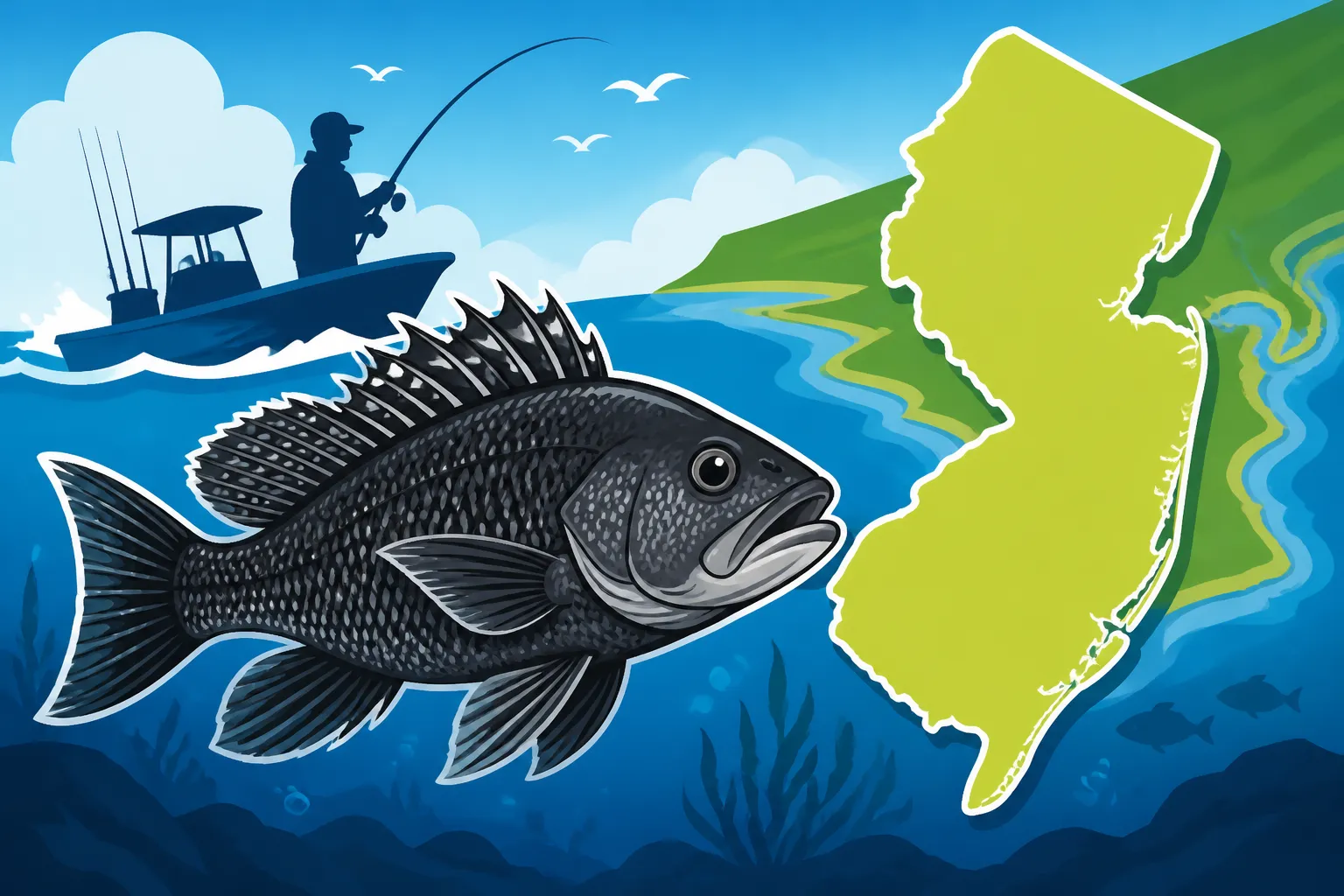
When you pull a fish up from the depths, especially when you're hitting structure where many species gather, it’s crucial to correctly identify your catch. Black sea bass have a distinctive look that makes them generally easy to spot, but it’s still good practice to know the key features. They typically have a dark, mottled brown or black body, which can sometimes appear purplish or bluish, especially in males during spawning season. Their fins are usually dark, and they possess a continuous dorsal fin that features sharp spines followed by softer rays. A really telling sign is their large mouth and sharp teeth, perfect for snatching up smaller prey.
Perhaps the most unique identifying feature, particularly on larger fish, is the fleshy hump that develops on the heads of adult males, often referred to as "bulls." This hump is a clear indicator of a mature male, which can sometimes lead to misidentification by less experienced anglers. Younger fish are lighter in color and lack the prominent hump. It’s important to distinguish them from other reef fish you might encounter, such as cunner or scup (porgy), which can sometimes share similar habitats but have very different body shapes and mouth structures. Knowing these features helps ensure you only keep legal fish and release others safely.
Where Black Sea Bass Live in New Jersey Waters
Black sea bass are creatures of structure. They absolutely love hanging out around anything that offers cover, whether it's natural rock outcroppings, mussel beds, shipwrecks, or man-made artificial reefs. Along the New Jersey coast, this means you'll find them thriving in various spots from our bays and inlets to the deeper offshore waters. Inshore, during certain times of the year, you might find smaller "shorts" around bridges, docks, and rocky shorelines, particularly in areas with good tidal flow and plenty of forage.
As you head further offshore, the numbers and sizes of black sea bass tend to increase dramatically. Our extensive network of artificial reefs, like the Manasquan, Axel Carlson, and Great Egg Reefs, are absolute magnets for these fish. They provide the perfect habitat: shelter from currents, ambush points for prey, and a hard substrate for their own food sources to grow. During the colder months, larger black sea bass will often move to deeper offshore wrecks and rocky bottom areas to overwinter. So, if you're targeting black sea bass, think structure, structure, structure – whether you're fishing from a boat or a productive pier. Exploring a New Jersey Artificial Reef Fishing Guide can give you some fantastic starting points.
Black Sea Bass Behavior and Diet
Black sea bass are opportunistic feeders, meaning they’ll pretty much eat anything they can get their mouths around. Their diet primarily consists of small crabs, shrimp, mollusks, and smaller baitfish like sand eels or juvenile herring. They are ambush predators, often hiding within structure and darting out to snatch unsuspecting prey. This feeding behavior influences how anglers successfully target them. Using baits that mimic their natural diet, such as clam, squid, or various crabs, is often highly effective.
Their behavior also changes with the seasons and water temperature. In warmer months, they are more active and widely dispersed, venturing into shallower areas. As the water cools in the fall and winter, they tend to aggregate in larger schools and move to deeper, more stable temperature zones offshore. This migration pattern is a key factor in how fishing seasons and limits are established, as regulators try to protect the fish during vulnerable times, such as when they are heavily concentrated and easily targeted. Understanding these seasonal movements helps you decide when and where to look for them, and how their bite might change.
The Importance of Season and Limits
It can feel like a hassle to constantly check the regulations before every fishing trip, especially when the season dates and bag limits for black sea bass seem to be constantly in flux. Believe me, I get it – we all just want to get out there and fish! But these seasons and limits aren’t put in place to make our lives harder. They are absolutely critical tools for managing fish populations and ensuring that future generations of anglers can enjoy catching black sea bass just as much as we do today.
Why Regulations Exist for Black Sea Bass
The primary reason for regulations like seasons, size limits, and bag limits is simple: conservation. Black sea bass, despite their abundance in New Jersey waters, are a finite resource. Without proper management, unrestricted fishing pressure could quickly deplete their numbers, leading to a collapse of the fishery. Regulations help control how many fish are taken, which sizes are harvested, and when they can be caught. This proactive approach ensures that enough fish survive to spawn and reproduce, maintaining a healthy and sustainable population for years to come.
Think of it this way: if everyone could keep as many fish as they wanted, no matter the size, we’d quickly run out. The rules are designed to spread the catch across the angling community and protect the fish during their most vulnerable periods. It's about collective responsibility. Plus, these regulations help manage conflicts between different user groups—recreational anglers, party boats, charter boats, and commercial fishermen—all of whom depend on the same resource.
The Impact of Overfishing and Conservation Efforts
New Jersey, like other states along the Atlantic coast, has witnessed firsthand the devastating effects of unregulated fishing on various species in the past. Black sea bass themselves have experienced periods of population decline due to overfishing. When too many fish are removed from the population, especially smaller ones that haven't had a chance to reproduce, the stock struggles to recover. This impacts not just the fish themselves, but the entire marine ecosystem and the livelihoods of those who depend on fishing.
Conservation efforts, spearheaded by state agencies like the New Jersey Department of Environmental Protection (NJDEP) Division of Fish and Wildlife, along with federal bodies, focus on scientific research and data collection. They study population dynamics, spawning habits, growth rates, and fishing mortality to determine sustainable harvest levels. These efforts often lead to difficult decisions, like stricter regulations, but they are essential. It's a continuous balancing act, and our willingness to abide by these rules directly contributes to the success of these vital conservation programs.
Balancing Recreational Angler Access with Sustainability
One of the biggest challenges in fisheries management is finding the sweet spot between allowing people to fish and ensuring the long-term health of the fish stock. Anglers contribute significantly to the economy and culture of New Jersey, and access to fishing opportunities is important. However, this access must be sustainable. Regulators constantly grapple with how to allocate the allowable catch (the "quota") among commercial and recreational sectors, and how to structure seasons and limits within the recreational sector to maximize fishing opportunity while staying within scientific guidelines.
This often means that seasons might be shorter, or bag limits lower, than what some anglers might prefer. The goal isn't to punish anglers, but to ensure there are enough fish for everyone, for many years to come. When you see a change in the New Jersey Black Sea Bass Season Opening Date or an adjustment to the daily bag limit, understand that it's usually the result of complex scientific assessments and discussions aimed at maintaining this delicate balance. Our cooperation as anglers is key to making this system work.
New Jersey Black Sea Bass Season Explained
Alright, let's get down to the brass tacks: when exactly can you go out and catch those delicious black sea bass in New Jersey? This is where things can get a little tricky, as the season is often broken into multiple segments throughout the year, and the dates can be subject to change based on federal management decisions and the most up-to-date stock assessments. It’s never a "set it and forget it" kind of deal, which is why staying informed is so important for any serious angler.
Seasonal Openings and Closures: A Moving Target
Unlike some freshwater species with very predictable seasons, the black sea bass season in New Jersey is typically divided into distinct periods, often with closures in between. These closures are strategically placed to protect the fish during crucial times, such as their spawning season or when they are highly concentrated and vulnerable to overfishing. For example, you might see a strong spring season, a summer hiatus, and then a fall reopening. This segmented approach allows for recreational harvest while still maintaining conservation goals.
The specific dates can vary year to year, which is why relying on outdated information is a big no-no. What was valid last year might not be this year, and you absolutely do not want to find yourself with a hefty fine for fishing out of season. It’s always best to consult the official New Jersey Fish and Wildlife regulations or their website for the most current information. These dates are determined by the Mid-Atlantic Fishery Management Council (MAFMC) and the Atlantic States Marine Fisheries Commission (ASMFC), then implemented by individual states like New Jersey.
Understanding the Different Management Areas
While New Jersey manages its own specific black sea bass regulations, these are generally set within a larger regional framework. The black sea bass stock is managed federally along the Atlantic coast, and allocations are made to different states. New Jersey's regulations are designed to align with these broader federal guidelines while sometimes having specific nuances for our state's waters. It's not like you're going to encounter vastly different rules if you fish off Sandy Hook versus Cape May, but the state still has to fit its piece into the larger regional puzzle.
Sometimes, you might also hear discussions about different management units for various species. While black sea bass are generally managed as one stock along the Atlantic coast, the specific harvest quotas and resulting regulations (like season dates or bag limits) can be influenced by assessments that consider regional differences in fish abundance or fishing pressure. For anglers, this means New Jersey’s regulations are the ones you need to focus on, but understanding they are part of a larger coastal management plan helps explain why they might change.
Potential In-Season Changes to Season Dates
Here’s a kicker that can catch even seasoned anglers off guard: black sea bass season dates and limits are not always set in stone for the entire year. Due to dynamic factors like projected harvest rates, updated stock assessments, or unexpected environmental changes, regulators can and sometimes do make in-season adjustments. This might mean a season segment is shortened, extended, or even closed prematurely if the recreational quota is met sooner than anticipated.
This possibility means that even if you checked the regulations in January, it’s a smart move to re-verify them right before your trip, especially if it’s later in the year. Imagine planning a charter, stocking up on bait, and getting all excited, only to find out the season unexpectedly closed a week ago. This is why keeping an eye on official announcements from the NJDEP Division of Fish and Wildlife is crucial. Many anglers sign up for email alerts or regularly check the "marine digest" section of the state’s website for updates. Your local tackle shop is also often a great resource for real-time news on regulation changes.
New Jersey Black Sea Bass Limits Defined
Beyond knowing when you can fish for them, understanding how much you can keep is equally vital. New Jersey’s black sea bass limits usually consist of a minimum size requirement and a daily bag limit. These are the two non-negotiable numbers you need to commit to memory (or at least keep handy on your phone) every time you target this species. Ignoring these can lead to fines, confiscation of your catch, and a truly ruined day on the water.
Minimum Size Requirements: Why Every Inch Matters
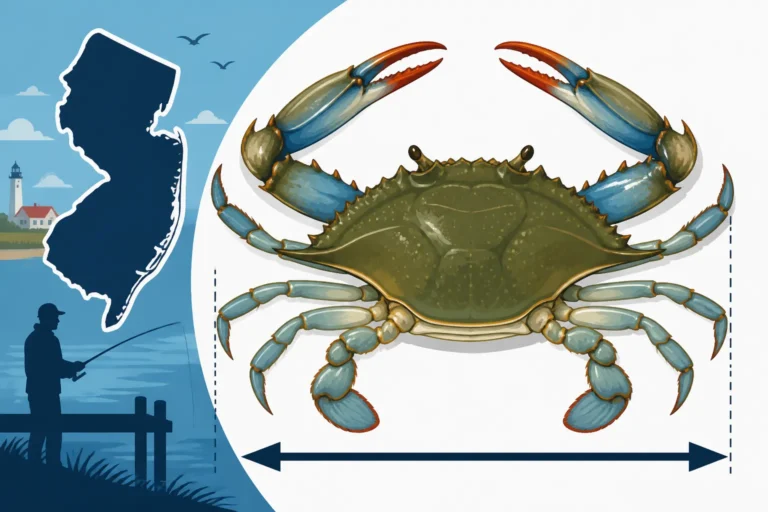
The minimum size limit for black sea bass is arguably the most important regulation for the health of the fishery. This limit dictates that any black sea bass you catch must be at least a certain length from the tip of its snout to the end of its tail (total length) to be legally kept. The reason for this is primarily to allow fish to reach sexual maturity and spawn at least once, if not multiple times, before they are harvested. This ensures the continuation of the species.
The size limit for black sea bass in New Jersey can fluctuate, typically ranging somewhere in the low to mid-teens of inches. It is absolutely imperative that you know the current legal size before you go fishing. Having a reliable measuring device on your boat or in your tackle box is non-negotiable. Whether it's a dedicated fish ruler, a marked cooler, or even a sticker on your rod, ensure it's accurate and easily accessible. Measure your fish carefully; when in doubt, it’s always better to release a fish that looks borderline rather than risk a violation. New Jersey Marine Fish Size Chart 2026 can be a great visual aid for this.
Daily Bag Limits: How Many You Can Keep
Once you’ve got a black sea bass that meets the minimum size requirement, the next question is: how many of them can you put in your cooler? This is where the daily bag limit comes into play. The bag limit specifies the maximum number of black sea bass an individual angler can keep in a single day. Like the season dates and size limits, this number can also change, often varying depending on the specific season segment. You might find a more generous bag limit during a historically abundant fall run compared to a more restrictive spring season.
For instance, during one segment, the limit might be five fish per person, while another segment later in the year could allow for ten fish. Always check the current regulations, perhaps through the official Reading the New Jersey Fish and Wildlife Digest. This limit applies to each angler, so if you’re fishing with a friend, you each get your allotted number of fish. However, this doesn't mean you can combine your limits into one cooler and then just divvy them up later if only one person caught fish. Enforcement officers often look for individual compliance. The goal of the bag limit is to control the total recreational harvest, ensuring that the overall quota for black sea bass isn't exceeded.
Possession Limits and Transporting Your Catch
While the daily bag limit tells you how many fish you can keep per day, there’s also the concept of a possession limit, which is often the same as the daily bag limit but extends to how many fish you can have in your possession at any given time, including when you’re off the water. This is particularly relevant if you're on a multi-day fishing trip or if you store your catch at home. For black sea bass, the possession limit generally mirrors the daily bag limit – you can't possess more than the daily limit unless they are processed (e.g., filleted) in a specific way that still allows for identification and counting.
When transporting your catch, especially if it's filleted, you need to be aware of the rules. For many species, including black sea bass, it's typically required that if you fillet your fish at sea, you must leave a patch of skin on the fillet for identification purposes. This patch of skin allows a conservation officer to identify the species and, in some cases, verify that the fish was of legal size before filleting. The exact requirements for filleting and transporting can be found in the official regulations, but the general rule is to make it easy for an officer to verify your compliance. Don't make it look like you're trying to hide anything! Always keep your catch separate if you’re fishing with multiple people, to easily demonstrate individual compliance with New Jersey Daily Bag Limits by Species.
Key Regulations and How They're Set
It can be baffling trying to figure out who sets these fishing rules and why they change so frequently. Is it the state? Is it the feds? The truth is, it’s a complex dance involving multiple agencies and scientific bodies, all working to manage a highly migratory species like black sea bass across state lines. Understanding this process, even at a high level, can help you appreciate why the rules are what they are and why they sometimes feel like a moving target.
Federal vs. State Management Roles
For species like black sea bass that migrate up and down the Atlantic coast, management is a shared responsibility. The overarching framework and total allowable catch (TAC) for the entire stock are typically set at the federal level by the National Marine Fisheries Service (NMFS) in consultation with the Mid-Atlantic Fishery Management Council (MAFMC) and the Atlantic States Marine Fisheries Commission (ASMFC). These federal bodies use scientific data to determine how many fish can be harvested coast-wide each year to maintain a healthy population.
Once the federal quotas and guidelines are established, they are then broken down and allocated to individual states, including New Jersey. This is where the state’s role comes in. The New Jersey Department of Environmental Protection (NJDEP) Division of Fish and Wildlife then takes its allocated share of the quota and designs specific regulations—like our season dates, size limits, and bag limits—to ensure that New Jersey anglers stay within that allocation. This cooperative management approach ensures consistency across the region while allowing states some flexibility to tailor rules to local conditions.
The Role of the Mid-Atlantic Fishery Management Council (MAFMC)
The Mid-Atlantic Fishery Management Council (MAFMC) is a vital player in setting the stage for black sea bass regulations. This council is one of eight regional fishery management councils established by federal law to manage fisheries from North Carolina to New York. The MAFMC brings together scientists, state fishery managers, commercial and recreational fishing industry representatives, and conservationists to develop fishery management plans for various species, including black sea bass.
Their process involves extensive scientific assessment, economic analysis, and public input. They evaluate stock health, consider potential impacts of different management strategies, and ultimately recommend annual catch limits and management measures to the NMFS. It's a transparent process, and public meetings are often held where anglers can voice their opinions. So, when you hear about upcoming changes, often the initial discussions and recommendations stem from the MAFMC. They really are the architects of the big picture regulatory framework that trickles down to our local fishing spots.
How New Jersey Implements Federal Guidelines
Once the MAFMC and NMFS establish the federal quotas and general guidelines for black sea bass, it's up to New Jersey to implement these within its own state waters and for its resident anglers. The NJDEP Division of Fish and Wildlife translates these federal mandates into the specific regulations that appear in the official "New Jersey Marine Fisheries Digest" and on their website. They have some flexibility in how they structure the season (e.g., splitting it into multiple segments), but they must ensure that the total projected harvest by New Jersey anglers stays within the state’s allocated quota.
This implementation process also involves public hearings and stakeholder meetings within New Jersey, where local anglers, charter captains, and tackle shop owners can provide input on the proposed state regulations. Sometimes, the state might propose a slightly different season structure to better accommodate specific local fisheries or angling patterns, as long as it still meets the federal conservation objectives. This is a good time to get involved and express your views, as it can directly influence How New Jersey Sets Its Fishing Regulations Each Year are shaped. Ultimately, the goal is to provide sustainable fishing opportunities that align with federal conservation mandates.
Tips for a Successful and Compliant Black Sea Bass Trip
Knowing the rules is half the battle, but actually catching black sea bass requires a bit of skill and the right gear. Beyond just being compliant, having a successful day on the water means being prepared and employing effective techniques. And, of course, the golden rule: always, always double-check those regulations right before you head out!
Essential Gear for Black Sea Bass Fishing
You don't need a boatload of specialized gear to catch black sea bass, but having the right tackle can certainly make a huge difference in your success and enjoyment. They're not huge fish, but they put up a surprisingly strong fight, especially the larger ones, and they live around abrasive structure.
Here's a breakdown of what you'll typically need:
- Rod and Reel: A medium-light to medium action spinning rod, about 6 to 7 feet long, paired with a matching spinning reel spooled with 20-30 lb braided line, is a fantastic all-around setup. The braided line offers sensitivity to feel subtle bites and excellent strength-to-diameter ratio, which is crucial when fishing around snags. Many good options for this can be found on Amazon.
- Leader Material: You’ll want a fluorocarbon leader of 20-30 lb test, typically 2-3 feet long. Fluorocarbon is more abrasion-resistant than mono and nearly invisible underwater, which can be an advantage in clear water.
- Terminal Tackle:
- Hooks: Octopus hooks or small baitholder hooks in sizes 1/0 to 3/0 are commonly used.
- Sinkers: Bank sinkers or bell sinkers ranging from 1 to 6 ounces, depending on current and depth. You might need heavier sinkers if you're fishing How Deep Do You Need to Fish for Black Sea Bass?.
- Rigs: A simple two-hook dropper rig (top-and-bottom rig) is highly effective. You can buy these pre-tied or make your own. Some anglers prefer a single-hook snell rig when targeting larger fish to reduce snags.
- Bait: Fresh clam, squid strips, and pieces of blue crab or green crab are all excellent choices. Gulp! scented baits, like peeler crab or shrimp, also work wonders, especially when jigged.
- Tools: A sharp knife, pliers (for hook removal), a fish rag, and a reliable measuring device are absolute must-haves. A small cooler with ice to keep your legal catch fresh is also important.
Effective Techniques for Catching Black Sea Bass
Black sea bass aren't usually shy, but a few techniques will significantly increase your hook-up ratio.
- Bottom Fishing: This is the most common and often most effective method. Using a two-hook dropper rig with fresh bait, you'll want to present your offering right on or very close to the bottom, where the sea bass are holding. Drop your rig down, let the sinker hit the bottom, and then reel up a crank or two to keep your bait just above the snags. Give it a gentle jigging motion to attract attention.
- Jigging with Artificials: While bait is king, jigs can be incredibly effective, especially when the fish are aggressive. Small bucktail jigs tipped with a strip of squid or Gulp! are deadly. Work the jig by lifting your rod tip sharply and letting it fall, mimicking a wounded baitfish or crustacean. This is a more active style of fishing that can be very rewarding.
- Drifting: If you're on a boat, drifting over known structure or reef sites can help you cover more ground and find active schools. Pay close attention to your fish finder to identify promising marks, and adjust your drift speed with a drift sock if necessary. Many of the larger party boats out of spots like Belmar or Point Pleasant employ this technique, so hopping on a New Jersey party boat can give you a fantastic hands-on lesson.
- Anchor and Target: For particularly productive wrecks or reefs, anchoring directly over the structure allows you to present your bait precisely to where the fish are holding. This is often done on New Jersey Charter Fishing Guide trips. Just be mindful of other boats and currents.
Remember, black sea bass often bite subtly at first, like a light tap, before committing. Be ready to set the hook quickly!
Always Check the Latest Regulations
I cannot stress this enough: always verify the most current black sea bass regulations immediately before you head out fishing. I know it's a pain, but failing to do so can turn a fun day into a costly one. As discussed, seasons, size limits, and bag limits can change, sometimes with little notice.
Here’s how to stay updated:
- Official NJDEP Website: The New Jersey Department of Environmental Protection (NJDEP) Division of Fish and Wildlife website is your authoritative source. Look for the latest "Marine Fisheries Digest" or specific announcements regarding black sea bass.
- Phone Apps: Many third-party fishing apps provide regulatory information, but ensure they draw directly from official state sources and are updated frequently. Double-check them against the official state site.
- Local Tackle Shops: Your local tackle shop is often an excellent resource. The folks who work there are usually anglers themselves and are typically very knowledgeable about current local conditions and any recent regulation changes.
- Sign Up for Alerts: Some states offer email or text alert services for regulation changes. If New Jersey has one, sign up!
- Official Digest: Carry a copy of the current Reading the New Jersey Fish and Wildlife Digest with you, whether digital or printed. It contains all the rules you need to know, from New Jersey Fishing License Guide for 2026 requirements to specific species limits.
Here’s a simplified table illustrating how black sea bass regulations might be structured, but remember, these are hypothetical and subject to change annually:
| Season Segment | Typical Dates (Hypothetical) | Minimum Size | Daily Bag Limit | Notes |
|---|---|---|---|---|
| Spring | May 15 – June 15 | 12.5 inches | 5 fish per angler | Often targets larger, pre-spawn fish |
| Summer | July 1 – August 31 | 13 inches | 3 fish per angler | More restrictive, protecting mid-summer populations |
| Fall | September 15 – December 31 | 13 inches | 7 fish per angler | Generally the most generous, post-spawn run |
Note: The dates, sizes, and bag limits in this table are entirely illustrative and do NOT reflect current or future New Jersey Black Sea Bass regulations. Always consult official NJDEP sources for the most up-to-date information.
Always be prepared for a visit from the New Jersey Conservation Police and License Checks. They are out there to ensure fair play and conservation, and they expect you to know the rules. Being compliant not only avoids penalties but also contributes to the health of the fishery for everyone. Understanding How Bag and Size Limits Work in New Jersey is fundamental to responsible angling.
Disclaimer
This article is for general informational purposes only and does not constitute professional advice. Laws, prices and regulations vary by location and change over time. Consult a qualified professional for guidance on your specific situation.