Do Striped Bass Spawn in New Jersey Rivers?
It’s a question that echoes through bait shops, bounces off jetty rocks, and sparks conversation on party boats: "Do striped bass actually spawn in New Jersey rivers?" For many anglers, there’s a real mystery here, especially when you see so many stripers in our bays and rivers during the season. It can be confusing to understand New Jersey's exact role in the life cycle of these incredible fish, and this guide is here to clear up that confusion, diving deep into where these magnificent fish begin their lives and how New Jersey fits into their crucial journey.
The Truth About Striped Bass Spawning in New Jersey Waters
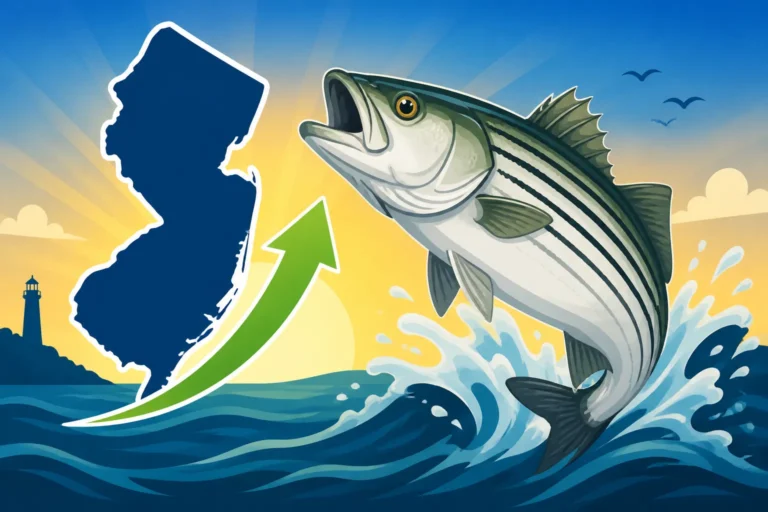
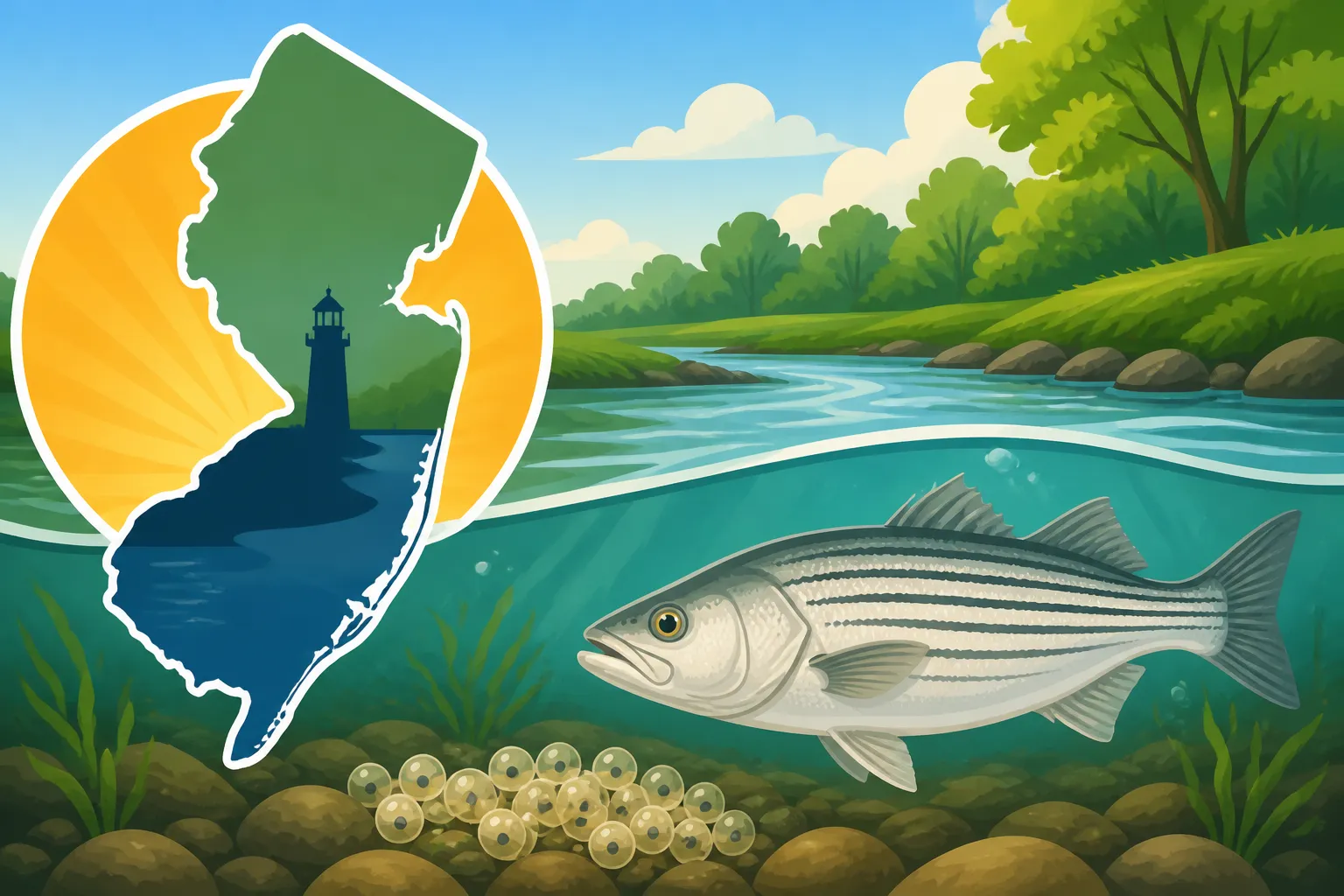
Let's get straight to it: generally speaking, no, striped bass do not spawn in New Jersey rivers in any significant, self-sustaining way that contributes to the overall Atlantic coast population. While you might encounter small, isolated instances of spawning in very specific, highly localized conditions, New Jersey isn't considered a primary spawning ground for the migratory Atlantic striped bass stock. This often comes as a surprise to many, given how central stripers are to our fishing culture here on the Jersey Shore!
It’s important to understand the broader picture of the Atlantic coast striped bass fishery. These fish are incredibly resilient and adaptable, but when it comes to reproduction, they are quite particular about their real estate. Think of it like a specific type of plant that only blooms under very precise soil and light conditions; stripers have equally precise requirements for successful spawning.
Key Spawning Grounds Along the East Coast
When we talk about the major nurseries for Atlantic striped bass, our gaze shifts a bit south and west. The vast majority of striped bass that migrate along our coast, thrilling anglers from Maine to North Carolina, are born in a few key locations.
The big three, the true powerhouses of striped bass reproduction, are:
- The Chesapeake Bay and its Tributaries: This is by far the largest and most critical spawning area for Atlantic striped bass. Rivers like the Choptank, Nanticoke, and Potomac within the Chesapeake system provide the perfect mix of brackish water (a blend of fresh and saltwater), tidal flow, and temperature that striped bass eggs and larvae need to develop. The sheer volume of fish produced here is astounding, forming the backbone of the entire East Coast population.
- The Delaware River: Closer to home, the Delaware River is a vital spawning ground, particularly in its freshwater stretches upriver from Philadelphia. Anglers in New Jersey often interact with fish that were born right here in the Delaware. The section of the river that forms part of New Jersey's western border plays an undeniable role in contributing to the population.
- The Hudson River: Up in New York, the Hudson River is another significant spawning area. Like the Delaware and Chesapeake, it offers the necessary environmental conditions for successful reproduction, particularly in its brackish lower reaches.
These major rivers offer a cocktail of environmental conditions that are absolutely crucial: a specific temperature range, a delicate balance of salinity (not too fresh, not too salty), and currents that help disperse eggs and larvae without washing them out to sea too quickly or stranding them. This is a highly specialized process, and the habitat needs are quite specific.
New Jersey's Role in the Striped Bass Life Cycle
So, if New Jersey rivers aren't primary spawning grounds, what role do our beautiful waters play in the life of a striped bass? It's a massive and absolutely essential role! Our state acts as a gigantic migratory superhighway and an all-you-can-eat buffet for these fish.
Think of New Jersey as a critical refueling station and resting point on a very long journey. After spawning in the Chesapeake, Delaware, or Hudson, juvenile stripers spend their early lives in those natal estuaries. But once they reach a certain size, they begin to spread out, and many embark on the incredible migrations that take them along the Atlantic coast.
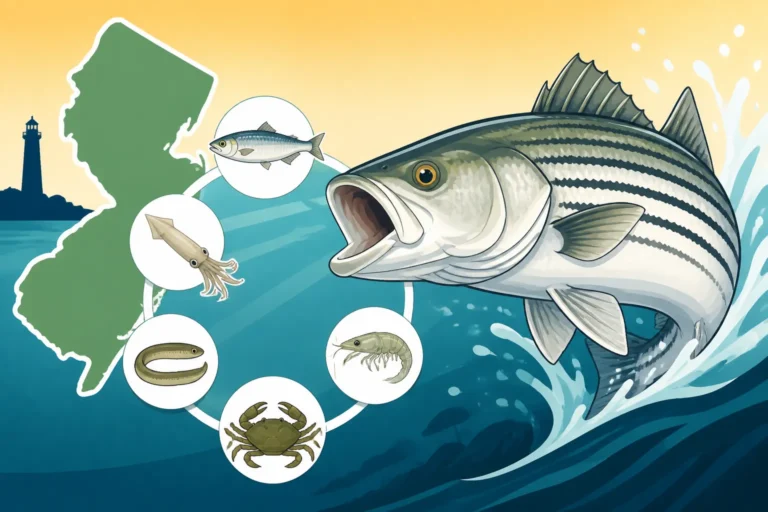
New Jersey's bays, estuaries, and offshore waters become a crucial part of this journey. We see the large schools of migratory stripers moving north in the spring and south again in the fall, feeding ravenously on the abundant baitfish like bunker, herring, and spearing. Our estuaries, like Barnegat Bay and Raritan Bay, also serve as incredibly important nursery habitats for juvenile stripers born elsewhere. These younger fish will grow and thrive in these protected, food-rich waters before joining the larger migratory population. The sheer amount of available food makes our waters irresistible.
It's this constant flow of fish that makes New Jersey such a prime destination for striped bass fishing. Whether you're targeting resident stripers that might spend more time in our back bays or intercepting the massive schools of migratory fish, understanding the full scope of What is a Resident Striped Bass vs a Migratory Striped Bass? helps appreciate their presence here. Our unique coastline, with its dynamic inlets, vast bays, and abundant forage, provides the ideal environment for stripers to feed, grow, and stage before continuing their travels. You can find more details on when and where these fish pass through in articles like When Do Striped Bass Migrate Through New Jersey?.
Why New Jersey Rivers Aren't Ideal Spawning Sanctuaries
It might seem counterintuitive that New Jersey, with its extensive network of rivers and estuaries, doesn't host significant striped bass spawning. After all, we have plenty of water! However, the biological requirements for successful striped bass spawning are incredibly precise, and many of our rivers simply don't consistently offer the perfect combination of factors needed year after year.
Environmental Factors and Historical Changes
Over time, several environmental factors, both natural and man-made, have made most New Jersey rivers less than ideal for striped bass spawning.
- Water Quality: Historically, many of our industrial rivers faced significant pollution issues. While much progress has been made in recent decades, legacy pollution and ongoing runoff can still impact water quality. Striped bass eggs and larvae are extremely sensitive to contaminants, and even subtle changes in water chemistry can drastically reduce survival rates. A river might look clean on the surface, but the delicate balance required for microscopic life stages is easily disrupted.
- Habitat Loss and Alteration: Urbanization and development along riverbanks have led to changes in natural habitats. Spawning requires specific substrates—often shallow, slow-moving areas with certain bottom compositions. Dredging, bulkheading, and shoreline alteration can eliminate these critical areas. Dams and other obstructions on many New Jersey rivers also block upstream access to potential spawning grounds, effectively cutting off large sections of river that might otherwise be suitable.
- Temperature Fluctuations: Striped bass require a very specific temperature window for their eggs to hatch and larvae to develop properly. Many New Jersey rivers, especially those with smaller watersheds or influenced heavily by urban heat islands, can experience more rapid and extreme temperature swings than larger, more stable systems like the Chesapeake Bay or lower Hudson. A sudden cold snap or heat wave at a critical time could devastate a spawn.
- Salinity Gradients: While some of our rivers have brackish sections, maintaining the precise salinity gradient required for striped bass eggs to remain buoyant and develop isn't always consistent. Heavy rains can quickly flush rivers with freshwater, or prolonged dry spells can allow saltwater to push further upstream, altering the delicate balance.
Even if a few stripers did attempt to spawn, the chances of a successful, large-scale reproduction event that contributes meaningfully to the wider population are slim due to these challenges.
The Specific Needs of Spawning Striped Bass
Let's delve a bit deeper into what these fish are looking for when it's time to create the next generation. It’s not just about finding water; it’s about finding the right kind of water.
- Brackish Water: Striped bass are anadromous, meaning they live in saltwater but migrate to freshwater or brackish water to spawn. However, their eggs are semi-buoyant and require a certain salinity level to stay suspended in the water column and prevent them from sinking to the bottom where they could suffocate or be eaten. This sweet spot of salinity is crucial, and it's a dynamic zone that not all rivers maintain consistently during the spring spawning season.
- Tidal Flow and Current: Eggs need to be kept moving and oxygenated. Rivers with a consistent, gentle tidal flow or current are ideal, as this distributes the eggs and larvae while also preventing them from settling in stagnant, low-oxygen areas. Our smaller, non-tidal rivers simply lack this vital characteristic.
- Water Depth and Volume: The chosen spawning areas are often broad, relatively shallow sections of major rivers, allowing for extensive dispersal of eggs. Many New Jersey rivers, while beautiful, might not have the sustained depth and volume in the correct brackish zones to support a large-scale spawn.
- Dissolved Oxygen: Healthy levels of dissolved oxygen are paramount for developing eggs and larvae. Rivers with poor circulation, high organic loads, or excessive algae growth can experience oxygen depletion, which is fatal to young stripers.
When you weigh these intricate requirements against the characteristics of most New Jersey rivers, it becomes clearer why our state primarily serves as a vital feeding and migratory corridor rather than a major birthplace for striped bass. The conditions are just too specific and often too inconsistent outside of the Delaware River.
The Importance of New Jersey's Waters for Striped Bass Survival
While New Jersey rivers might not be the primary spawning grounds for most Atlantic striped bass, our state's coastal and estuarine waters are absolutely indispensable for the species' overall survival and robust health. We play a huge, often underestimated, role in sustaining the migratory population.
Nursery and Feeding Grounds for Juvenile and Adult Stripers
Imagine New Jersey as a bustling, vibrant metropolis where millions of striped bass come to thrive. Our extensive network of bays, estuaries, and nearshore ocean environments provides critical habitat for stripers at various stages of their lives.
- Juvenile Nurseries: For the young stripers that hatch in the Delaware, Hudson, or Chesapeake, many will eventually make their way into New Jersey's more protected waters. Bays like New Jersey's Barnegat Bay Fishing Guide and Raritan Bay and Sandy Hook Bay Fishing Guide are not just fun places to fish; they are vital nurseries where juvenile stripers can grow rapidly, protected from the harsher open ocean conditions. These sheltered environments are rich with smaller baitfish, shrimp, and crabs—the perfect diet for growing fish. This is where they put on size and develop the strength needed for their later migrations.
- Adult Feeding Grounds: For adult migratory stripers, New Jersey is simply a giant feeding ground. During the spring and fall runs, our coastline becomes a massive buffet. Schools of bunker, herring, and other baitfish congregate in our waters, drawing in massive numbers of hungry stripers. This period of intense feeding is crucial for the fish to build up energy reserves needed for spawning and overwintering. Without these rich feeding grounds, the overall health and reproductive success of the entire Atlantic stock would be severely compromised. Anglers looking for the best gear for this action often turn to reliable options found on platforms like Amazon, from heavy-duty surf rods to specialized lures designed to mimic local baitfish.
The sheer abundance of forage in New Jersey's waters means that stripers can gain weight quickly, preparing them for the rigors of their life cycle. It's a testament to the biological richness of our marine ecosystems.
The Migratory Pathways and Their Protection
The seasonal movements of striped bass along the Atlantic coast are one of nature's great spectacles, and New Jersey sits right in the middle of this grand procession. Protecting these migratory pathways is paramount, and it's where New Jersey's stewardship shines.
- Spring and Fall Runs: As spring warms the water, stripers migrate north from their overwintering grounds and spawning rivers, passing along the New Jersey coast on their way to feeding grounds in New England. In the fall, the reverse happens, with fish moving south. These "runs" are legendary among anglers, offering some of the most exciting fishing opportunities of the year. Our inlets, beaches, and nearshore reefs are strategic choke points where these fish concentrate.
- Conservation of Corridors: Ensuring that these migratory pathways remain healthy and unobstructed is a critical conservation effort. This includes maintaining water quality in the coastal zone, protecting essential estuarine habitats, and managing human interactions (like fishing pressure) responsibly. The goal is to allow stripers to move freely and safely between their spawning, feeding, and overwintering areas.
- The Slot Limit and Why It Matters: You've probably heard a lot about the New Jersey Striped Bass Slot Limit Explained. This regulation is a prime example of how New Jersey, in coordination with other states, protects the migratory stock. By allowing anglers to keep fish within a certain size range, but releasing larger, more reproductively potent females (the "spawners"), the slot limit aims to safeguard the future of the species by ensuring that the most valuable breeders can continue their journey. This is particularly important because the vast majority of these large, egg-laden females are passing through New Jersey on their way to or from spawning grounds elsewhere.
So, while our rivers may not be teeming with spawning striped bass, New Jersey's coastal waters are an irreplaceable link in the chain of their survival, providing essential habitat, food, and safe passage for both young and old alike.
What Anglers Need to Know About Striped Bass Conservation in NJ
Being an angler in New Jersey isn't just about casting a line and hoping for the best; it's about being a steward of our natural resources. Understanding the regulations and practicing responsible fishing are crucial, especially when it comes to a prized species like the striped bass, which depends so heavily on our waters for its survival, even if it doesn't spawn here.
Understanding Regulations and Bag Limits
New Jersey's fishing regulations for striped bass are designed to contribute to the health of the entire Atlantic coast population. These rules are a collective effort, often influenced by interstate management plans because, as we've discussed, these fish are constantly on the move.
- The Purpose of Regulations: When you read the New Jersey Fishing License Guide for 2026 or consult the latest digest, remember that the bag limits and slot limits for striped bass aren't arbitrary. They are carefully crafted based on scientific data, population assessments, and input from various stakeholders. The goal is to ensure sustainable fishing opportunities while protecting the species, particularly the adult spawning stock that passes through our waters.
- The Slot Limit's Impact: The slot limit for striped bass (e.g., 28 to 38 inches, but always check current regulations) is a perfect example of a conservation measure. It’s a compromise that allows anglers to harvest some fish while giving the largest, most productive breeding females a better chance to survive and spawn again. When you're fishing the Jersey Shore, you're interacting with a population that largely originated elsewhere, so every angler's compliance with these rules directly impacts the future of the species across its entire range.
- Staying Informed: Regulations can and do change. It's vital to always refer to the latest New Jersey Fish and Wildlife Digest or their official website before you head out. These changes are part of How New Jersey Sets Its Fishing Regulations Each Year, responding to scientific findings and population trends.
Responsible Catch and Release Practices
Even if you're keeping a legal-sized striped bass, a significant portion of your fishing time will likely involve catching and releasing fish, whether they are undersized, oversized, or simply caught after you've reached your limit. How you handle these fish directly impacts their survival, especially for a species that undergoes such extensive migrations.
- Minimize Stress: The key to successful catch and release is to minimize the stress on the fish. This means landing the fish quickly, avoiding prolonged fights that exhaust them.
- Proper Gear: Using appropriate tackle is important. Many anglers now opt for New Jersey Circle Hook Requirements for Bait Fishing when using natural bait. Circle hooks dramatically reduce the chance of gut-hooking, leading to much higher survival rates for released fish. Ensure your hooks are sharp and strong enough to handle the fish you're targeting without tearing their mouths excessively. Good quality gear from brands available on Amazon, such as robust pliers for hook removal or knot-tying tools, can make all the difference in quickly and safely releasing a fish.
- Gentle Handling:
- Keep it Wet: Try to keep the fish in the water as much as possible, especially if it's a larger fish.
- Support Its Body: If you must lift it for a quick photo, support its body horizontally, especially its belly, to avoid internal organ damage. Never hold a large fish vertically by the jaw alone.
- Quick Release: Remove the hook gently and quickly. If the hook is deeply embedded, cut the line as close to the hook as possible rather than trying to rip it out.
- Revive If Necessary: For an exhausted fish, hold it gently in the water, facing into the current, until it regains its strength and swims away on its own.
These practices, outlined in detail in guides like New Jersey Catch and Release Striped Bass Handling Rules, are absolutely vital. Remember, the large "trophy" striped bass are often the most reproductively valuable females, so their safe release is paramount for future generations.
Supporting Research and Advocacy
As anglers, we have a vested interest in the health of the striped bass population. Beyond following regulations and practicing ethical angling, there are ways to actively contribute to the scientific understanding and conservation of this species.
- Participate in Surveys: If you ever receive a call from the New Jersey Recreational Fishing Survey: Why You Might Get a Call, please participate! Your data provides invaluable information to fisheries managers about catch rates, fishing effort, and angler opinions. This information directly influences future regulations and conservation strategies.
- Support Conservation Organizations: Many non-profit organizations are dedicated to striped bass research, habitat restoration, and advocacy. Supporting these groups, whether through membership, donations, or volunteer work, helps fund critical projects that benefit the species. They often work across state lines, addressing the migratory nature of striped bass.
- Stay Informed and Educate Others: Keep reading articles like this one! The more you understand about the biology, migration patterns, and challenges facing striped bass, the better equipped you are to make informed decisions and educate fellow anglers, friends, and family. Sharing knowledge about safe handling practices, the importance of the slot limit, and the true spawning grounds helps foster a community of responsible and informed anglers. By doing so, we ensure that the thrill of hooking a striped bass in New Jersey remains a possibility for generations to come.
Disclaimer
This article is for general informational purposes only and does not constitute professional advice. Laws, prices and regulations vary by location and change over time. Consult a qualified professional for guidance on your specific situation.